At the SNF Nostos Conference in Athens, Rockefeller scientists discussed how enhanced global access and public participation can help ensure that science best serves the general public.
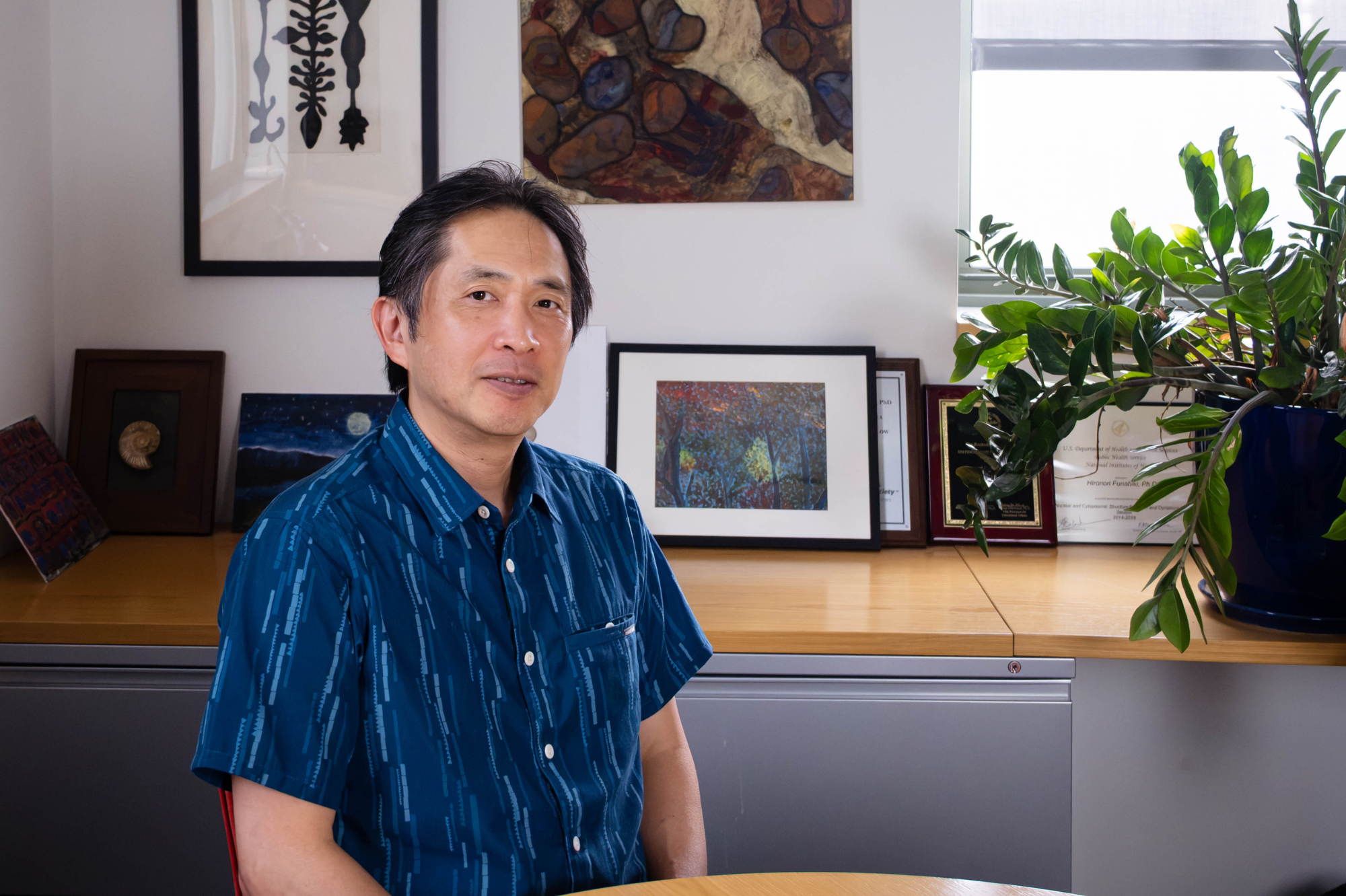
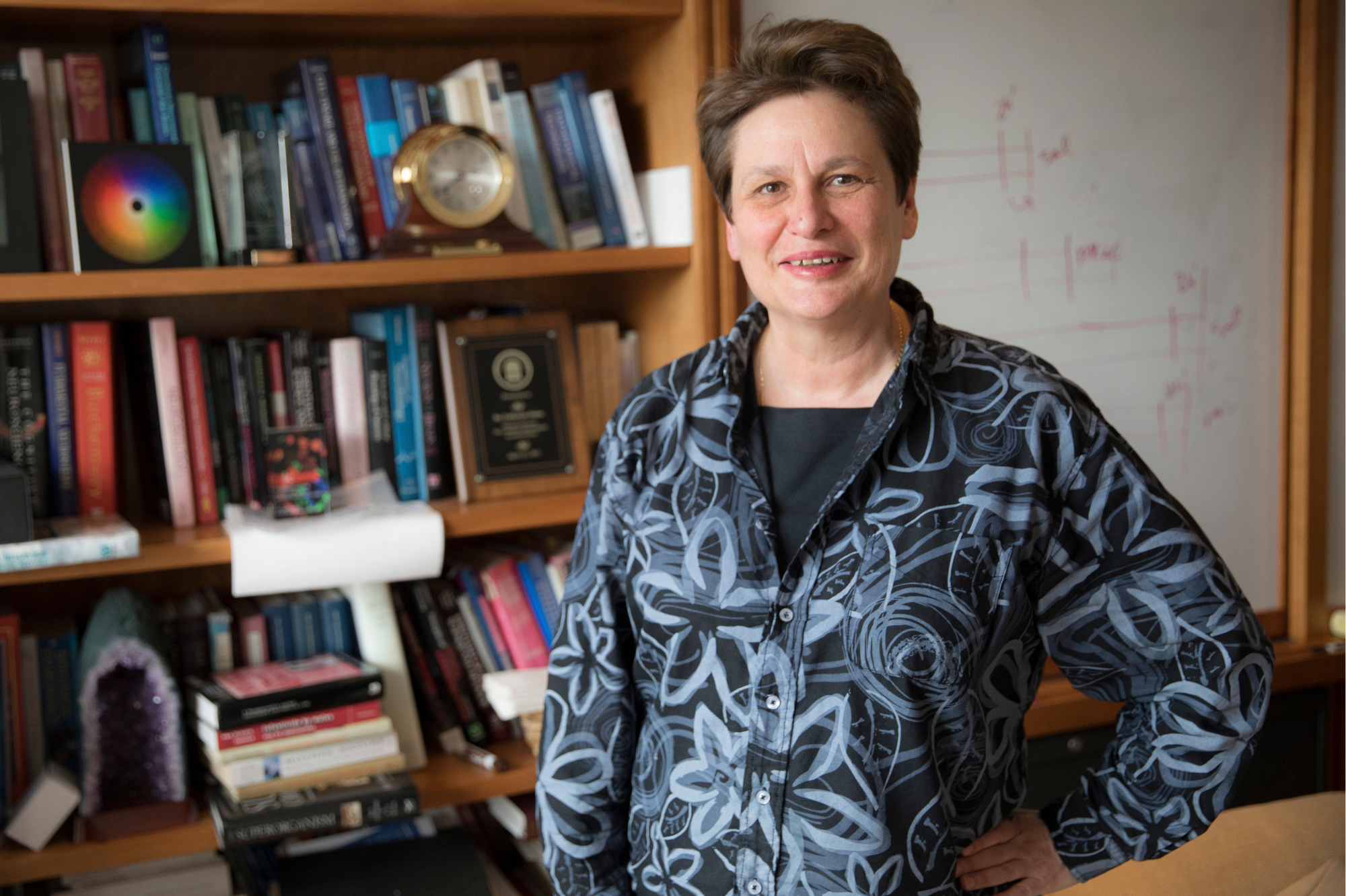
Hironori Funabiki studies how the chromosomes carrying our genomic DNA are copied and maintained. His basic research is shedding light on cancer, rare immune diseases, and even how our bodies recognize viruses.
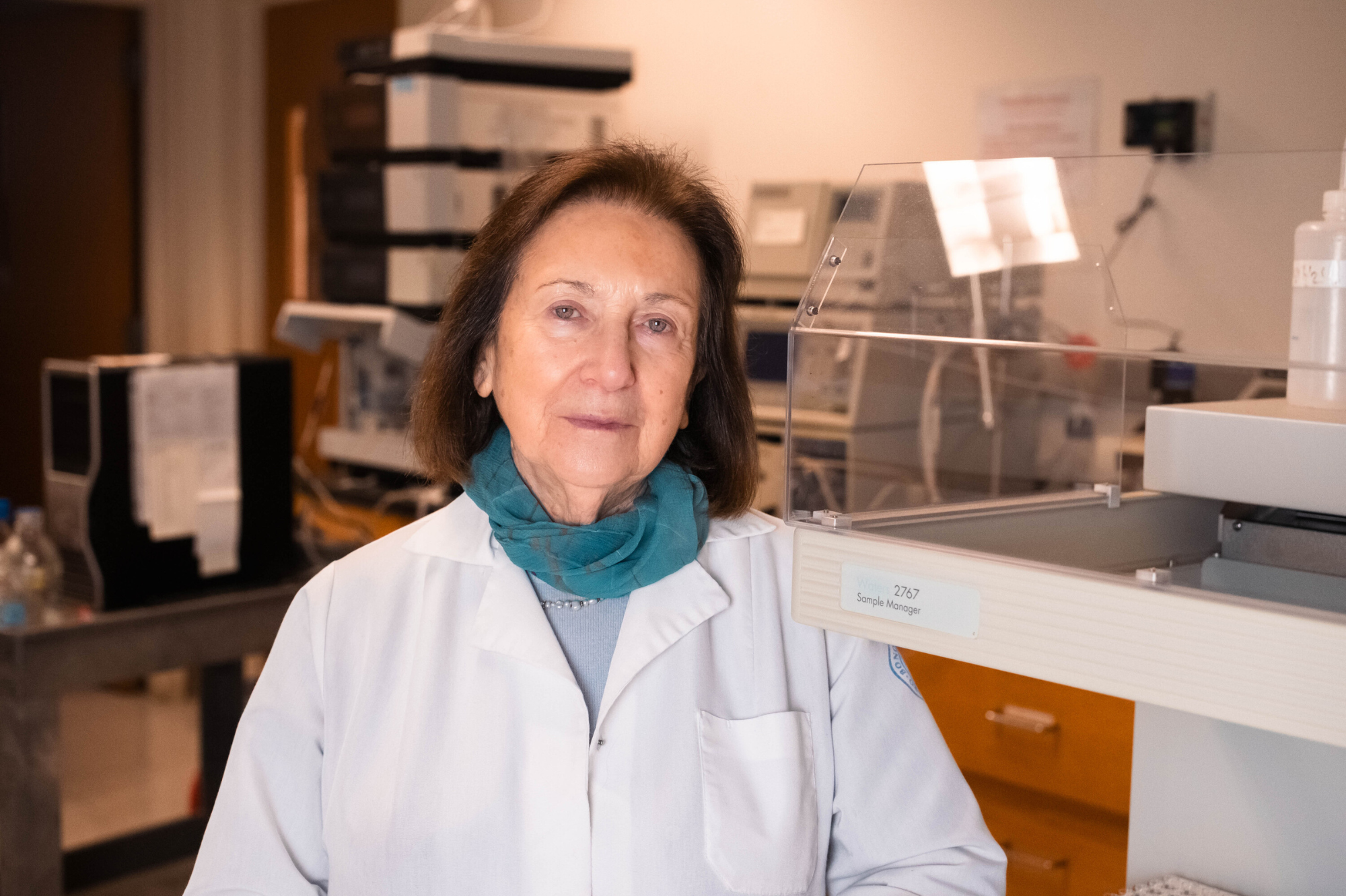
Dulac's research revealed the neural circuits underlying instinctive behaviors such as mating, parenting, and aggression. She will be presented with the award on October 20.
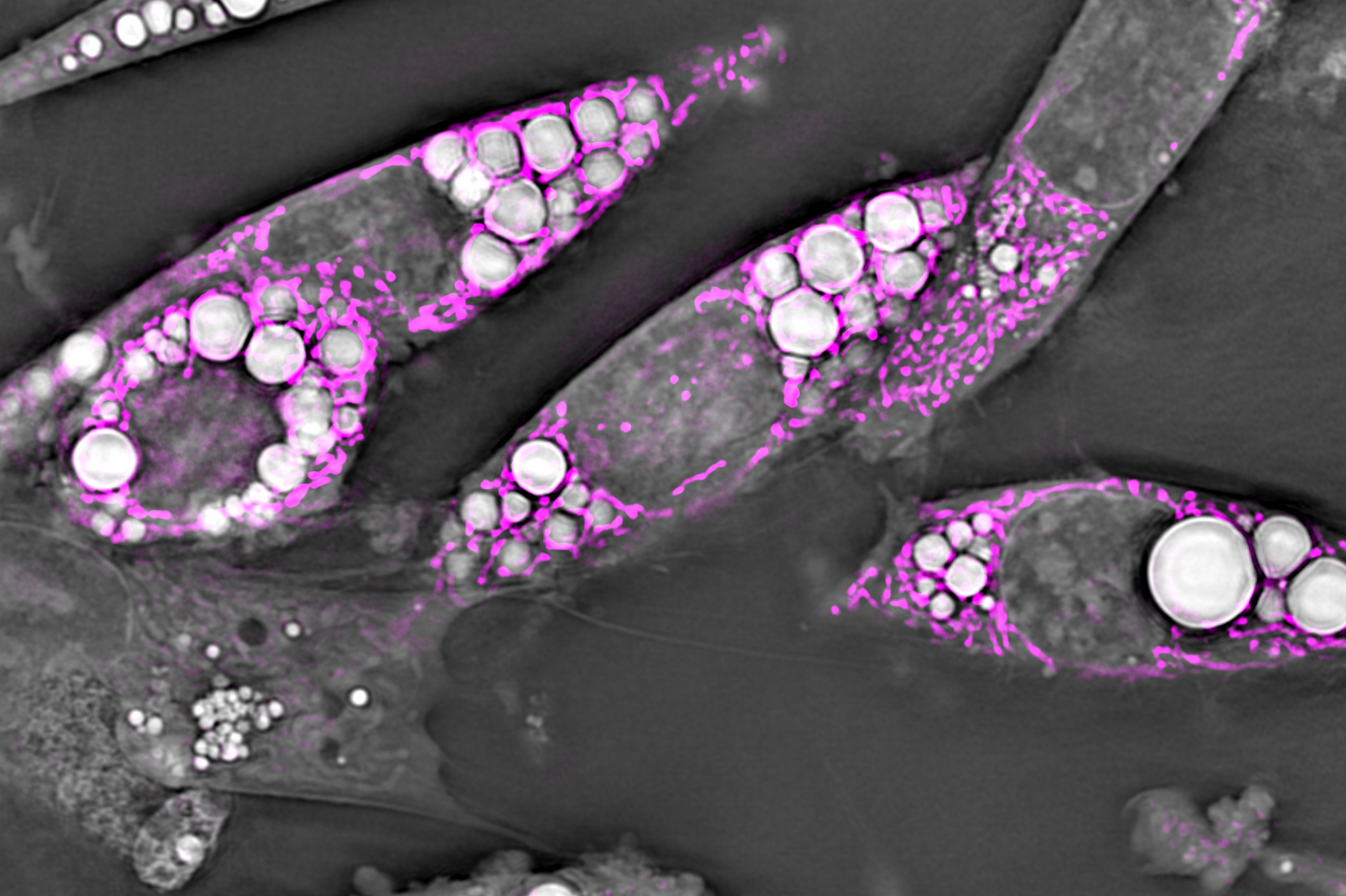
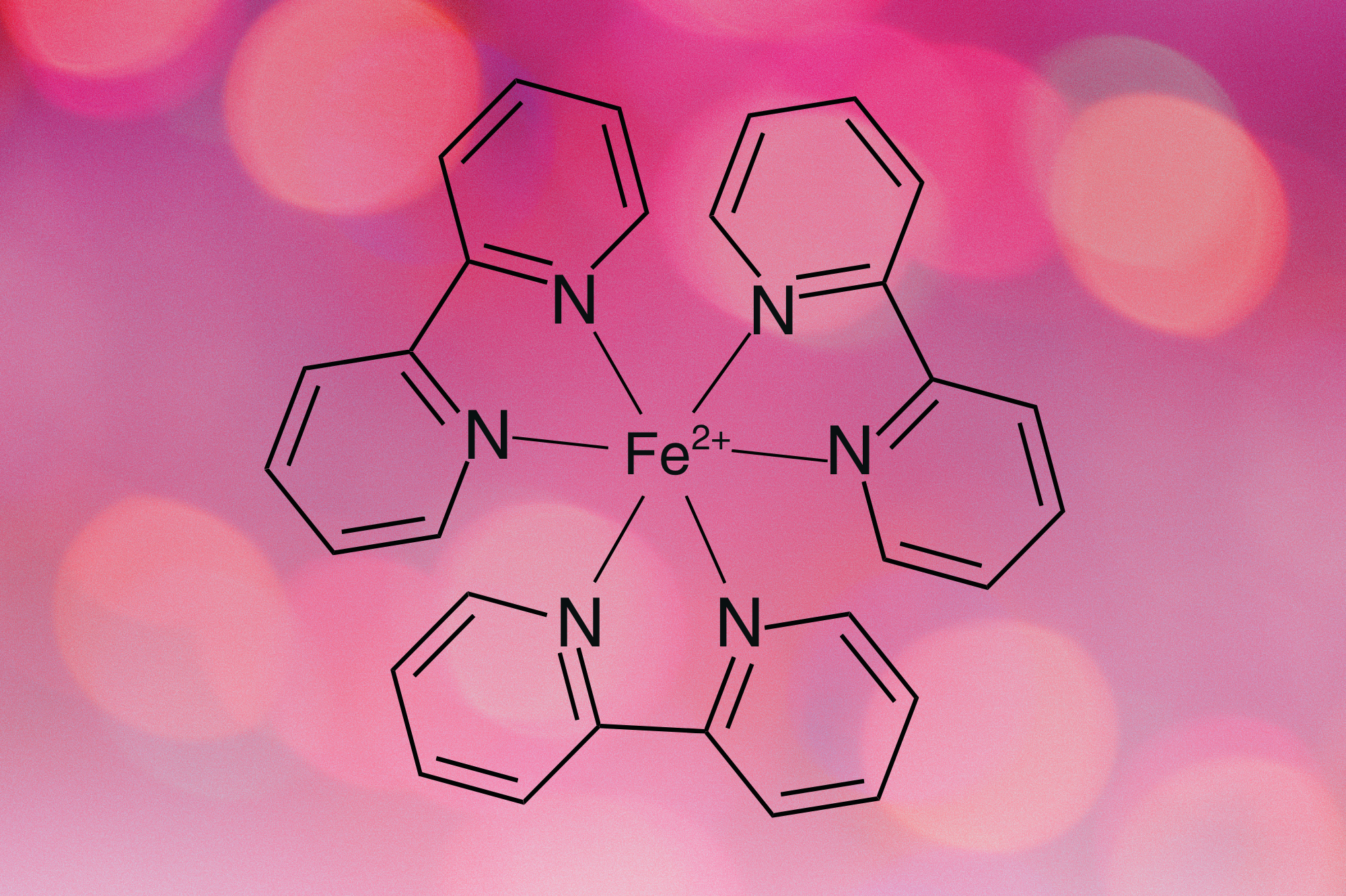
Cysteine is essential for life, but toxic in excess. A new study reveals why: free cysteine can unleash stored iron, overwhelming mitochondria and triggering a form of cell death.
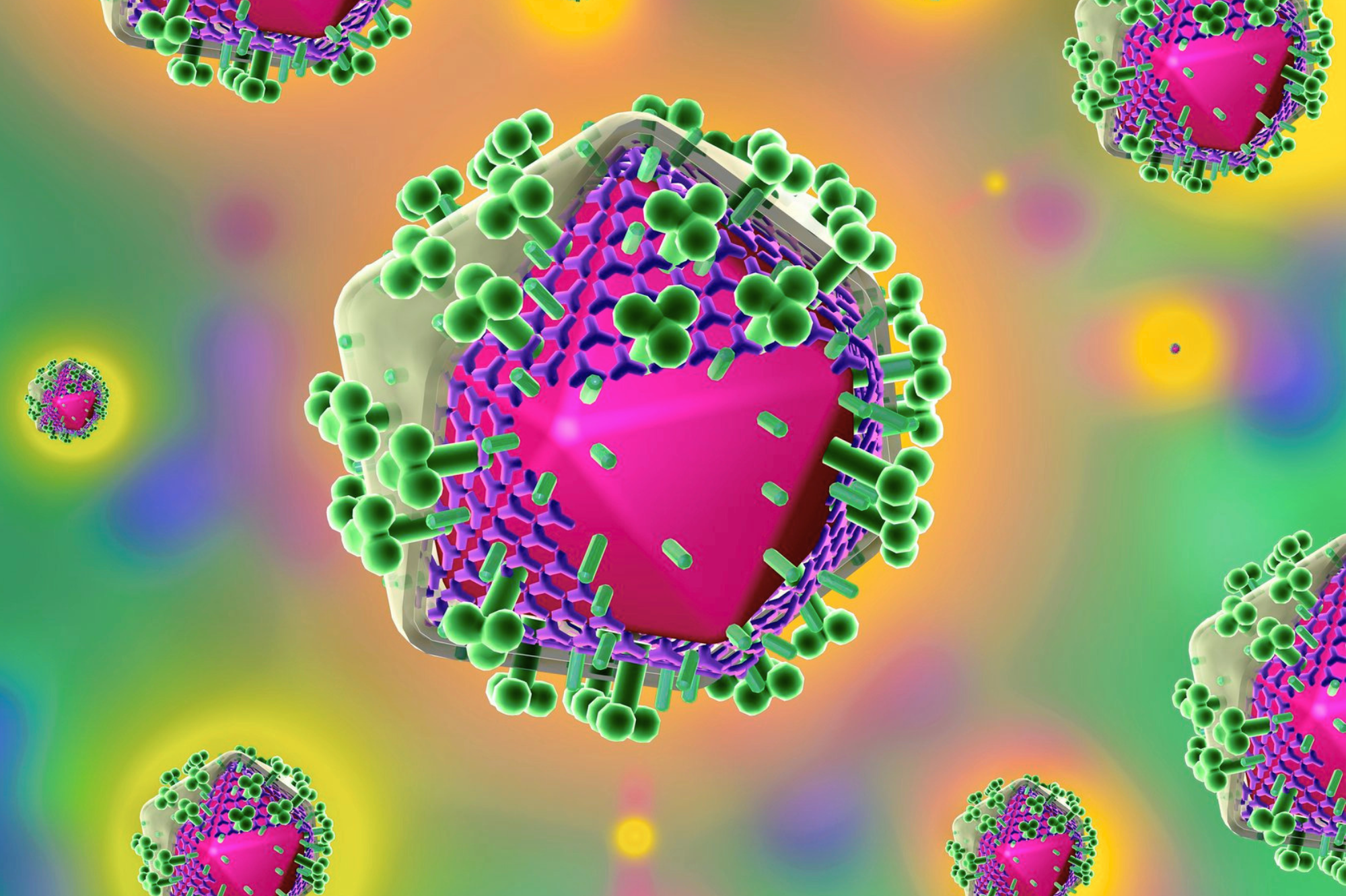
A large clinical trial shows that long-acting antibodies may work with the immune system to control HIV and help reduce the reservoir that would make lifelong treatment necessary.
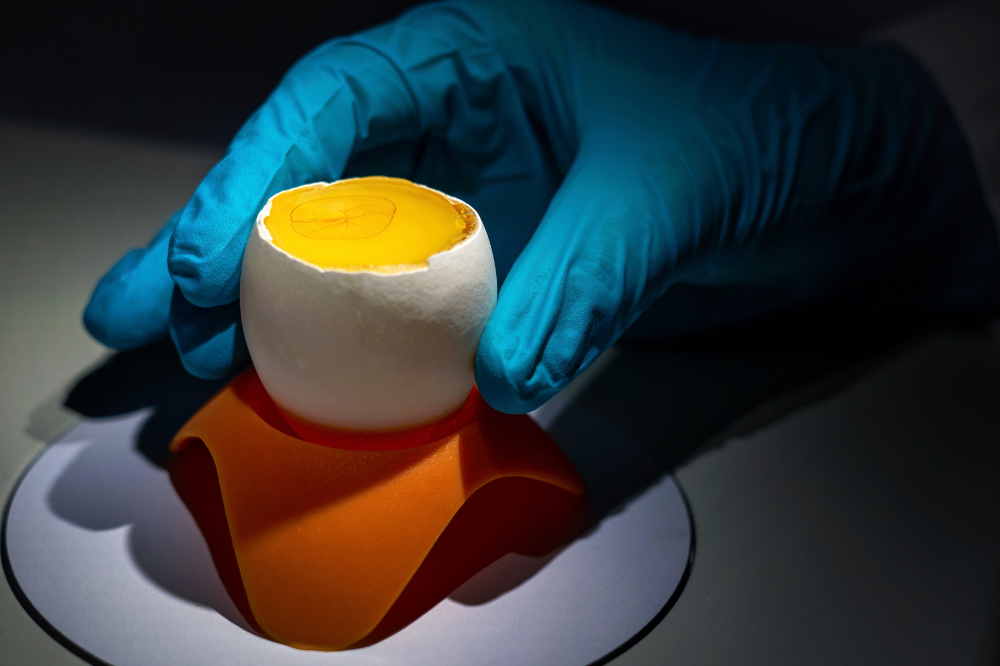
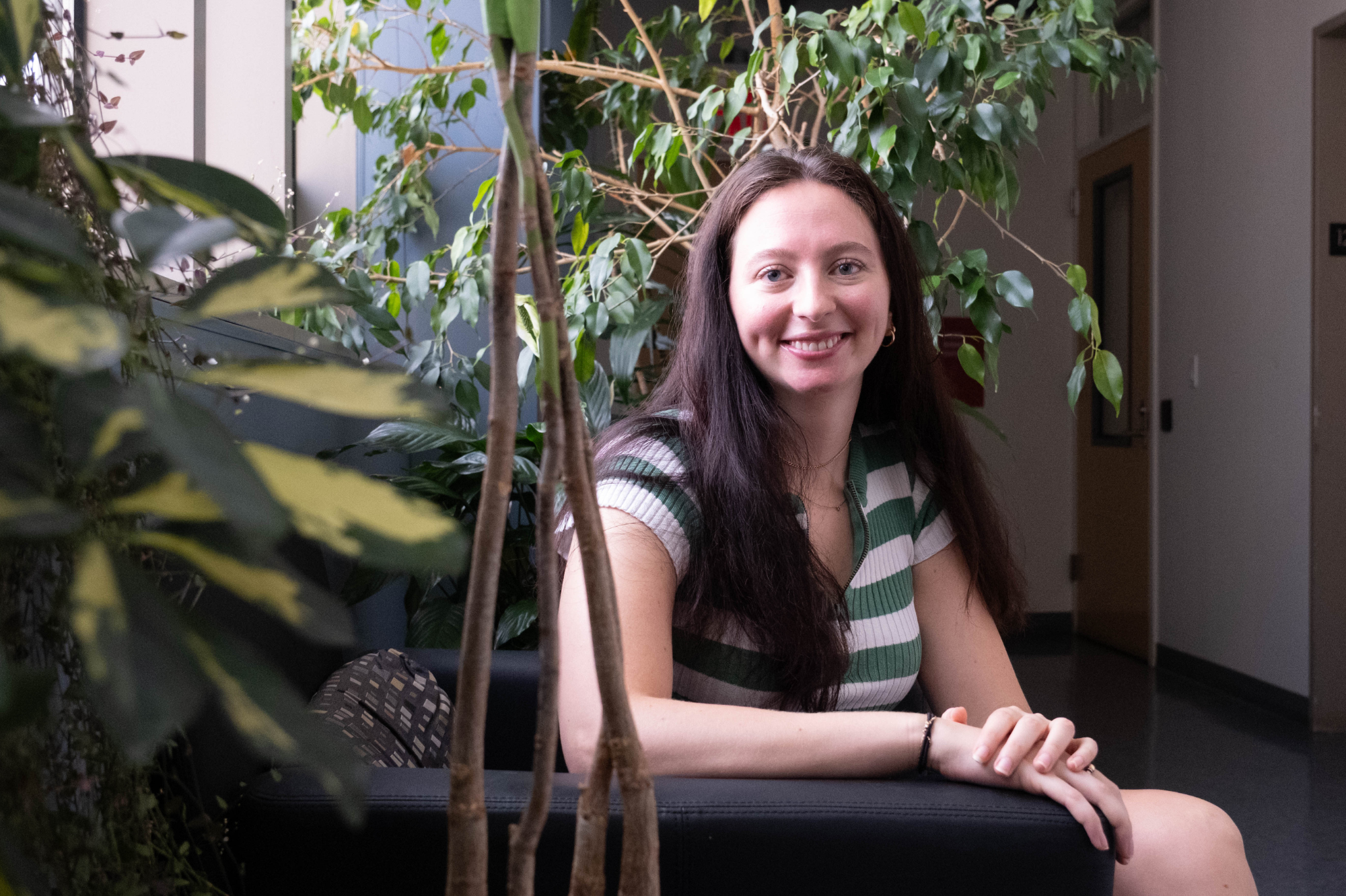
Grad student Natalie Alexander gravitated to science to feed her wide-ranging curiosity. Now she’s investigating why obesity triggers higher rates of inflammatory skin diseases.
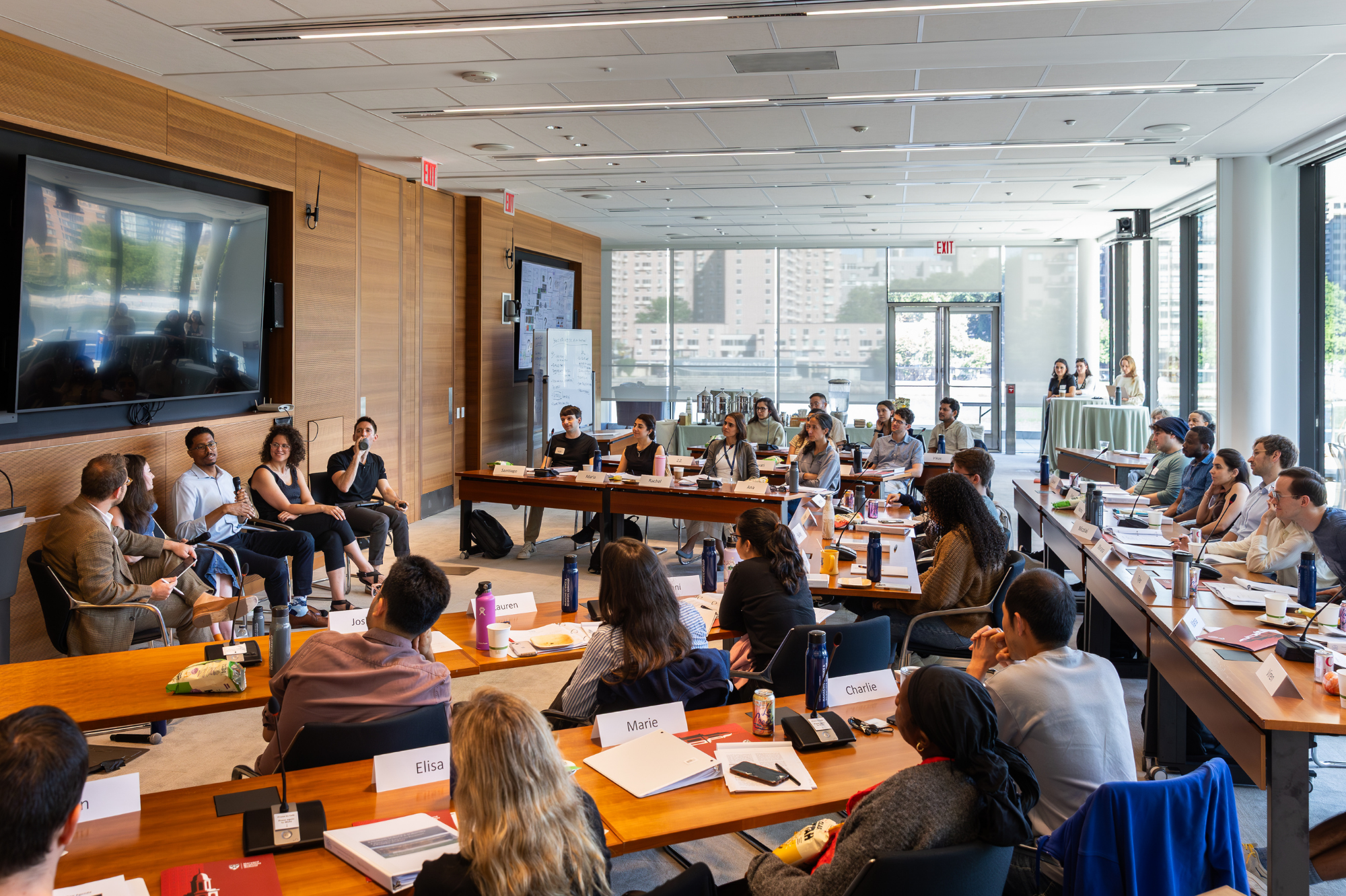
A three-day workshop equipped early-career Rockefeller researchers with skills rarely taught in graduate school, from managing laboratory operations to financial literacy and well-being.