As the Clinical Scholars Program marks a major milestone, alumni and leaders reflect on how physician-scientists have supported the university’s core mission, science for the benefit of humanity.
A newly discovered signaling network transmits advanced intelligence from distal regions of the body to the blood-brain barrier, giving the brain time to ready itself.
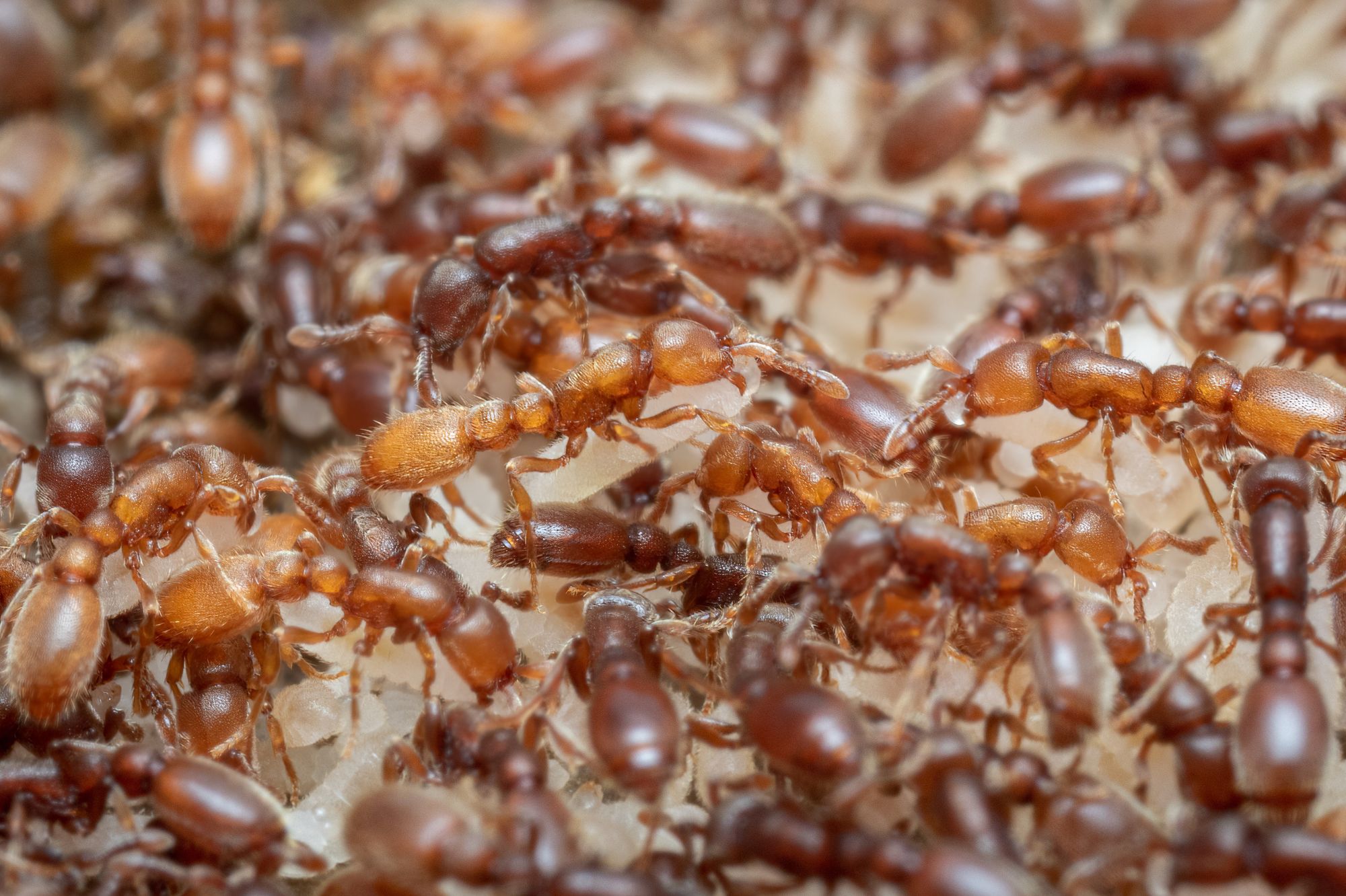
A new study suggests that caregiving behaviors are regulated by neural mechanisms that change over the course of an ant’s lifetime, a finding that offers insights into the origins of a crucial social behavior and how healthy brains age.
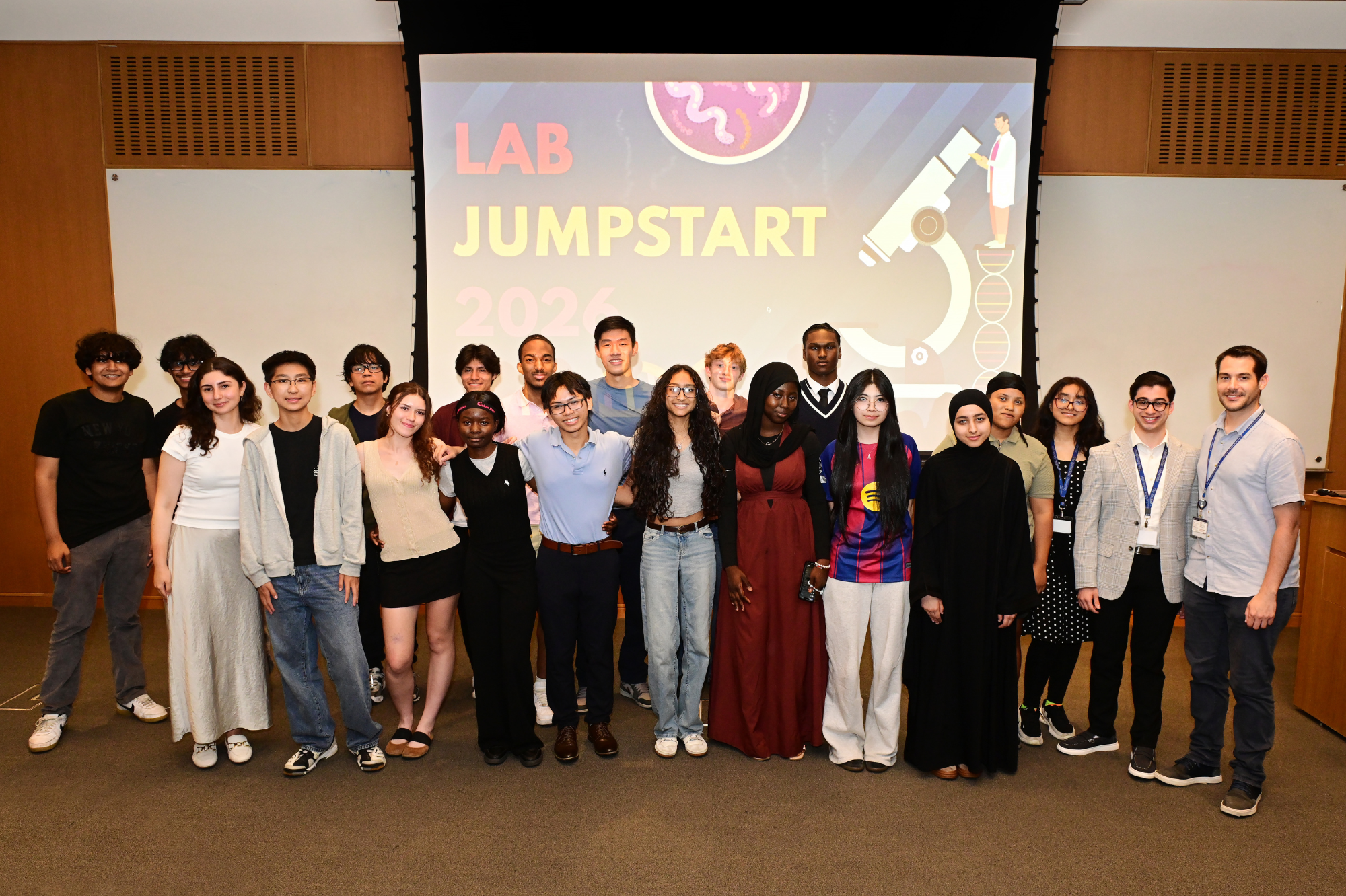
RockEDU’s long-running program gives New York City high school students access to authentic research experiences and a chance to envision themselves as scientists.
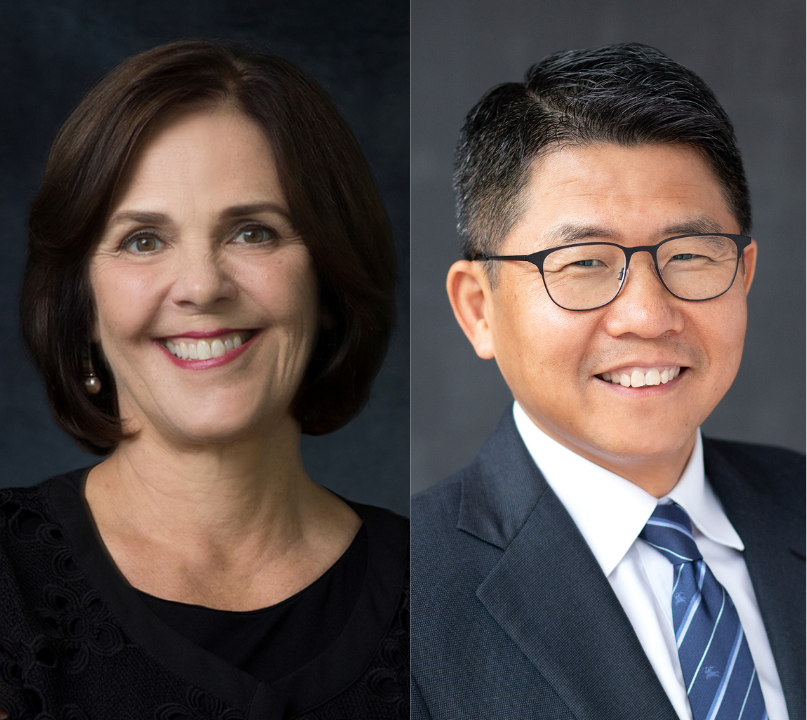
Paula Volent has elected to step back from her full-time role as vice president and CIO. Jun Yang will assume stewardship of the biomedical university's endowment starting July 1, 2026.
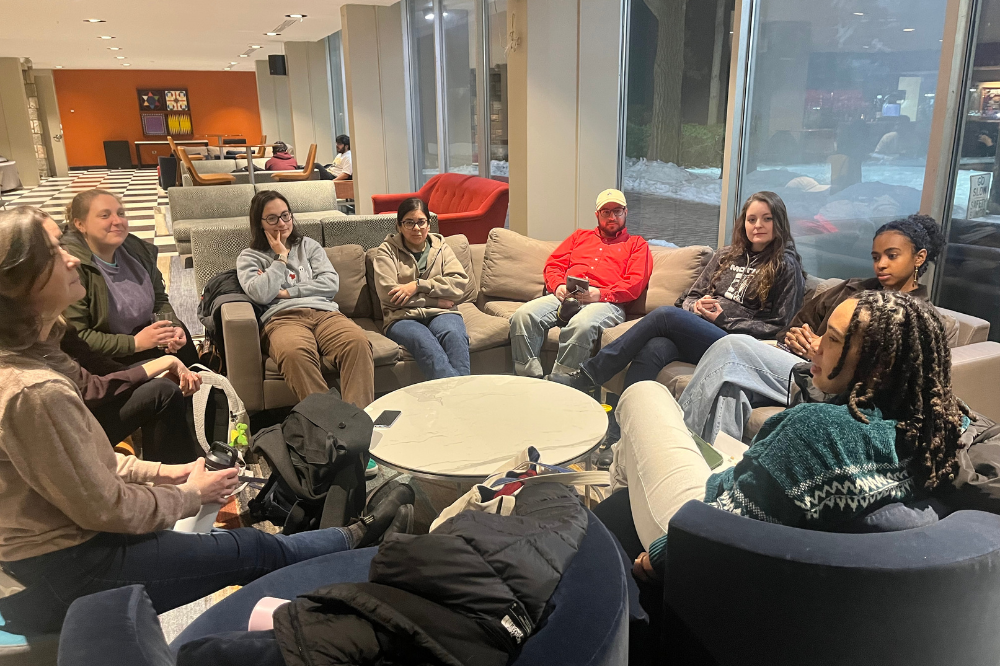
Book lovers made an unexpected connection at an Office for University Life and Community Engagement event. Now they have a club that gathers every month to read and discuss a work of sci-fi.
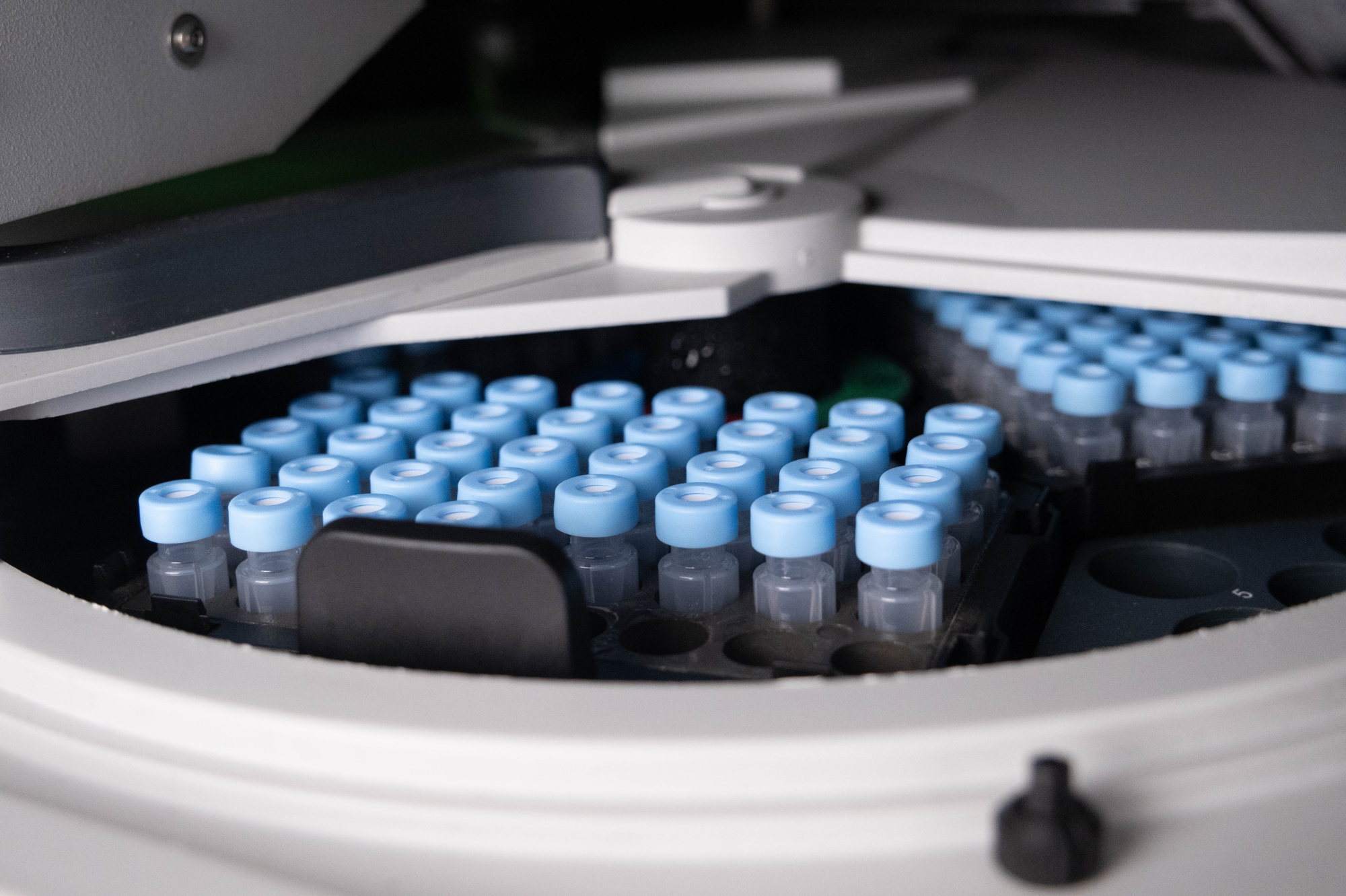
A new protein-tracing platform reveals how fat and liver cells communicate during fasting, inflammation, and obesity, and links many of those signals to human disease.