Reimagining science: a conversation about discovery, equity, and public purpose
 COPY LINK
This summer, Rockefeller scientists joined a panel of experts in Athens, Greece to address a question that begins in the laboratory but extends far beyond: what would it look like to build a science ecosystem not just for discovery, but for the widest public benefit?
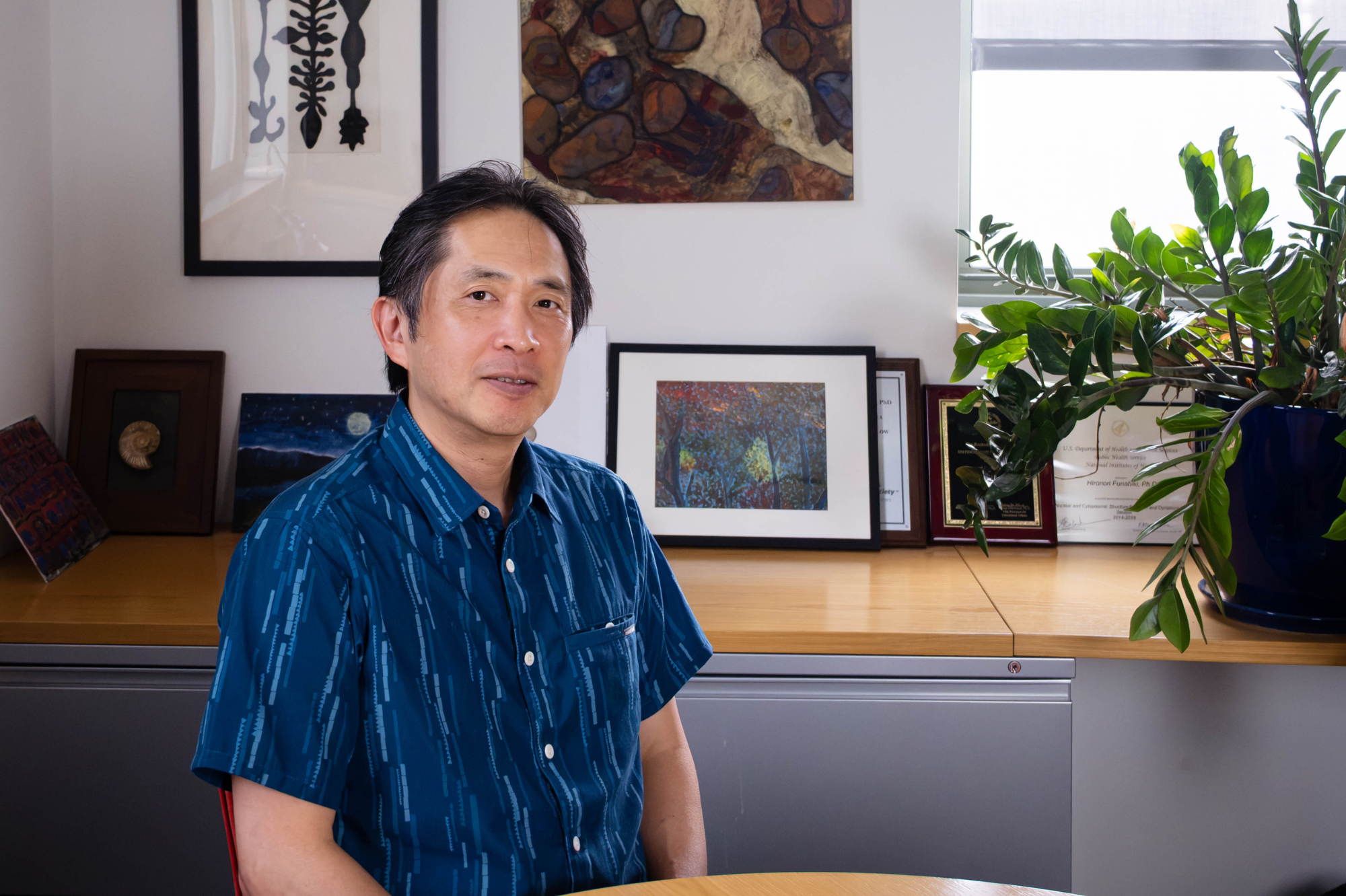
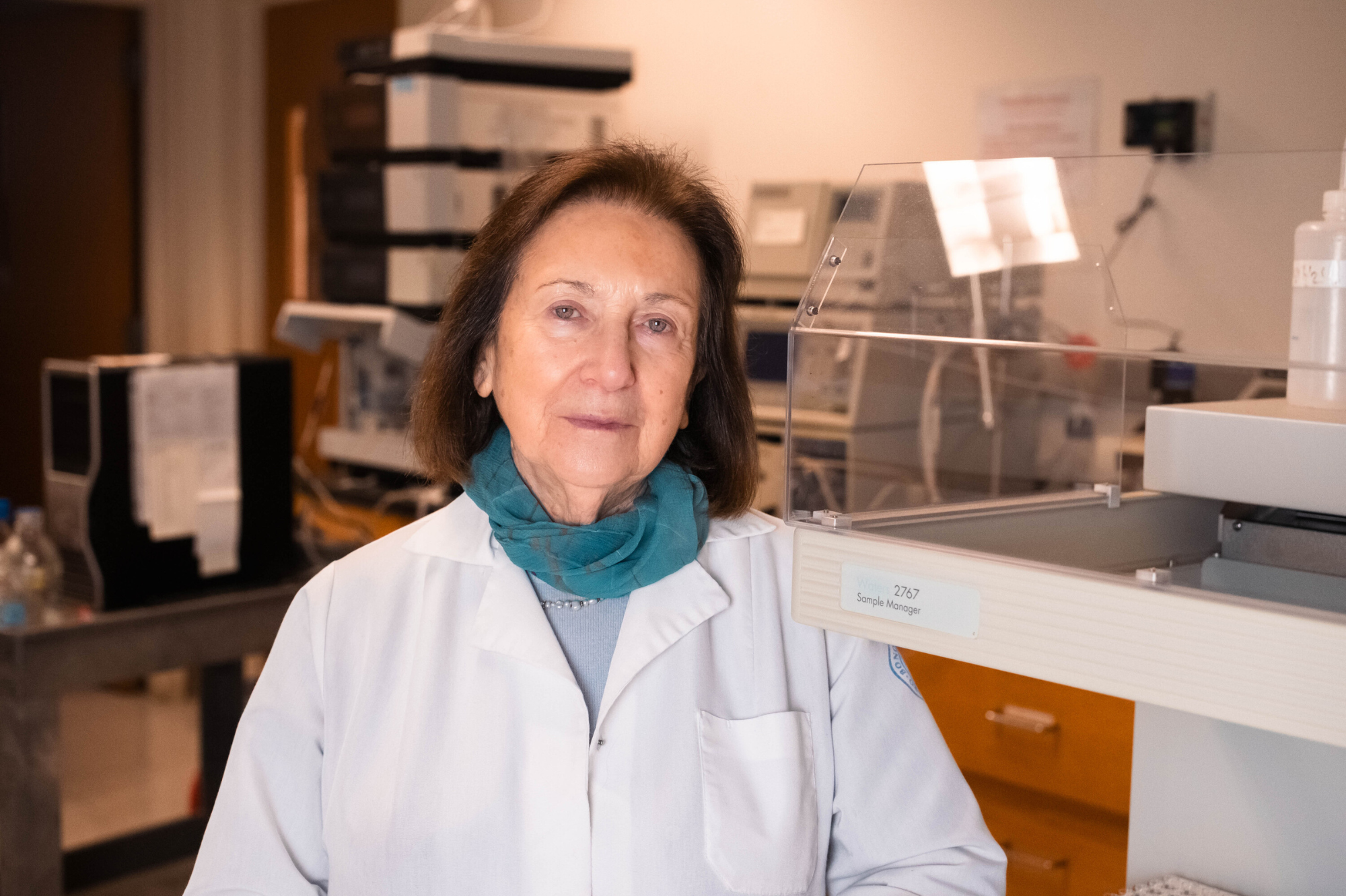
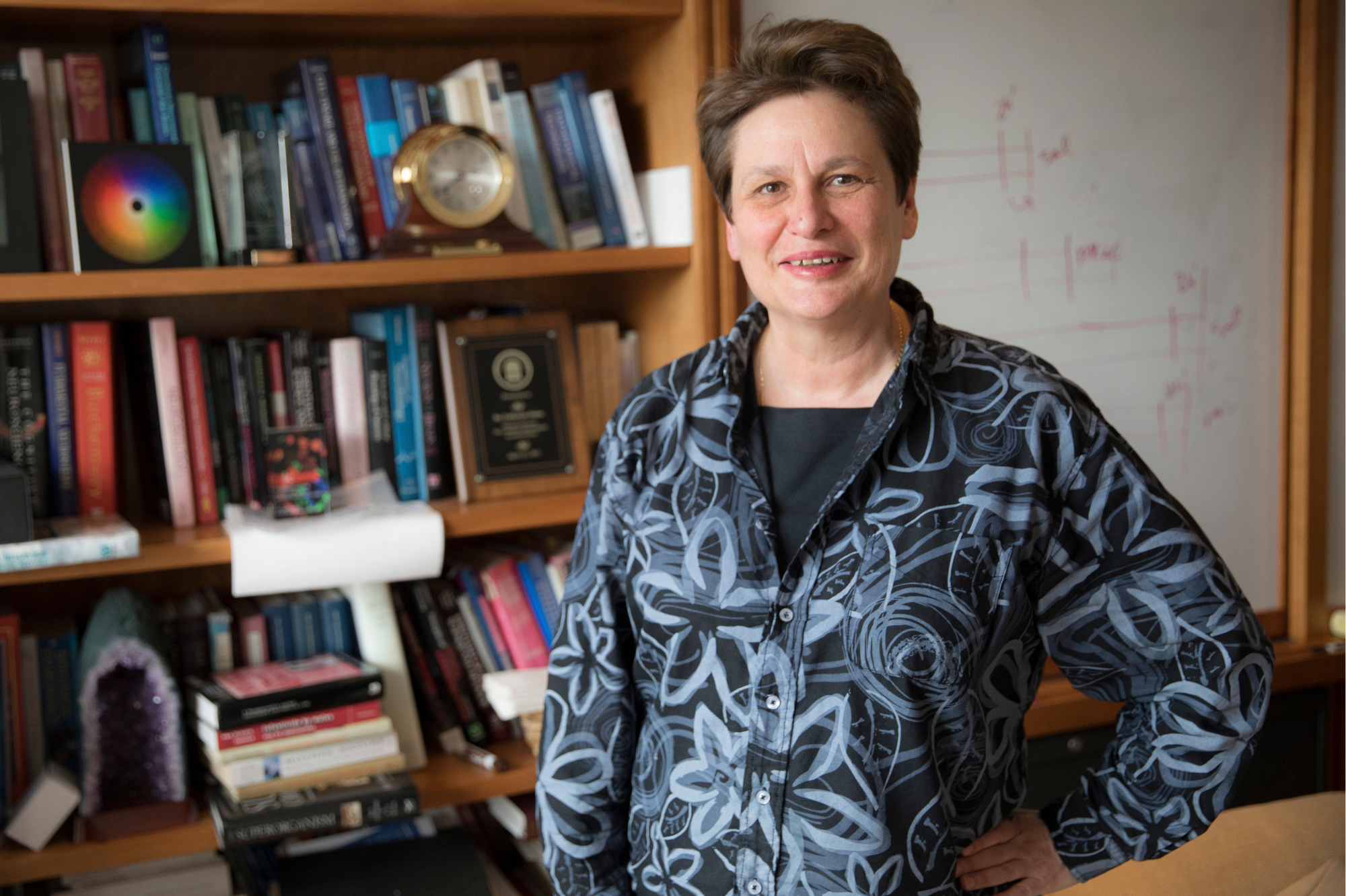
This conversation was part of SNF Nostos 2026, a weeklong gathering hosted by the Stavros Niarchos Foundation marking three decades of philanthropy. The conference included scientific discussions, musical performances, and activities, organized around four themes, or “Houses”: Arts & Culture, Civics & Education, Health & Sports, and Future. The offering curated by Rockefeller and positioned in the House of the Future, was entitled “Reimagining science: An immersive journey of discovery, equity, and public purpose.” The panel was moderated by Alicia Johnson, a postdoctoral associate at Rice University, and featured Rita Allen Foundation president and CEO Elizabeth Christopherson along with Charles M. Rice, head of the Laboratory of Virology and Infectious Disease, Barry Coller, head of the Allen and Frances Adler Laboratory of Blood and Vascular Biology, and Jeanne Garbarino, executive director of RockEDU, the university’s outreach arm.
Together, the scientists traced the path from discovery to medicine and beyond, focusing on what happens after an innovation leaves the laboratory and how to maximize its benefit.
Rice, who also directs the Stavros Niarchos Foundation Institute for Global Infectious Disease Research, spoke about his decades-long effort to understand hepatitis C, for which he shared the 2020 Nobel Prize in Physiology or Medicine. He described a scientific journey that eventually produced drugs capable of eliminating the virus in nearly everyone treated, and the disappointment he felt in realizing that the existence of a cure did not ensure its reach.
“You would think—and I thought, as a basic scientist—that it should be like flipping a switch. I mean, we’ve got something that can be administered to a person, and in basically two to three months, the virus is gone. But that’s not the reality that we live in today,” Rice said.
At the Institute, Rice has emphasized translating lab breakthroughs on numerous infectious diseases into successful treatments in real world, partly by overcoming barriers to delivery.
Coller built upon this by describing how global disparities in access to COVID-19 vaccines changed the way that he thought about scientists’ responsibilities for their discoveries. “I was really shaken by how many lives were lost because of the inability to administer the vaccine in low- and middle-income countries,” Coller said. He is now working with bioethicists at the Hastings Center on a toolkit to help scientists consider and account for global access at the earliest stages of discovery.
But maximizing the benefit of science isn’t only about ensuring access to its products. The conversation then shifted to who participates in science, and how the people and communities involved in shaping research can influence the questions scientists ask and the problems they choose to solve. Garbarino described how her work at RockEDU has led her to think more broadly about what it means for science to benefit humanity, which has served as Rockefeller’s motto for 125 years. ” Over the years, I … came to believe that benefit is not only about who receives the outcomes of science,” Garbarino said. “It’s also about who gets to shape it.”
“The answers to these questions are shaped by the systems we build around science,” she continued. “And that’s not just that a Rockefeller or RockEDU question. It’s a question for every institution that conducts science, funds science, teaches science or relies on science to help shape our collective future.”