Our Impact
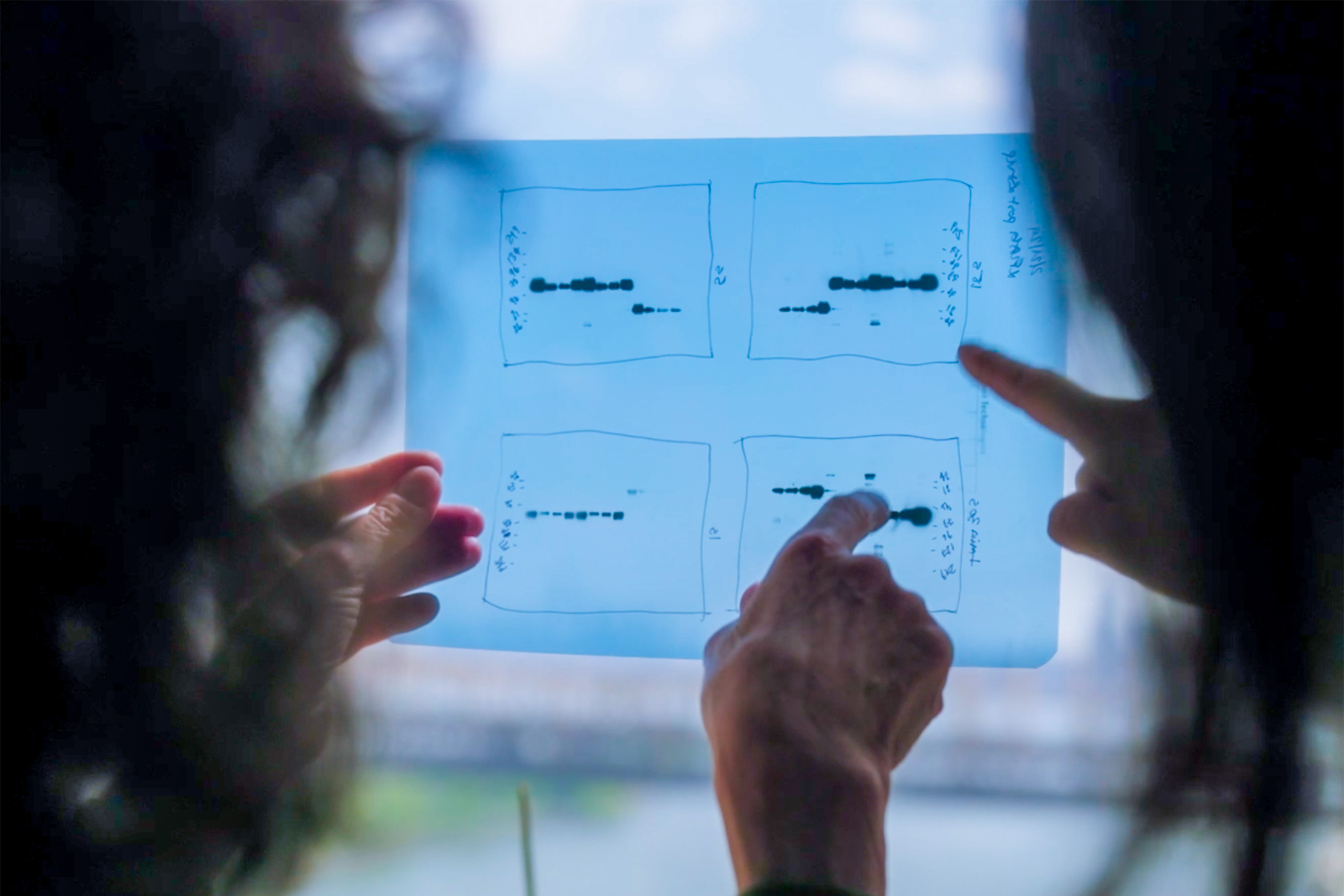
From the beginning, Rockefeller has embraced a bold idea: that the pursuit of science—when guided by curiosity, rigor, and purpose—can lead to a healthier, more humane world.
Founded in 1901 as the nation’s first biomedical research institute, the university reimagined what a scientific institution could be. With a singular focus on understanding the fundamental mechanisms of life, Rockefeller empowered scientists to follow their best ideas—wherever they might lead—and set a new standard for biomedical research in the United States.
This approach has yielded extraordinary results. Rockefeller researchers have demonstrated that DNA is the molecule of heredity, a discovery widely regarded as the most important biological finding of the 20th century. Others uncovered the ABO blood groups that made transfusions possible and developed the first vaccine for meningitis. More recently, our scientists helped pave the way for gene editing through CRISPR and treatments for Type 2 diabetes and obesity based on the discovery of the hormones leptin and GLP-1.
Their work has reshaped biology and medicine, deepening our understanding of cancer, HIV, neurodegenerative diseases, and cardiovascular conditions, offering new paths to prevention, treatment, and cure.
In our 125-year history, just 256 faculty members have held appointments—yet their work has been recognized with 26 Nobel Prizes, 26 Lasker Awards, and nearly every other major honor in the life sciences.
This kind of science happens in a distinctive environment. At Rockefeller, there are no traditional departments or rigid hierarchies. Scientists collaborate freely, take intellectual risks, and pursue questions with answers that may lie years in the future.
We’ve also built a community that values mentorship, intellectual curiosity, and long-term investment in both people and ideas. That includes the next generation: the David Rockefeller Graduate Program—celebrating its 70th anniversary—is a vital part of university life, giving students the opportunity to work side by side with faculty in a culture that prizes both independence and shared purpose.
As we celebrate our 125th anniversary, we remain committed to the enduring principles that have guided us from the start. The questions our scientists are asking today—about memory, metastasis, infection, and immunity—will shape tomorrow’s breakthroughs. And while the challenges ahead are complex, science guided by rigor and imagination remains essential to uncovering truth and advancing the betterment of humanity.
Richard P. Lifton
President, The Rockefeller University
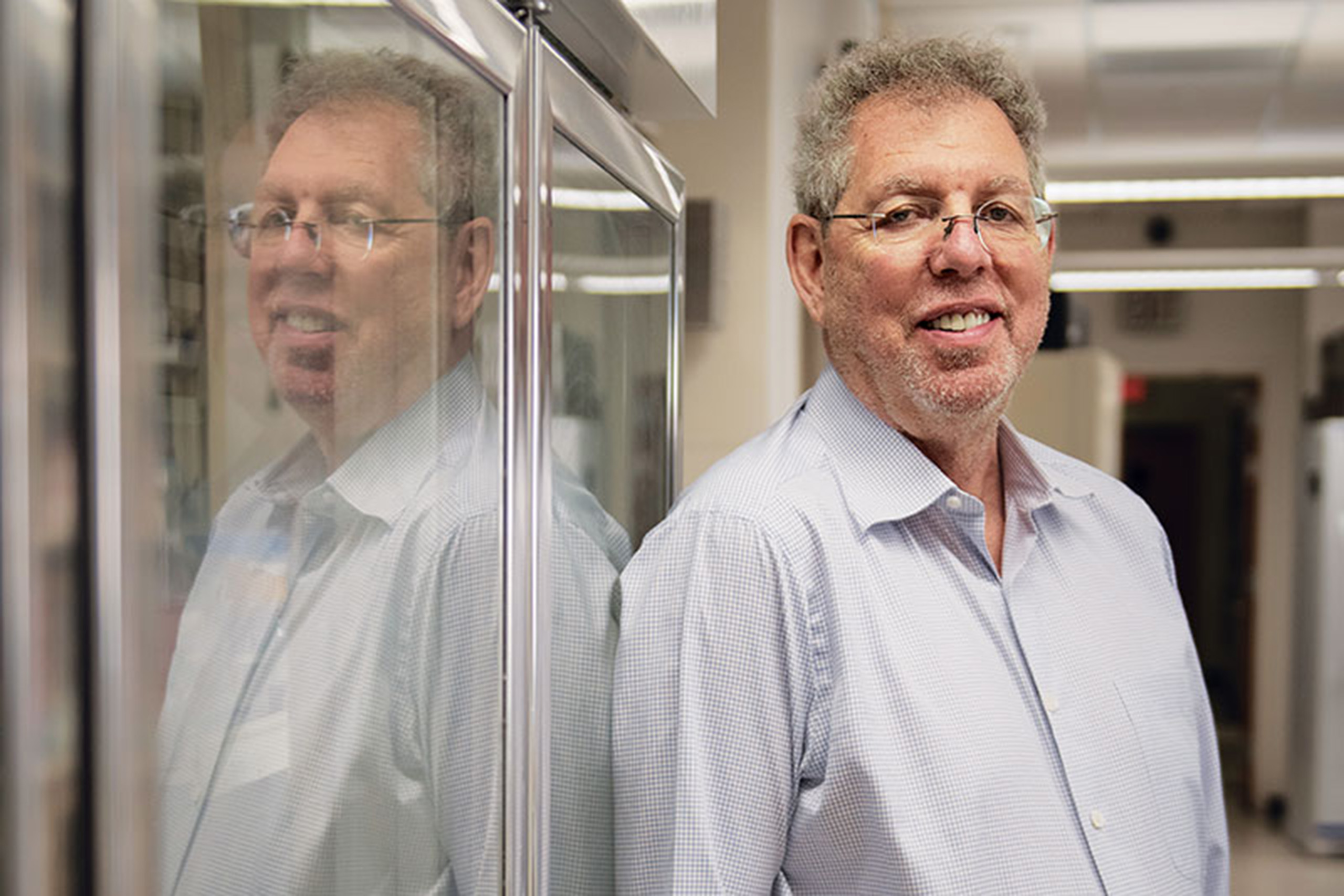 Other work at Rockefeller in Jeffrey Friedman’s laboratory has revealed the causes of obesity. Friedman, who is Marilyn M. Simpson Professor and head of the
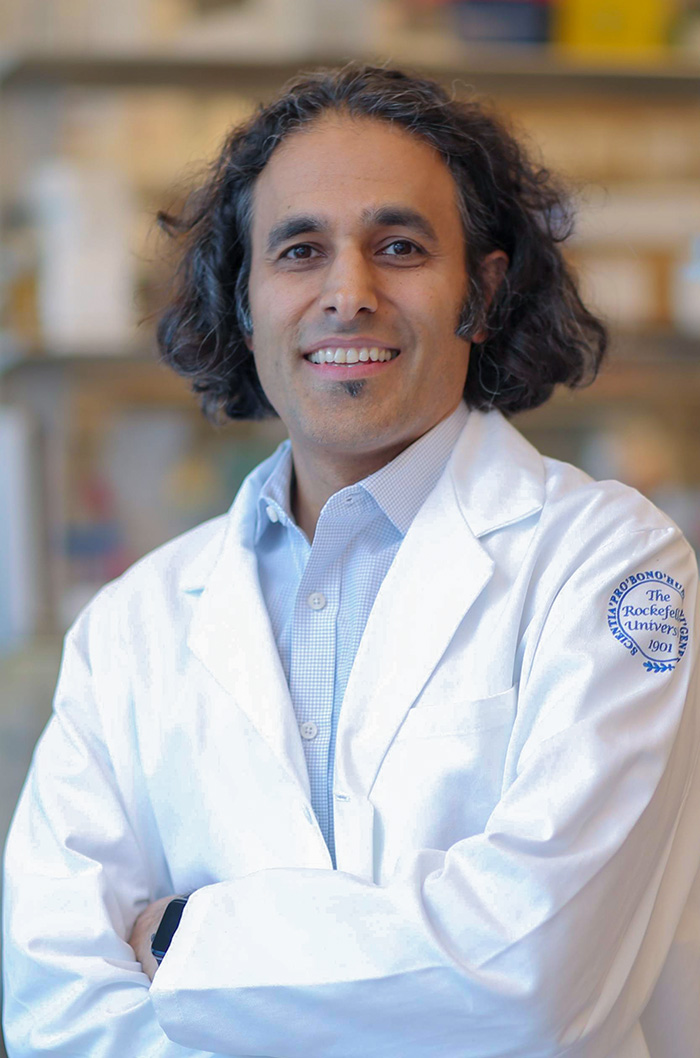 More recently, the Tavazoie lab found that a variant of the gene PCSK9 may spur breast cancer’s spread, and that an approved antibody may stop it. “The next step is to conduct clinical trials to determine whether the antibody could help prevent cancer spread or improve survival in patients who already have metastatic breast cancer,” says Tavazoie.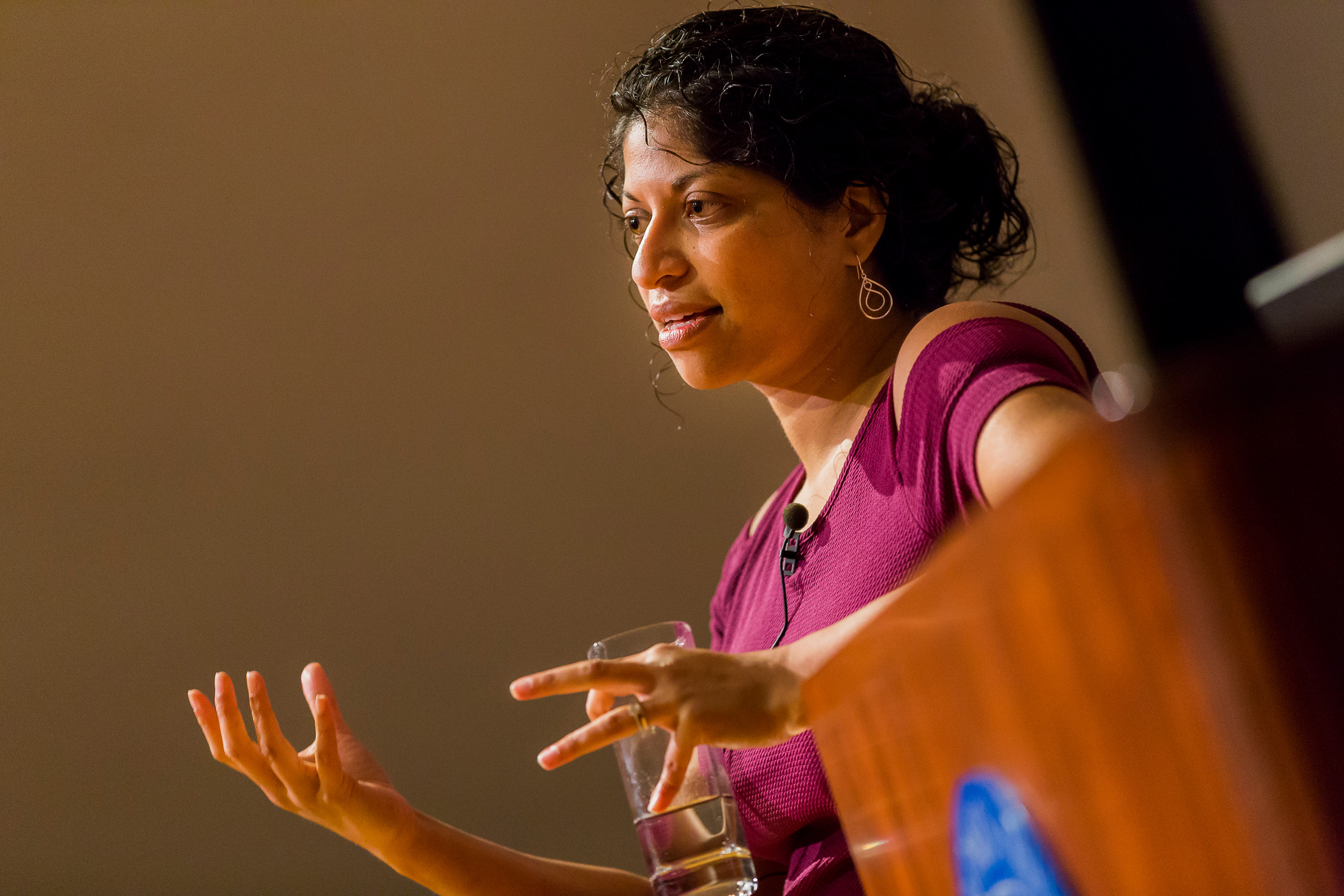
 Rajasethupathy’s experiments, including those in which she maps activity in multiple areas of mouse brains simultaneously as they explore mazes, have shown that huge numbers of interacting neurons, spread across various brain regions including the thalamus, accumulate evidence and feed each other information before ultimately arriving at a remembrance. These experiments have also identified a sequential set of molecular timers that allow memories to be maintained for progressively longer periods of time. One of the earliest to be turned on is a gene expressed at high levels in the thalamus of mice who excelled in memory tasks.