Across fields as diverse as evolution, mechanobiology, and antibiotic discovery, here are some of the intriguing discoveries that came out of Rockefeller in 2025.

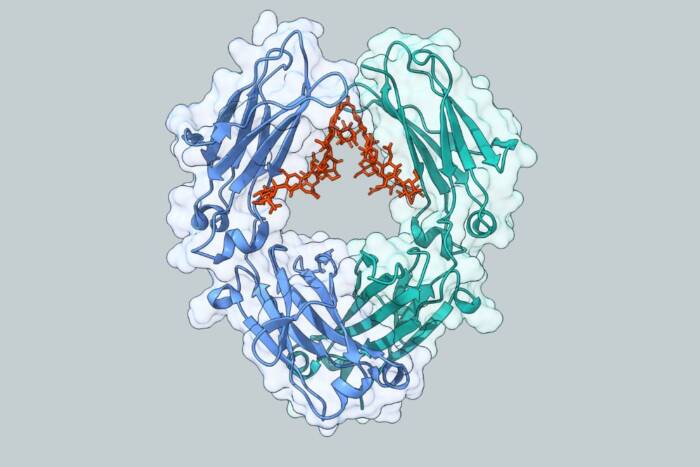
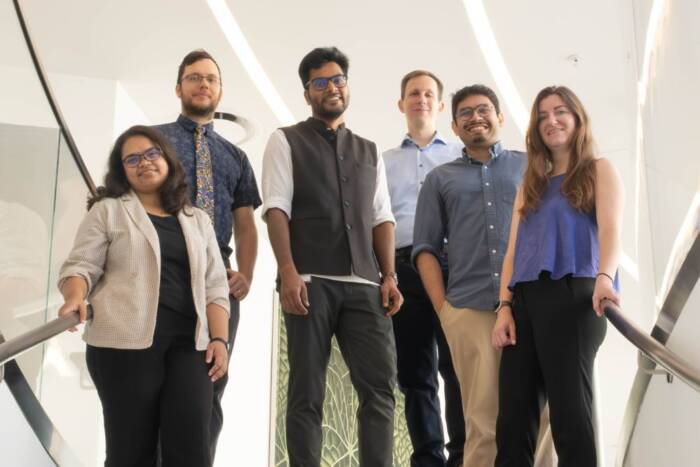
Researchers found that pairing the antibiotic rifampicin with a second compound turned multidrug resistance into a weakness—providing proof of concept for using basic science to design life-saving dual-drug strategies.

Covering topics from osteoarthritis to neurodevelopment, the inaugural symposium of the Marlene Hess Center showcased research that illuminates how biological sex shapes health and disease.

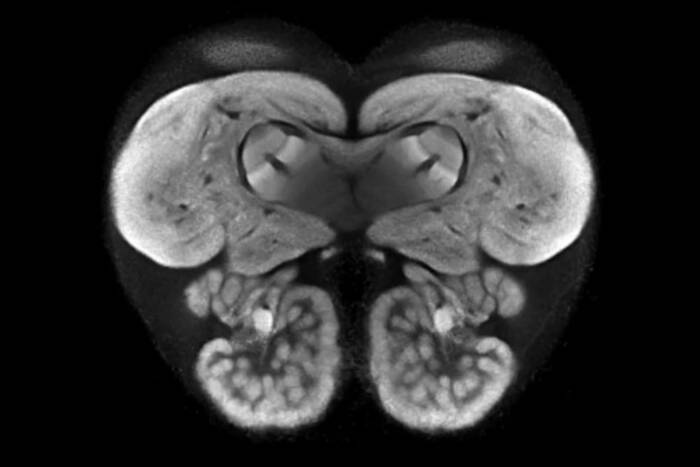
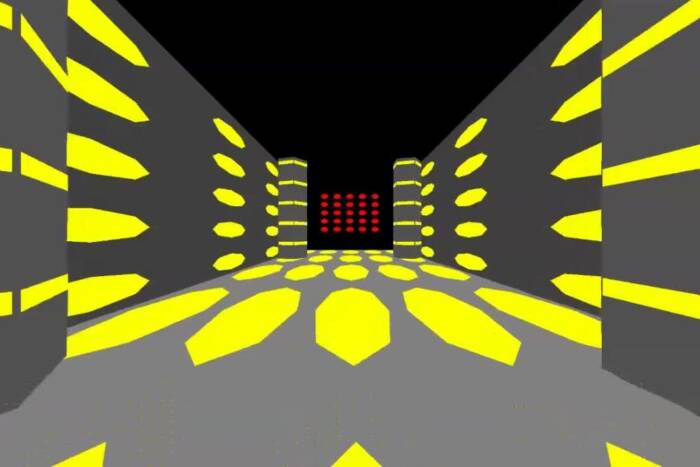
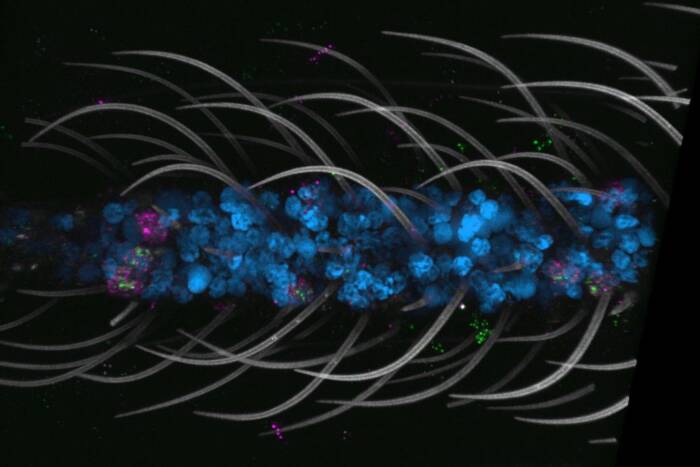
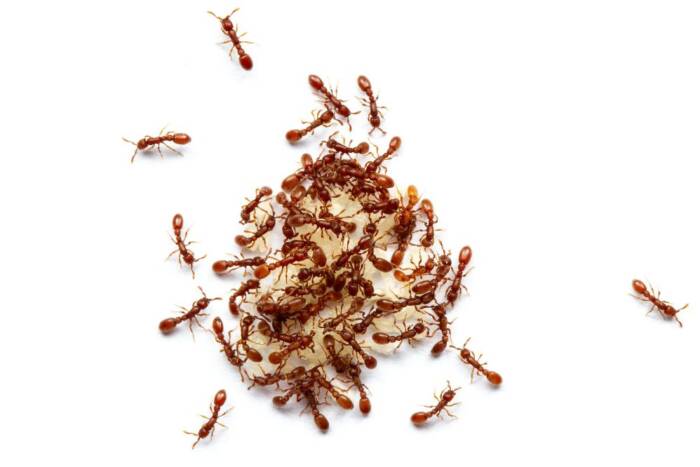
Researchers created this first-of-its kind map by merging 40 ant brains into one.

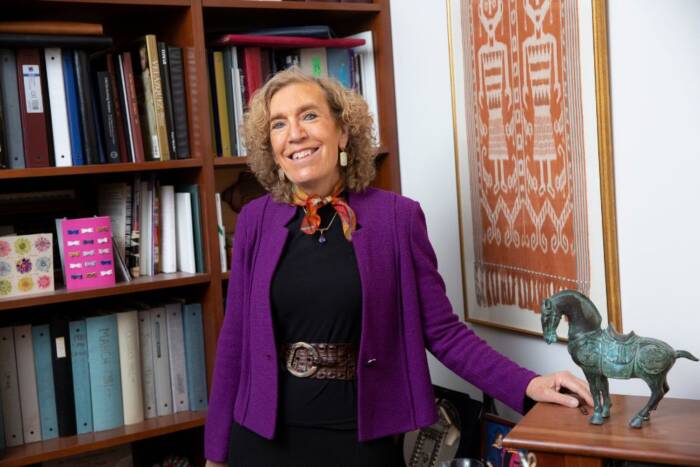
Elaine Fuchs has spent decades uncovering why our bodies are so good at regenerating skin—and how we might harness that understanding to combat illness, hair loss, and possibly the aging process itself.

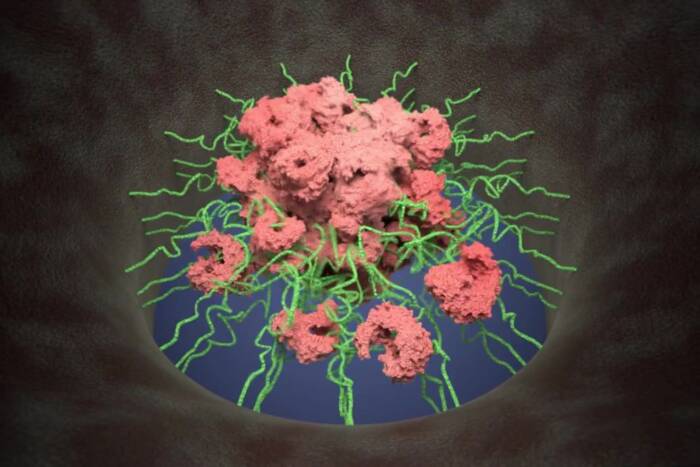
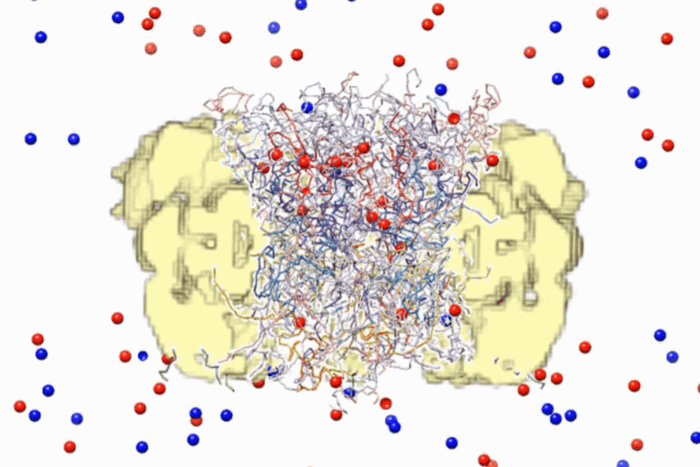
A new study reveals that nuclear pore complexes—tiny gateways in a cell’s nuclear membrane—are governed by dynamic action.

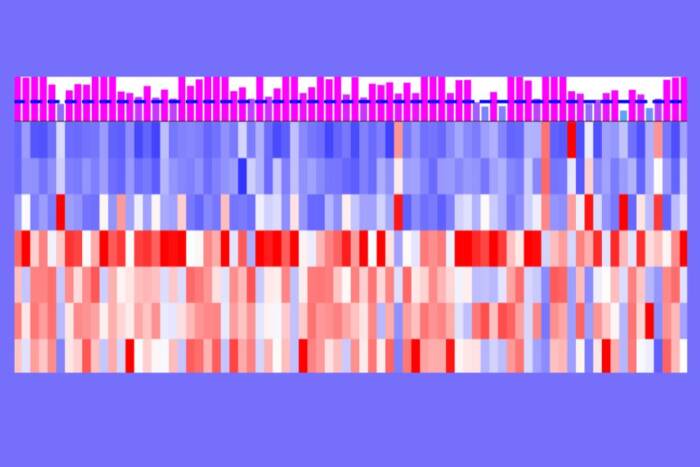
Replicative aging of human cells, the result of telomere shortening, is slower at physiological oxygen than at atmospheric oxygen, a difference now shown to be due to low oxygen impairing the ATM kinase response to withered telomeres.

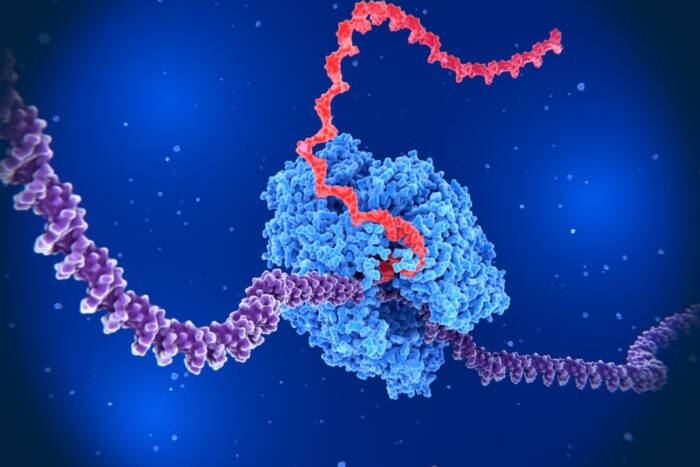
A first-of-its-kind platform reveals how the molecular machine that turns DNA into RNA controls the speed of transcription.

Neuroscientists have long posited that memory functions like an on/off switch—either your brain remembers something or it doesn’t. Priya Rajasethupathy’s team discovered why the truth is more complicated.

New research reveals a cascade of molecular timers unfolding across the hippocampus, thalamus, and cortex determine whether short-term impressions consolidate into long-term memory, with implications for memory-related diseases.

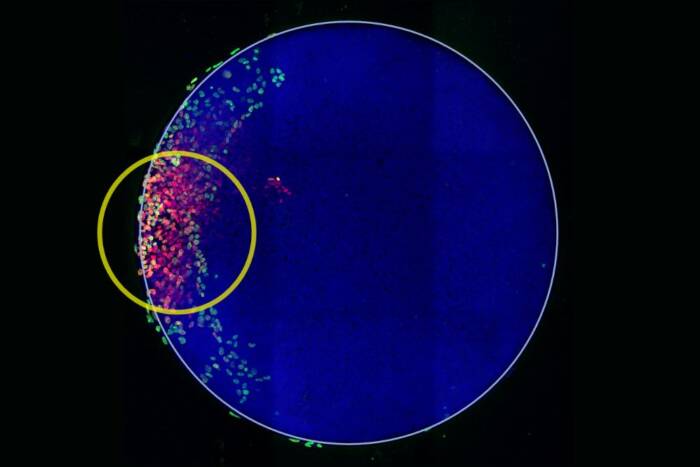
Scientists used light-inducible gene expression to demonstrate that formation of the body axes in human embryo models requires an interplay between chemical cues and mechanical forces.

When under cellular stress, breast cancer cells turn on genes that promote tumor growth and stress resistance.

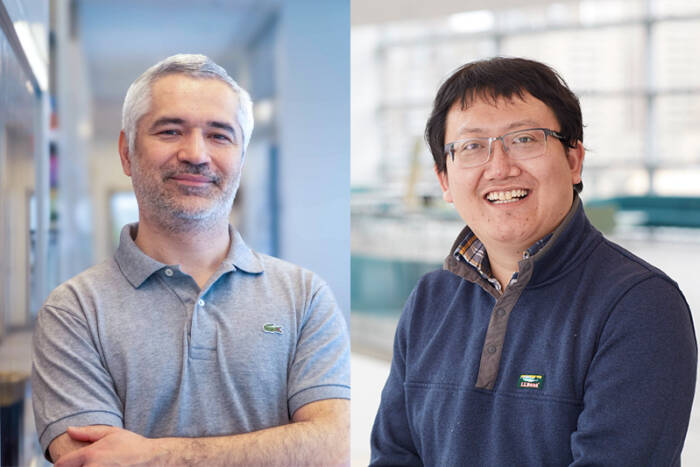
Birsoy has been promoted to professor with tenure and Junyue Cao has been promoted to associate professor. In addition, Birsoy has been named the Joseph L. Goldstein Professor.

According to the 2025 CWTS Leiden Ranking Open edition of over 2,800 universities from 120 countries, Rockefeller has the highest percentage of most frequently cited scientific publications.

Nuvig, a biotech company cofounded by Jeffrey Ravetch, has launched phase two trials and raised $200 million.

The discovery could greatly improve patient experience and address supply shortages.

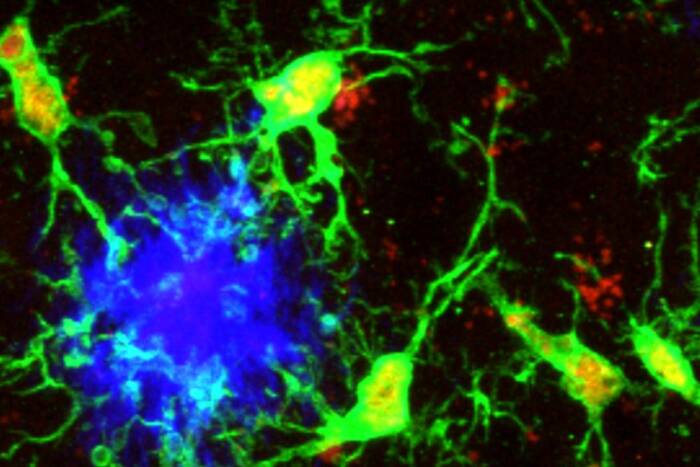
A newly identified molecular pathway shifts microglia into a protective state, and may lead to Alzheimer's therapies that can reprogram the brain’s own immune defenses.

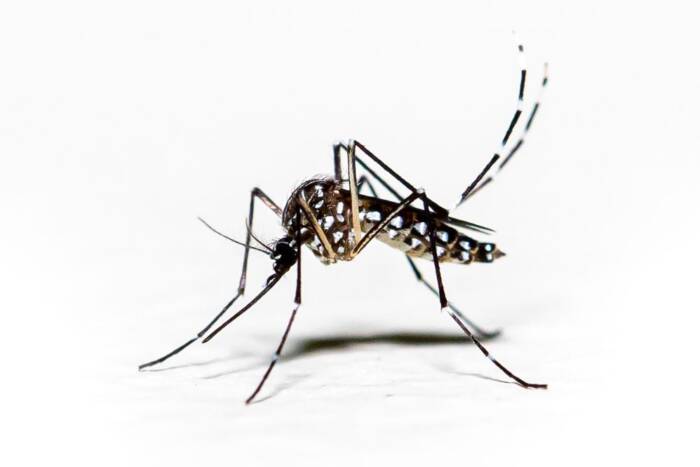
The global effort, led by Rockefeller University, just made the most dangerous animal in the world a lot easier to study—and perhaps defeat one day.

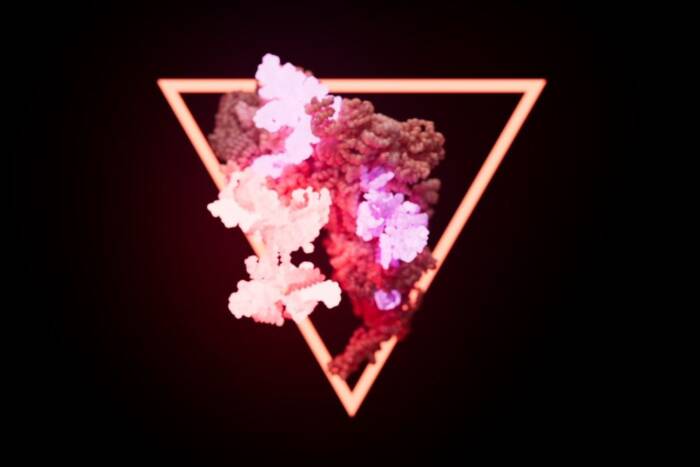
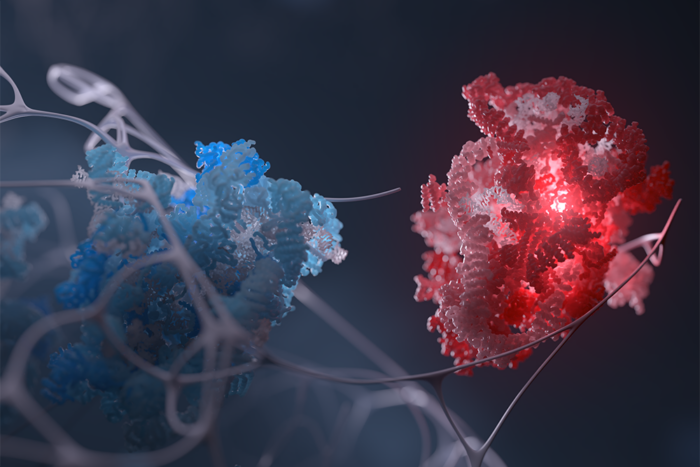
Using AI and other cutting-edge techniques, researchers have captured the first near-continuous "molecular movie" of ribosome formation—revealing, frame by frame, how cells build the protein factories that make life possible.

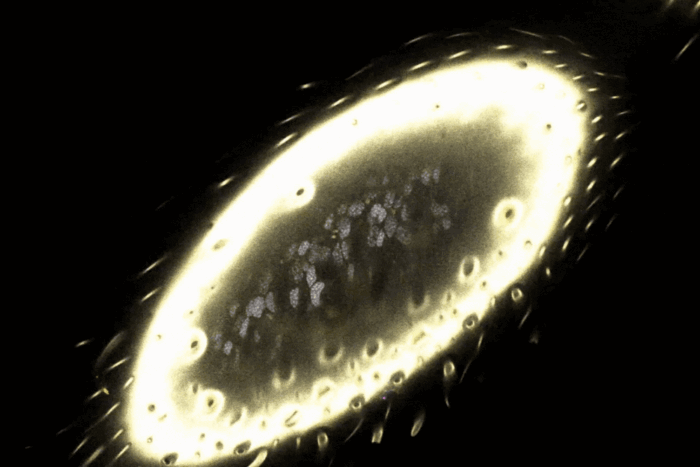
Researchers have discovered the first evidence of what happens when a female mosquito chooses to mate for the one and only time in her life.

Scientists discovered that a subtle behavior by the female mosquito dictates whether mating is successful.

Bonilla is the first Rockefeller scientist to be named a Hrabowski Scholar. The program invests in exceptional early-career scientists, providing salary and generous support for research and equipment for five years.

Scientists solve the long-standing mystery of how nuclear pore complexes make split-second decisions about which molecules to allow to pass through their molecular gates.

Friedman is recognized for his discovery of the hormone leptin, establishing a biological basis for obesity.

After decades operating off campus, the university’s scientific publishing arm has a sunny new office on the top floor of Weiss. 

Rockefeller’s new Community Connections Lunch Series invites colleagues to take a break, meet new people, and share in a sense of belonging.

Greg Alushin is decoding how the body’s building blocks sense and respond to force, with implications for everything from cancer to developmental disorders.

There are a variety of ways to participate in the wildly popular sport on campus.

Scientists have revealed a previously unknown form of ofaction gene regulation that may be broadly shared across insect species—opening up a new window into studying connections between genes and social behaviors.

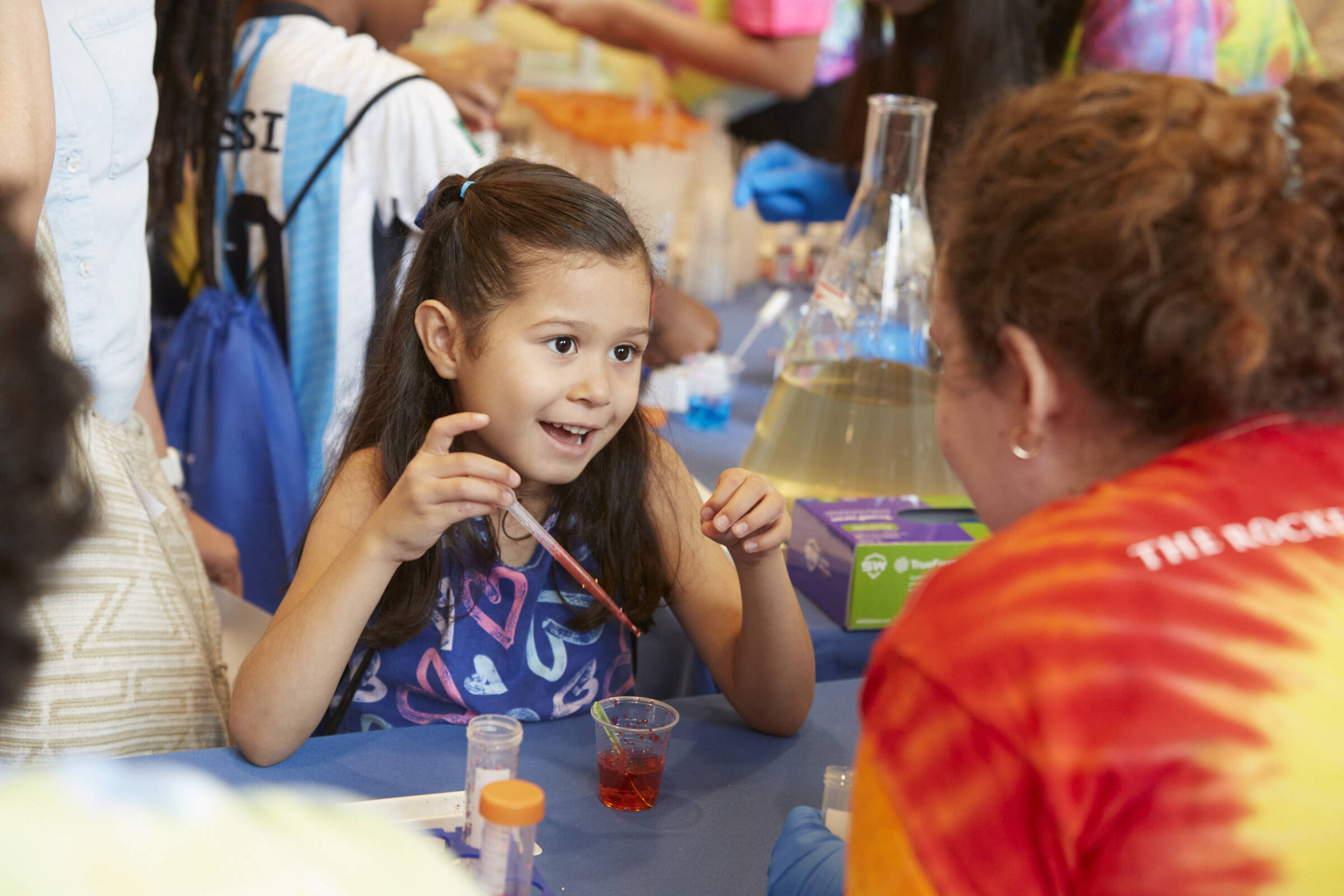
RockEDU’s annual festival for kids in kindergarten through grade eight, drew another excited and energized crowd.

By boosting a single protein, PI31, Rockefeller scientists restored a cleanup system in the brain—preventing neuronal degeneration and extending lifespan in flies and mice, and potentially pointing toward a new strategy for treating Alzheimer's and related disorders.
The popular chamber music series, featuring acclaimed artists performing in Caspary Auditorium, returns on September 30.

In celebration of National Postdoc Week, we spoke with several young scientists around campus about life at Rockefeller.

New study reveals a previously unknown mechanism that ensures that each olfactory neuron expresses only one odorant receptor, with broad implications for the study of gene regulation.

Boosting PI31 has been shown to head off Parkinson’s-like disorders and extend lifespan in fruit flies and mice, pointing to a possible new therapeutic target for treating rare neurodegenerative diseases, as well as more common disorders, such as Alzheimer's.
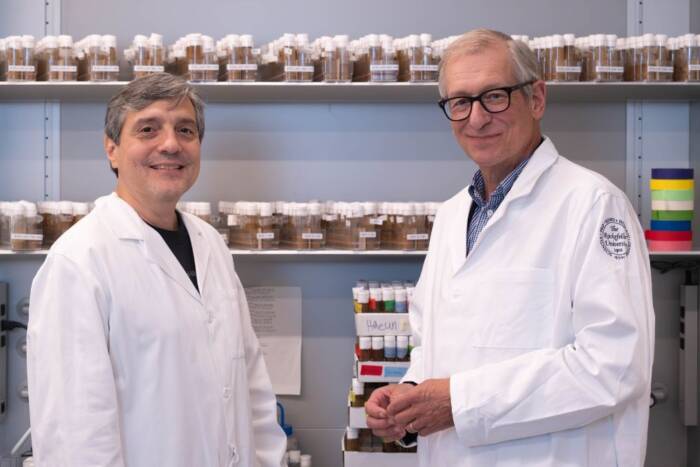
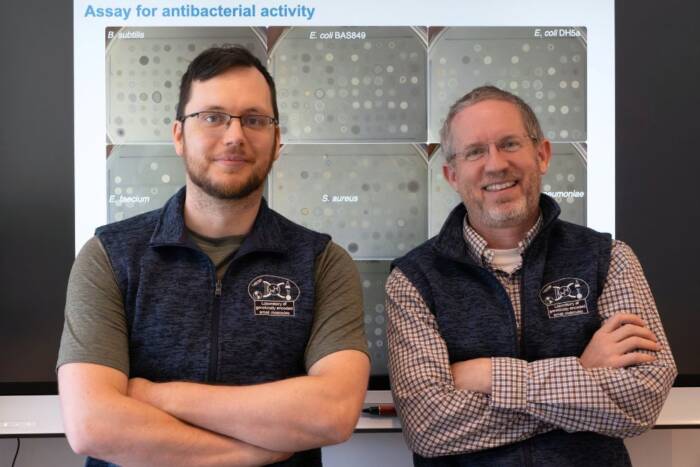
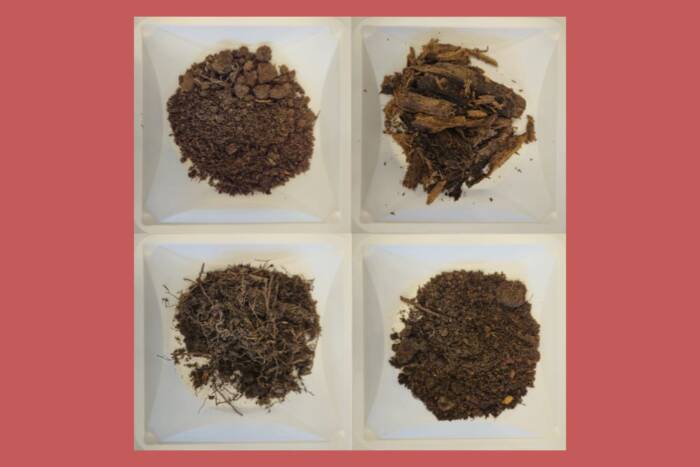
Their newest technique has already uncovered hundreds of hidden bacterial genomes and two promising antibiotics. Now, the same approach could unlock an entire microbial universe—reshaping drug discovery and our understanding of how bacteria shape our environment.
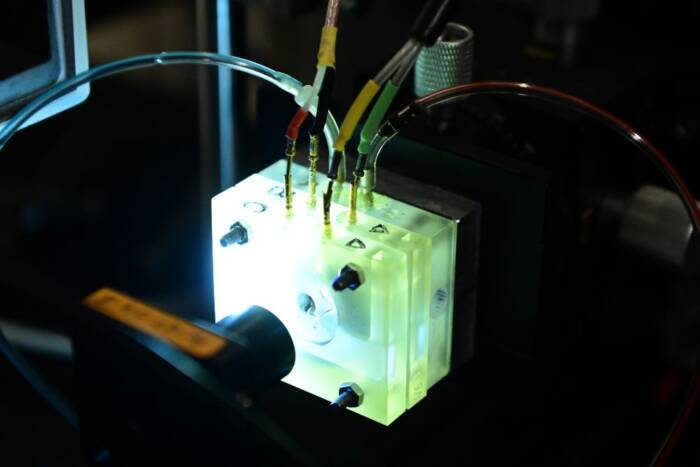
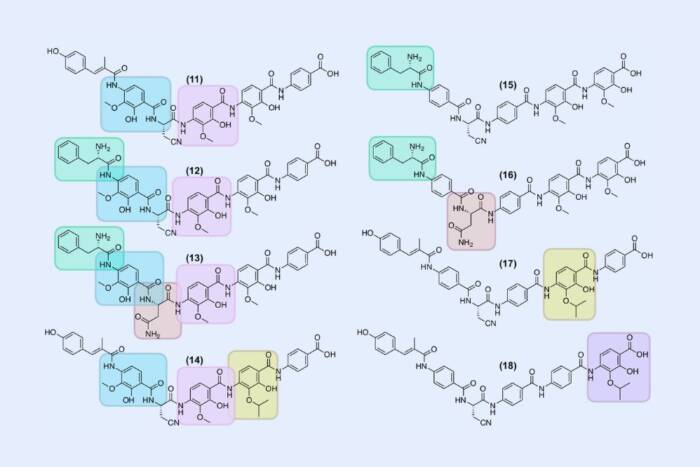
Newly identified compounds appear effective against drug-resistant bacteria. The technique used to reveal them could uncover many more antibiotics, as well as help illuminate a previously hidden microbial world.

Jasin's fundamental research on repair of damaged DNA in cells has transformed our understanding of cancers linked to inherited gene mutations. She will be presented with the award on September 16.

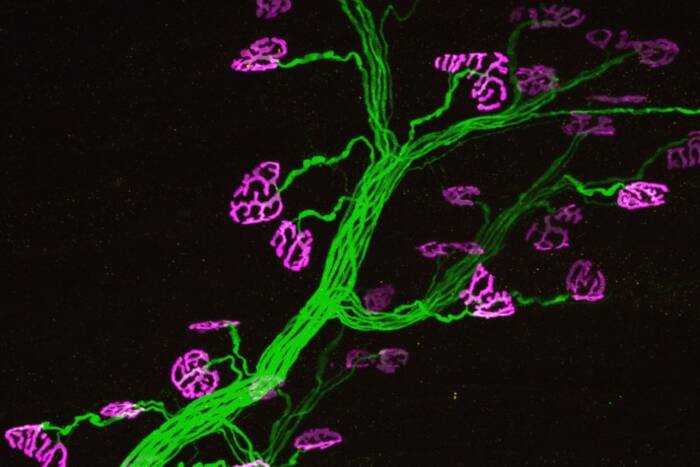
The technological breakthrough may improve our understanding of the cellular mechanisms behind hearing and its loss, which remain poorly understood.

An extraordinary scientist, Baltimore’s discovery of reverse transcriptase—the copying of RNA into DNA that could be inserted into the genome—had profound implications in biology.

Dana Orange’s research may help predict flares, provide precise drug targets, and enable interventions that block symptoms before they begin.

The monthly lunch series offers attendees the chance to break bread with prominent scientists on campus.

Hudspeth, a Rockefeller neuroscientist who discovered how sound waves are converted into electrical signals in the ear’s cochlea, was 79.

Researchers have learned that the antioxidant glutathione, when operating inside mitochondria, is a key factor enabling tumors to spread from the breast to the lung.

The researchers demonstrate that an engineered antibody improves a class of drugs that has struggled to make good on its early promise.

From mosquito courtship to primate memory, a recent symposium hosted by the Rockefeller’s Price Family Center and the Zuckerman Institute at Columbia University highlighted ongoing research into how social behaviors emerge.

Developed through Rockefeller’s summer outreach program, the “RockEDU Sandbox” offers a path to hands-on inquiry that sparks curiosity and exploration, on and off campus.

Using the novel platform could help pharmaceutical companies design longer lasting drugs.

The Stavros Niarchos Foundation Institute fosters cross-disciplinary collaborations that are leading to more breakthroughs, faster.

New research offers fresh insight into how different morphological types and social roles emerge in ant societies, confirming that size is coupled to caste, with genes ultimately deciding how size and caste are related within the context of a colony.

A recent study reveals how the nucleolus gives rise to ribosomes—and how scientists can use that knowledge to reshape the nucleolus itself.

After nearly a decade of cataloguing evolutionarily young genes, complementary studies are the first to demonstrate how they are regulated and expressed.

Scientists discovered an identical neural circuit that operates differently in male and female mice.

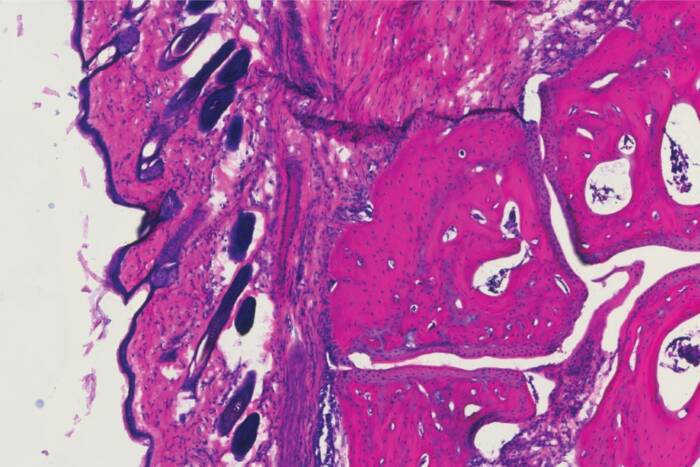
Research shows low levels of the amino acid serine trigger a process that turns hair follicle stem cells into skin repair specialists—and that diet may have a role to play.

New research demonstrates that a previously published structure and mechanism for RNA capping at work in coronaviruses is incorrect, with potentially sweeping implications for the quest to develop drugs targeting these pathogens.

The Vertebrate Genomes Project has set its sights on creating high-quality reference genomes to help answer some of science’s biggest questions.

With support from students and city policy, the university’s popular residential composting program is helping turn food waste into community benefit

New research suggests that amyloid-beta (Aβ) oligomers and the vascular protein fibrinogen may, when forming a complex, contribute to Alzheimer's disease.

Kivanç Birsoy is uncovering the hidden metabolic pathways that cancer cells exploit. His work could also optimize strategies for using nutrition to improve human health.

University Health and Wellness does everything from flu shots to biosafety level 3 testing.
View
View