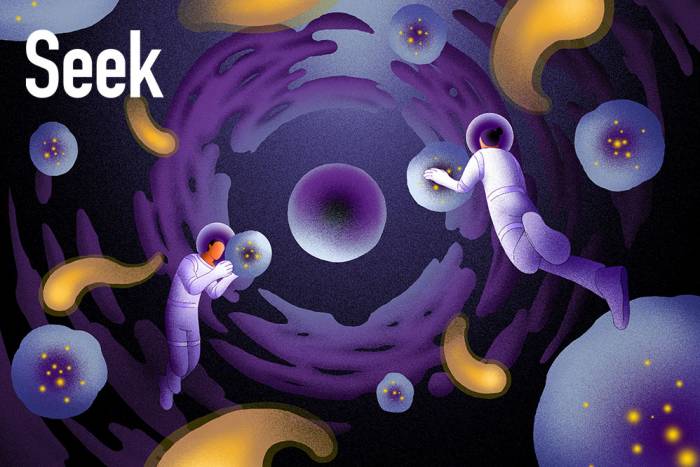
The body's first blush with a pathogen shapes how it will respond to vaccines. New evidence clarifies how this phenomenon works, mechanistically.

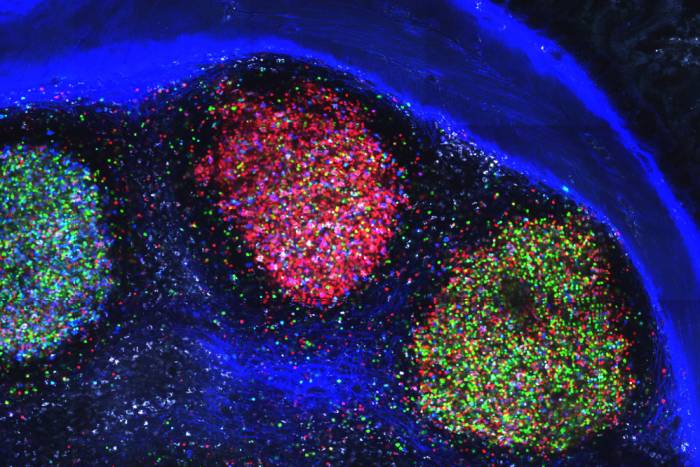
A diverse immune response hinges on naive B cells mingling with high affinity ones in the late-stage germinal center. Whether that helps or hinders, however, depends on the virus.

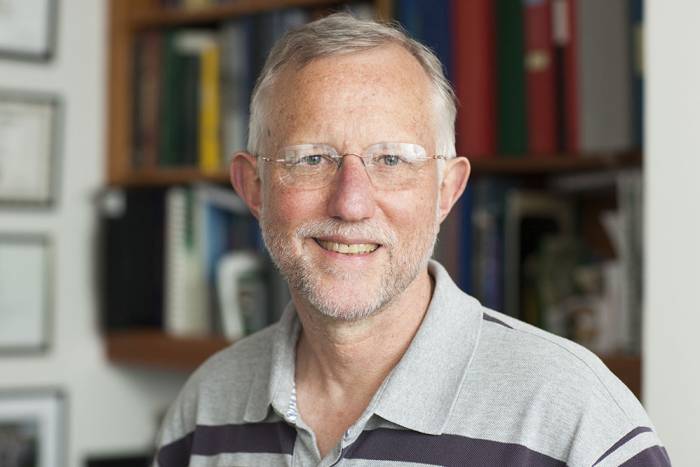
Charles David Allis, a molecular biologist who shaped the field of chromatin biology, died on January 8 at the age of 71.

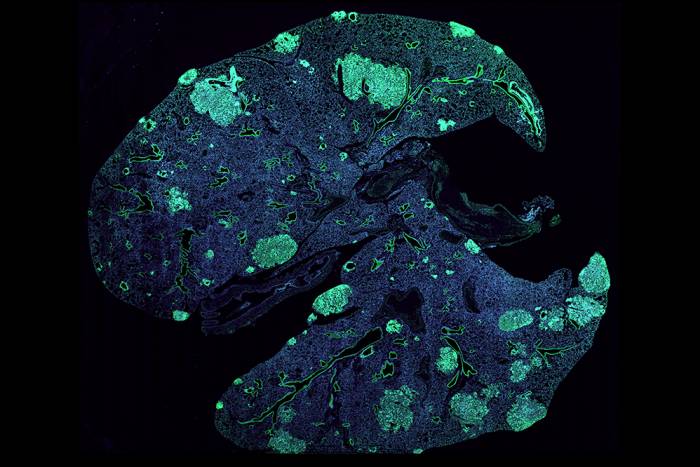
It's not just the number of mutations that matters. It's the failure to fix them too.

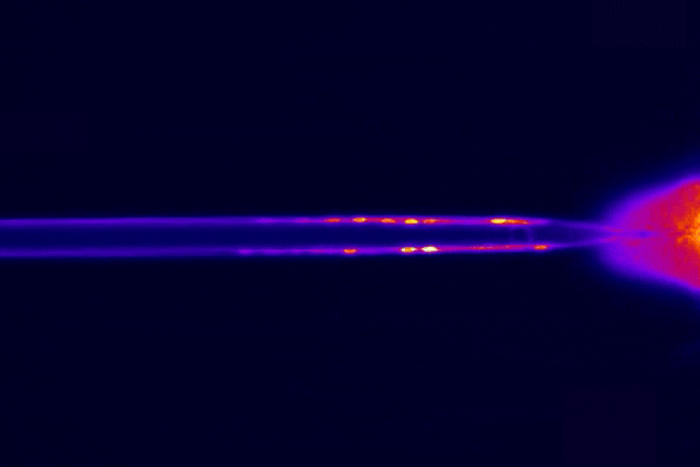
A novel method reduces the time required to identify novel antibiotic-producing DNA from weeks to days.

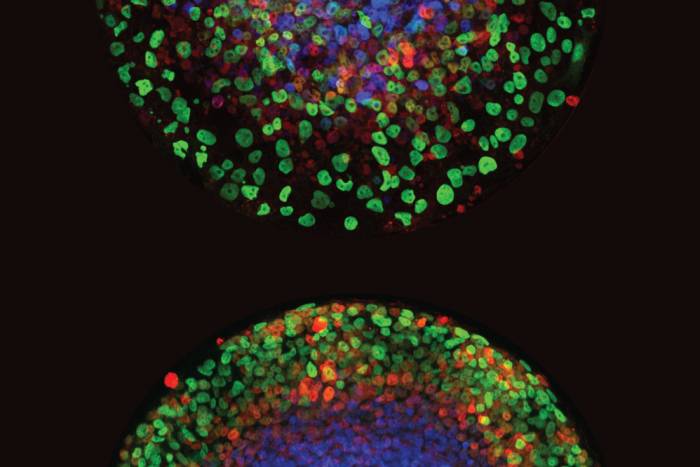
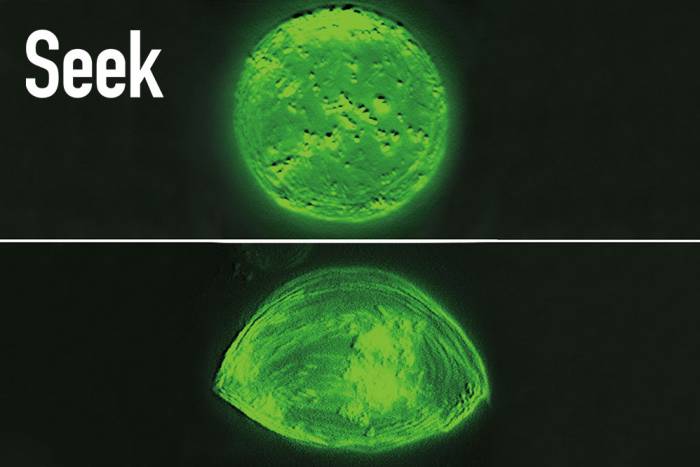
While most germinal centers shut down after a few weeks, some stay in business for more than six months. A new study helps explain why.

Breakthroughs in genetics, biochemistry, neuroscience, infectious disease, and drug development were a few of the year's highlights.

The library is offering new tools and training to support researchers operating under an updated NIH policy.

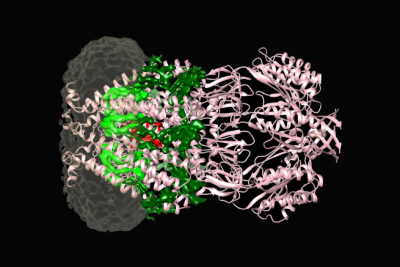
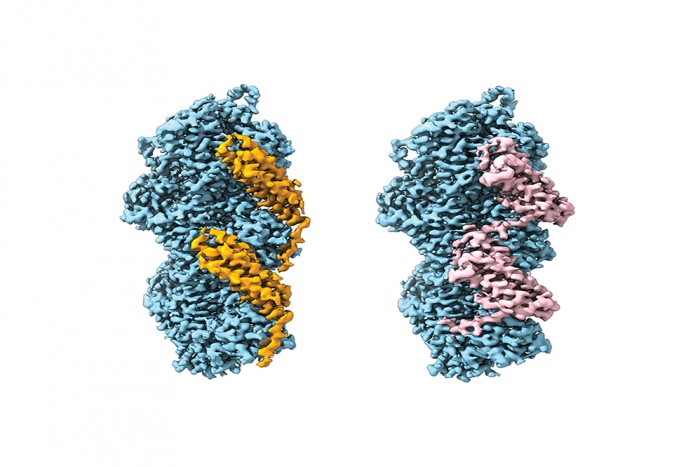
The findings shed a rare light on mitoribosomes, the unique ribosomes found within the cell's mitochondria.

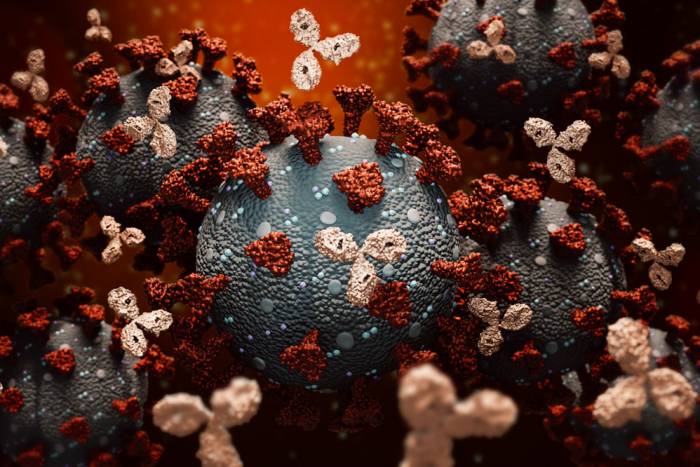
People who receive monoclonal antibodies before vaccines may benefit from increased coverage, due to antibody feedback inhibition.

Patients with Fanconi anemia have an elevated risk for squamous cell carcinoma, a highly aggressive head-and-neck cancer. New findings pinpoint the mechanisms linking the two conditions, and also shed new light on how smoking or drinking may elevate anyone’s cancer risk.

The findings suggest that many of the mutations in cancer may simply be setting in stone a path already forged by the tumor stem cell’s aberrant dialogue with its surroundings.

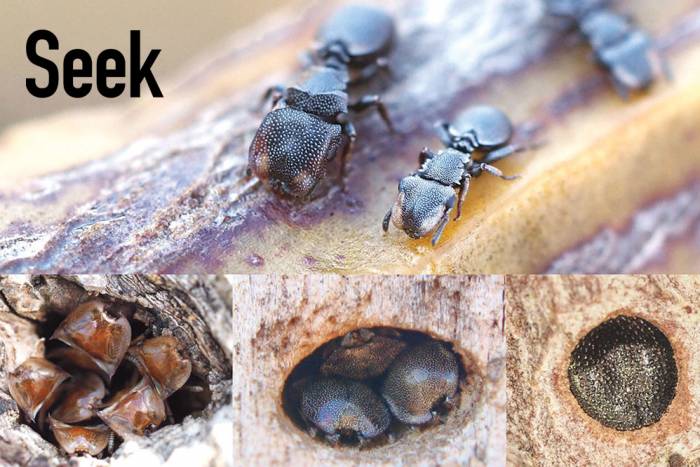
This newly discovered “social fluid” appears to unite ant colonies across developmental stages into one superorganism.

Rockefeller’s new Stavros Niarchos Foundation Institute for Global Infectious Disease Research will provide a framework for international scientific collaboration.

Clarivate, a British analytics company, recognizes individuals "who demonstrate significant and broad influence among their peers in their chosen field or fields of research."

Gabriel D. Victora is unlocking the mysteries of how the body generates antibodies to defend itself from pathogens. But there was a time when science was not even on his radar.

Fibrolamellar carcinoma needs one specific mutation in order to thrive, and impeding it reduces tumor growth in mice.
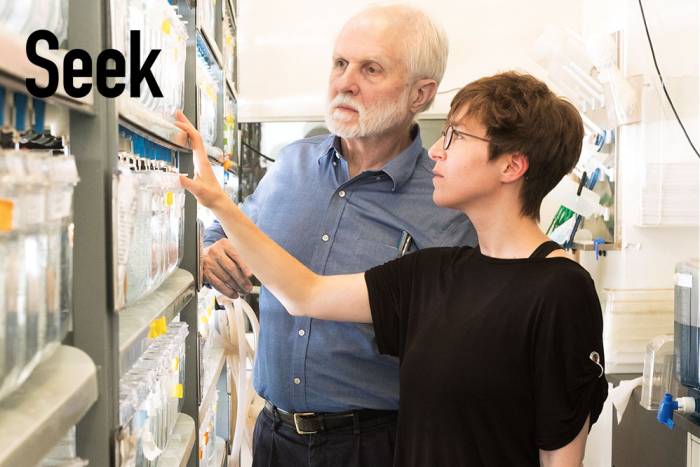
Insects cannot move their eyes the way humans do during a tennis game. But new research suggests fruit flies evolved a different strategy to adjust their vision without moving their heads.
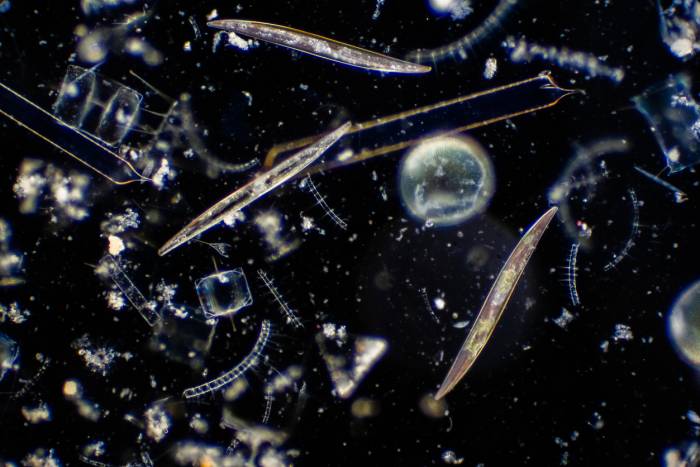
When an actin filament bends during cell movement, older actin deforms differently than newer actin, allowing regulatory proteins to tell the two states apart.

If jurisdictions plan to share resources in advance, the study concludes, this could prevent one rare event from overwhelming a county or state.

Liu is one of four scientists across the country to receive the prestigious prize, which recognizes scientists who have immigrated to the United States for early-career contributions.

The female mosquito will hunt down any human, but some of us get bitten far more than others. The answer why may be hidden in our skin.

A trailblazing physician-scientist, Tavazoie has substantially expanded our understanding of the mechanisms enabling some tumors to spread from one body site to another. He is the 18th member of Rockefeller’s faculty elected to the academy.

Allis receives the honor for discovering new mechanisms regulating gene expression.

New study pinpoints the cluster of neurons that tell mice to eat, drink, and move around less when they're fighting bacterial infections.  

Postdoctoral fellows from diverse backgrounds attended the two-day program, designed to ease their transition to independent investigators.

Because three percent of the world population possesses these gene variants, the findings may have implications for hundreds of millions of individuals around the world.

Del Mármol receives the honor for her research leading to the first-ever molecular images of an olfactory receptor at work.

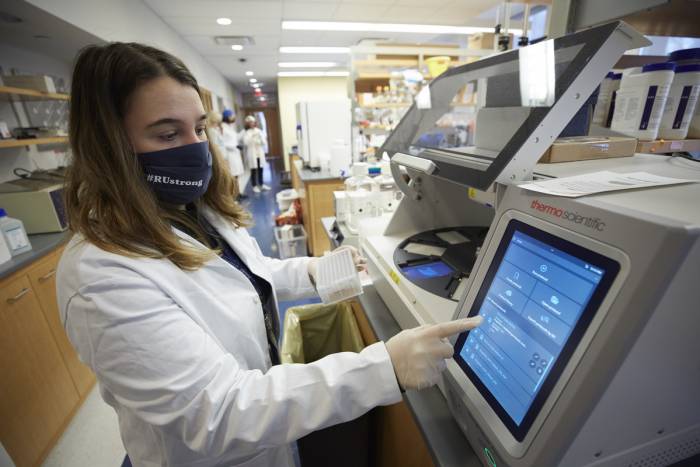
What if the tool needed to move science forward doesn’t yet exist? Here are gadgets and techniques born from improvisation that made impossible experiments possible.

Stearns, who assumes the role on September 1, reflects upon his new job and his vision for the university’s educational programs.

Aydin, of the Mucida lab, and Bonny, a member of the Fuchs lab, received HHMI’s prestigious fellowship for exceptional early career scientists on August 24.

Through questioning their assumptions about how mosquitoes sense and interpret odors, scientists may have discovered why efforts to throw the vectors of dengue and Zika off the human scent have not succeeded.

Nicola N. Khuri, a theoretical physicist known for using math to describe and predict what happens when elementary particles collide in giant accelerators, died on August 4 at age 89.

Jiankun Lyu will join Rockefeller as an assistant professor on January 1, 2023.

Lamia Wahba will join Rockefeller as an assistant professor on January 1, 2023.

Colonies decide to flee rising temperatures in much the same way that neural computations give rise to decisions.

A new study suggests that stem cells are able to integrate cues from their surroundings and coordinate their behavior across tissue through networks of vasculature in their close vicinity.

The controversy and hype have died down. The science is very much alive­, creating new directions for discovery.

Researchers have long disagreed over whether ??T cells in the gut promote or discourage tumor growth, but new evidence suggests they have the capacity to do both.

The research demonstrates the distributed nature of memory processing in the brain, and reveals a dedicated pathway for memory recall, which is less understood than memory formation.

After gracing the university’s north-south pathway for decades, a London plane tree was cut down due to interior decay and the resulting safety risk. Removal of the deciduous giant required a team of highly-experienced arborists.

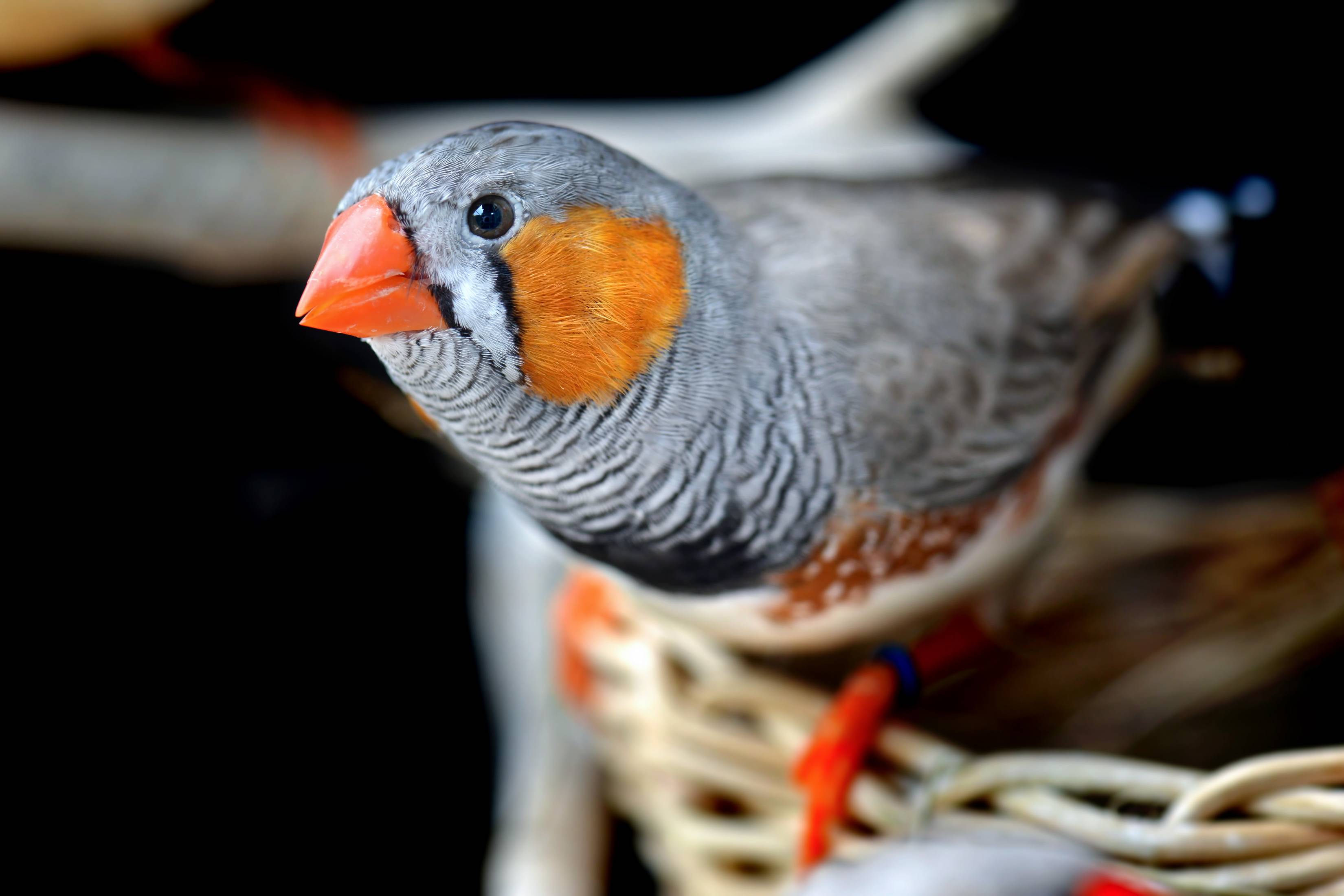
How did songbirds start singing? Neuroscientists are reshaping our understanding of speech—pinpointing the cells and molecules that built it and what happens in the brain when we learn a new word, chirp, or squeal.

With a new portrait by artist Brenda Zlamany, installed over the fireplace in the Abby Aldrich Rockefeller Reception Hall, the likenesses of scientists Marie Daly, Rebecca Lancefield, Louise Pearce, Gertrude Perlmann, and Florence Sabin have joined the university’s art collection.

Private investments are making it possible to reimagine 21st-century bioscience. Cori Bargmann envisions a future with opportunity for researchers everywhere.

According to this year’s CWTS Leiden Ranking of over 1300 universities from 69 countries, Rockefeller has the highest percentage of most frequently cited scientific publications.

The booster appears to galvanize memory B cells into producing potent and versatile antibodies that neutralize both the original virus and its many variants.

In the U-Multirank rating system for higher education institutions, Rockefeller placed first in a measure of impact based on citations.

With this week’s ceremony, the first in-person convocation since the start of the pandemic, Rockefeller has granted doctor of philosophy degrees in bioscience to 1,395 students. In addition, Anthony S. Fauci, Katalin Karikó, and Lulu C. Wang received honorary doctor of science degrees.

In developing bird skin, immature cells move around and form intricate patterns. Scientists are zeroing in on the mechanical forces guiding the process.

The human reference genome, the most widely used resource in human genetics, is getting a major update.

The study highlights genes that, when silenced, render Mycobacterium tuberculosis vulnerable to antibiotics, and identifies existing drugs that may be effective against one prominent strain.

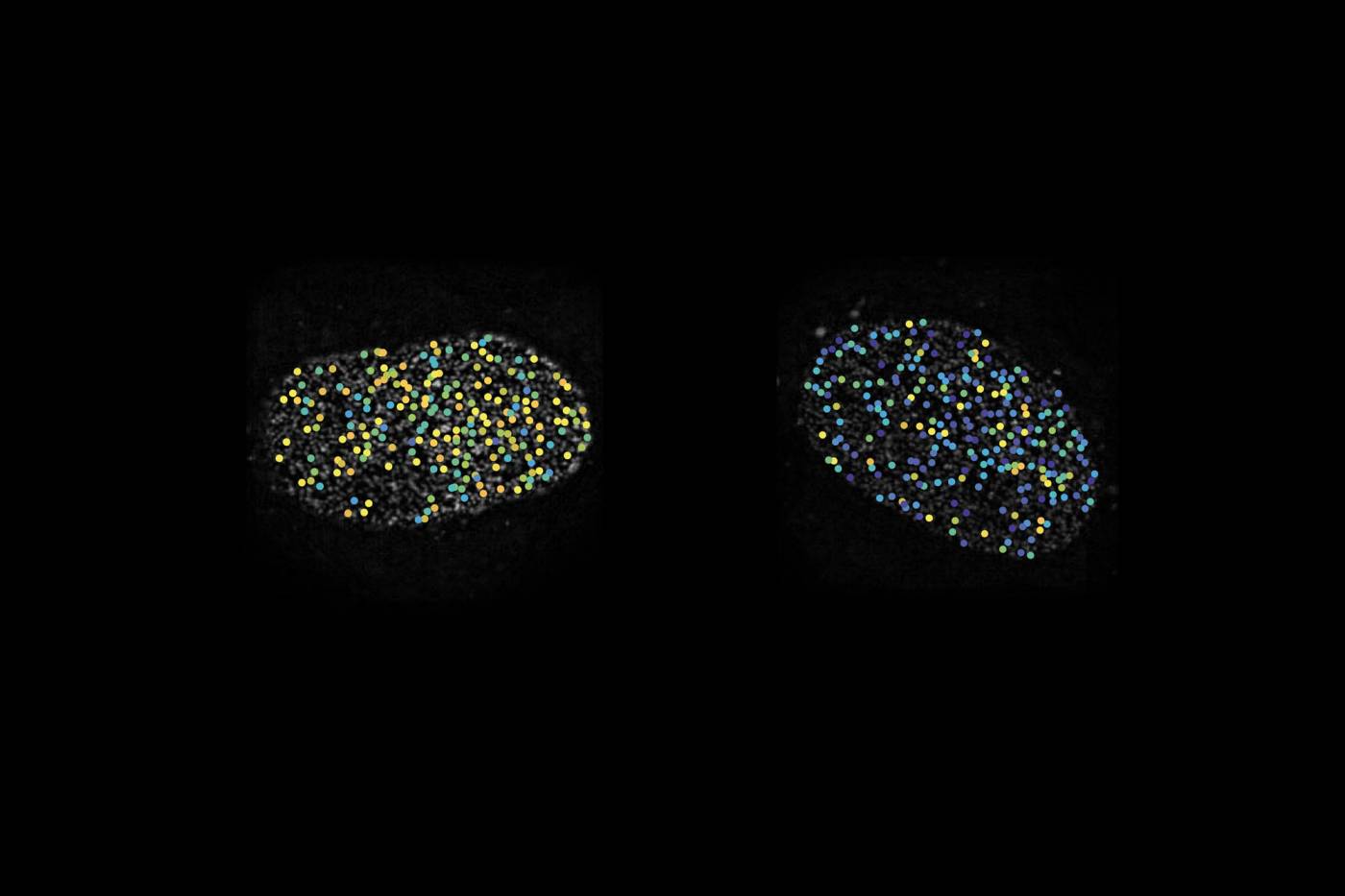
Linker histone H1 appears capable of distinguishing between single-stranded and double-stranded DNA, suggesting that its role in maintaining our genomes extends far beyond that of keeping chromosomes compact.

The compound attacks MRSA, C. diff, and several other deadly pathogens. Its discovery demonstrates the power of combining computational biology, genetic sequencing, and synthetic chemistry to study bacterial evolution.

A mutated gene may explain why some Staphylococcus aureus infections turn lethal, a finding with significant implications for people living with 5p- syndrome.

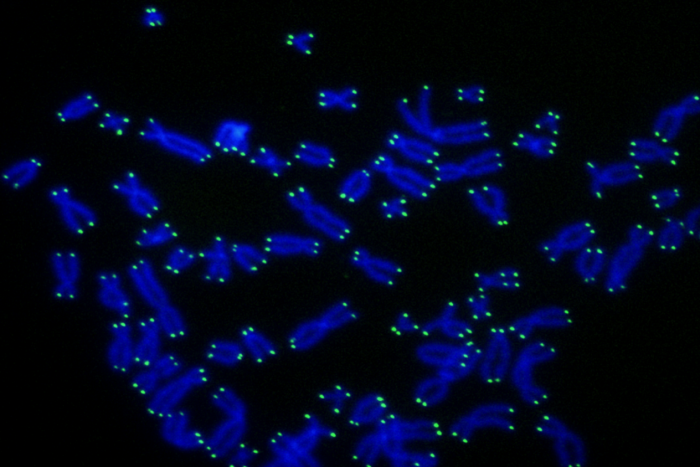
She receives the honor for elucidating mechanisms of telomere protection and genome maintenance.

Unlike conventional antiretroviral drugs, treatment with broadly neutralizing antibodies does not rely on vigilant daily dosing and could potentially reduce the body’s reservoir of latent viruses.

Liu’s pioneering research on nano-scale molecular events is furthering our knowledge of how DNA replication and gene expression are regulated.

Birsoy's groundbreaking research has highlighted key nutrients that cancer cells need to survive, while shedding light on debilitating mitochondrial diseases and rare genetic disorders.

Lifton, who pioneered the use of genomics to identify the basis for diseases, is recognized for a lifetime of contributions in science and mentorship.

A new study reveals how the drug fidaxomicin selectively targets a dangerous pathogen without causing harm to beneficial bacteria. The findings could inform the development of new narrow-spectrum antibiotics for treating other types of infection.