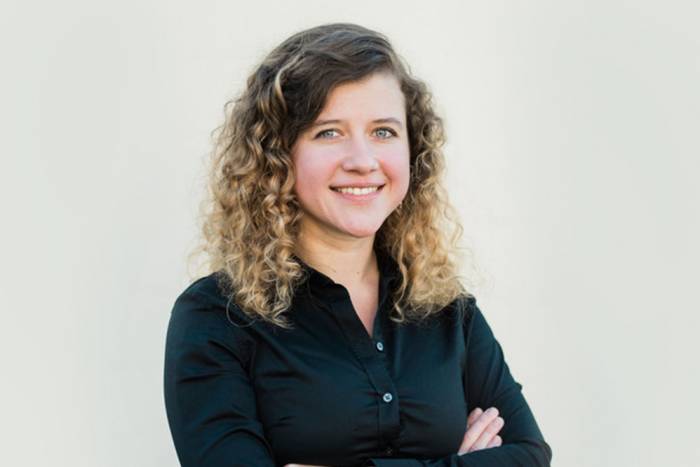
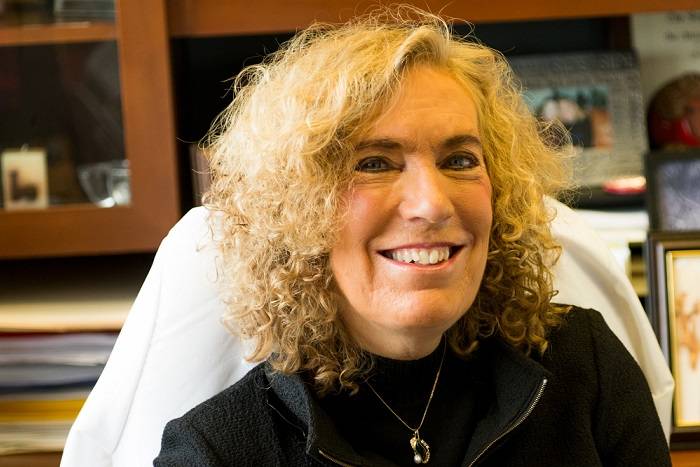
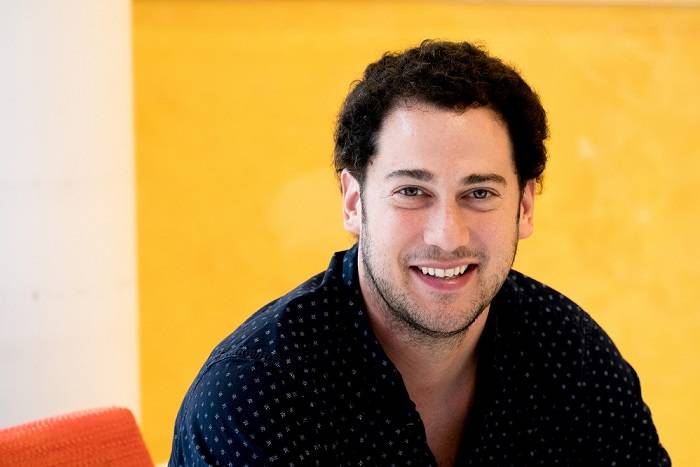
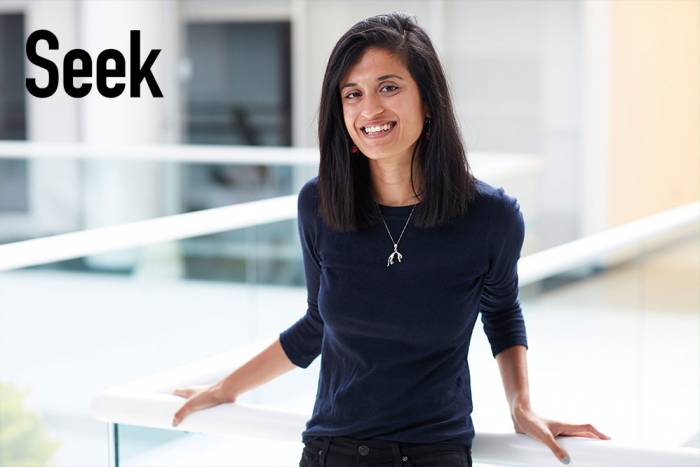
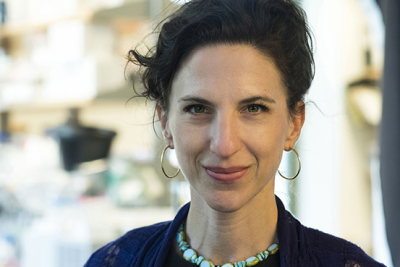
Vosshall will join the leadership team at HHMI, a major philanthropy that supports basic biomedical scientists and educators.

Pamela J. Björkman, who discovered key aspects of the immune system that are helping to direct better treatment for infection from viruses and other diseases, will receive the prize in a virtual ceremony hosted by Rockefeller on September 30.

We think of brains as computers—stimulus in, action out. But they’re far more finicky than any iMac. Easily swayed by underlying internal states such as hunger, aggression, or arousal, our neurons are capable of incredible flexibility. For neuroscientists, it’s yet another wrinkle in understandin...
The DRUL saliva assay is safer, more comfortable, and less expensive than comparable COVID screening tools. Now a new study demonstrates that it is at least as sensitive as swab tests, too.

Three-dimensional images of human small ribosomal subunits offer the most detailed explanation for how the cell's protein-making machines are assembled.

Scientists identified a mutation that affects one’s reaction to HPV by decreasing the production of CD28, a vital molecule within the immune system.

Guido Guidotti, who made contributions to biochemistry and performed pioneering work during his study in the lab of Lyman Craig, has died at the age of 87.

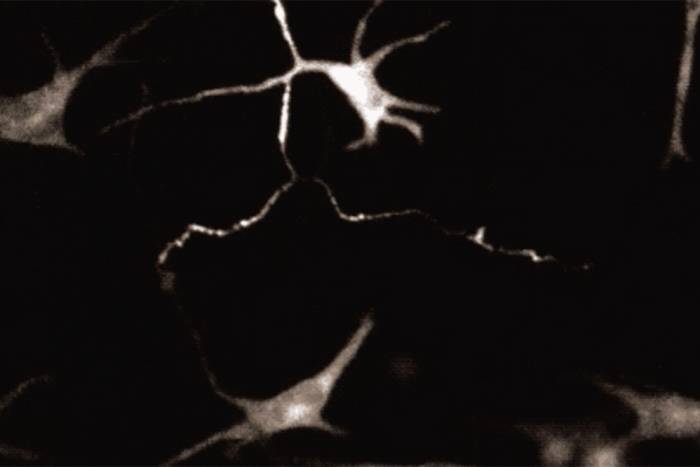
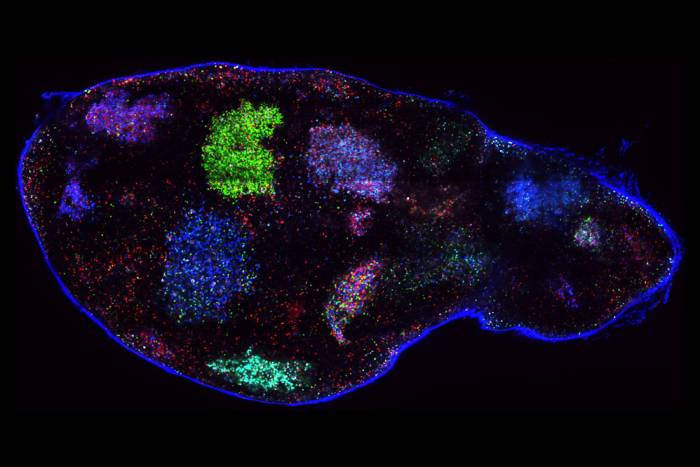
Using light beads microscopy, researchers can now capture images of a vast number of cells across different depths in the brain at high speed, with unprecedented clarity.

Animals as small and soft as tardigrades seldom have legs and almost never bother walking. But a new study finds that water bears propel themselves through sediment and soil on eight stubby legs, in a manner resembling that of insects 500,000 times their size.

People who recover from COVID-19 may have better protection than those who received a vaccine, but the benefits of natural immunity do not outweigh the very real risk of disability and death from contracting the disease.

Te Piao King, a Rockefeller biochemist whose pioneering research greatly advanced the science and treatment of allergic reactions, died August 18 at the age of 90.  

New studies point to a single molecular explanation for 20 percent of critical COVID-19 cases: insufficient or defective type I interferons.

If COVID-19 lockdowns scrambled your sleep schedule and stretched your waistline, you're not alone. Fruit flies quarantined in test tubes sleep too little and eat too much after only one week of social isolation.

The first-ever molecular images of an olfactory receptor at work answer decades-old questions about odor recognition.

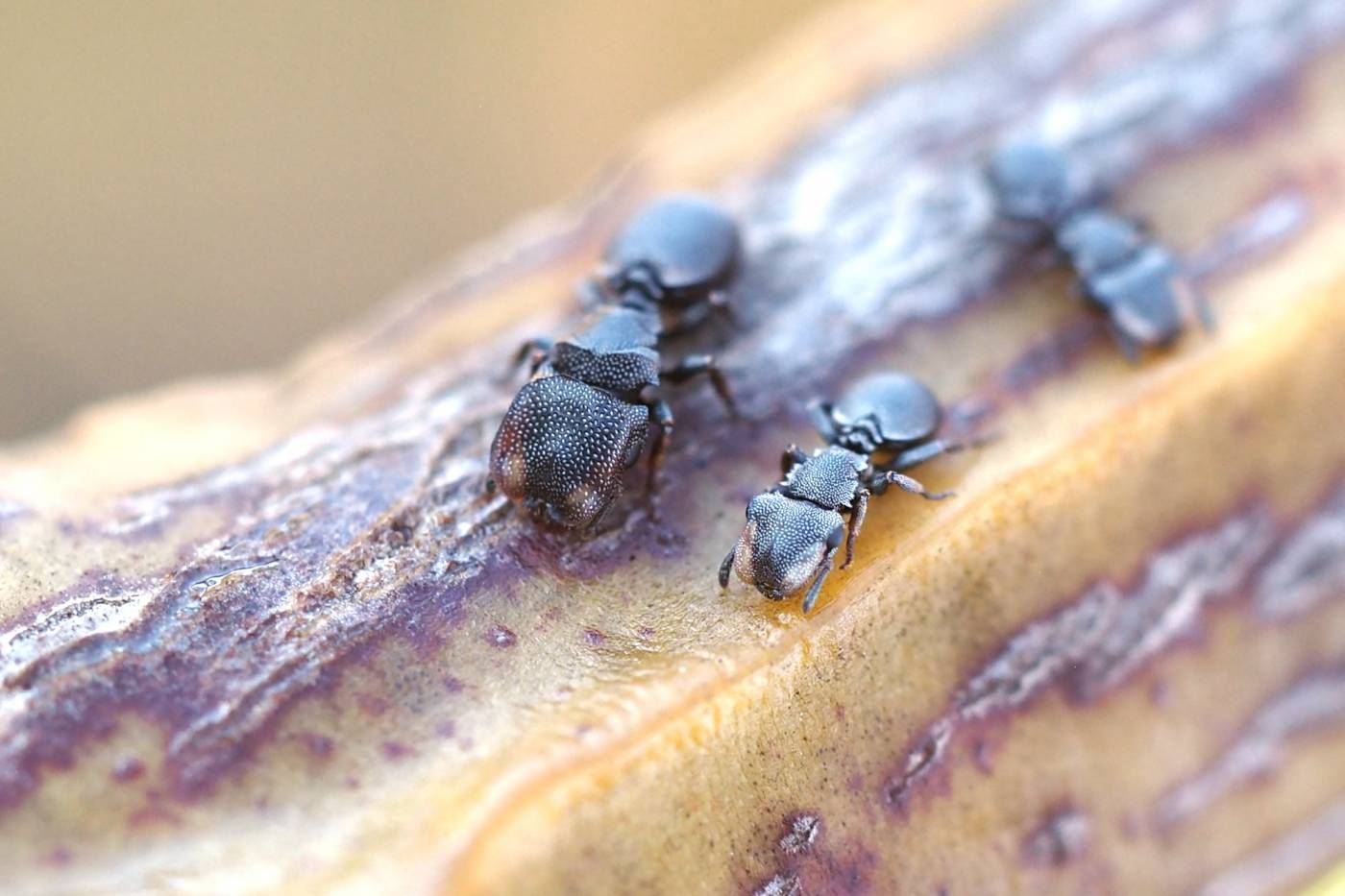
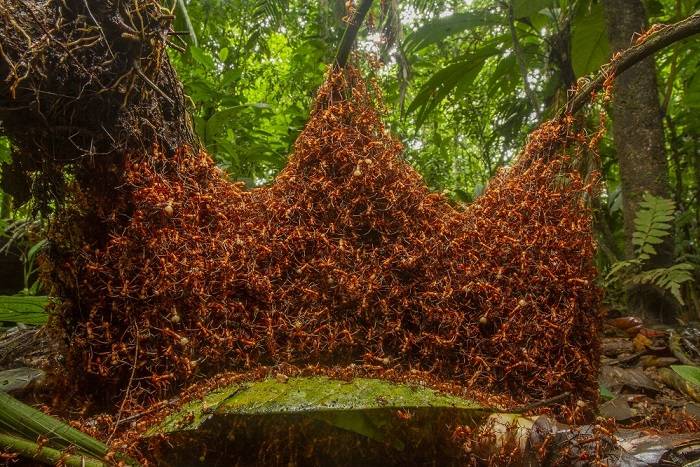
By increasing the size of ant colonies bit by bit, scientists identified the mechanism responsible for the evolution of mass raiding behavior.

A new study uncovers a near-universal mechanism behind this phenomenon, known as inflammatory memory.

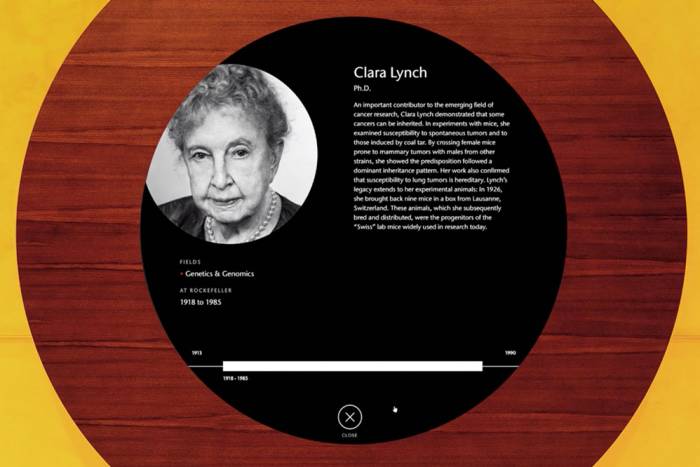
The installation located in the Abby Aldrich Rockefeller Lounge features the 22 Pearl Meister Greengard Prize awardees.

Not every gene that's essential in tuberculosis is also vulnerable to attack. A new study ranks essential genes by vulnerability, allowing researchers to better prioritize future drug targets.

Helper T cells may play a dual role in the immune system, both encouraging and suppressing the process by which B cells mature.

In Drosophila’s neural circuitry for courtship, researchers discover a configuration that enables a male fruit fly to be persistent, yet flexible in his pursuit of a female.

Purnell Choppin, a physician, virologist, and scientific administrator who performed pioneering research on viruses at The Rockefeller University and later exerted a powerful influence on biomedical research as president of the Howard Hughes Medical Institute, has died at the age of 91.

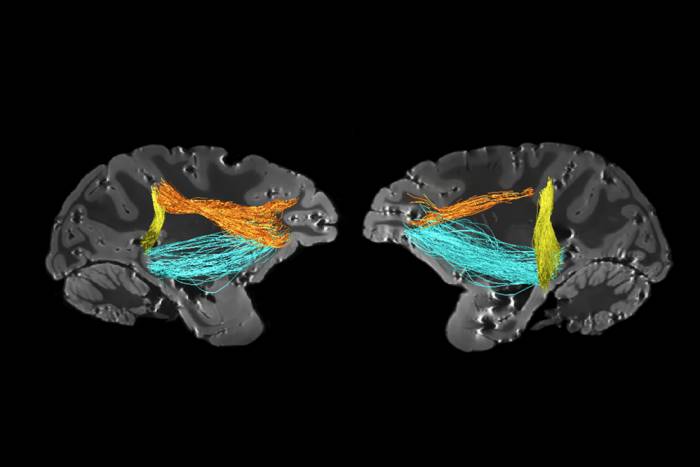
Our brains have sensory cells, which process the faces that we see, and memory cells dedicated to storing data from person encounters. But until now, a hybrid neuron capable of linking vision to memory—and explaining how we recall familiar faces—remained elusive.

Roeder, a pioneer in the field of gene regulation and expression, is being honored for revealing the molecular mechanisms of transcriptional regulation.

For Rockefeller’s class of 2021, it has been a year with both challenges and accomplishments.

After scouring more than 5,000 compounds, scientists have identified several new classes of therapeutics that may help treat fibrolamellar carcinoma.

The antibody's altered structure helps explain an enduring mystery of dengue—why only a fraction of those infected will develop severe disease.

Whenever a cell uses CRISPR to defend itself, there's a chance of mutations creeping into its genetic code. Some of these mutations are harmless; others kill the cell. But fortuitous mutations can occasionally render major human pathogens, such as Staphylococcus aureus, antibiotic resistant.

According to this year’s CWTS Leiden Ranking of over 1200 universities from 69 countries, Rockefeller has the highest proportion of frequently cited scientific publications.

Vaccination enhances antibodies in people who have had COVID, likely giving them protection even from the new variants.

New research casts doubt on a genetic test used to screen would-be embryos for IVF implantation. The findings suggests that these embryos can develop into healthy babies regardless of whether or not they’ve been flagged as defective by the test.

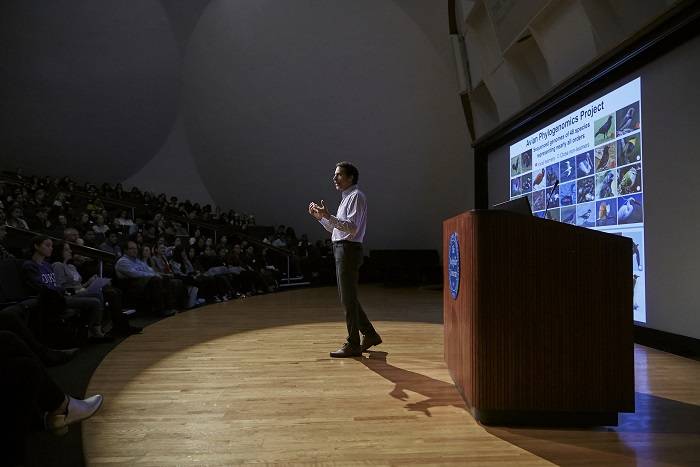
Scientists have launched an ambitious effort to produce high-quality reference genomes for all vertebrate species, from mammals to birds and reptiles. The result could be discoveries with implications for animal conservation as well as human health and disease.

Scientists call it oxytocin in humans, isotocin in fish, mesotocin in birds, and valitocin in sharks. But according to a new study, it’s all the same hormone—and high time we settled on just one name.


Redesigning the exhibit provided an opportunity to consider how to best honor and commemorate Rockefeller award winners. Discussions with university leadership and an ad-hoc faculty committee steered the process and led to a broadening of the criteria for inclusion.

The author of The Evolution of Beauty was presented with Rockefeller’s science writing award, which honors scientists as inspirational authors.

Two new cases helped scientists confirm what many have come to suspect: that people can get infected by SARS-CoV-2 variants even after successful vaccination. The findings suggest continued testing may be needed to prevent future outbreaks in a post-vaccine world. <...
A novel method for studying how one crucial membrane protein functions may pave the way for a new kind of broad-spectrum antibiotic.
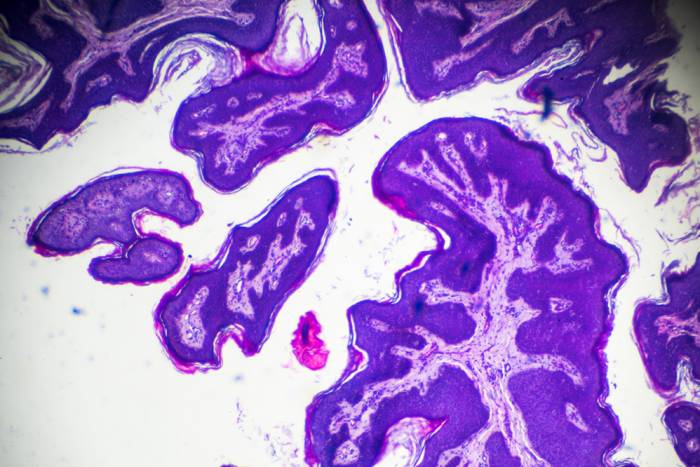
The virus that causes tick-borne encephalitis appears to trick the immune system, misdirecting it into producing inferior antibodies. But new research shows some people produce more potent antibodies, providing hope for treatment.

The joint program between Weill Cornell Medicine, The Rockefeller University, and Memorial Sloan Kettering Cancer Center will be lead by Hsu, an accomplished physician-scientist who specializes in immunology research and treatment of blood cancers.

Cohen, a physician-scientist exploring obesity and metabolic disease, has conducted groundbreaking research on the complex inner workings of fat tissue.

A pioneer in the field of mucosal immunology, Mucida is unlocking the secrets of the digestive system and answering fundamental questions about the origins of human disease.

Kreek conducted landmark studies that led to the establishment of methadone as a treatment for heroin addiction. Her work not only yielded new treatments for addiction disorders, but also influenced societal attitudes toward them. She was 84.

The university has named its next vice president and chief investment officer. Volent, who for decades oversaw investments at Bowdoin College, will assume stewardship of Rockefeller's endowment in August.

The discovery may explain why some patients suffer more severe reactions than others—putting us one step closer to understanding how our DNA influences our susceptibility to a wide range of infectious diseases.

Statistical modeling may one day help scientists anticipate and manage a wide range of extreme occurrences, according to a new study.

Drug-resistant strains of tuberculosis bacteria affect half a million people a year. A compound first discovered in the 1980s may be able to help.

Unlike their female counterparts, male mosquitoes have no desire to bite us. But the hardware for host-seeking is hidden in the male mosquito brain, locked behind a simple genetic switch. 

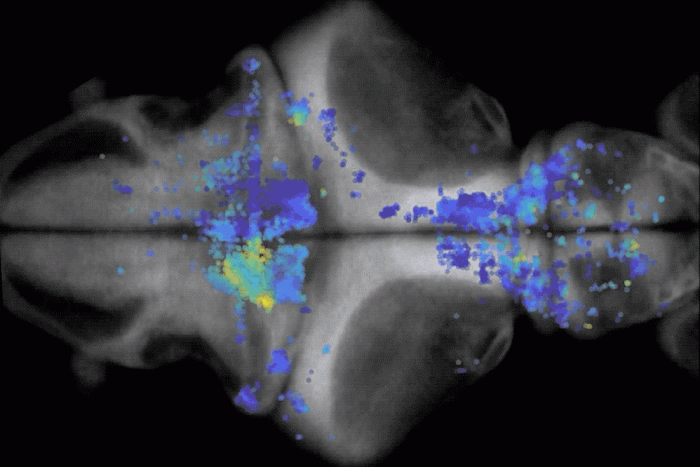
An elaborate set of zebrafish experiments is shining light on one of neuroscience’s greatest enigmas: How brains make decisions. By tracking neural activity, scientists can now predict a fish’s next move before it happens.

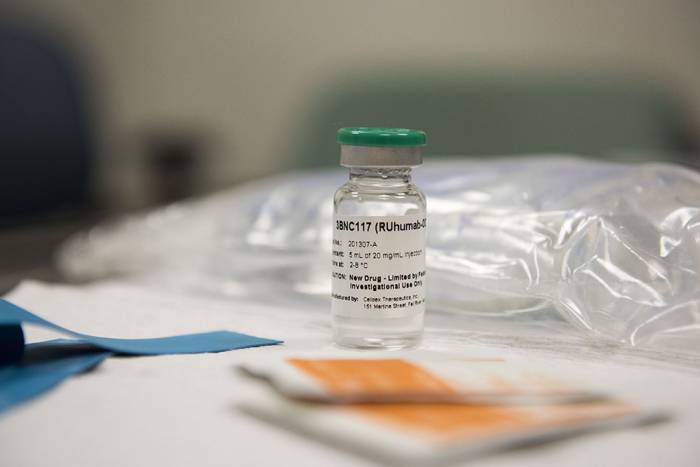
The treatment, a combination of two antibodies, has been shown highly capable of neutralizing SARS-CoV-2 in preclinical studies. Researchers hope it will give countries around the world, including developing countries, a way to control the rampant disease.

Lab experiments suggest that the new strains reported in Britain, South Africa, and Brazil may blunt the potency of the Pfizer and Moderna COVID-19 vaccines. This could mean that the vaccines will need updates as the virus mutates.

Victor Wilson, a neurophysiologist who traced the intricate neural mechanisms that govern our balance and posture, died on January 20 at the age of 92.

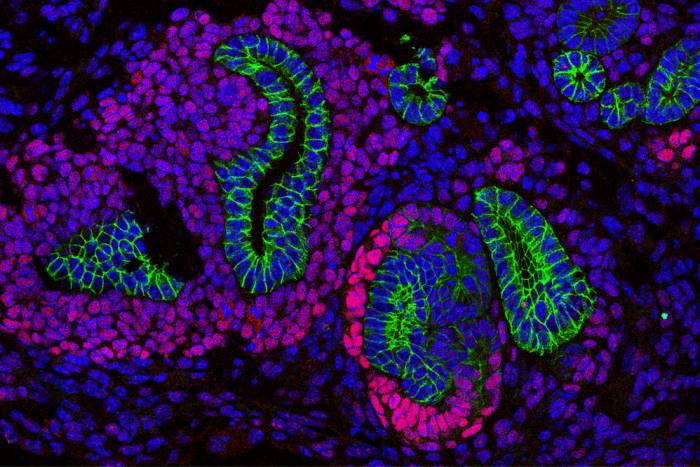
Scientists have developed stem-cell technology to mass-produce tissue cultures resembling our breathing organs. These tissues offer a powerful model in which to study how SARS-CoV-2 wreaks havoc in the lungs and to screen for new drugs.

The study participants continued to improve their antibodies months after initial infection, potentially due to exposure to remnants of the virus hidden in the gut.

COVID-19 causes a host of diverse complications, from lung inflammation to blood clots, heart failure, and brain fog. A team of scientists believes these attributes may have a single culprit—and that findings from research on Alzheimer’s disease might give them a leg up in finding it.

Patients in the clinical trial will receive two highly potent antibodies against SARS-CoV-2 discovered at the university. Designed to prevent people with early COVID-19 from developing severe disease, the treatment is urgently needed as hospitals continue to be inundated by repeated surges of inf...

Scientists have found that evolution isn’t always a one-way street toward specialization.

The proteins of the nuclear pore complex flip-flop rapidly between two orientations as they let cargo through.

People with brown fat tissue tend to burn calories more quickly, but do they also enjoy better health? Now the largest study of its kind shows that brown fat is indeed linked to reduced risk of heart disease, type 2 diabetes, and several other conditions.

This year's scientific endeavors included multiple attacks on SARS-CoV-2—and a lot more. Here are the most memorable science stories to come out of Rockefeller labs, from cracking the code behind specific skin cancer subtypes to understanding what goes on inside a fish brain.

Scientists are digging through drug libraries of 430,000 compounds, in pursuit of an antiviral drug that can stop the novel coronavirus in its tracks.

Scientists developed a method to safely examine the ability of SARS-CoV-2 to escape future drugs or vaccines by mutating. Their initial results are reassuring.