Symposium highlights growing synergy in infectious disease research
 COPY LINK
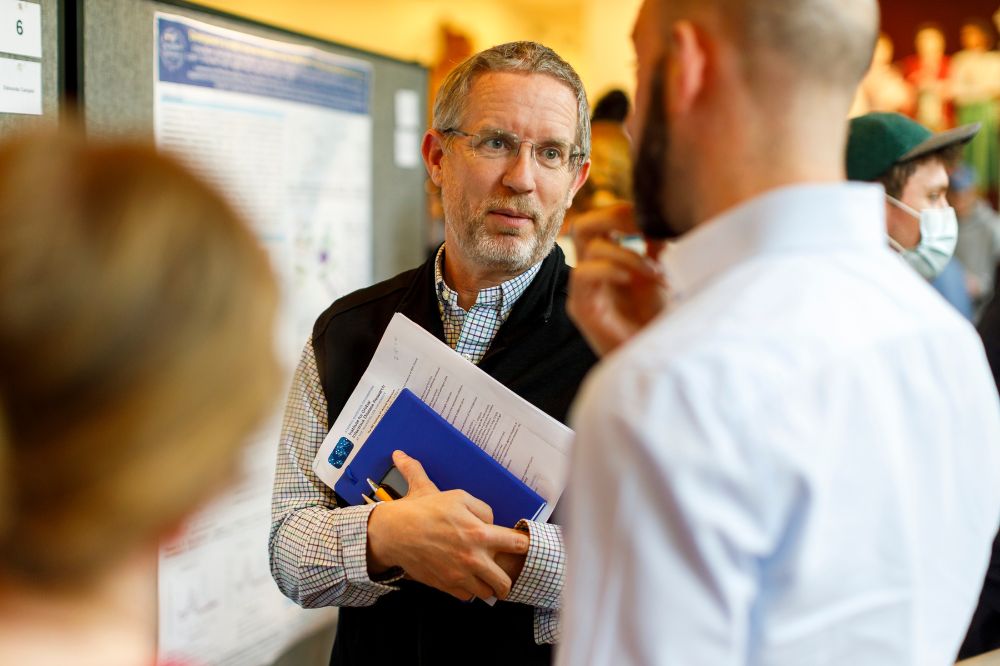
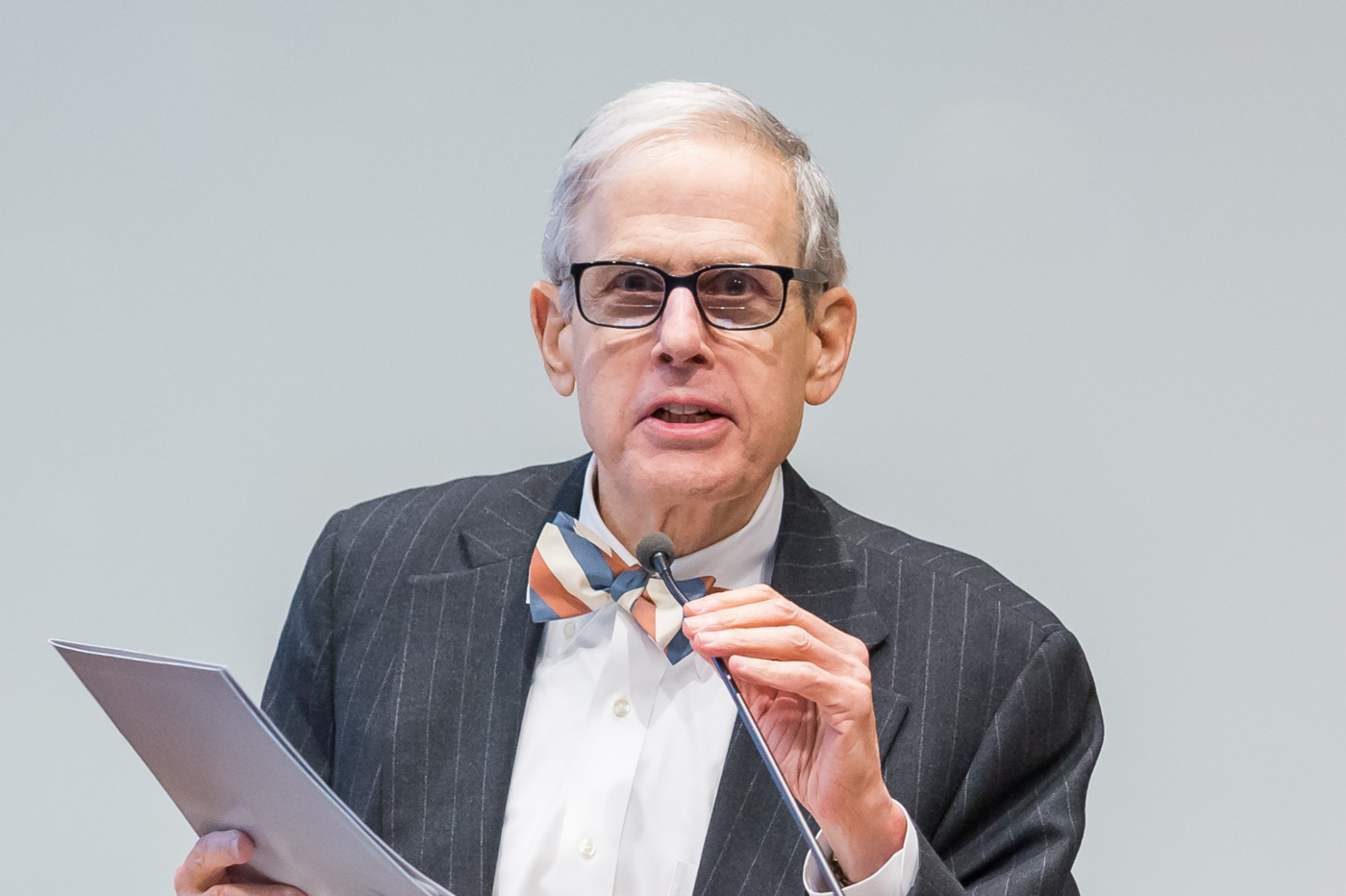
Lab head Sean F. Brady, who studies antibiotic resistance, was among the many presenters at the SNF Institute’s third annual symposium at Rockefeller. (Credit: Scott Rudd Events)
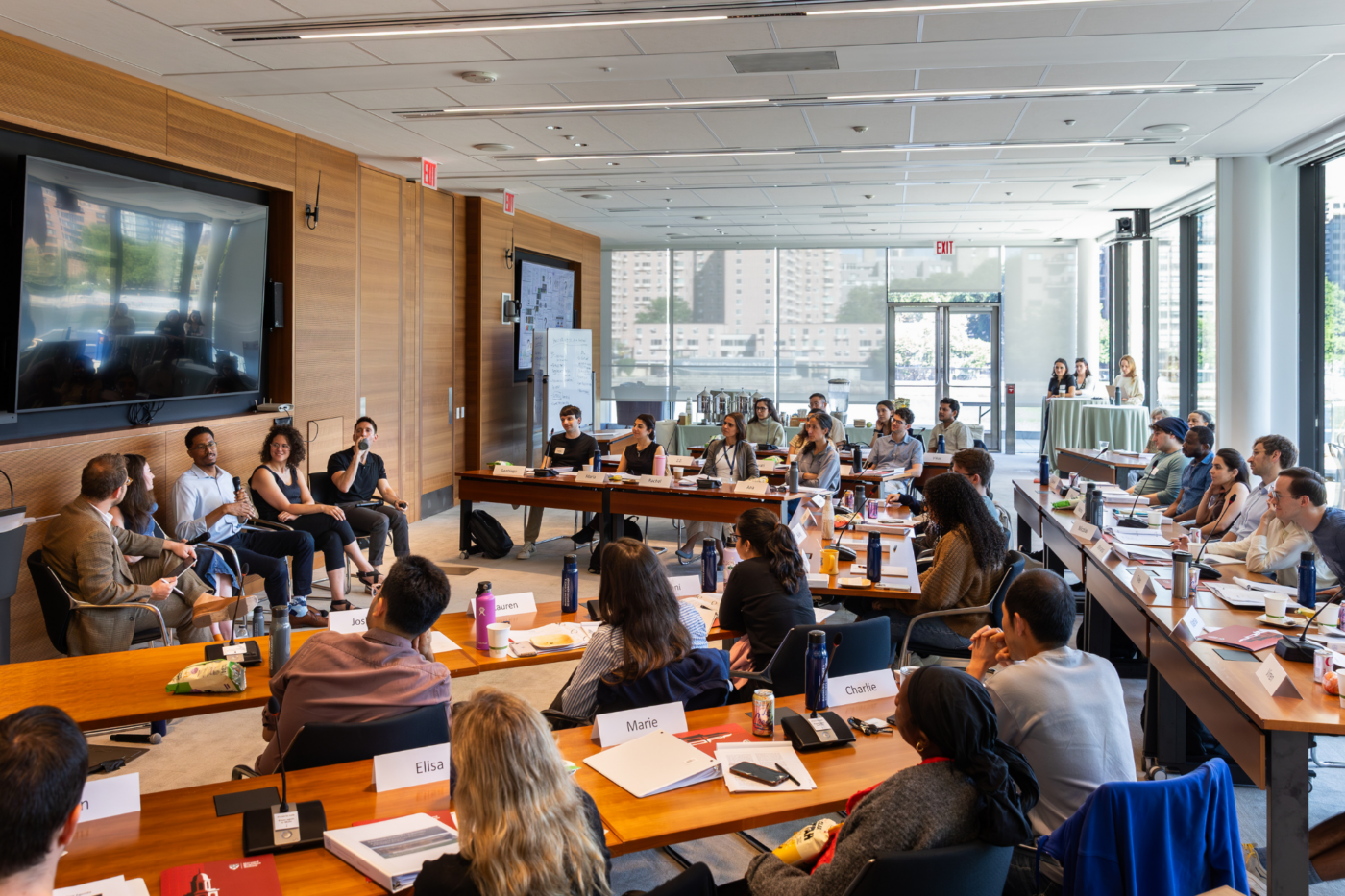
When dozens of infectious disease researchers took the stage at Rockefeller’s Caspary Auditorium in May, they weren’t just offering a rapid-fire tour of recent breakthroughs in understanding the human immune response, survival strategies of viruses, or the fight against drug-resistant tuberculosis. These presentations, given at the third annual symposium of the Stavros Niarchos Foundation Institute for Global Infectious Disease Research (SNFiRU), were more than a showcase for exceptional basic science—they were also an invitation.
“Collaboration is key to biomedical research, and that’s what this symposium is designed to foster,” says Charles M. Rice, a Nobel recipient and director of the Institute. “To tackle a problem as broadly urgent as infectious diseases, you need to bring all your expertise together.”
SNFiRU’s core mission is to accelerate the development of new therapies for emerging pathogens and persistent global threats. Established in 2023 with a transformative grant from the Stavros Niarchos Foundation, the Institute builds on momentum generated during the COVID-19 pandemic, when nearly half of Rockefeller labs pivoted to work on infectious disease.
For Ekaterina V. Vinogradova, an assistant professor who uses chemical proteomics to uncover new drug targets, working with the Institute provided her lab with a whole new outlet for their expertise. Her team is currently working with the laboratory of Jeremy M. Rock to help build a functional picture of Mycobacterium tuberculosis’ vulnerabilities. The results may shed light on how Mtb responds to stress and ultimately identify drug targets that could be exploited by new types of antibiotics.
“My lab has a unique technology to uncover these druggable sites, and the Rock lab is very strong in functional genomics and validating the importance of drug targets,” Vinogradova says. “But we wouldn’t have been able to launch our joint project without the SNF Institute.”
Getting targeted funding at the right moment was crucial. “We’re a relatively new lab,” Vinogradova says. “The funding and the focus on infectious disease reassured me that the project was timely and highly relevant.”
Early results have proved promising, and Vinogradova says she hopes that the data they’ve generated thus far will eventually help both laboratories apply for larger outside grants. ” Early-stage funding can be the catalyst that transforms an idea into reality,” she says.
Similarly, when a postdoc in the Laboratory of Chromosome and Cell Biology, led by Hironori Funabiki, developed a novel technology to improve cryo-EM efficiency, it was SNFiRU funding that enabled his team to continue refining the method. By attaching target proteins to magnetic nanoparticles, the Funabiki lab ultimately devised a way to concentrate samples onto cryo-EM grids using 10,000 times less material than previously required. This advance quickly attracted interest from the laboratories of Seth Darst and Michael P. Rout, who recognized its potential for infectious disease research—particularly in tackling hard-to-purify viral targets.
The Funabiki lab has also begun collaborating with Rockefeller’s Shixin Liu, a specialist in single-molecule biophysics. Together, they are studying the innate immune DNA sensor cGAS, which detects foreign DNA and triggers inflammation. Liu’s lab brings expertise in tracking how proteins like cGAS bind and dissociate from DNA in real time—tools that are essential for understanding how this sensor distinguishes viral DNA from the host genome. The two labs had considered collaborating for some time, but “SNFiRU really encouraged us to get started by granting us the funding needed to do that,” Funabiki says.
Pilot grants and symposia aren’t the only ways SNFiRU fosters collaboration, however. Every other Monday at noon, the Institute hosts the Young Scientist Forum, where two postdocs, students, or research associates from SNFiRU-affiliated labs present their work. “These forums are a catalyst for getting people familiar with what everyone else is doing on a more frequent basis than the annual symposium,” says Rice.
“SNFiRU is creating a community,” Rice adds. “With all of the tools and specialization we have in biomedicine today, you can’t make progress in this field without teamwork. If we’re going to get ahead of the next outbreak, we’ll all need to put our heads together.”