Two Rockefeller students are named Weintraub Award winners
 COPY LINK
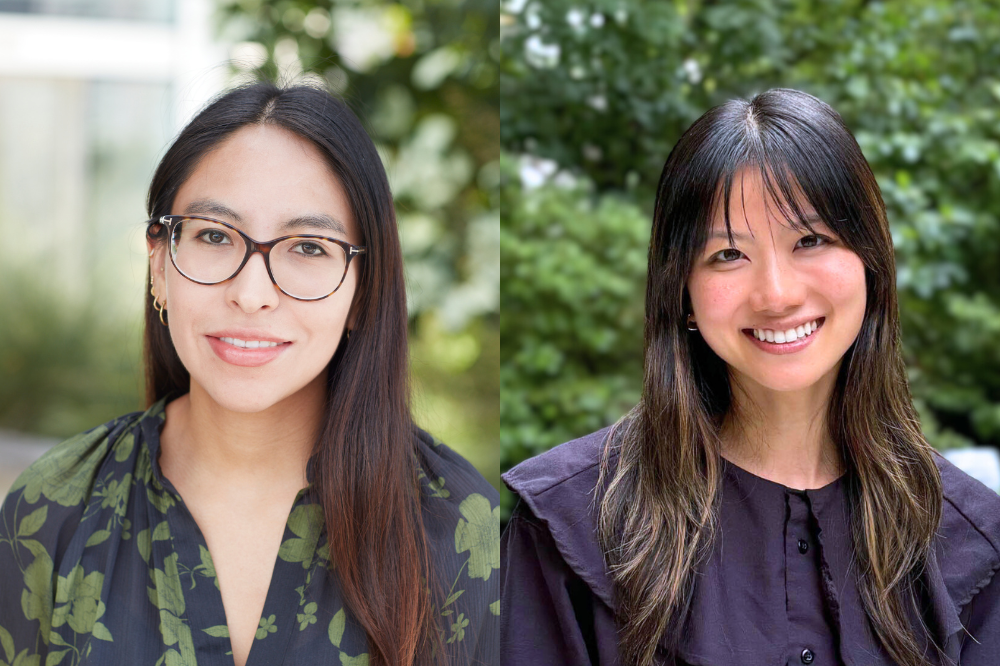
Andrea Terceros and Gabriella Chua
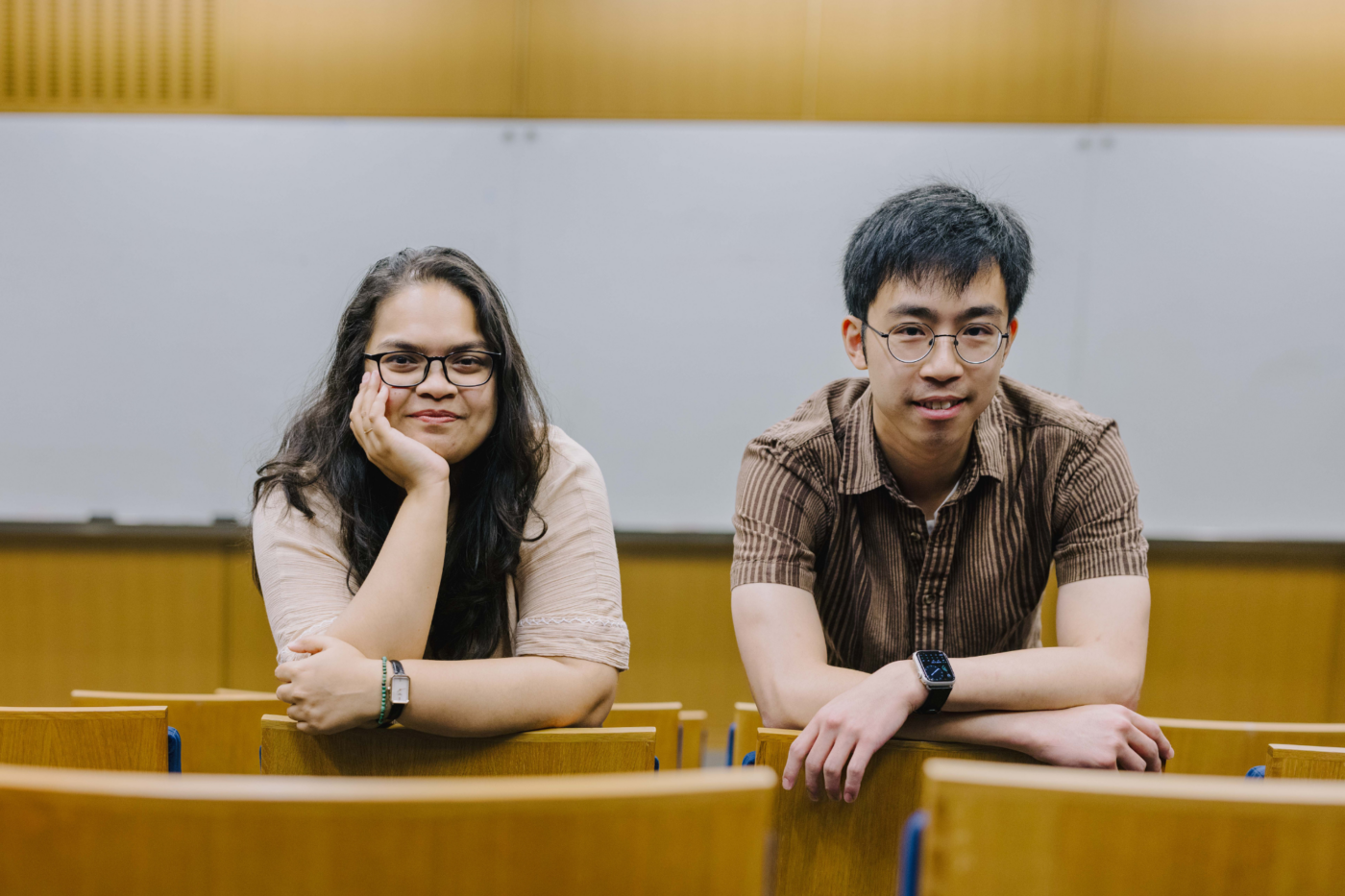
Two Rockefeller graduate students have been named winners of 2026 Harold M. Weintraub Graduate Student Awards: Gabriella Chua, who did her Ph.D. research in Shixin Liu’s Laboratory of Nanoscale Biophysics and Biochemistry and is a member of the Tri-Institutional Program in Chemical Biology, and Andrea Terceros, who did her Ph.D. research in Priya Rajasethupathy’s Skoler Horbach Family Laboratory of Neural Dynamics and Cognition as a student in the David Rockefeller Graduate Program.
The Weintraub award, given by the Fred Hutchinson Cancer Center, is considered among the most prestigious prizes for graduate students in the biosciences.
Chua joined the Tri-Institutional community in 2019 following undergraduate studies at Bates College in Maine. She began her thesis research in 2020, where she applied single-molecule techniques to identify new functions for proteins that had been missed by more conventional techniques. Her work on one protein, MeCP2, a key regulator of neurodevelopment processes, led to the discovery that MeCP2 exhibits different dynamics when bound to methylated vs unmethylated DNA, and that it preferentially localizes to nucleosomes, helping to stabilize them. The findings help explain how MeCP2 regulates specific genes and provide insight into mechanisms underlying the neurological disorders found in Rett syndrome, which is caused by mutations in the MECP2 gene. Later, Chua worked on Replication Factor C (RFC), a part of the DNA clamp loader that is integral to initiating DNA replication and repair processes. She used confocal microscopy in conjunction with optical traps to determine that RFC plays a previously unknown non-catalytic role on DNA, helping stabilize DNA synthesis even after it has begun. Chua recently accepted a postdoc position at Rockefeller, in Michael O’Donnell’s Laboratory of DNA Replication, where she will continue to work on DNA replication, recombination, and repair.
Terceros first came to Rockefeller as a summer undergrad researcher while studying neuroscience at McGill University in Montreal, and a year later in 2018, enrolled in the David Rockefeller Graduate Program. In Rajasethupathy’s lab, she developed an innovative behavioral model for mice that uses virtual reality to generate various memories with different levels of persistence, and combined it with a CRISPR screening platform to manipulate genes in the thalamus and cortex. Her results support a novel theory of memory development based on a cascade of gene-regulating programs that occur over time and account for the promotion of short-term memories formed in the hippocampus into long-term storage managed by the thalamus. Terceros’s thesis research was published in Nature in November, and she recently moved to California to begin the next phase of her career at Genentech.
Rockefeller now boasts 19 Weintraub Award winners among its alumni, a record that reflects the remarkable science conducted by its graduate students, and serves as a tribute to the excellent mentorship provided by their advisors.