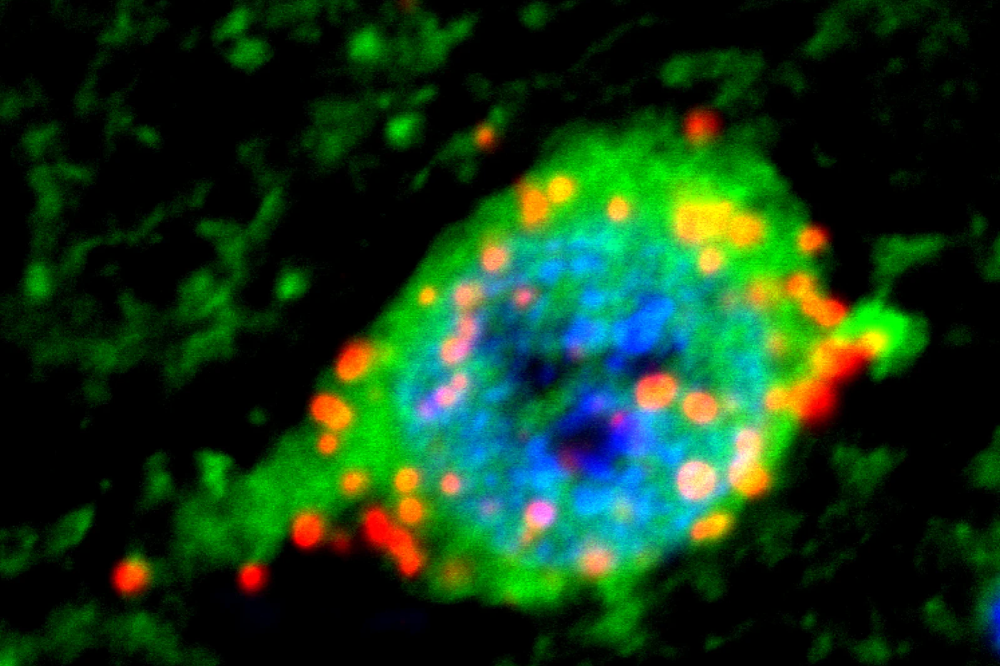
Data released from a successful phase 3 trial validate an approach that Rockefeller’s Nathaniel Heintz has pioneered for decades—and could pave the way for a new generation of neurological drugs.
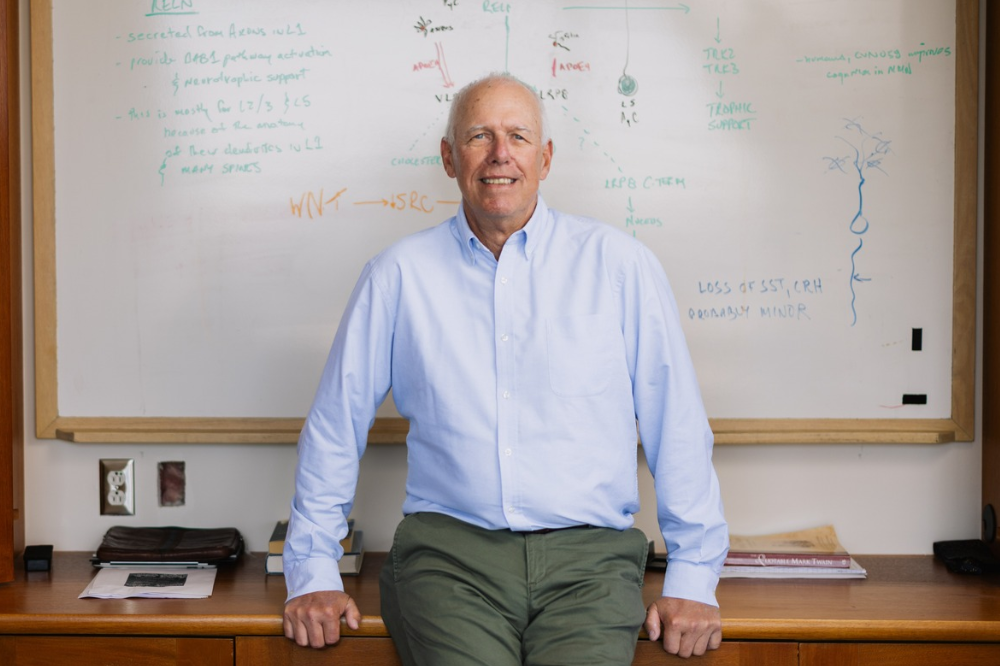
Nathaniel Heintz has spent decades building tools to peer inside individual brain cell types—now he's using those tools to spot some of the earliest changes that occur in neurodegenerative diseases.
At the SNF Nostos Conference in Athens, Rockefeller scientists discussed how enhanced global access and public participation can help ensure that science best serves the general public.
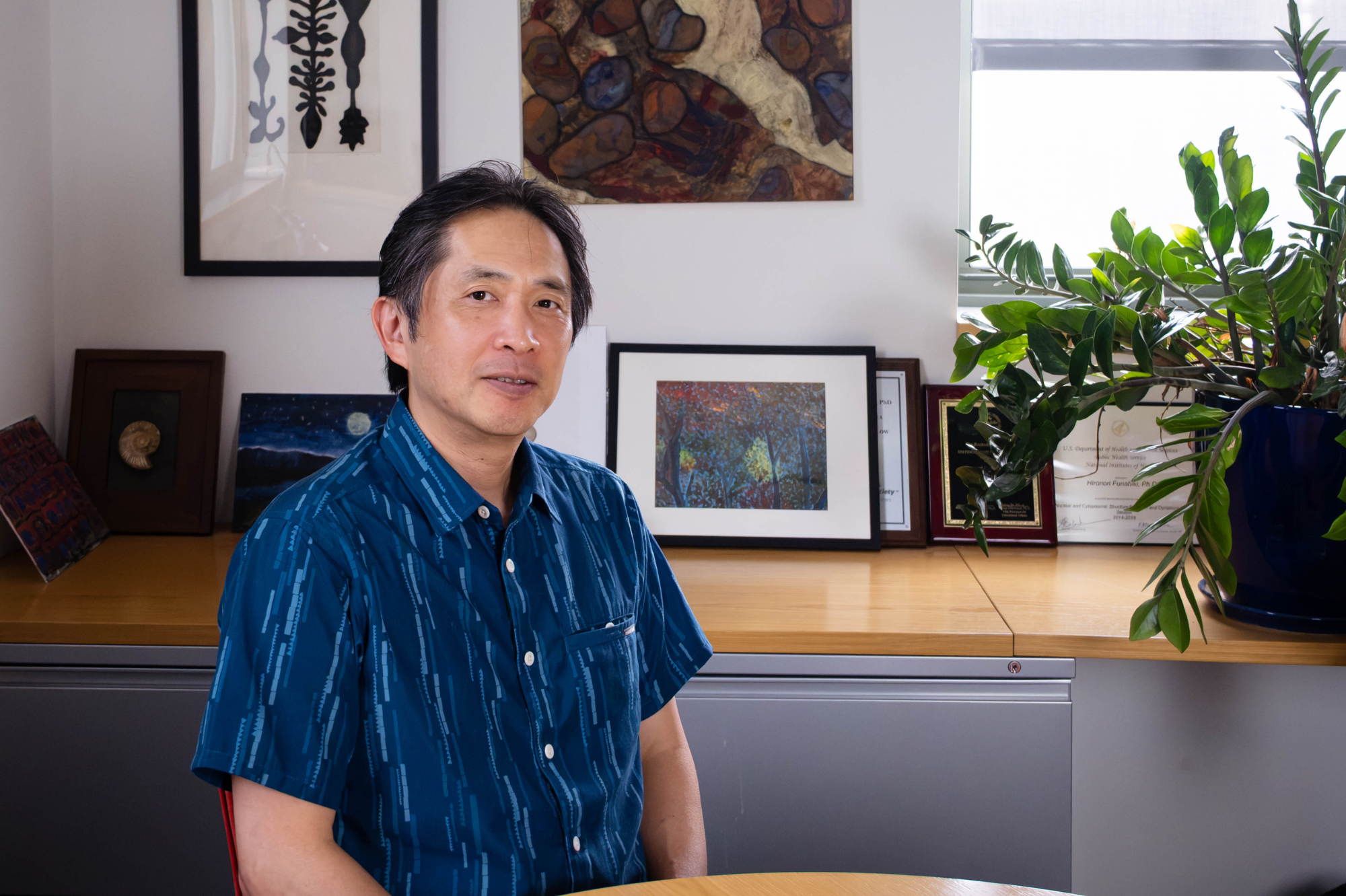
Hironori Funabiki studies how the chromosomes carrying our genomic DNA are copied and maintained. His basic research is shedding light on cancer, rare immune diseases, and even how our bodies recognize viruses.
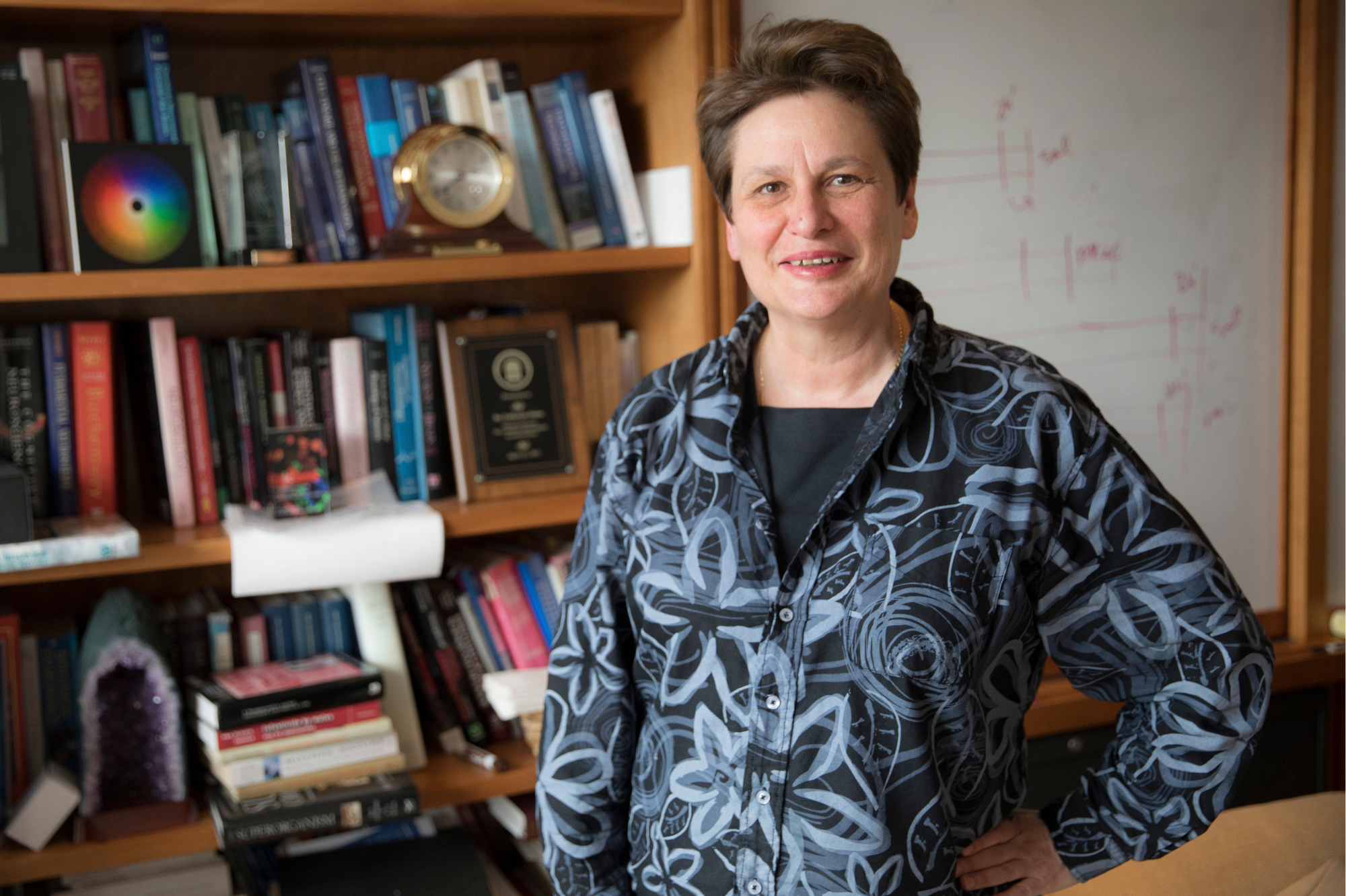
Dulac's research revealed the neural circuits underlying instinctive behaviors such as mating, parenting, and aggression. She will be presented with the award on October 20.
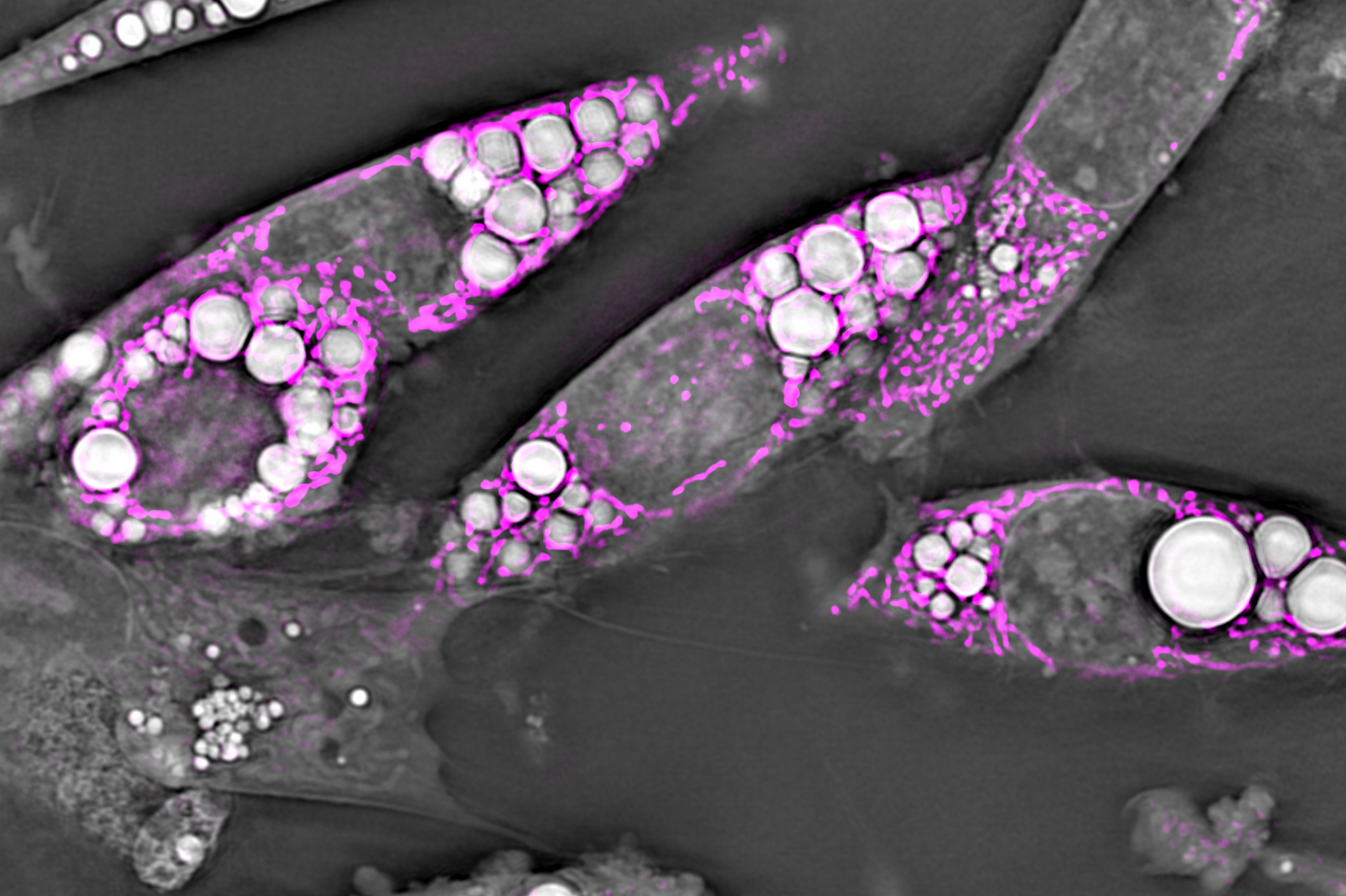
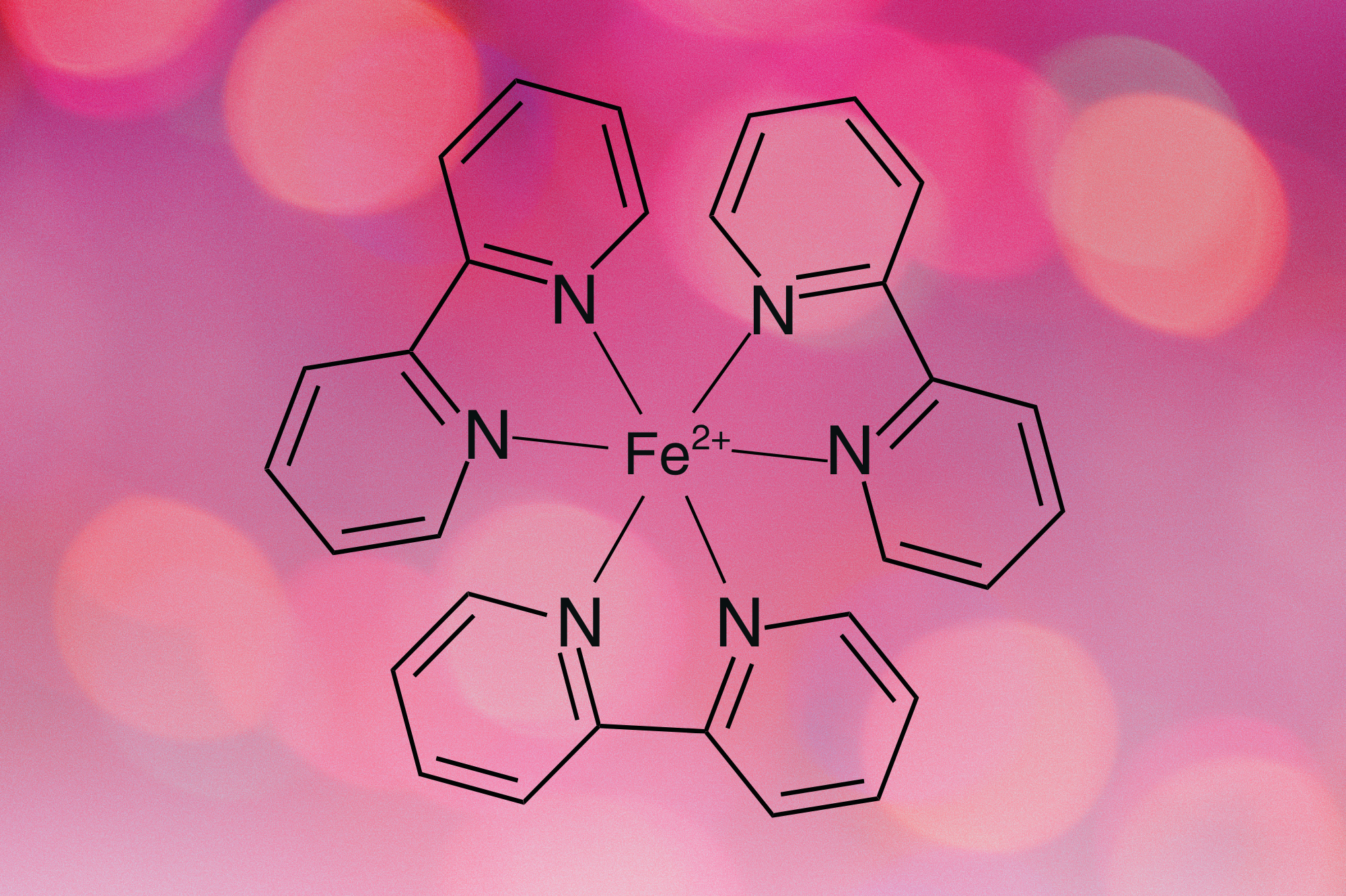
Cysteine is essential for life, but toxic in excess. A new study reveals why: free cysteine can unleash stored iron, overwhelming mitochondria and triggering a form of cell death.