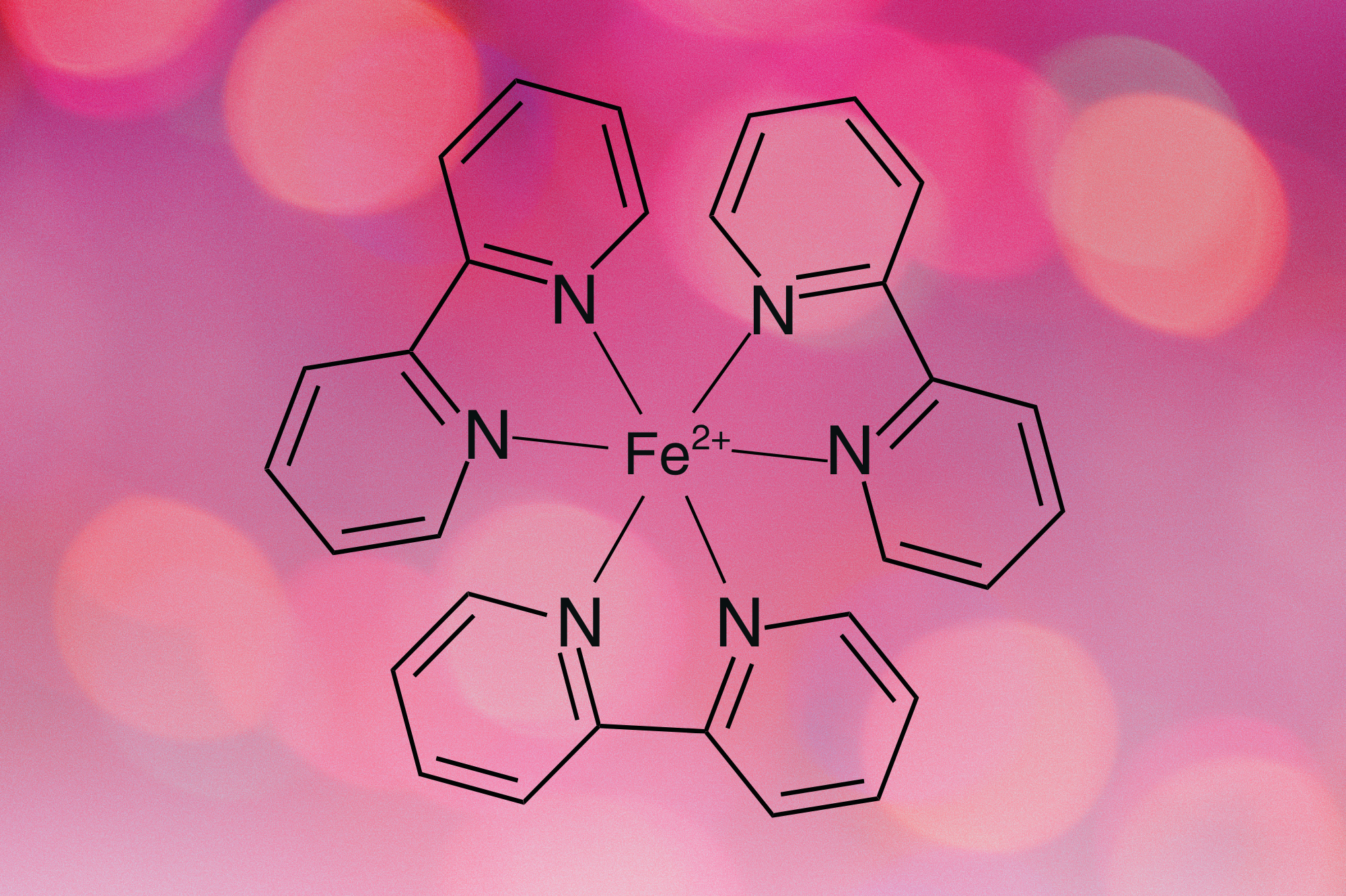
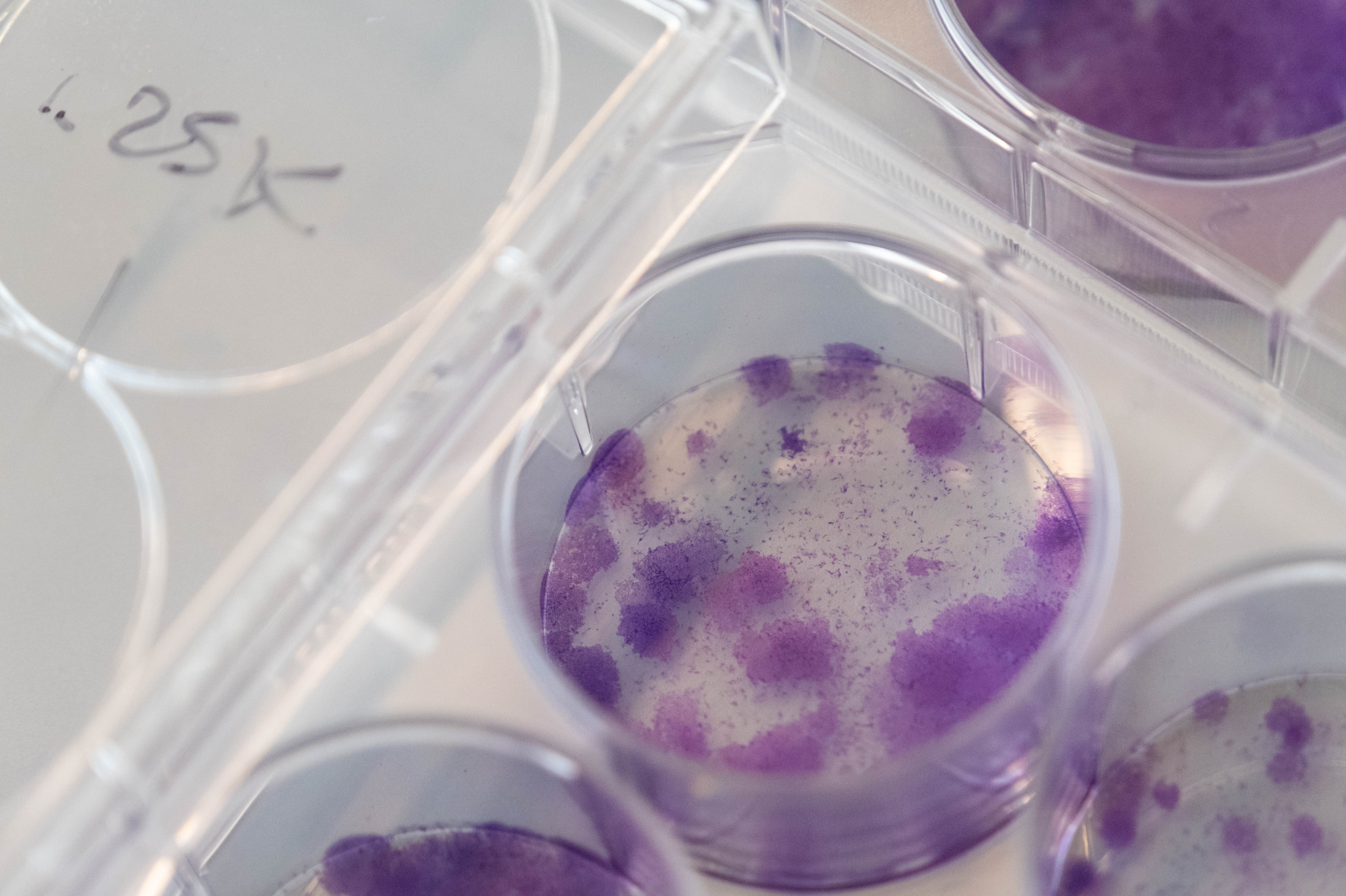
Cysteine is essential for life, but toxic in excess. A new study reveals why: free cysteine can unleash stored iron, overwhelming mitochondria and triggering a form of cell death.
A large clinical trial shows that long-acting antibodies may work with the immune system to control HIV and help reduce the reservoir that would make lifelong treatment necessary.
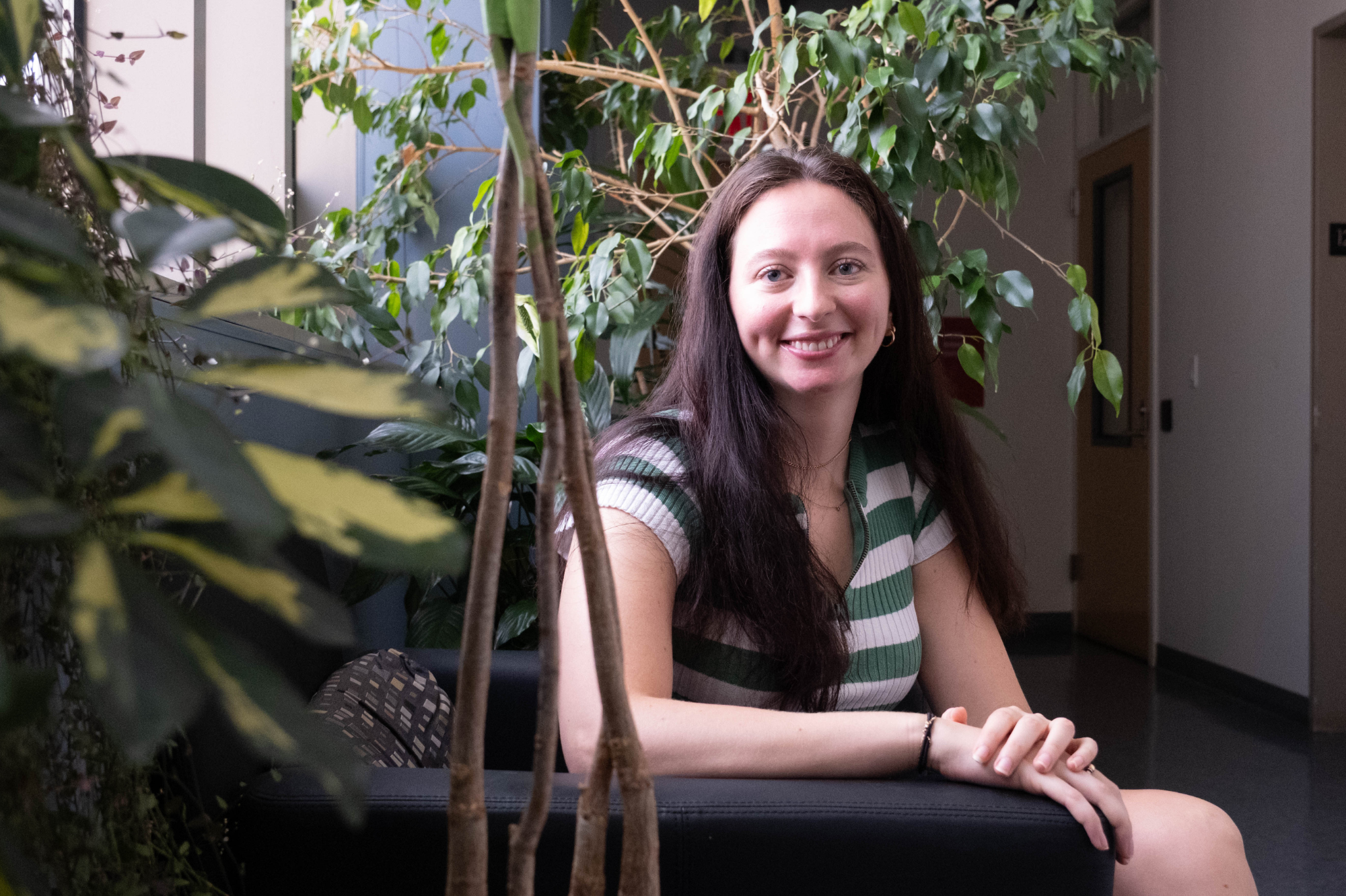
Grad student Natalie Alexander gravitated to science to feed her wide-ranging curiosity. Now she’s investigating why obesity triggers higher rates of inflammatory skin diseases.
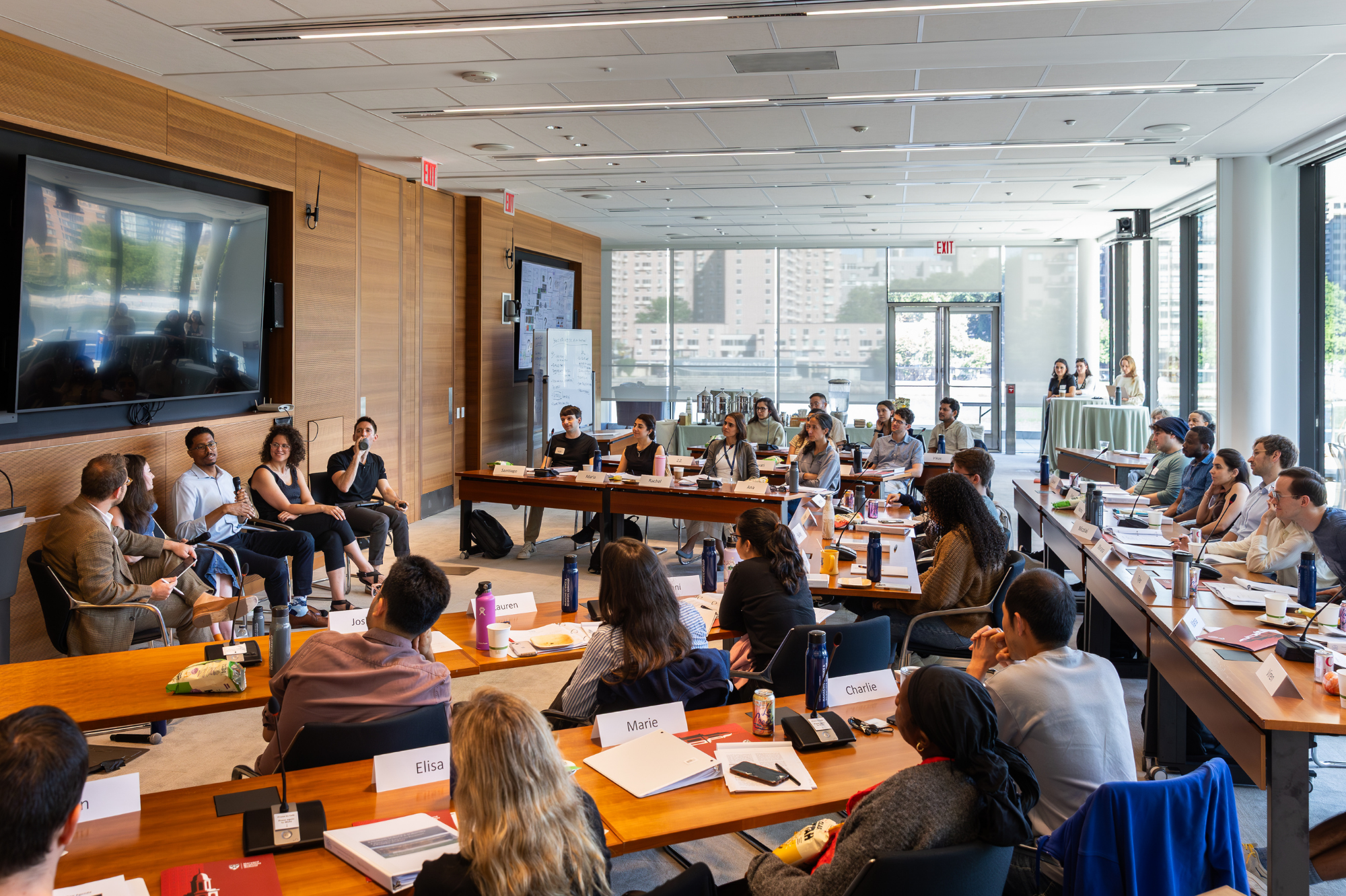
A three-day workshop equipped early-career Rockefeller researchers with skills rarely taught in graduate school, from managing laboratory operations to financial literacy and well-being.
A toolkit devised by Rockefeller scientists works toward reducing global health disparities by factoring access and affordability into the earliest stages of biomedical discovery.
Thirty years ago, an insight from a rare brain disease took Robert Darnell's career in an unexpected direction. He’s still surprised by what he’s learning.
Brief bursts of intense exercise trigger a molecular response linked to a lower risk of cardiovascular and metabolic disease and that are associated with slower biological aging.