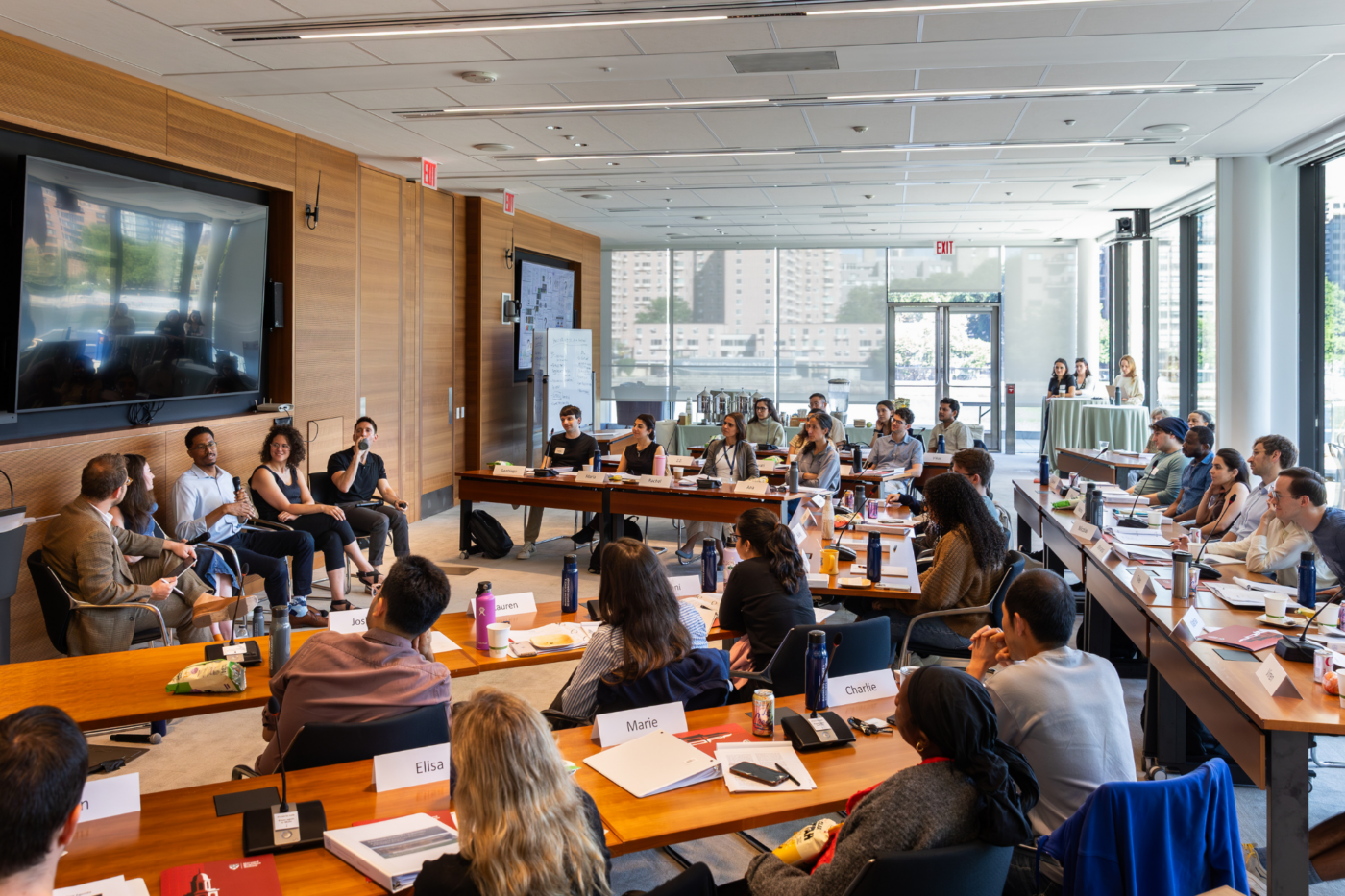
A three-day workshop equipped early-career Rockefeller researchers with skills rarely taught in graduate school, from managing laboratory operations to financial literacy and well-being.
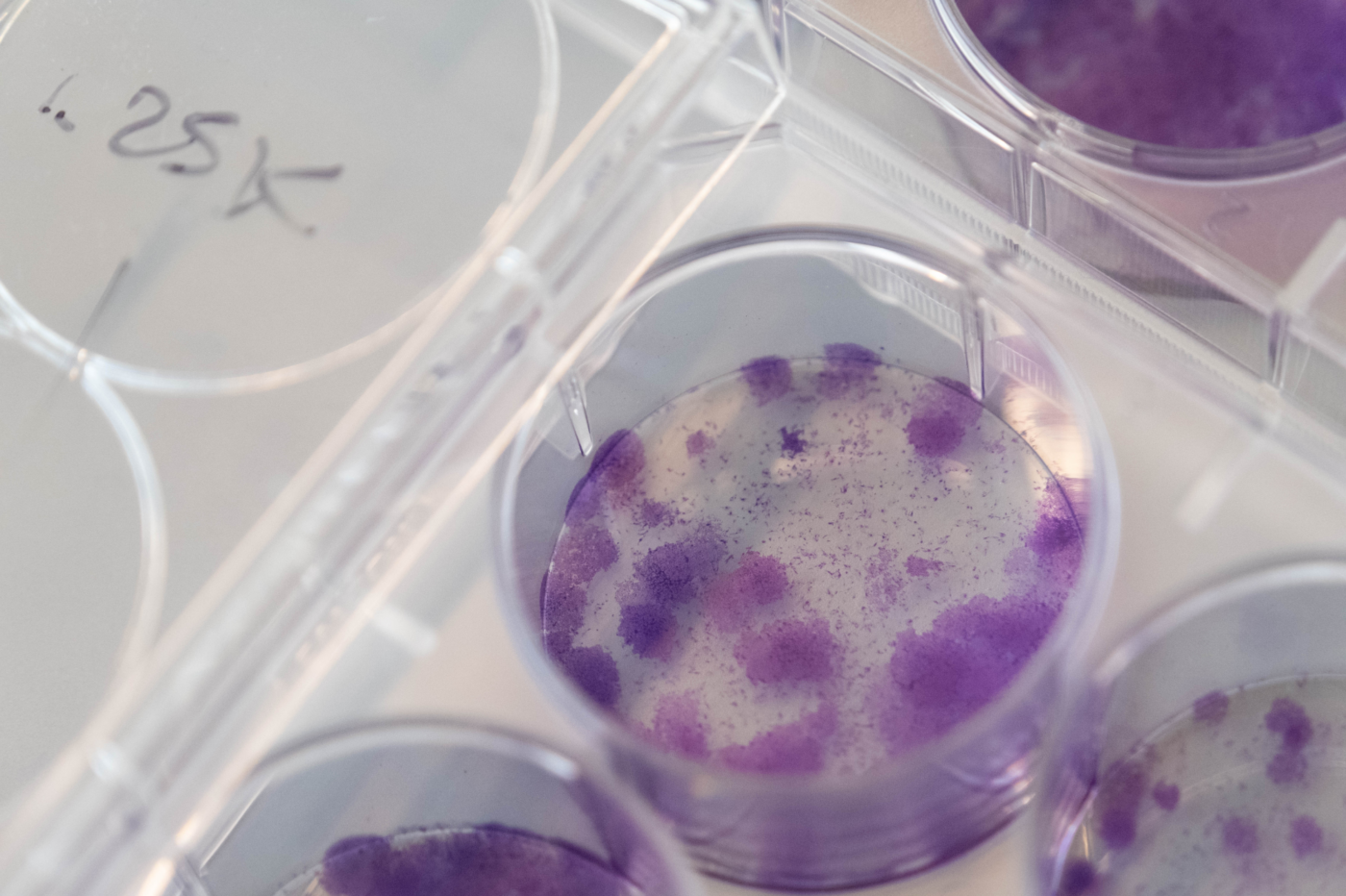
A toolkit devised by Rockefeller scientists works toward reducing global health disparities by factoring access and affordability into the earliest stages of biomedical discovery.
Thirty years ago, an insight from a rare brain disease took Robert Darnell's career in an unexpected direction. He’s still surprised by what he’s learning.
Brief bursts of intense exercise trigger a molecular response linked to a lower risk of cardiovascular and metabolic disease and that are associated with slower biological aging.
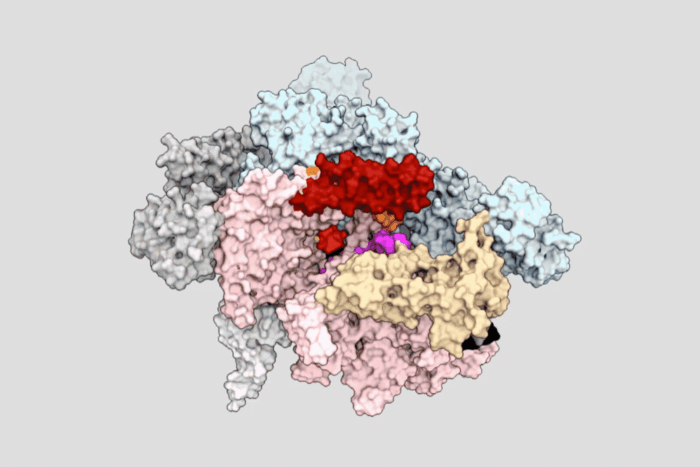
New paper solves a longstanding mystery about how a class of antibiotics works and simultaneously reveals a key structural mechanism behind one of biology's most important enzymes.
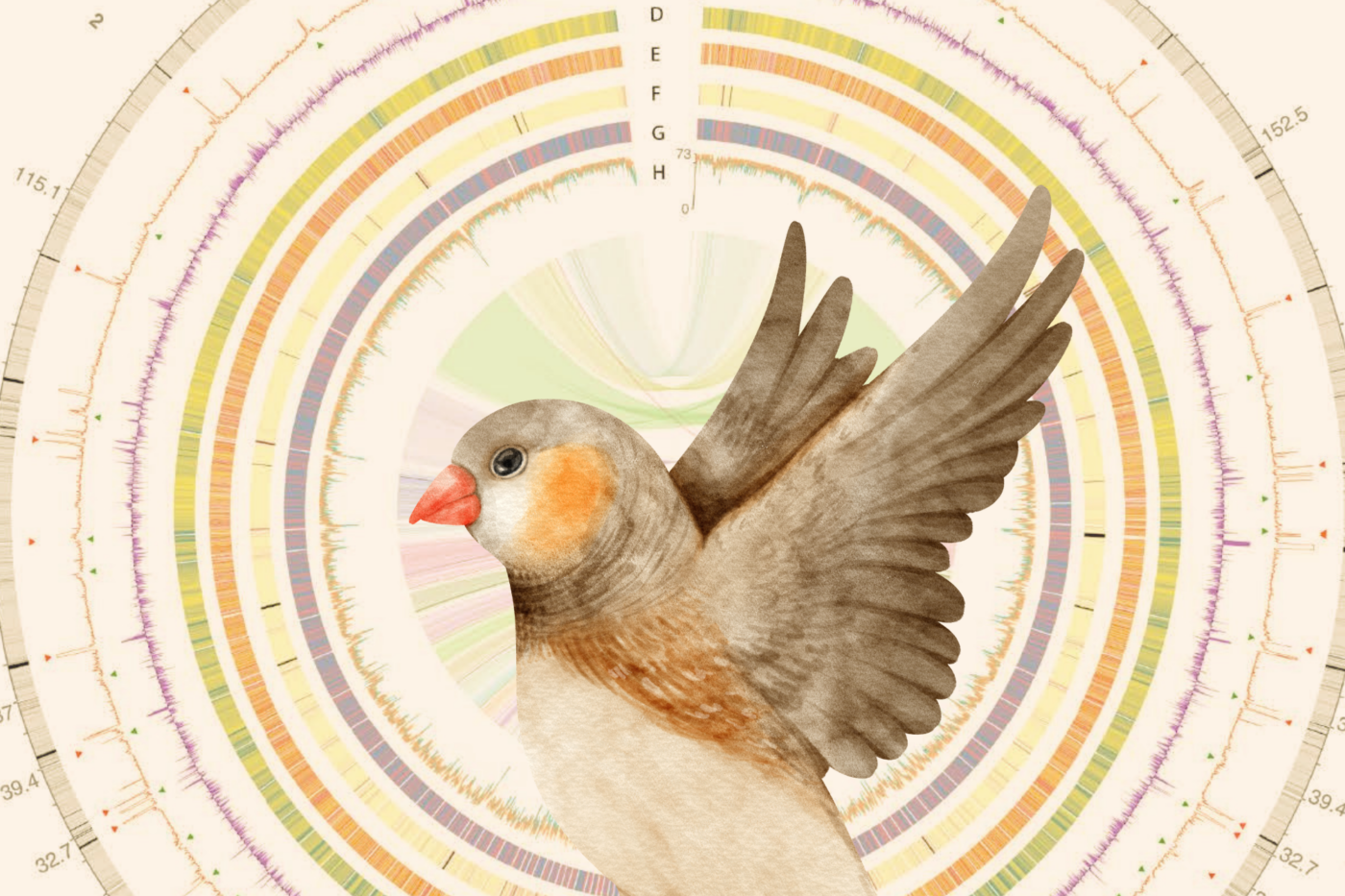
In a new study, scientists uncover thousands of previously hidden genes and reveal ancient chromosome structures, with sweeping implications for the study of neuroscience and evolution.