Campus-wide celebration marks Rockefeller’s 125th anniversary
 COPY LINK
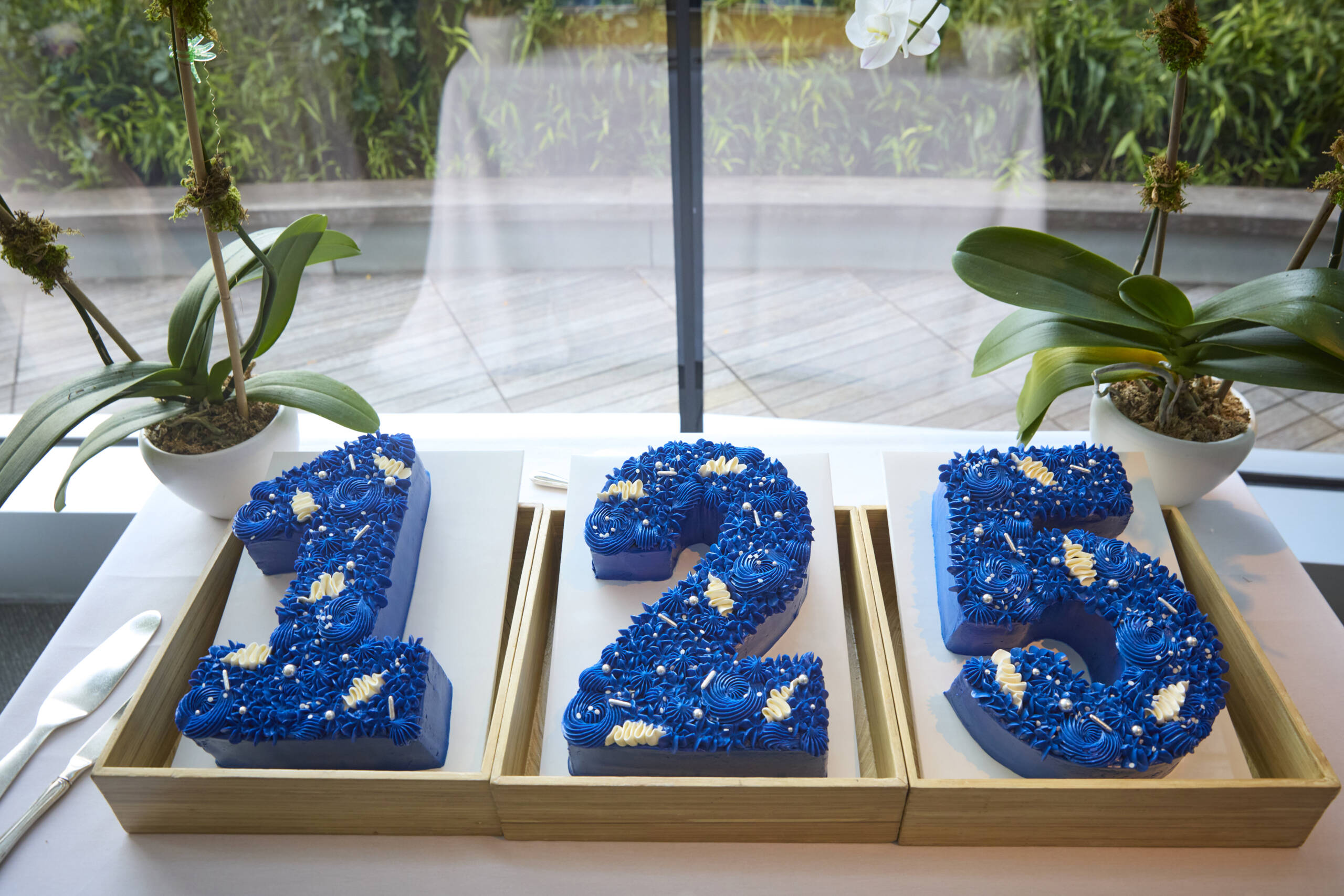
The anniversary cake. (Credit: Matthew Septimus)
One hundred and twenty-five years after its founding as the first biomedical research center in the United States, the Rockefeller University is celebrating its unique history. An intentionally small institution renowned for its outsized output, the university has been the home of countless breakthroughs—from establishing DNA as the molecule of heredity to enabling a cure for hepatitis C—that have dramatically benefitted humanity.
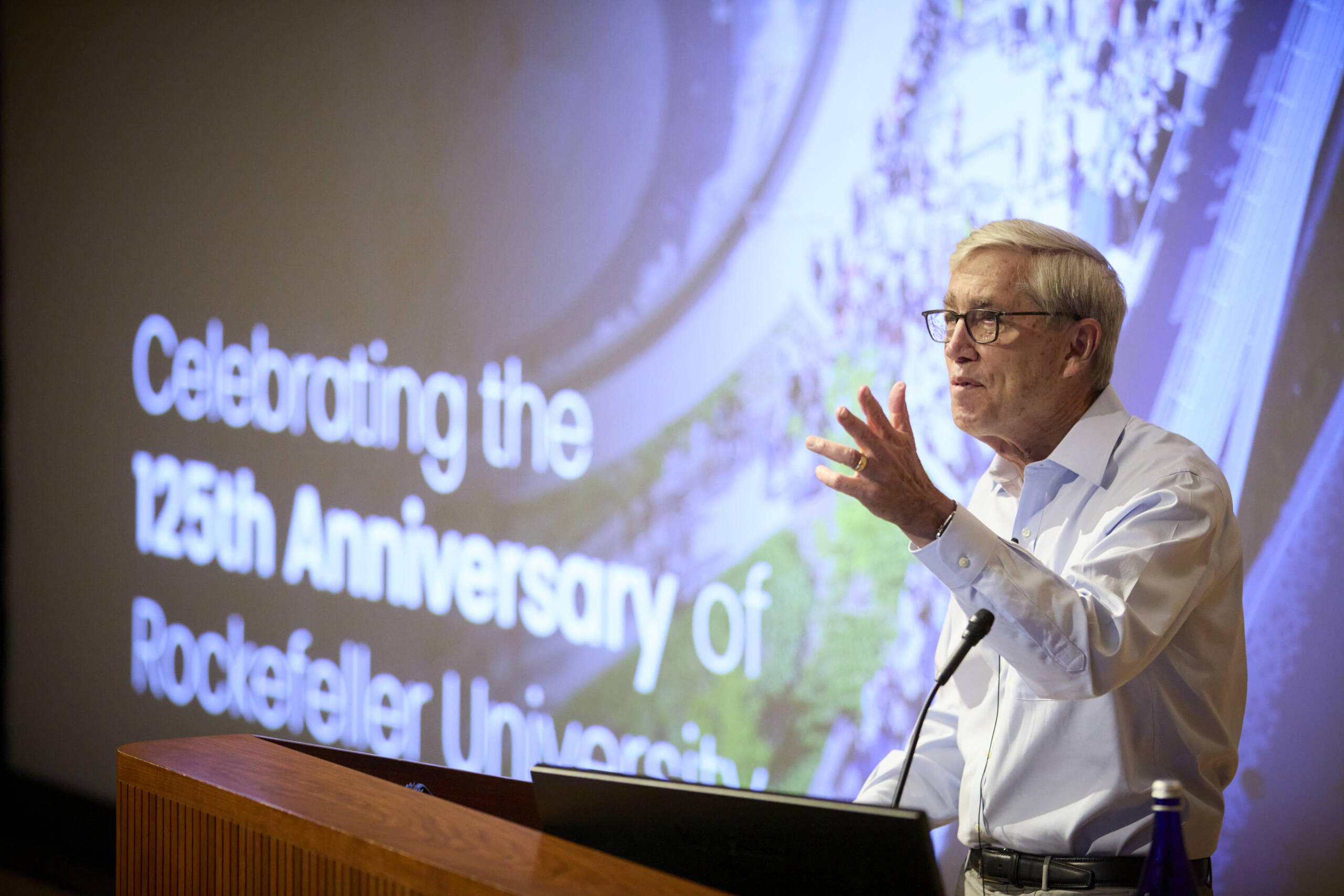
Such an extraordinary string of accomplishments is only possible through the hard work of generations of dedicated scientists, students, and staff, said Rockefeller President Richard P. Lifton. “We are a collective,” Lifton noted in an address that kicked off the day’s festivities. “It doesn’t matter if you’re a head of lab, postdoc, student, or staff. Everybody knows why they’re here, and we all are rowing in the same direction.”
For the benefit of humanity
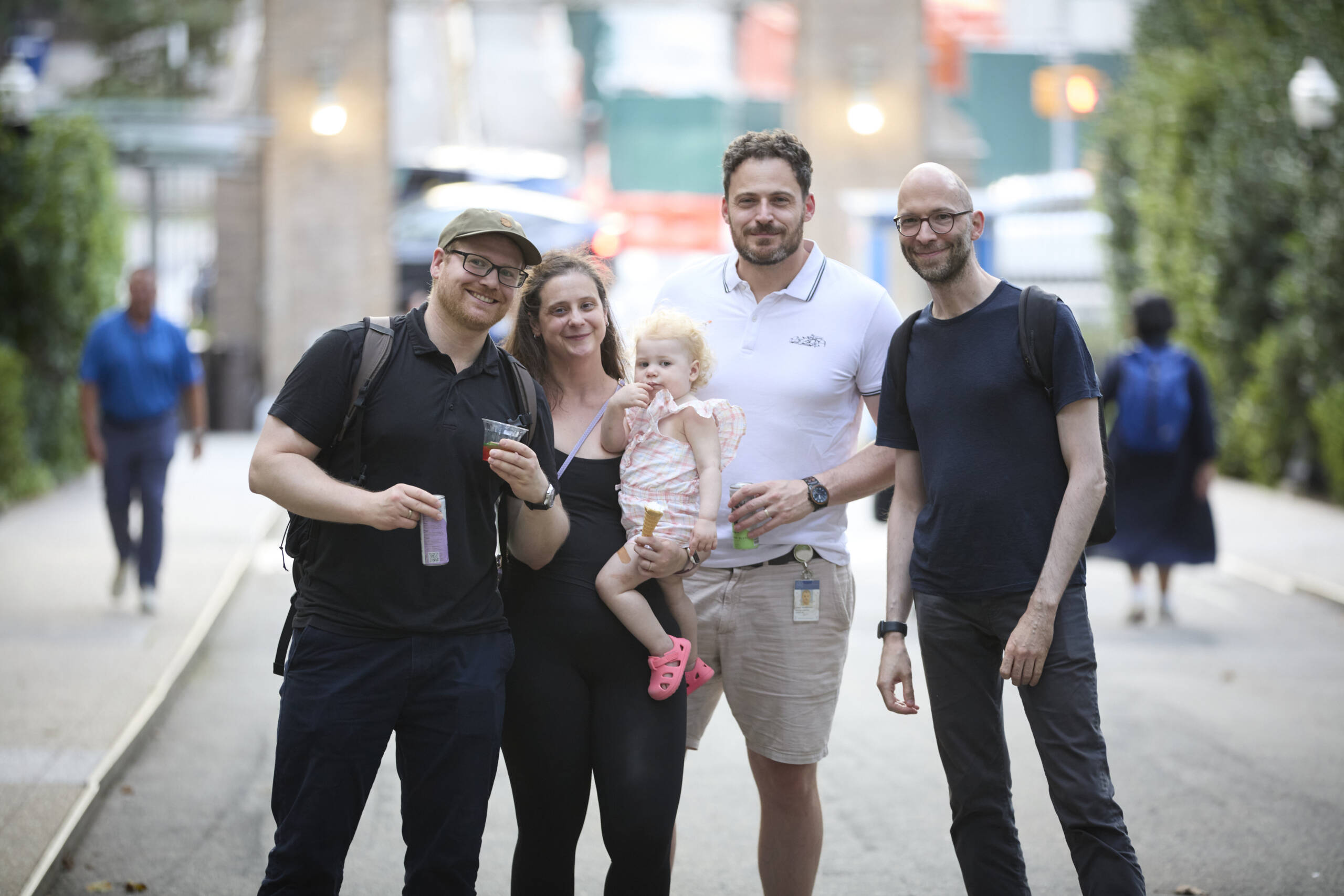
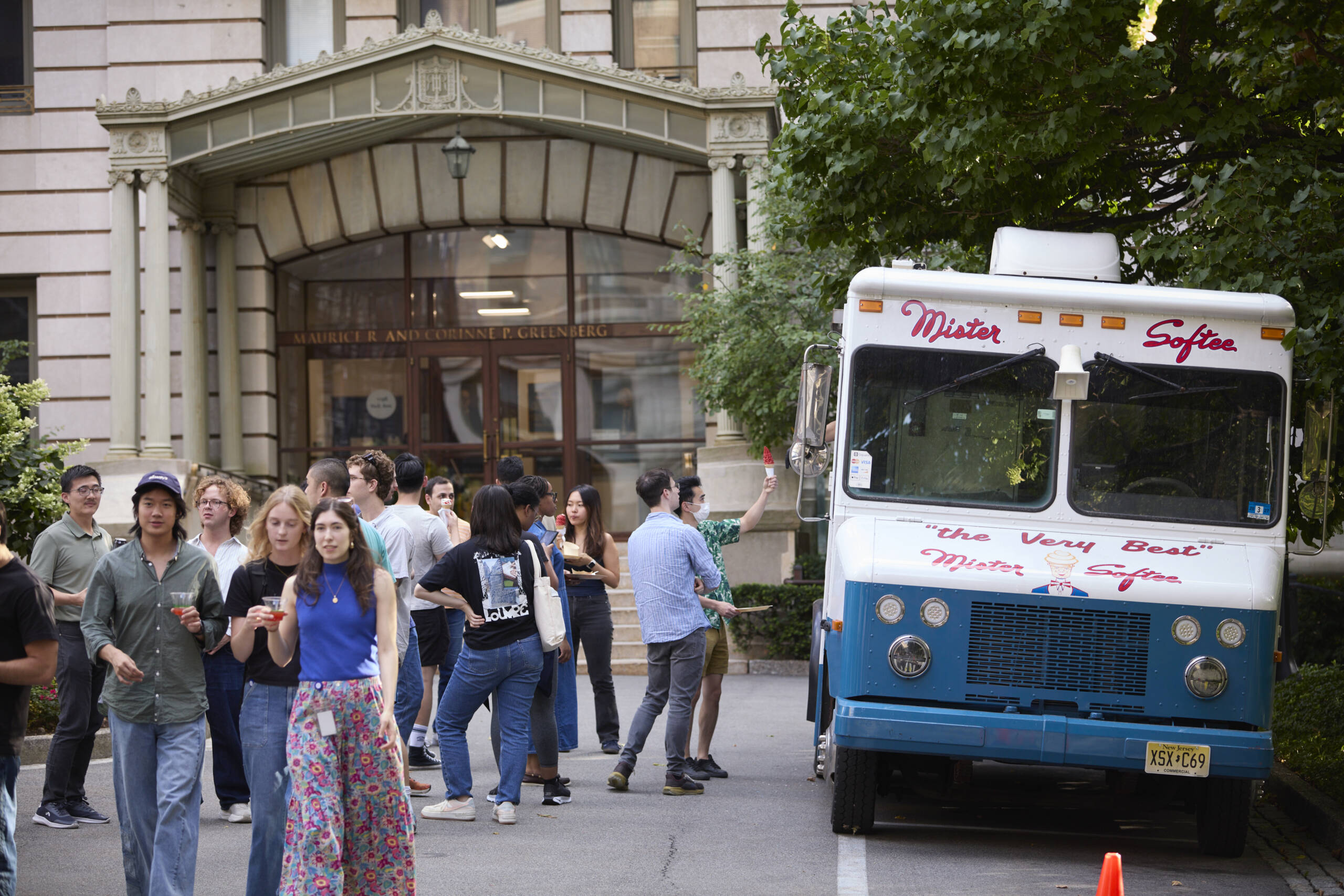
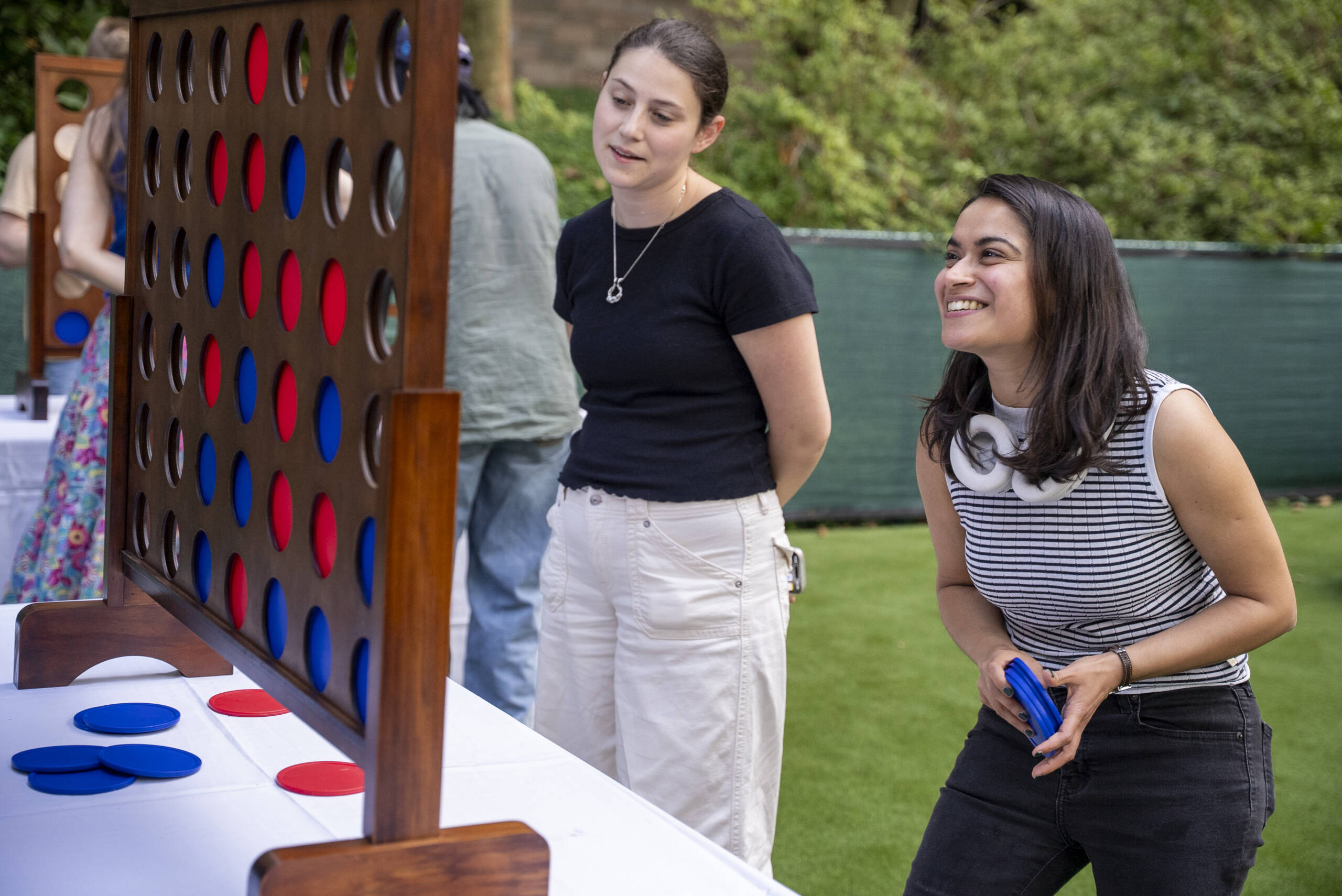
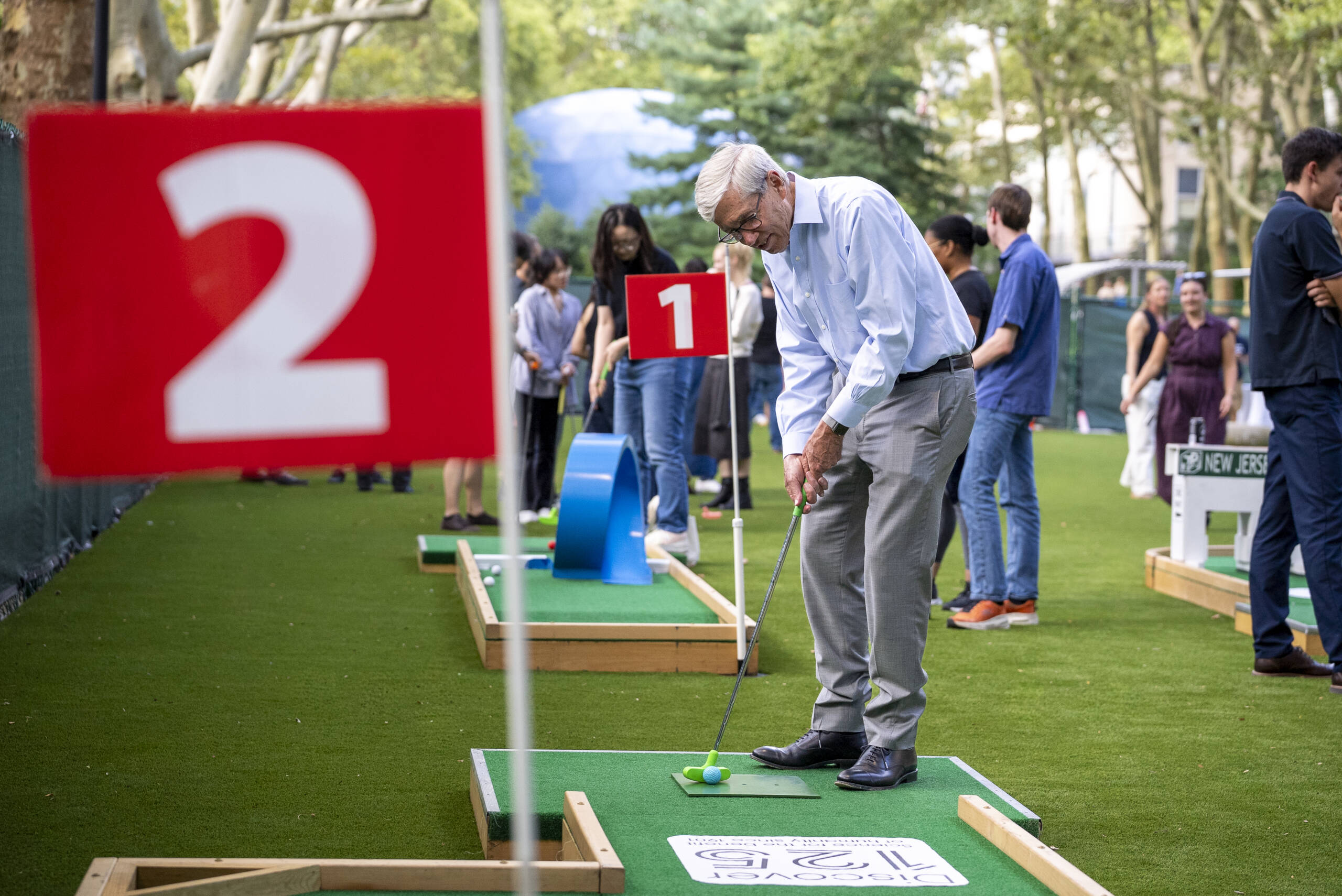
The September 10 celebration marked not just Rockefeller’s 125th anniversary but also the 70th anniversary of the David Rockefeller Graduate Program. The joint festivities spread across campus, from the Rooftop Gardens to The Kreek, and included mini golf, yard games, a strolling magician, and a dinner buffet, as well as a DJ and dancing. The event also debuted an historic timeline highlighting the university’s major milestones, which now runs alongside the Stavros Niarchos Foundation-David Rockefeller (SNF-DR) River Campus.
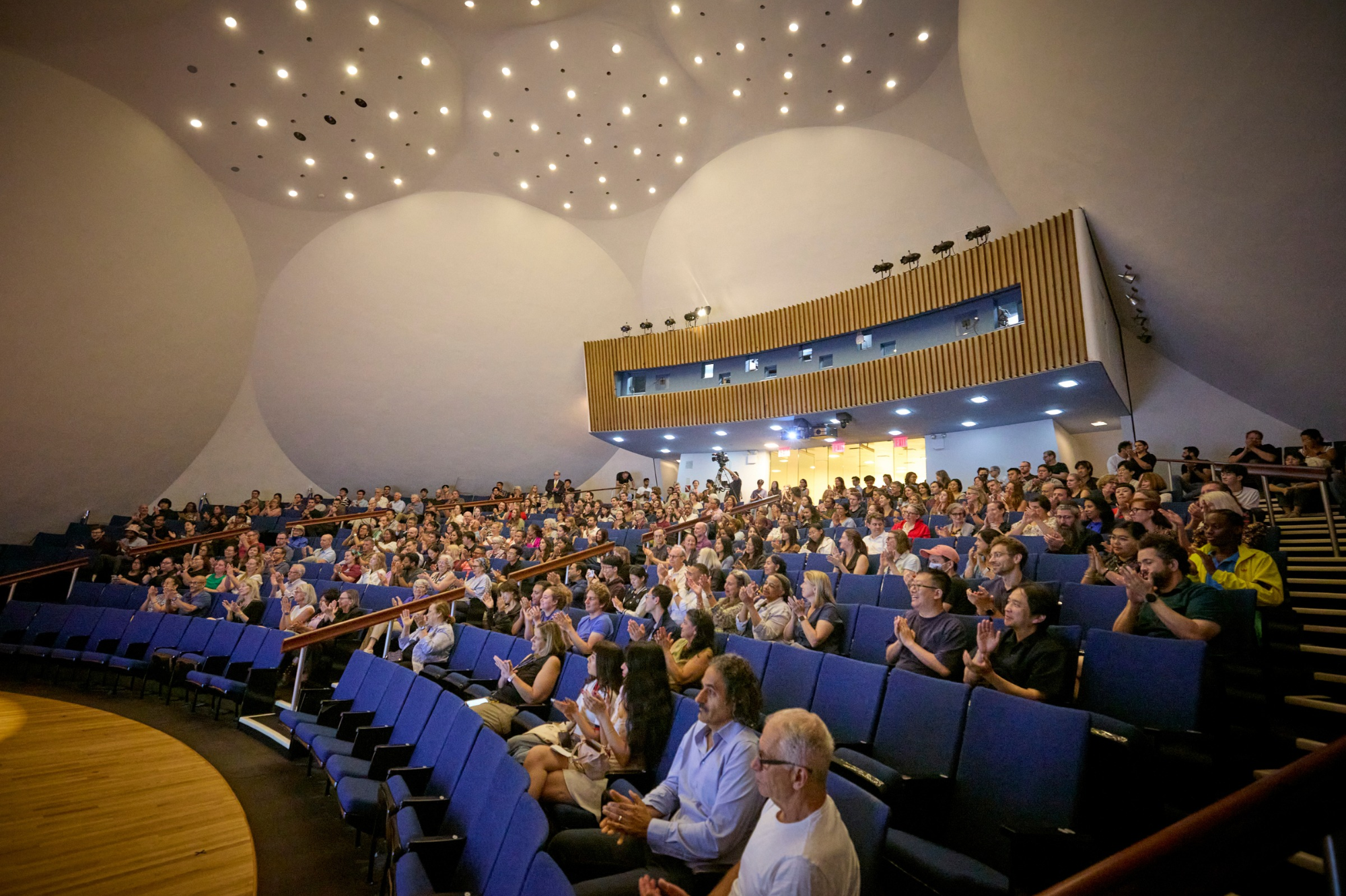
But before the party got underway, the community gathered in Caspary Auditorium to hear Lifton recount the institution’s legacy and highlight some of the discoveries, people, and ideas that shaped it.
In 1901, John D. Rockefeller established the Rockefeller Institute for Medical Research with a $200,000 gift following the death of his young grandson from scarlet fever. From the start, Rockefeller was designed to be light on its feet with a disproportionate impact on biomedical research. “More does not mean better, and I think that’s been a core philosophy of Rockefeller,” Lifton said. “Provide scientists with great resources, a great environment, and the time to tackle the biggest questions and be nimble when scientific opportunities and needs emerge.”
Indeed, only 234 professors have served on Rockefeller’s faculty in the past 125 years, yet Rockefeller scientists have won 26 Nobel Prizes; seven since 1999. Today, roughly 30 percent of Rockefeller papers rank among the top 10 percent most cited in their fields, placing the institution first in scientific impact among some 1,400 research institutions worldwide.
Behind those numbers is a long list of discoveries that begins almost as soon as the university opened its doors, including Karl Landsteiner’s identification of the RH factor, Peyton Rous’s discovery of cancer-causing viruses and Louise Pearce’s 1920s trial of a treatment for African sleeping sickness. Lifton described how Rockefeller scientists helped found modern cell biology and illuminated the basic biology behind appetite and metabolism, ion channels, circadian rhythms, and gene editing.
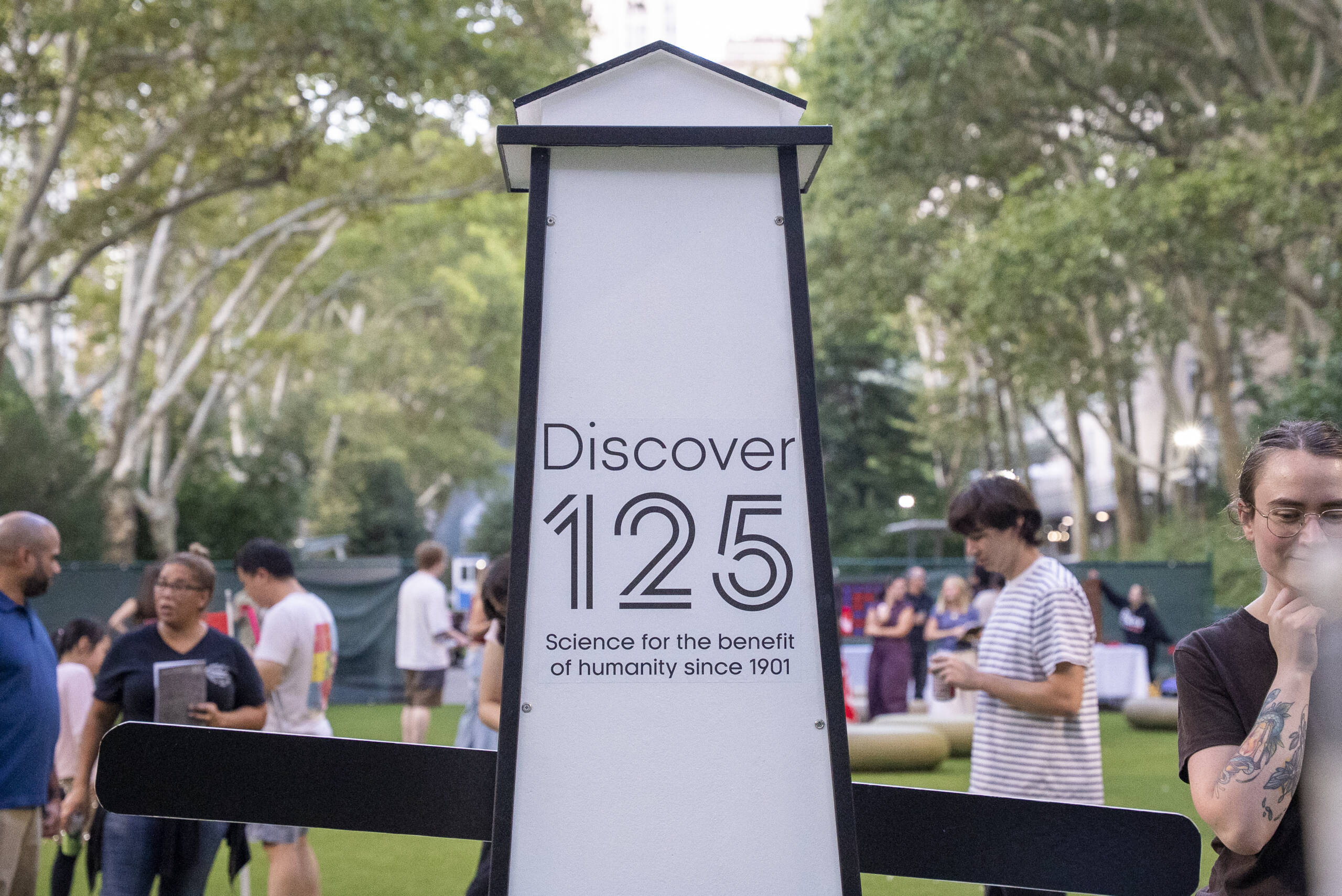
Rockefeller’s basic science continues to transform medicine, including with Svetlana Mojsov’s identification of active form and function of GLP-1, which laid foundations for drugs such as Ozempic, Charles Rice’s hepatitis C research, which helped pave the way for modern treatments, and Michel Nussenzweig’s work on broadly neutralizing HIV antibodies that led to a long-term treatment now in Phase 3 clinical trials. A survey of many such transformative accomplishments of the past 25 years can be found in an insightful new book published in honor of the anniversary. Underwritten by a donor’s generous support Discover 125: Leading a New Century of Science for the Benefit of Humanity picks up where the historical and scientific context of the centennial retrospective Achievements left off in 2001. This new book offers a closer look at the scientists, ideas, and breakthroughs that have shaped the institution in recent decades, giving members of the Rockefeller community an opportunity to explore in-depth a remarkable shared legacy. Discover 125 will be available in the Markus Library collection in November; Achievements can be downloaded from the RU Press.
“Rockefeller was founded with the goal of trying to understand the fundamental causes of disease, with the realization that we were not going to get very far in prevention or treatment without this basic understanding,” Lifton said.
Ever-growing impact
Over the decades, Rockefeller’s campus has evolved alongside its science, beginning in 1906, when Founders Hall stood isolated on the site of Schermerhorn Farm on the Upper East Side. Open fields and horse paddocks soon gave way to a research hospital, laboratories, faculty housing, and other facilities, with later projects knitting generations of buildings into an increasingly integrated campus. Most recently, Rockefeller’s SNF-DR River Campus was built over the FDR Drive by stacking 1,000-ton prefabricated modules that had been barged up the East River—an enormous engineering feat that added 2.5 acres to the campus in 2019.
But the university’s impact on the city extends beyond its gates. As one noteworthy example, RockEDU, its outreach program, brings local students and educators into real research environments, and spearheads Science Saturday, an annual campus science festival for local children and families. Since 2012, RockEDU has worked with more than 25,000 K–12 students, 2,500 science educators, and 3,000 university scientists who serve as mentors or volunteers, in partnership with more than 250 community organizations.
Lifton noted that philanthropy is a critical pillar of the institution and recognized the remarkable role that private support has played in fueling research, faculty recruitment, new technologies, and capital construction. He lauded the unparallelled leadership and commitment of Rockefeller’s board members, among the benefactors whose major contributions have made the university’s extraordinary success possible over the past 25 years.
Looking ahead, Lifton also pointed to continued faculty growth and new avenues for collaboration and translation, including Rockefeller’s Ford Center Incubator, which opened in 2024 to help turn discoveries into biotech startups, and Biohub New York, a partnership with Columbia and Yale aimed at decoding the immune system’s signals.
“I’m just thrilled that we’re able to come together and celebrate the 125th anniversary of this great institution,” he said. “I would love to be around to see the next 125 years. It will be even greater.”
Event photos below were taken by Marika Hacking and Matthew Septimus.