Thirty years ago, an insight from a rare brain disease took Robert Darnell's career in an unexpected direction. He’s still surprised by what he’s learning.
Brief bursts of intense exercise trigger a molecular response linked to a lower risk of cardiovascular and metabolic disease and that are associated with slower biological aging.
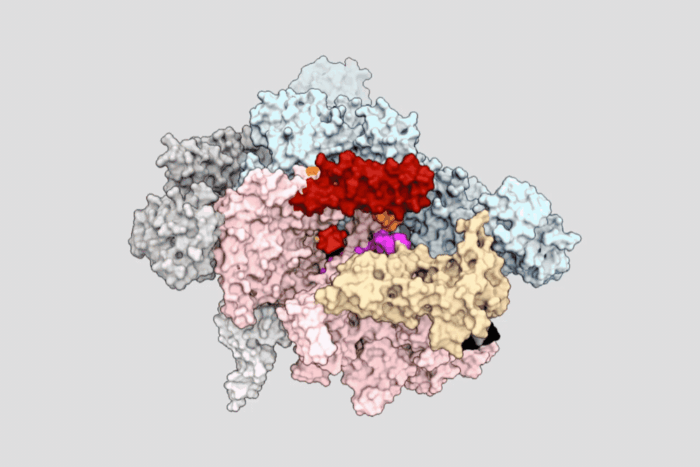
New paper solves a longstanding mystery about how a class of antibiotics works and simultaneously reveals a key structural mechanism behind one of biology's most important enzymes.
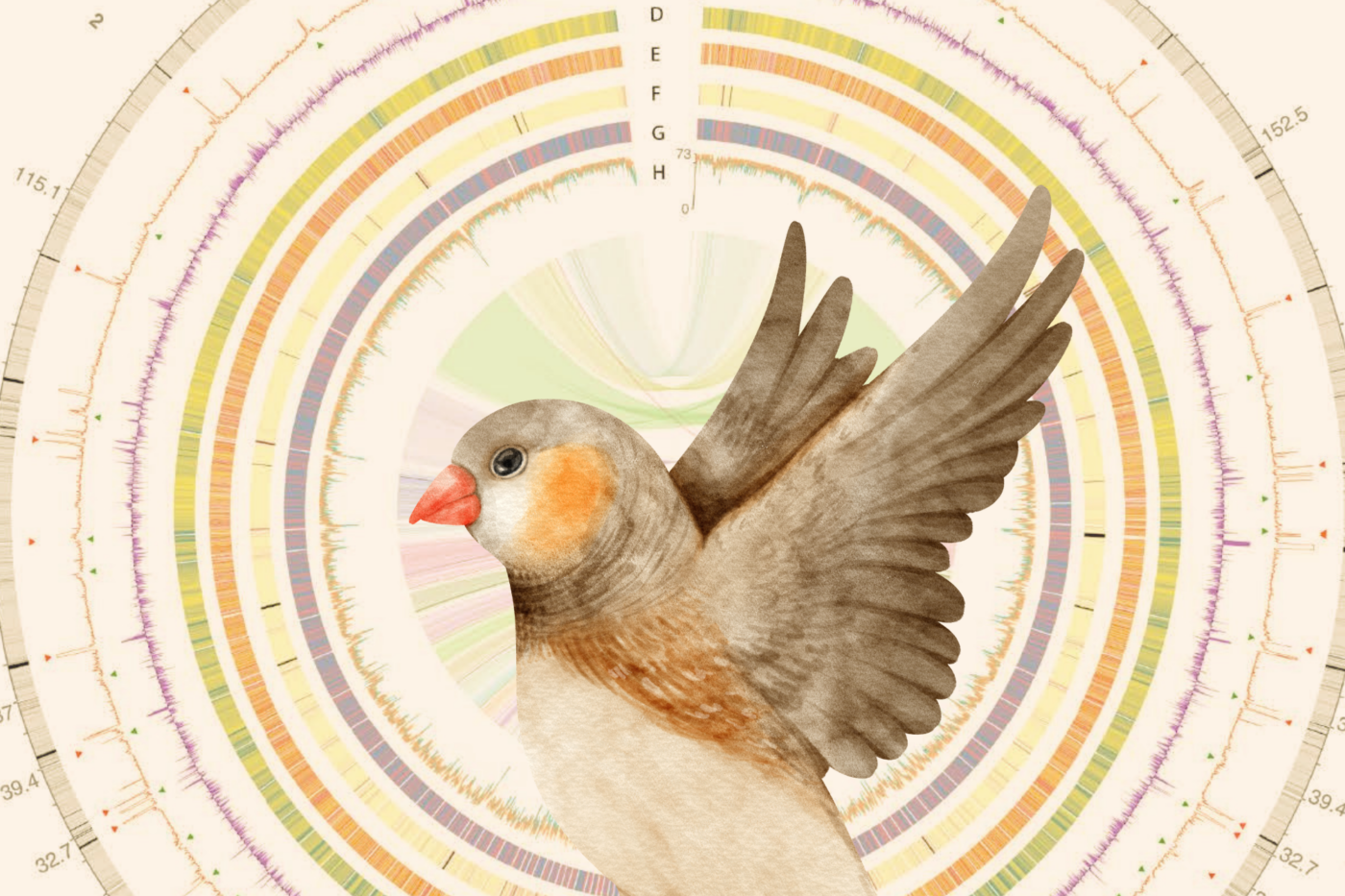
In a new study, scientists uncover thousands of previously hidden genes and reveal ancient chromosome structures, with sweeping implications for the study of neuroscience and evolution.
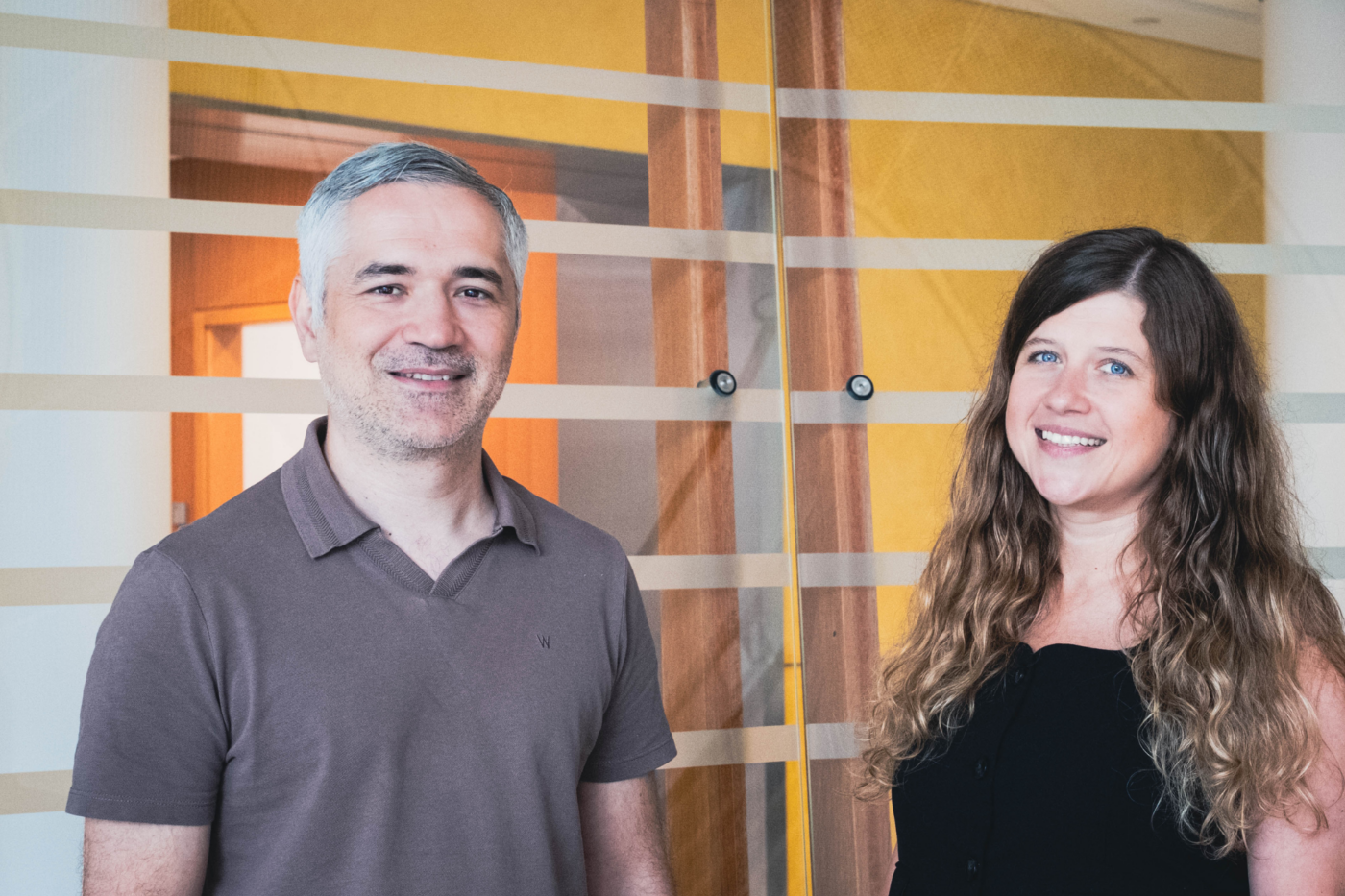
Rockefeller's Birsoy and Vinogradova labs teamed up to study how cancer cells rewire their metabolism, and how these changes could be targeted therapeutically.