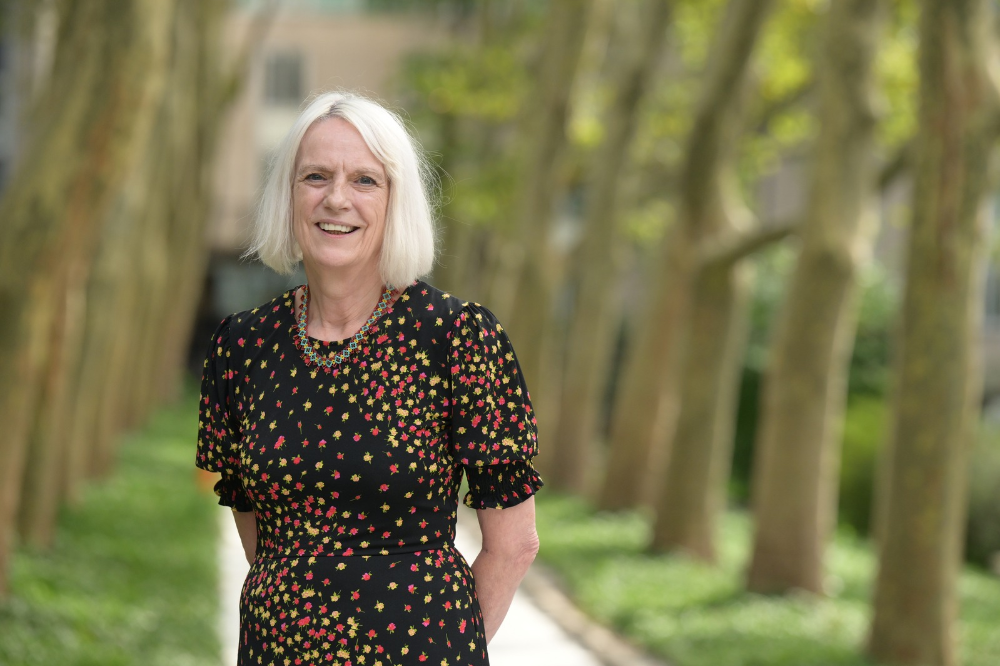
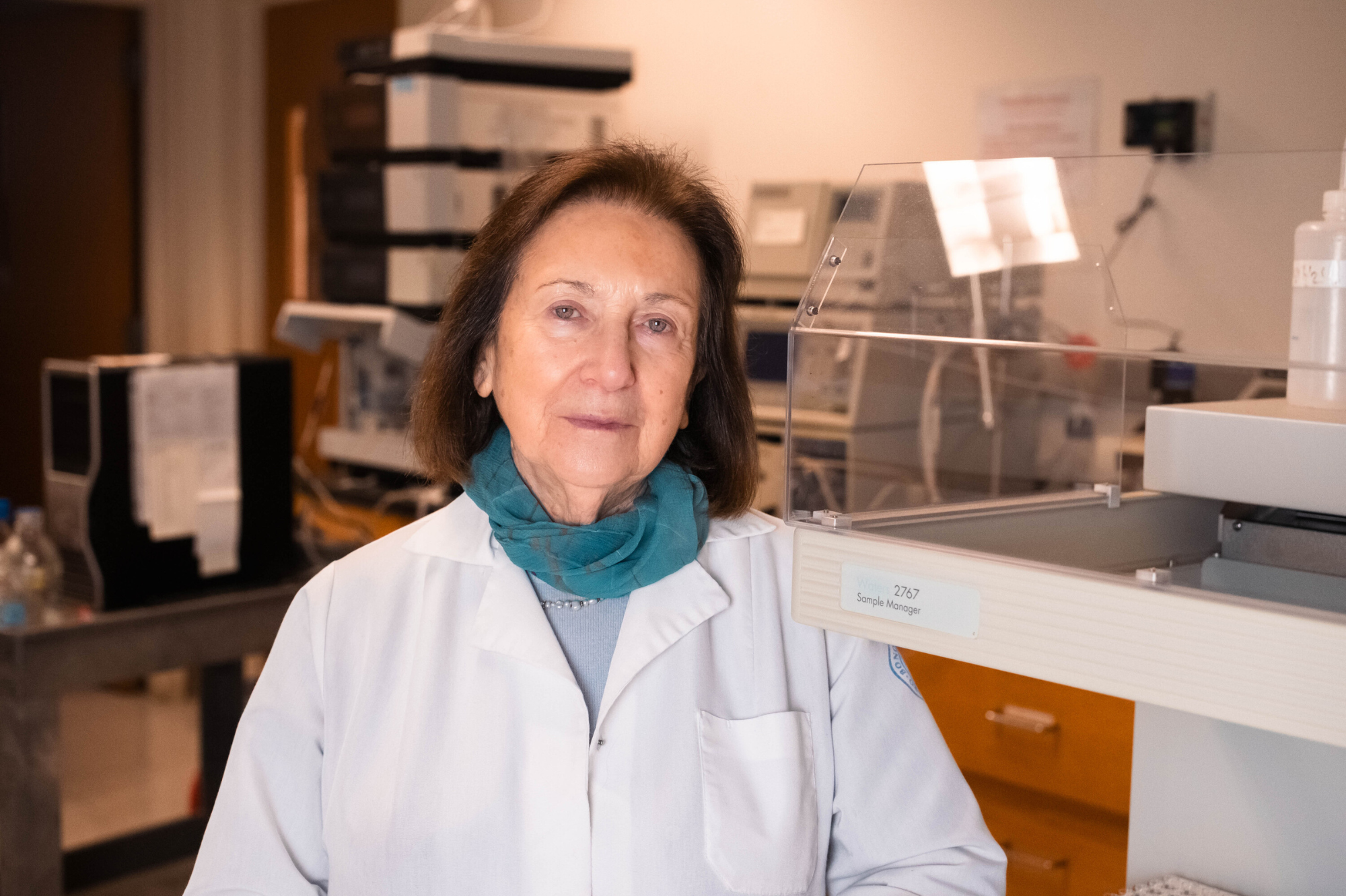
AI isn’t just changing how scientists write up research, but also the way journals publish those papers. Yet collaborative human relationships remain crucial, says Susan King, executive editor at RUP.
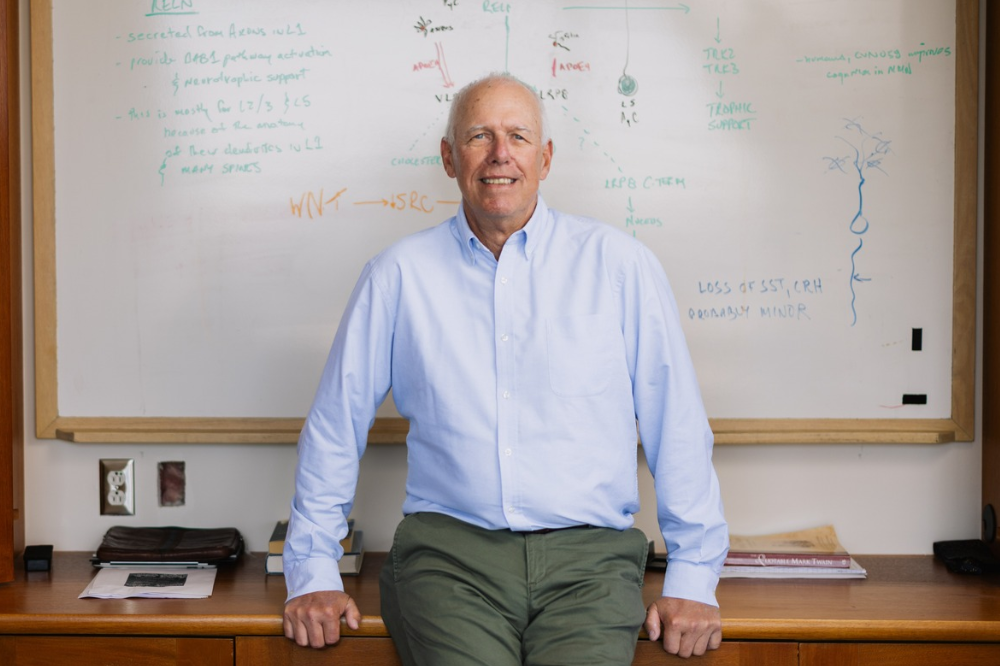
Data released from a successful phase 3 trial validate an approach that Rockefeller’s Nathaniel Heintz has pioneered for decades—and could pave the way for a new generation of neurological drugs.
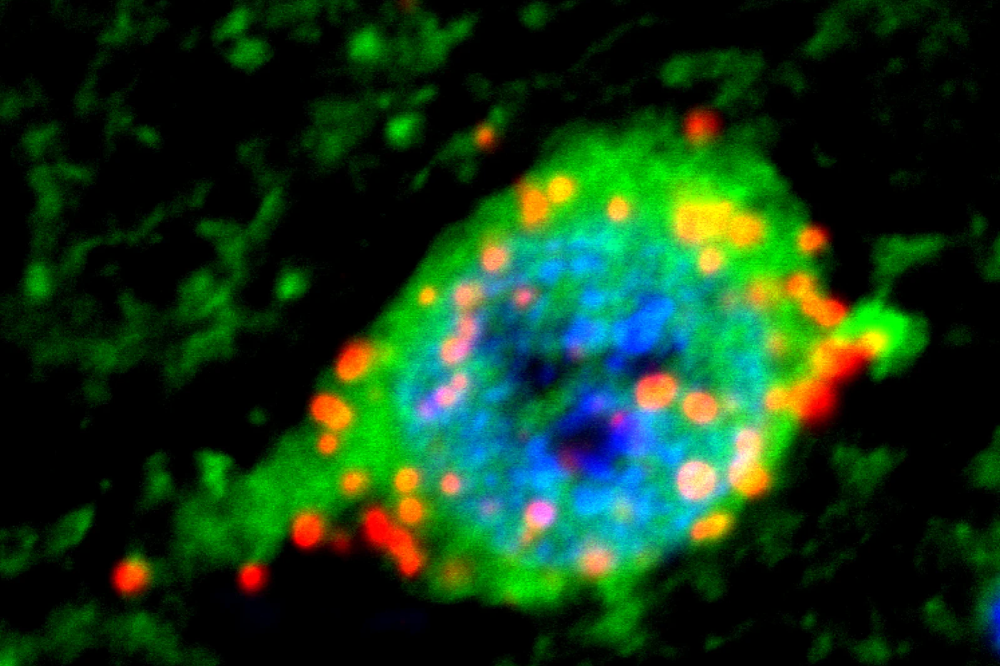
Nathaniel Heintz has spent decades building tools to peer inside individual brain cell types—now he's using those tools to spot some of the earliest changes that occur in neurodegenerative diseases.
At the SNF Nostos Conference in Athens, Rockefeller scientists discussed how enhanced global access and public participation can help ensure that science best serves the general public.
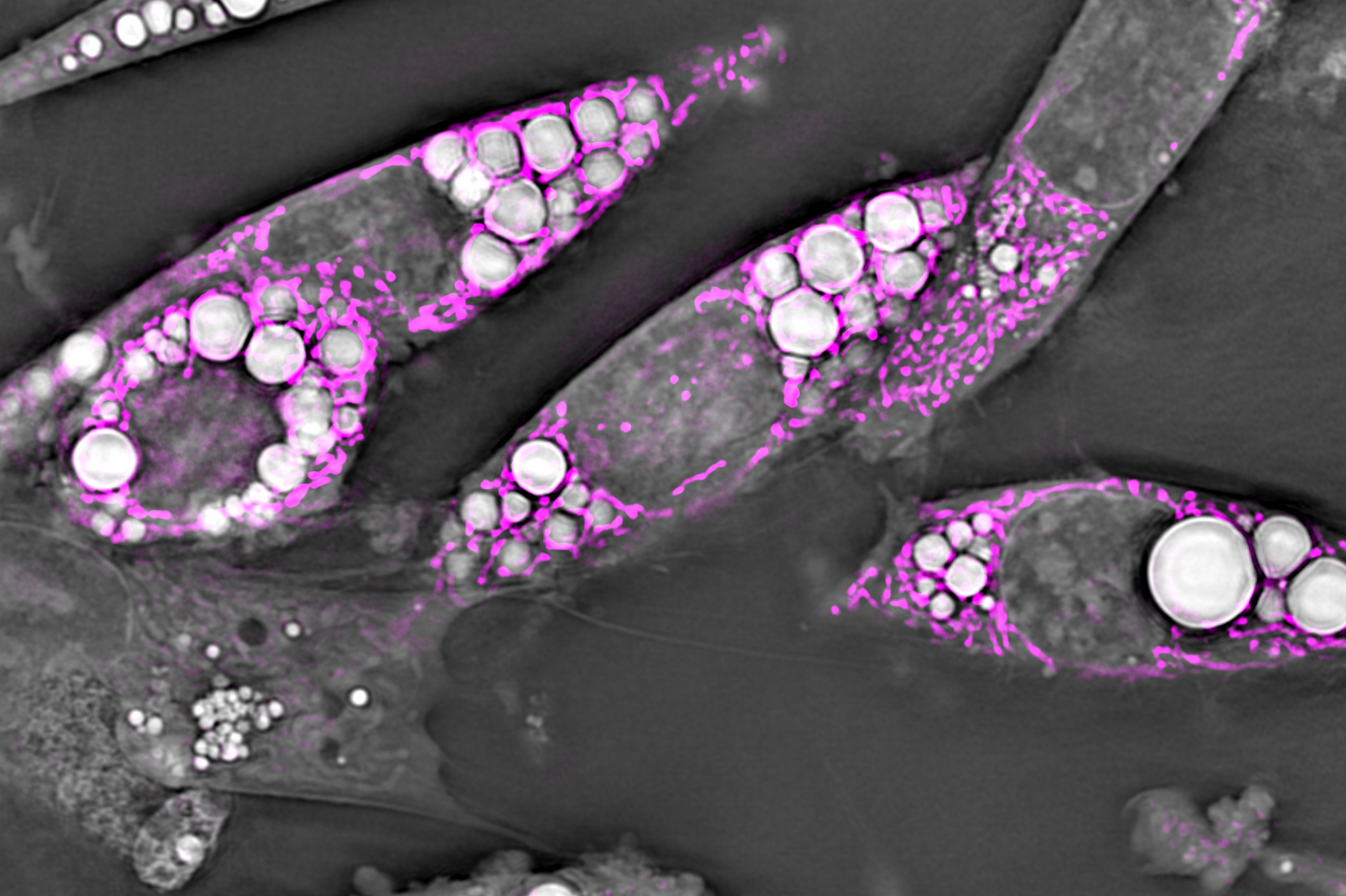
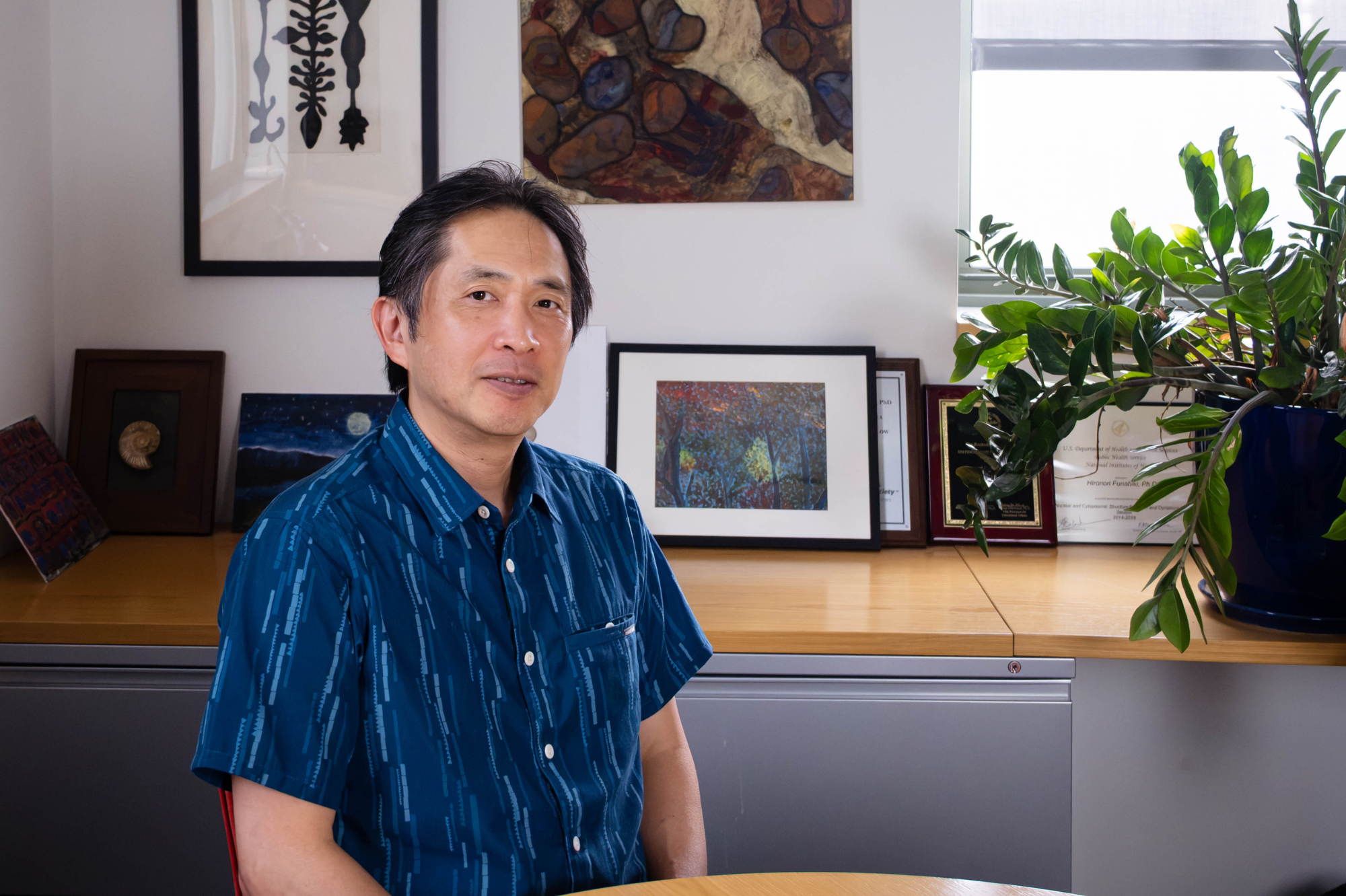
Hironori Funabiki studies how the chromosomes carrying our genomic DNA are copied and maintained. His basic research is shedding light on cancer, rare immune diseases, and even how our bodies recognize viruses.