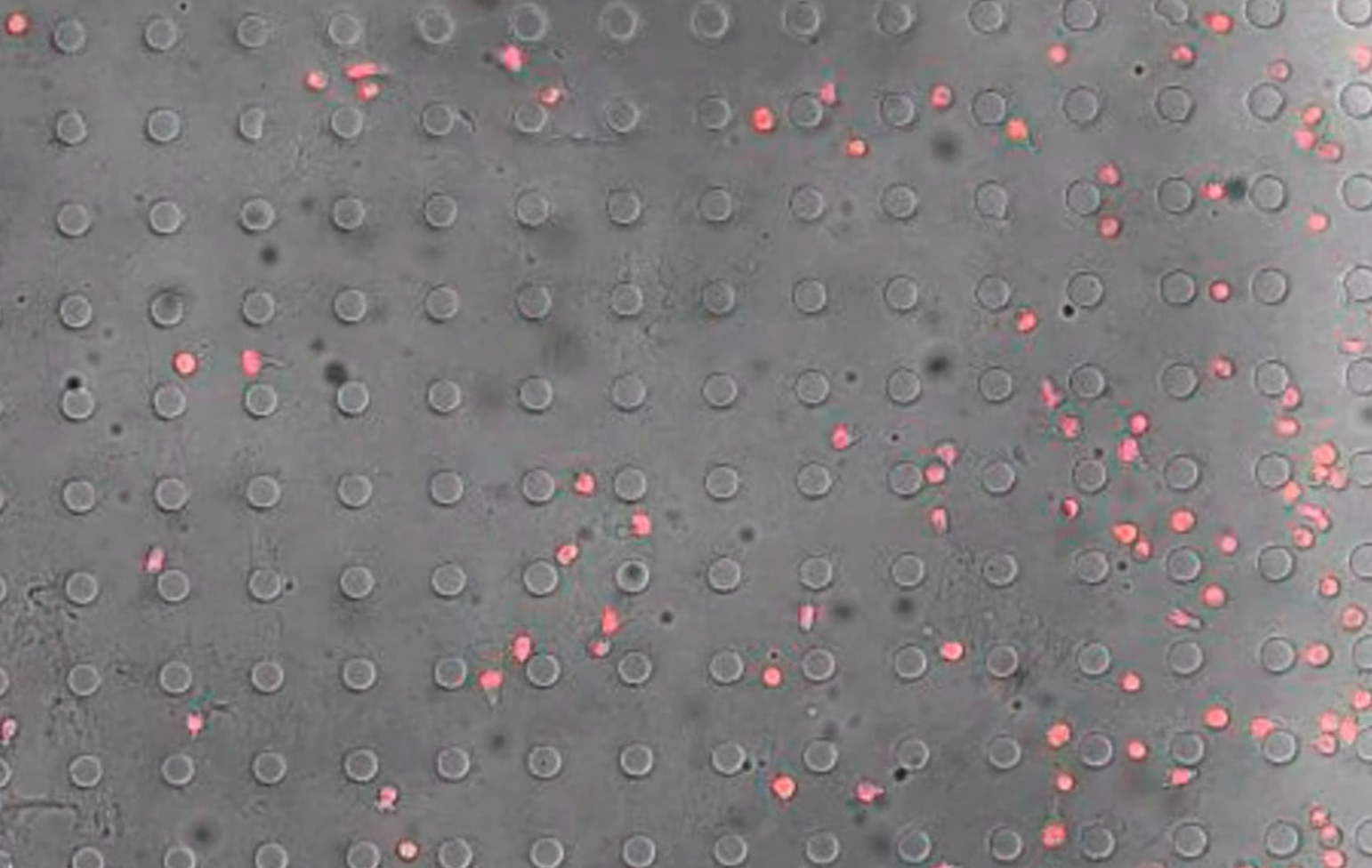
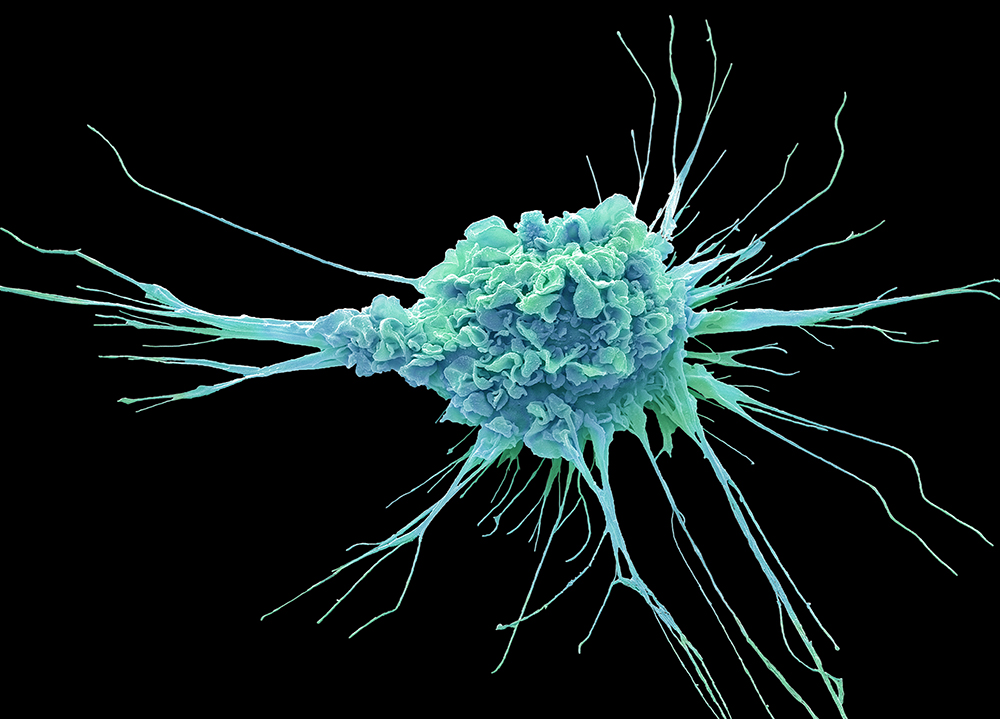
The absence of a single immune cell receptor has been linked to both fewer defenses against mycobacterial infections, such as TB, and damaging buildup of sticky residue in the lungs.
Birsoy is honored for groundbreaking research uncovering metabolic weaknesses of diseased cells, such as cancer, while shedding light on debilitating mitochondrial diseases and rare genetic disorders.
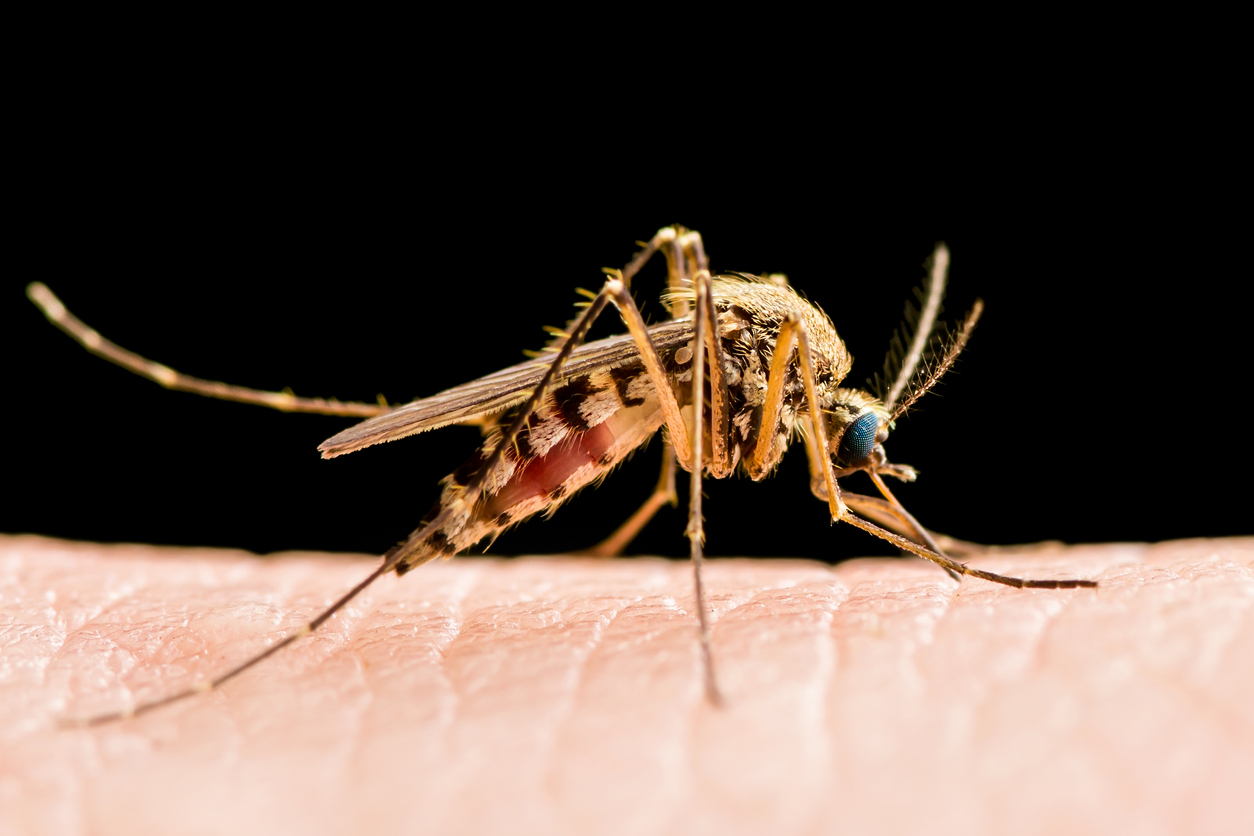
With 40% of encephalitis cases now explained by an autoimmune deficiency, West Nile virus "is by far the best understood human infectious disease in the world. It’s stunning.”
A trio of faulty genes fail to put the brakes on the immune system’s all-out assault on SARS-CoV-2, leading to the inflammatory overload characteristic of MIS-C.
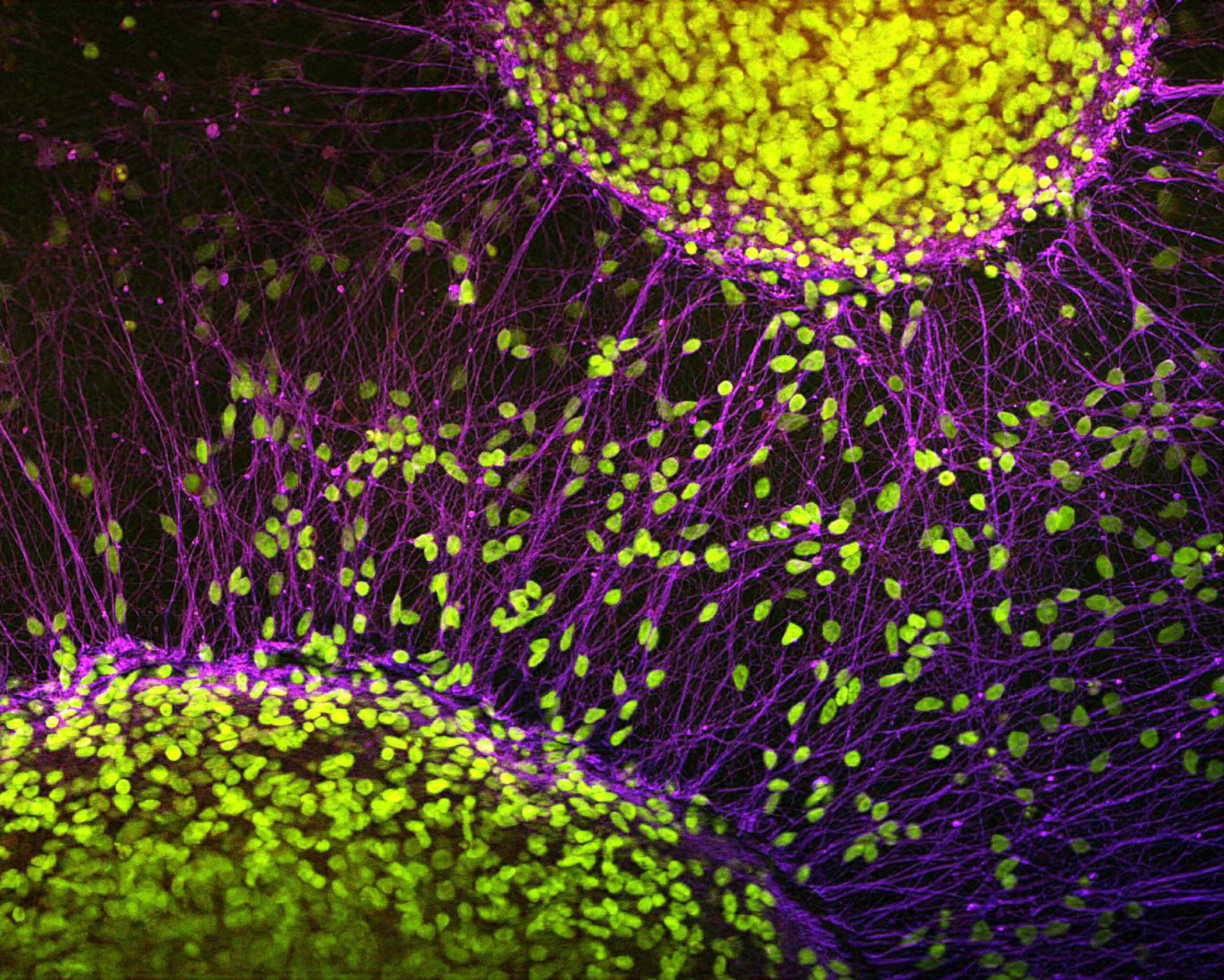
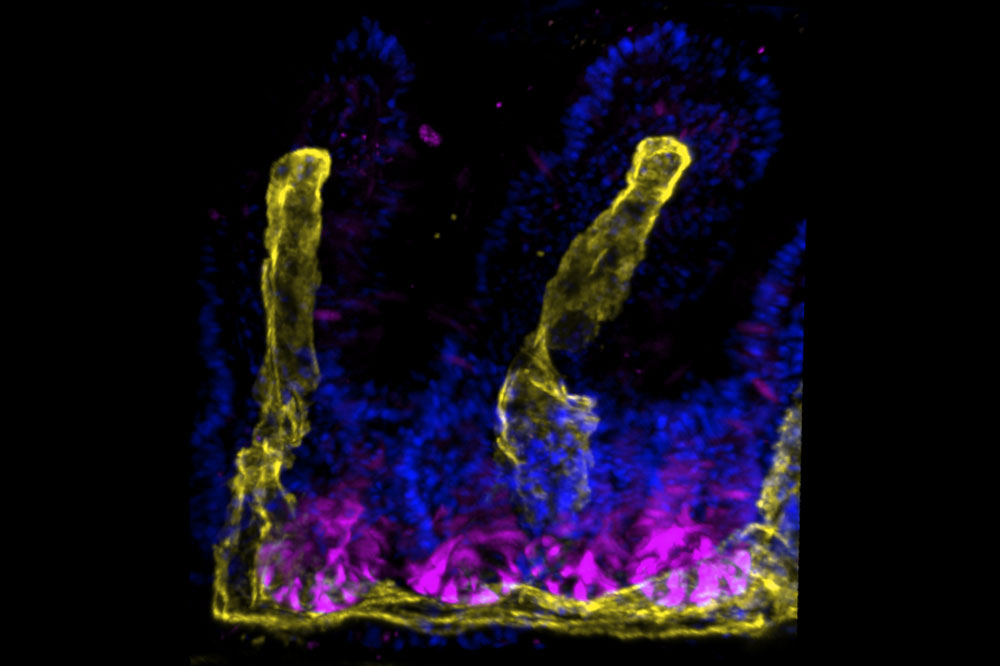
A new study suggests that stem cells are able to integrate cues from their surroundings and coordinate their behavior across tissue through networks of vasculature in their close vicinity.