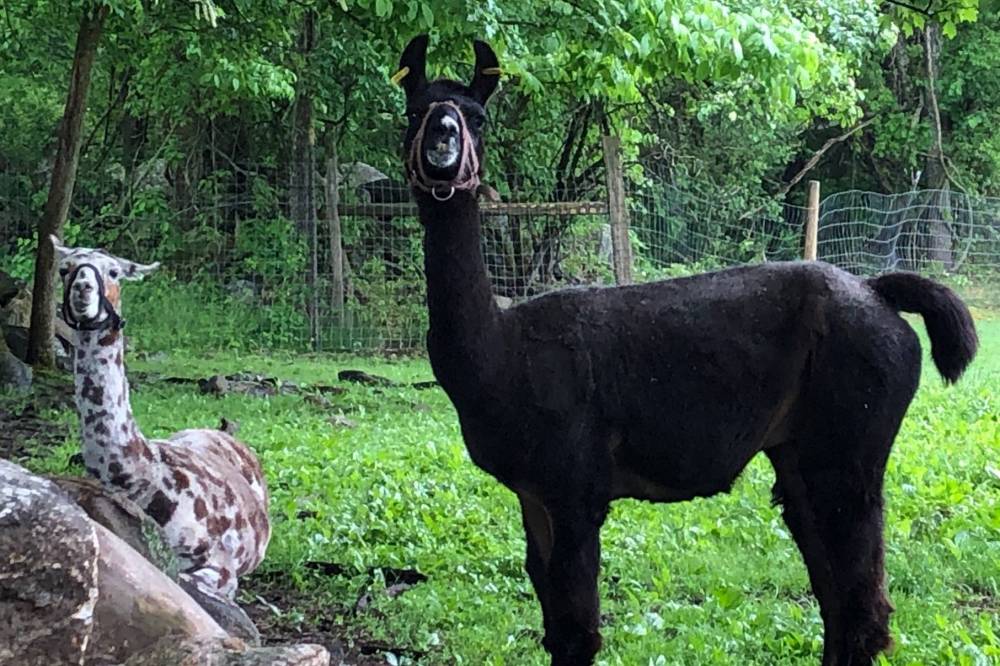
Llamas make antibodies that are much smaller than their human counterparts, yet still potent. Scientists hope that future drugs based on these molecules could provide new weapons against SARS-CoV-2.
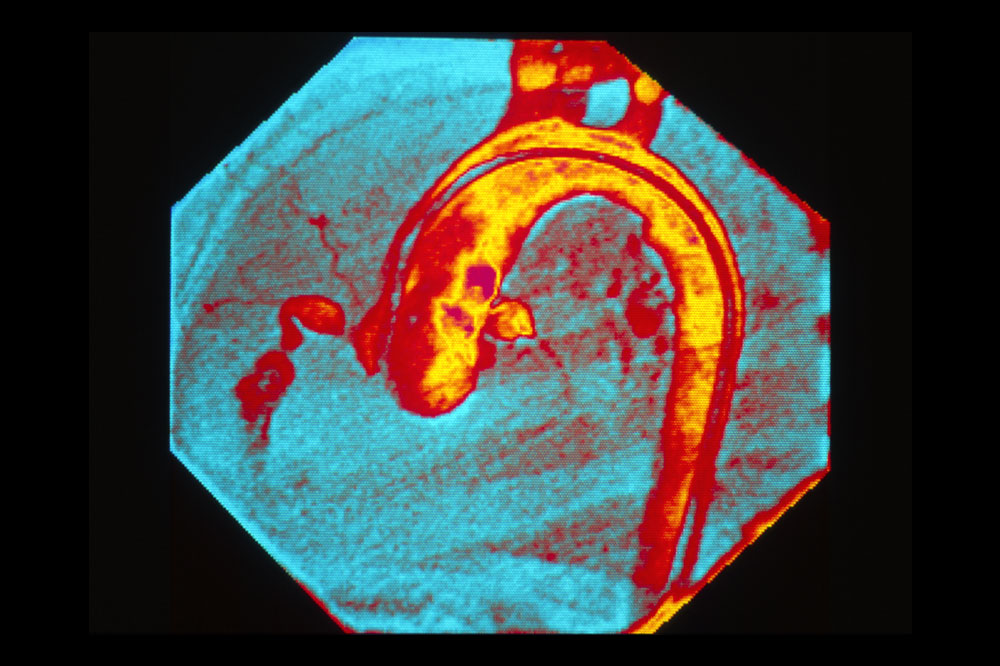
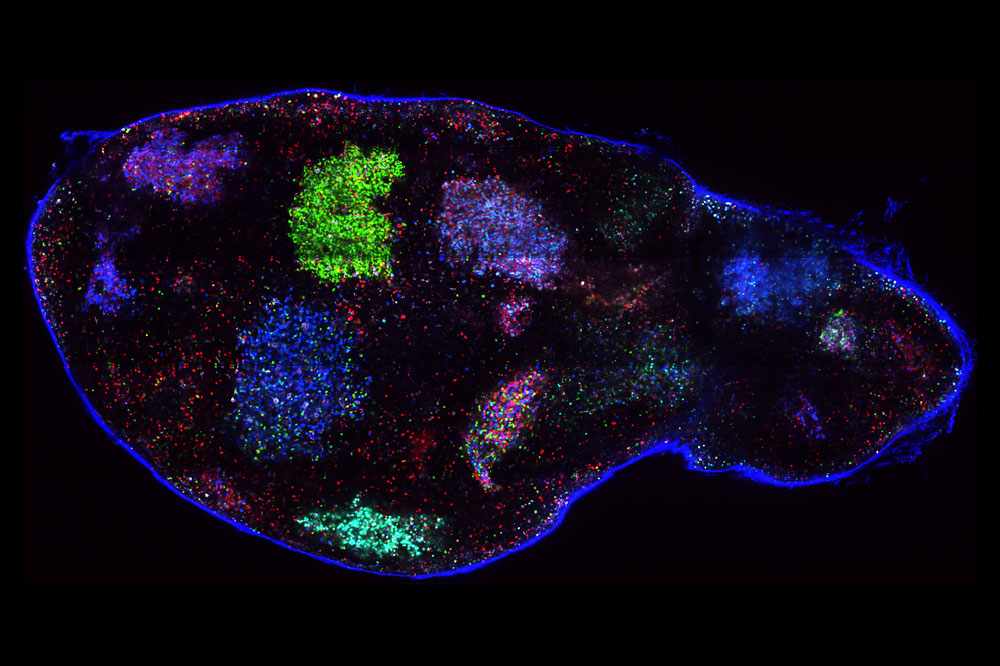
The condition resembles a rare childhood illness, Kawasaki disease. Researchers are analyzing blood samples to find genetic clues to what might be causing it.
People under 50 without preexisting conditions typically develop mild symptoms of coronavirus infection—but there are exceptions. Researchers are working to identify rare genetic variations that may explain why some in this group have succumbed to the disease.
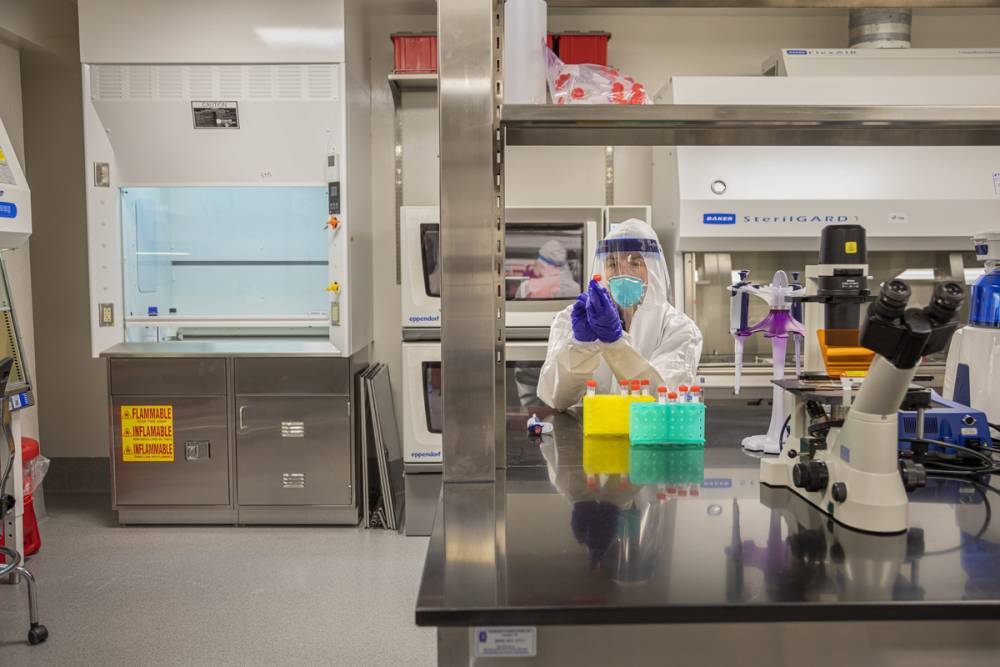
Over 130 scientists in 18 labs are conducting research to advance the development of new, urgently needed approaches for the prevention and treatment of COVID-19.
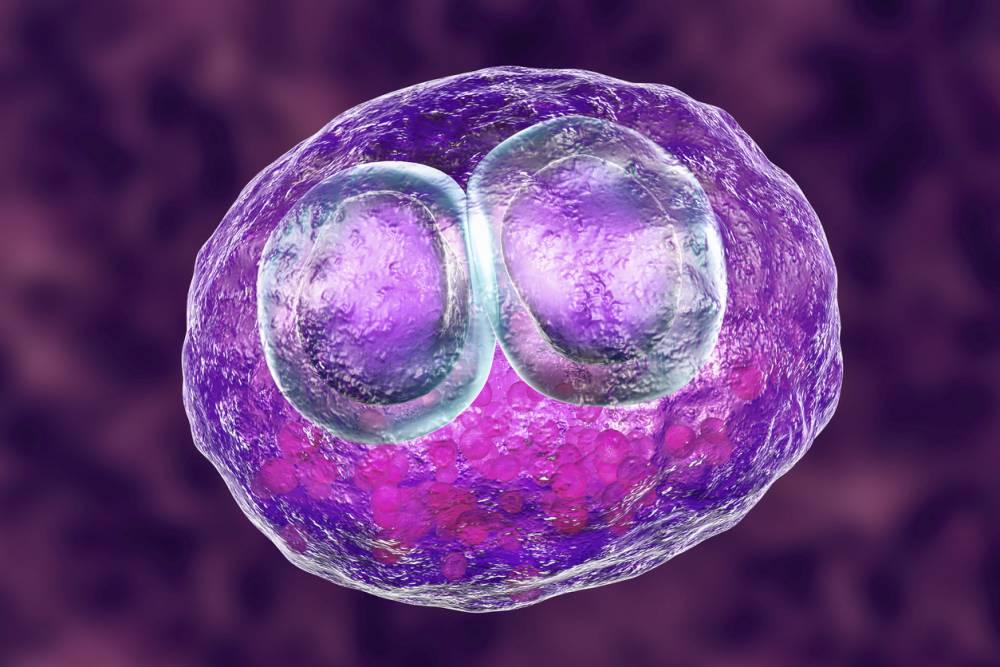
To scientists' surprise, the immune system develops its response to each virus variant mostly from scratch, instead of building on what it has already learned.
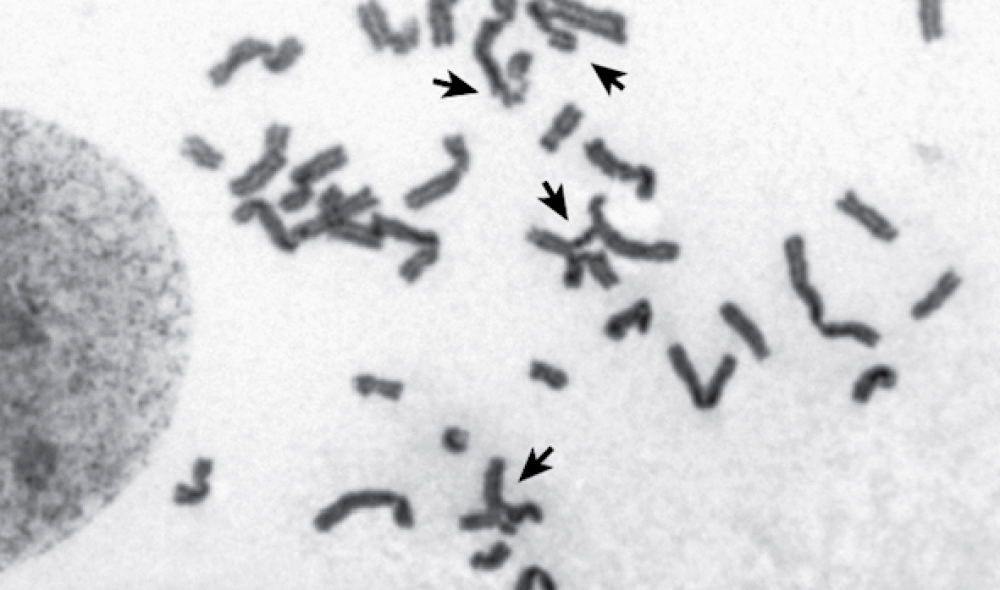
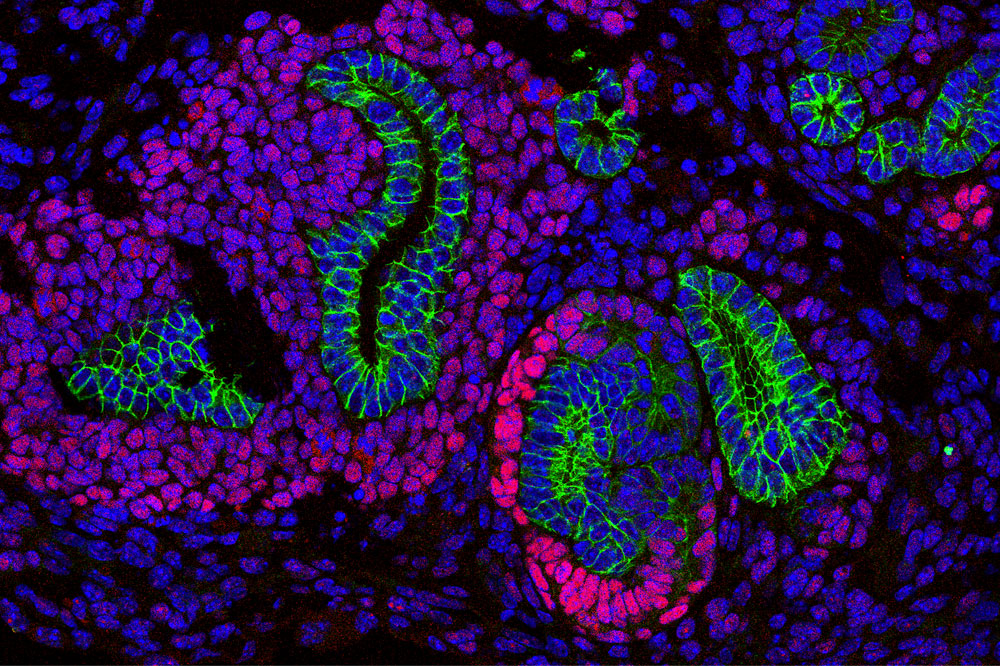
Research that began with the analysis of two developmental syndromes ultimately helped scientists understand how diverse epigenetic mechanisms can combine to drive tissue overgrowth in cancer.
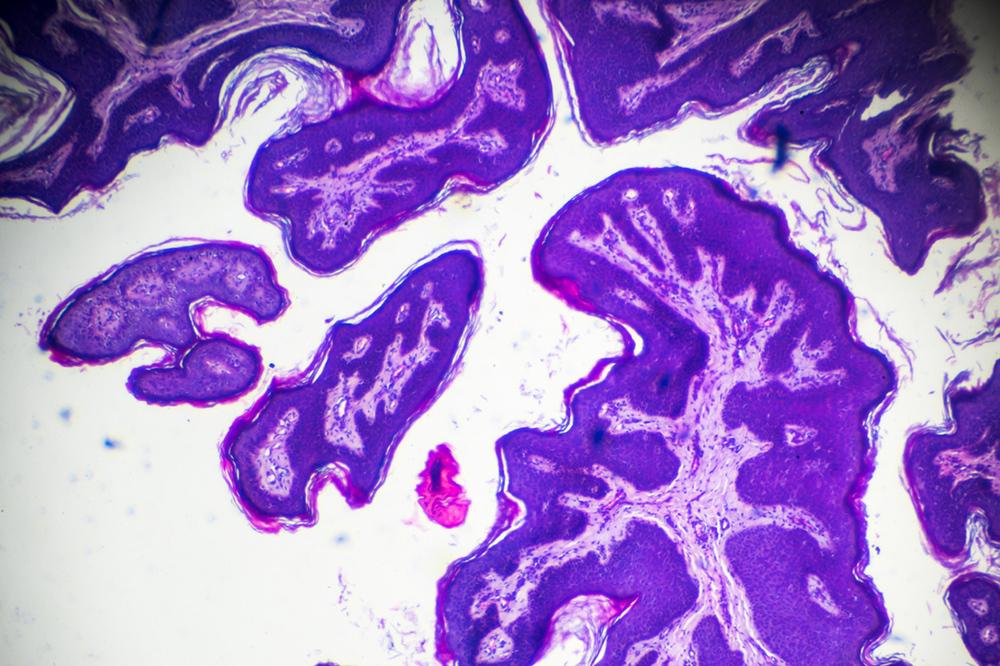
The human papilloma virus is usually kept in check by the immune system, but scientists identified a genetic variant that makes some infected children prone to developing warts in the throat.