Brief bursts of intense exercise trigger a molecular response linked to a lower risk of cardiovascular and metabolic disease and that are associated with slower biological aging.
A new protein-tracing platform reveals how fat and liver cells communicate during fasting, inflammation, and obesity, and links many of those signals to human disease.
By editing blood stem cells, researchers show that the immune system itself can be transformed into a durable, boostable source of therapeutic proteins—opening the door to novel treatments
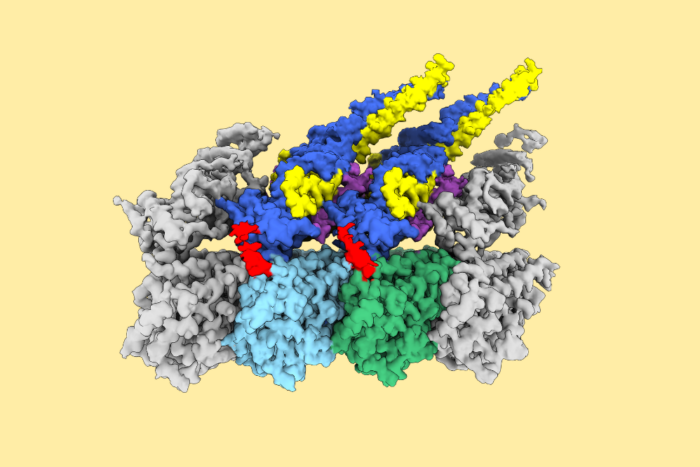
Long thought to serve as cellular scaffolding, microtubules also reshape the proteins that bind to them—guiding enzyme activity to prevent genetic errors linked to cancer.
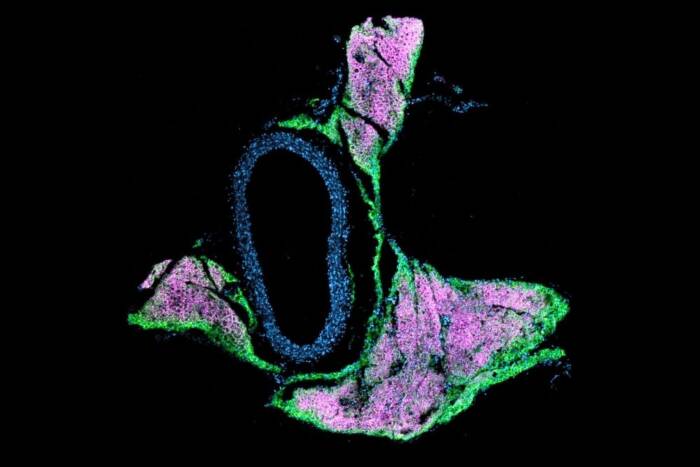
Scientists knew that obesity raises the risk of hypertension. Now Paul Cohen's team has uncovered the mechanism—and the enzyme—that explains how fat can stiffen blood vessels and drive blood pressure upward.
New study shows that beige fat suppresses an enzyme that promotes high blood pressure, revealing a new molecular pathway and a potential target for future precision therapies.