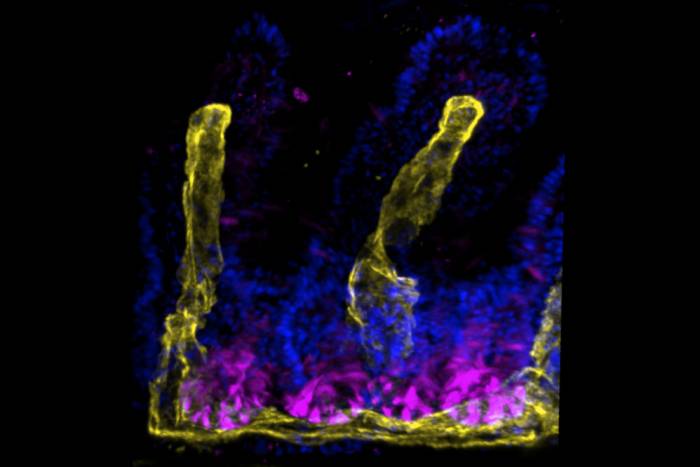
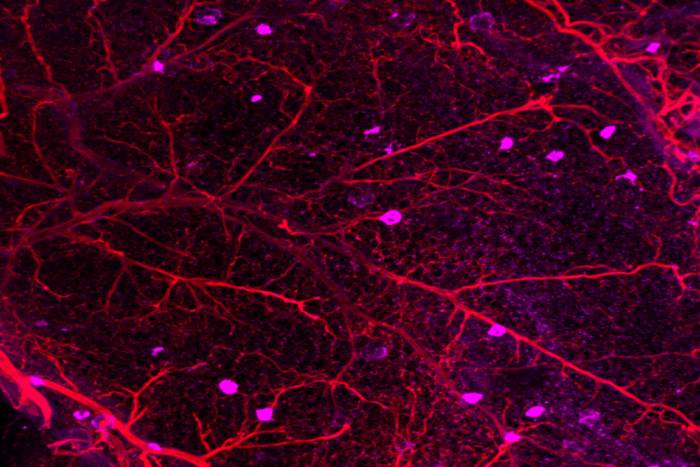
A new study suggests that stem cells are able to integrate cues from their surroundings and coordinate their behavior across tissue through networks of vasculature in their close vicinity.
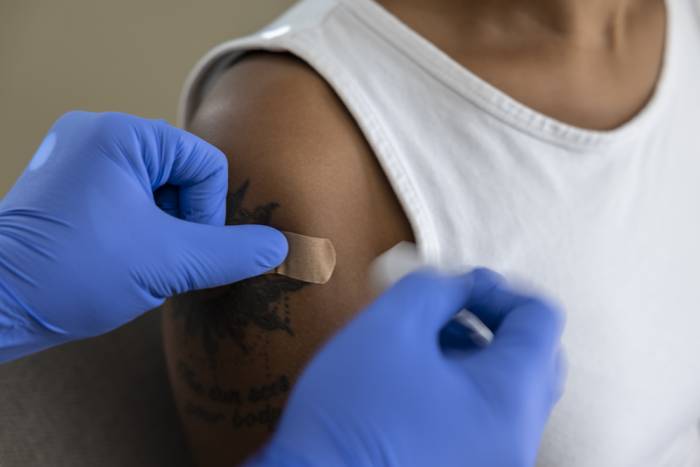
The booster appears to galvanize memory B cells into producing potent and versatile antibodies that neutralize both the original virus and its many variants.
Unlike conventional antiretroviral drugs, treatment with broadly neutralizing antibodies does not rely on vigilant daily dosing and could potentially reduce the body’s reservoir of latent viruses.
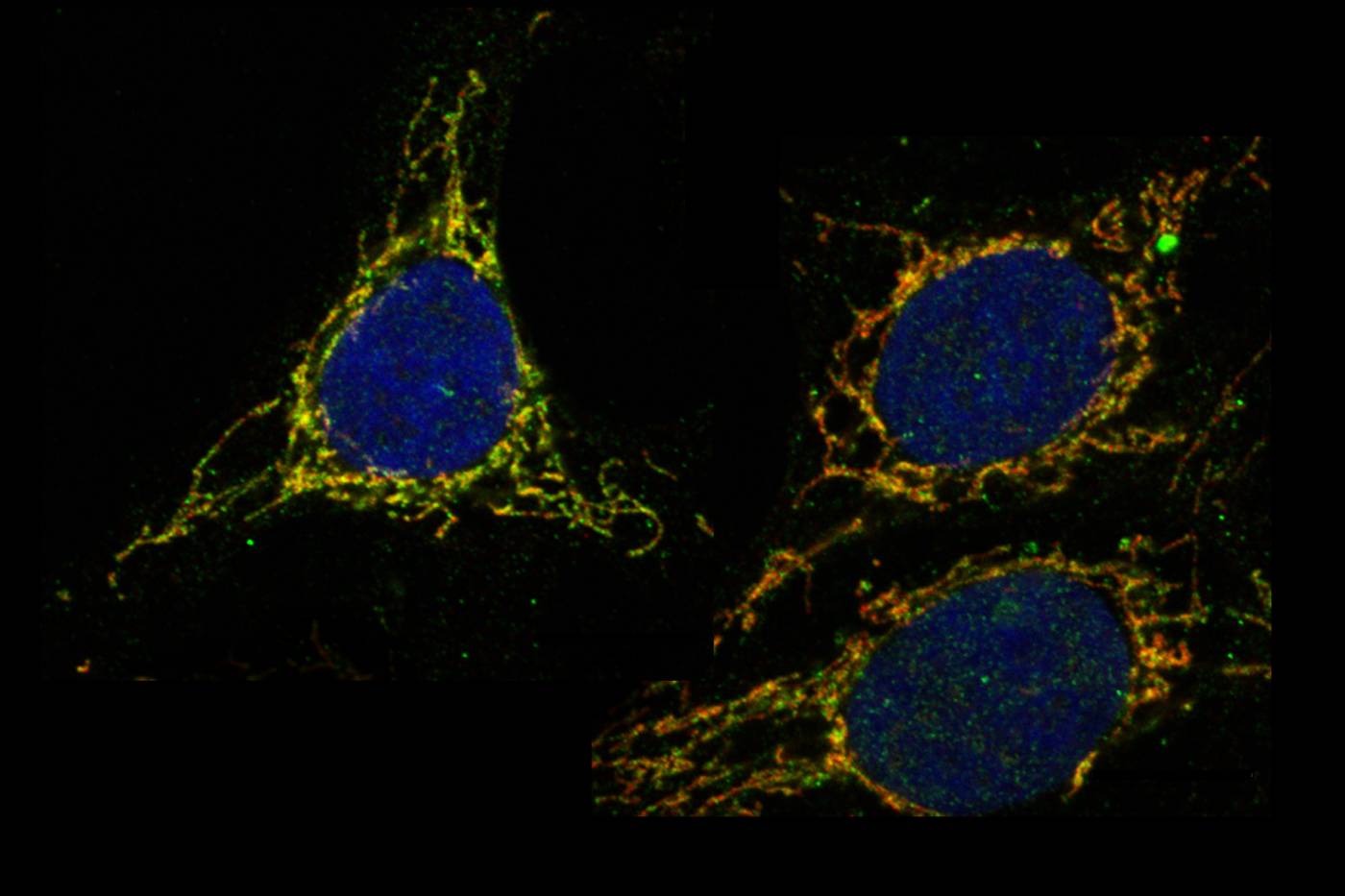
Birsoy's groundbreaking research has highlighted key nutrients that cancer cells need to survive, while shedding light on debilitating mitochondrial diseases and rare genetic disorders.
Researchers found that the antibodies present in people who have had COVID or taken two doses of mRNA vaccine are inadequate against Omicron. But their protective ability increases significantly after a booster dose.
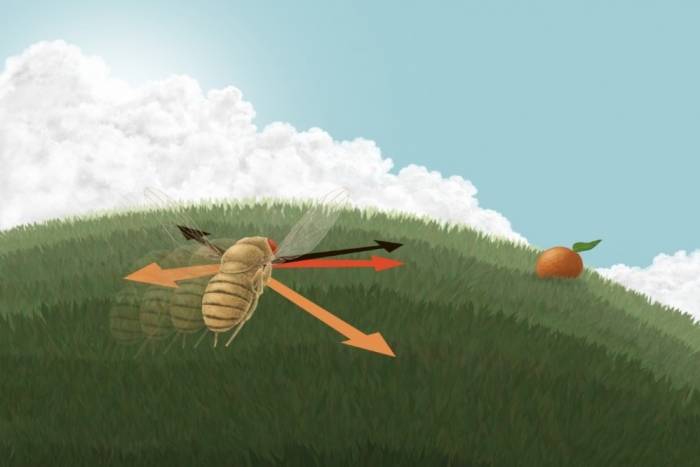
New research reveals how neurons in a fly's brain signal the direction in which the body is traveling. The cells appear to literally perform vector math in order to act as a biological compass.
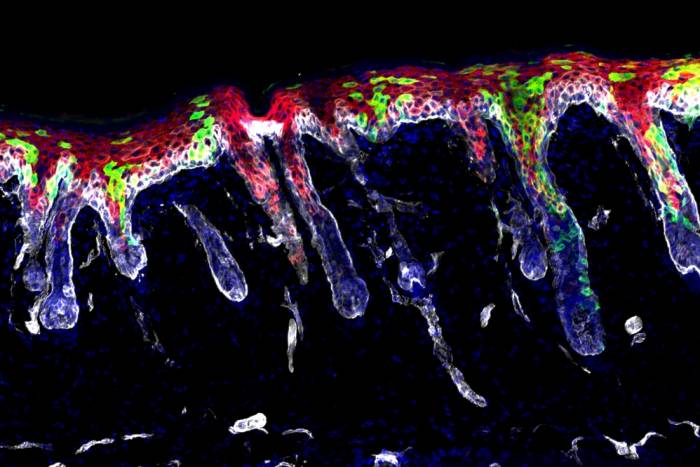
Epidermal stem cells that hail from the hair follicle retain memories of their journey to the skin's surface. Those memories are a boon for wound repair, but may also contribute to chronic diseases and cancer.