Mapping gene expression and epigenetic changes that cause "undead" cancer cells to trigger cancer-promoting inflammation
 COPY LINK
Key takeaways
- Senescence is a state in which stressed cells stop dividing but remain alive.
- New findings reveal that the underlying process unfolds in distinct stages that depend on the type of drug used, and show how a new class of drugs triggers inflammation.
- The results point the way to a strategy for tuning therapies to avoid inflammation-promoting side effects, particularly for patients with liposarcoma and ER-positive breast cancer.
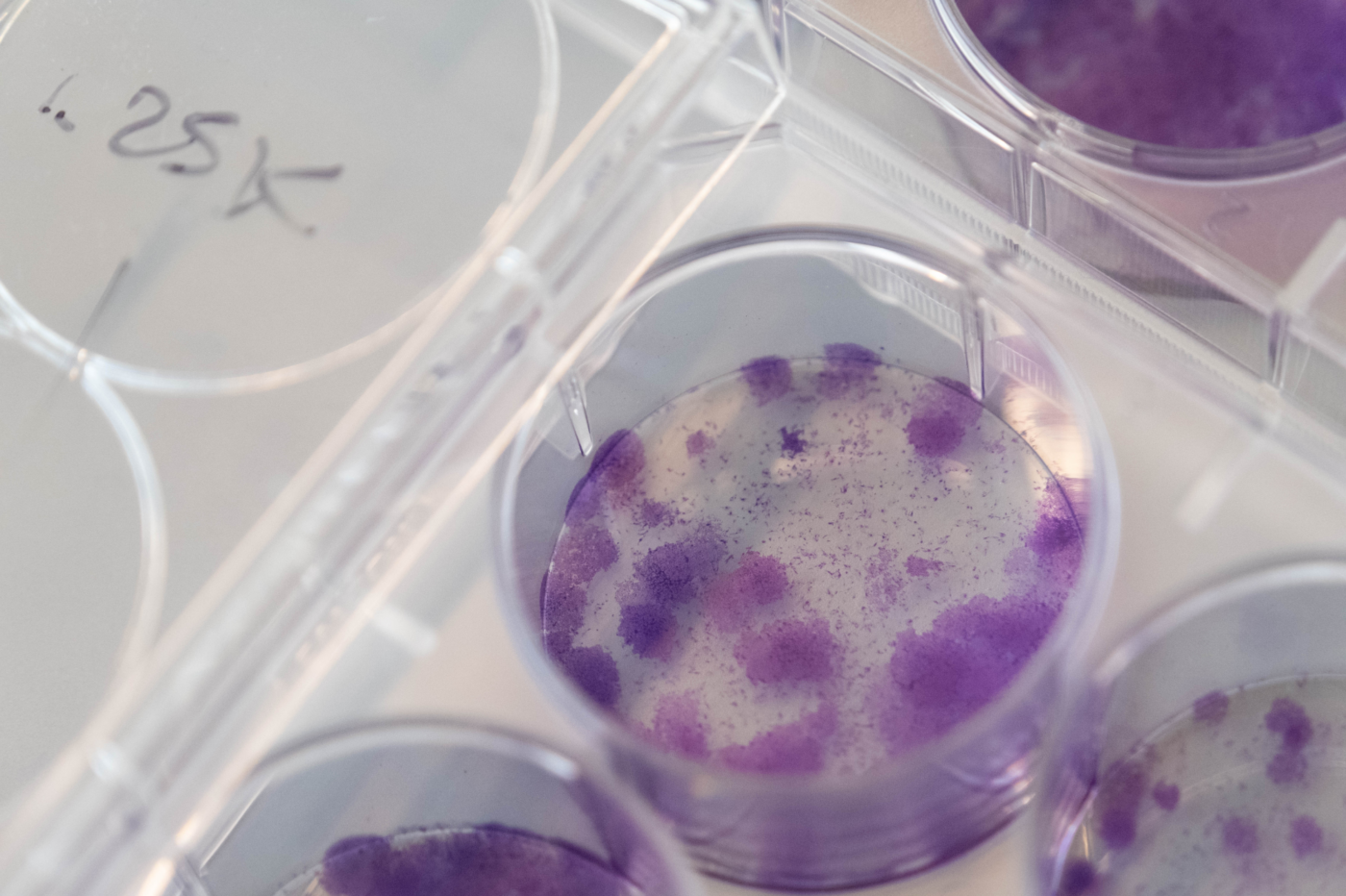
Researchers show how the senescent state induced by sarcoma and breast cancer drugs drives inflammation.
Stopping tumor growth is only half the battle. Rather than kill tumor cells, many cancer therapies can only push them into cellular senescence, a state in which cells stop dividing but do not die. These “undead” cells will continue to release signals that reshape the tumor environment. Some of these signals help the immune system clear damaged cells. But others fuel chronic inflammation that can encourage tumor growth.
Now, a new study not only redefines our understanding of senescence but also illustrates how to prevent its harmful effects. The findings, published in Life Science Alliance, reveal that senescence unfolds in stages—not all at once as previously thought—and that it’s possible to suppress the associated inflammatory response without reversing the cells’ permanent growth arrest.
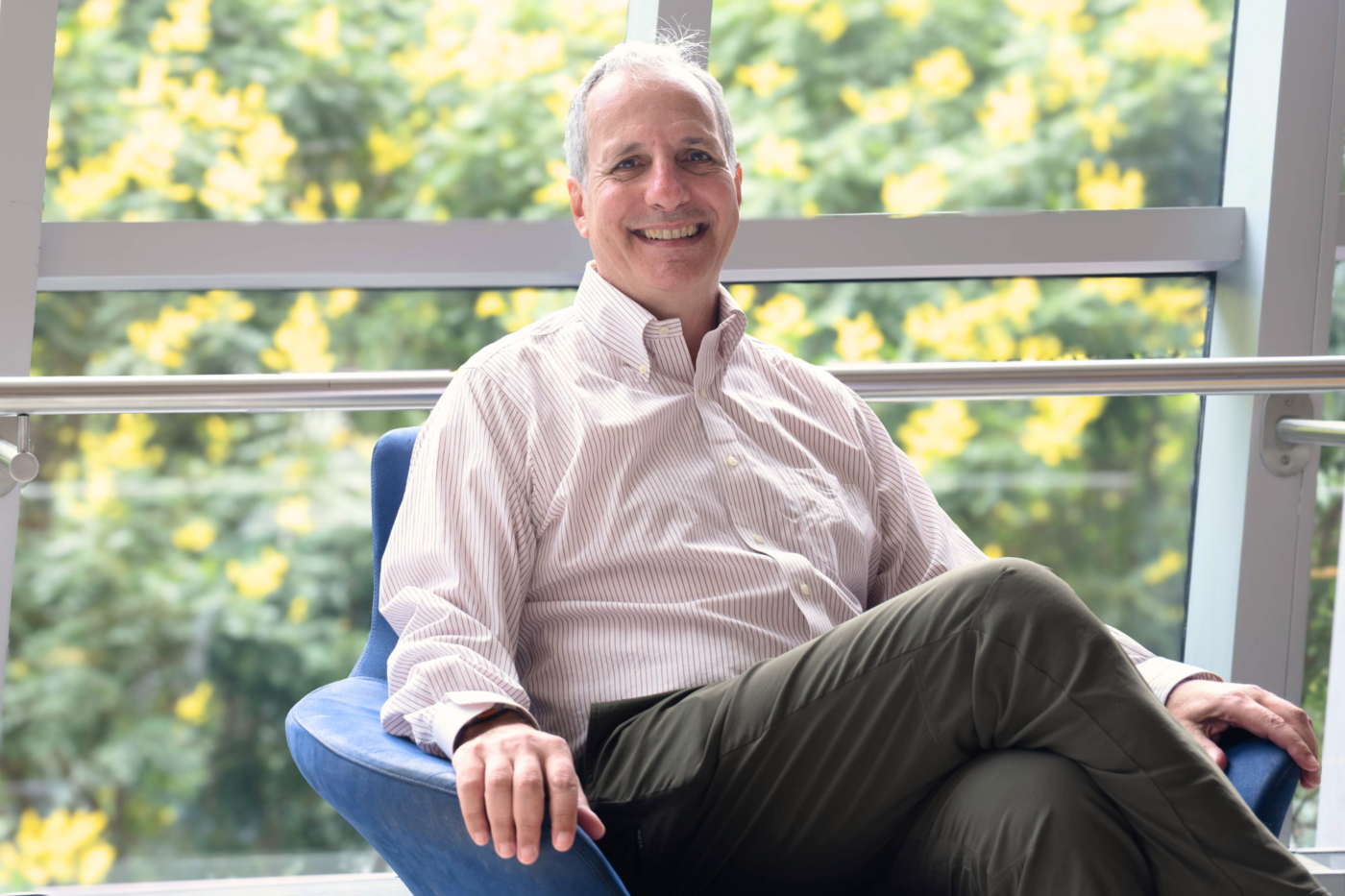
“We hope this work can help point people toward novel combinations of therapies, or ways to manipulate the senescence response so that we can take the good and leave the bad,” says Viviana I. Risca, head of the Laboratory of Genome Architecture and Dynamics. “Our work is a combination of basic science and biomedical impact, which may be helpful to extend the lives of patients.”
Asleep but not inactive
When cells are damaged or experience stress, they can enter a state of cellular senescence. In recent years, drug developers have harnessed senescence to treat cancer, stopping tumor growth in its tracks by punishing tumors enough that they enter this arrested state.
But senescent cells are far from inactive. Even as they slumber, these cells continue to release signaling molecules, known as the senescence-associated secretory phenotype (SASP), that reshape the surrounding tissue, with both beneficial and harmful effects.
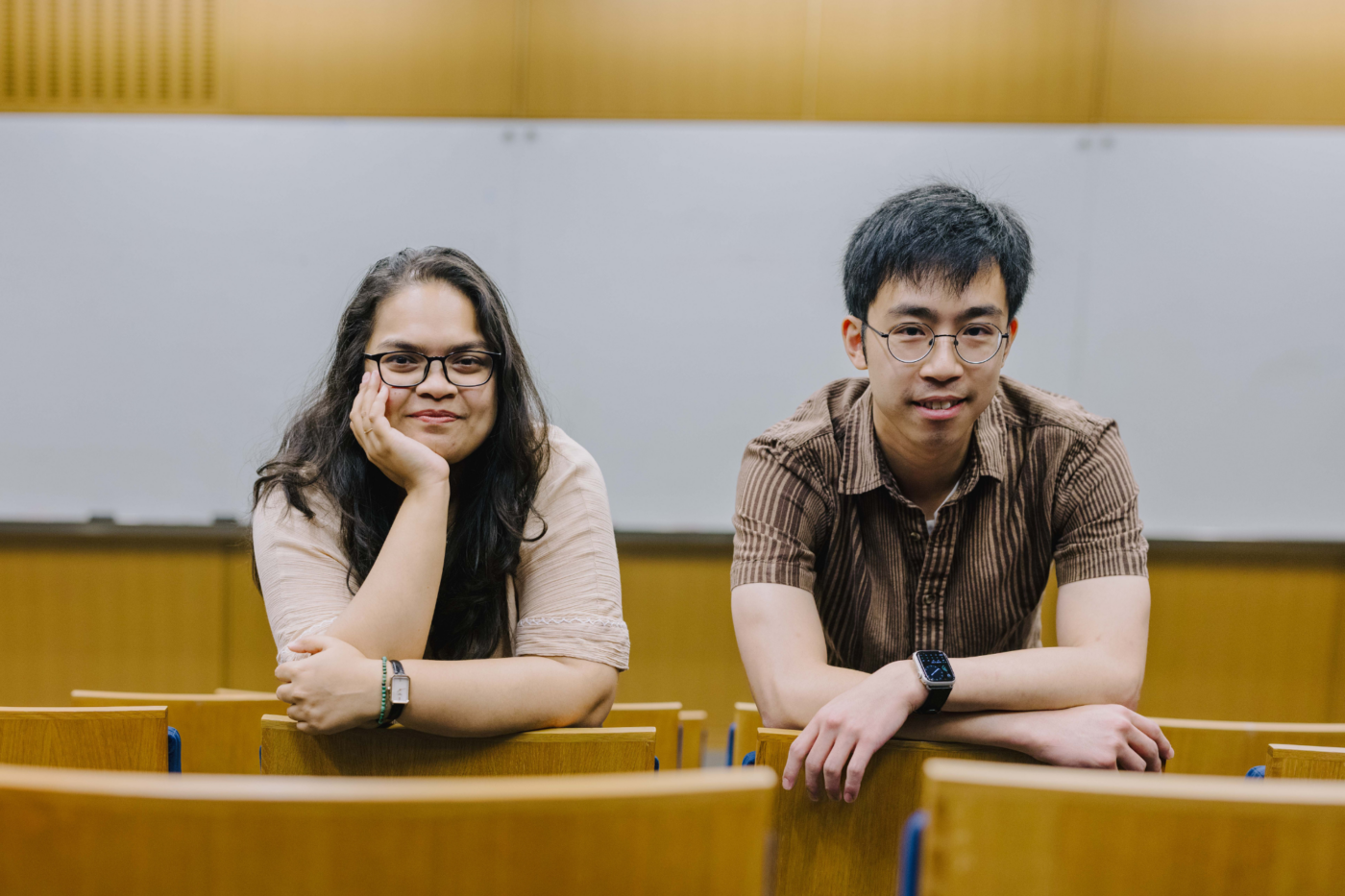
“We’ve started to think of senescence more as a trajectory rather than a binary identity,” says Joanna Yeung, a graduate fellow in the Risca lab, where the present study served as the foundation of her doctoral thesis. “We now know that different parts of the SASP get turned on at different times, as cells enter into a deeper and deeper state of senescence.”
However, it remained unclear what was triggering the associated inflammation in cells treated with a class of drugs that simply stop the cell cycle. Cells exposed to DNA-damaging chemotherapy, for instance, become senescent and activate NF-KB, a regulator of inflammatory genes that can create conditions that encourage tumor growth, through a well-understood pathway. This had led to the theory of DNA damage as the trigger for the inflammatory response. But the advent of CDK4/6 inhibitors, which are widely used to treat cancers such as liposarcoma and ER-positive breast cancer, challenged that idea. These therapies force tumor cells into senescence without causing appreciable damage to their DNA. Yet those cells still produce an inflammatory SASP.
So what actually drives the inflammatory response? And do different therapies create different forms of senescence, or do all roads of cellular stress ultimately lead to the same biological state? “There was so much argument about what senescence is,” Risca says. “What is the nature of this process? Is it one thing, or is it many things? This is what we wanted to find out.”
Two paths, one destination
To answer those questions, the researchers compared two ways of pushing cancer cells into senescence in the lab using cell models of liposarcoma and ER-positive breast cancer. One treatment, the chemotherapy doxorubicin, damages DNA, while the other, the CDK4/6 inhibitor palbociclib, halts cell division without directly damaging DNA. They followed the treated cells for nearly a month using a combination of genomic, epigenomic, and imaging techniques that tracked which genes were active and how the cells reorganized their DNA over time.
“A lot of the prior work with therapy-induced senescence has been in the context of DNA-damaging agents,” says Justin Rendleman, a postdoctoral associate in the Risca lab. “But in this case, we have a CDK4/6 inhibitor, which doesn’t inherently cause damage to the DNA, demonstrating that you don’t necessarily need this big DNA damage response to get some of these senescent phenotypes.”
Studying CDK4/6 inhibitors over a much longer period than prior studies revealed something earlier studies had missed. Rather than reaching a fixed endpoint, senescence unfolded as a dynamic trajectory, with an early wave of tissue-remodeling signals followed weeks later by a delayed inflammatory response. Although doxorubicin and palbociclib took very different routes, they ultimately converged on the same NF-KB-driven inflammatory program. The roundabout route taken by CDK4/6 inhibitors appears to begin with tissue remodeling, with these early signals gradually activating NF-KB through receptors on the cell surface—unlike doxorubicin, which activates that pathway directly through DNA damage. “What we thought would be two very different responses turned out to have an important common thread,” Risca says.
The team confirmed this difference by blocking the cells’ DNA damage sensors, which suppressed inflammatory signaling after doxorubicin treatment but had no effect on palbociclib. They went on to demonstrate that it is possible to block NF-KB itself and thereby suppress the inflammatory response without allowing cancer cells to resume dividing.
Along the way, the team also created one of the most detailed maps to date of the epigenetic changes that accompany senescence, showing that inflammatory genes become activated through changes such as the activation of DNA enhancers and the loss of the chromatin protein macroH2A. The work fills in important gaps for researchers studying the phenomenon. “I think this can serve as a resource for people in the field to explore our data sets in new ways, perhaps going even beyond the conclusions that we drew from the data,” Risca says.
Reflecting on the broader implications of the work, Risca adds that the study of senescence is both scientifically rich and clinically urgent. “This field has a great combination of open questions combined with really immediate biomedical relevance,” she says. “It has the potential to extend patients’ lives if we can better understand how existing therapies affect senescence.”
As such, the findings point toward a strategy for making cancer therapies safer and more effective. Because the researchers were able to suppress the harmful inflammatory response without waking up sleeping cancer cells, their approach could ultimately pave the way for combination therapies that preserve the benefits of senescence while limiting its risks. “Even if we stop cancer cell proliferation, the ultimate challenge is figuring out how to prevent them from producing signals that could lead to more tumor growth down the line,” Yeung says. “Our work shows that it’s possible to block the inflammatory response in arrested cancer cells.”
Key takeaways
- Senescence is a state in which stressed cells stop dividing but remain alive.
- New findings reveal that the underlying process unfolds in distinct stages that depend on the type of drug used, and show how a new class of drugs triggers inflammation.
- The results point the way to a strategy for tuning therapies to avoid inflammation-promoting side effects, particularly for patients with liposarcoma and ER-positive breast cancer.