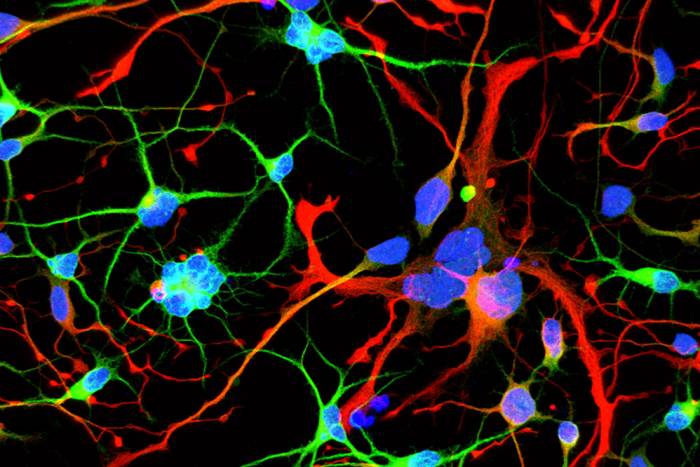
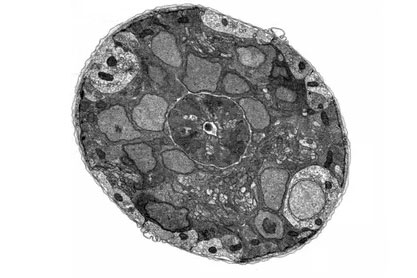
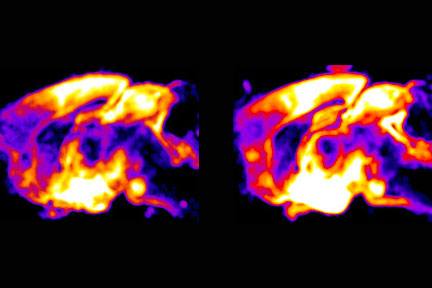
The symptoms of Huntington’s typically appear in middle age, but the disease may in fact originate much earlier. New research shows that a patient’s neural abnormalities may arise already during embryonic development—suggesting that treating the disease early may be beneficial.
New research shows that subtle differences between bacterial strains may cause dramatic differences in outcome between people infected with the same microbe.
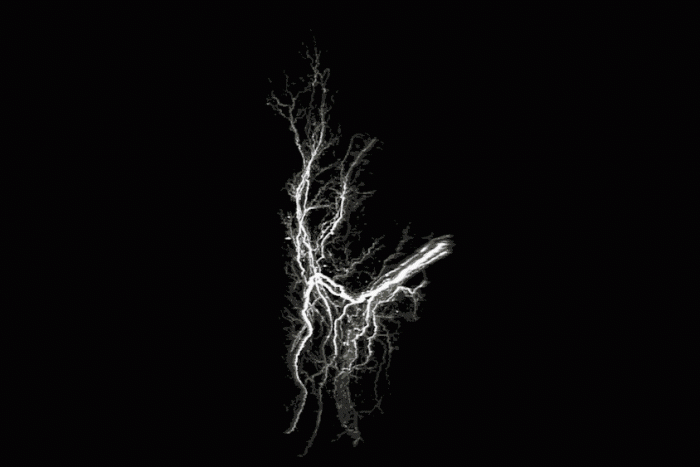
With new imaging methods, scientists hope to make significant progress in the fight against obesity. A new report reveals striking images of neural projections within fat tissue, and clues for the development of new drugs.
Scientists studying the cell’s DNA-copying machinery have discovered a molecular mechanism that helps reactivate it should it stop prematurely. Its function may prevent genetic errors like those that cause cancer.
Scientists have discovered a group of brain cells that may play a role in keeping smokers addicted to nicotine. Their work could ultimately lead to new drugs to help people conquer their tobacco dependence.
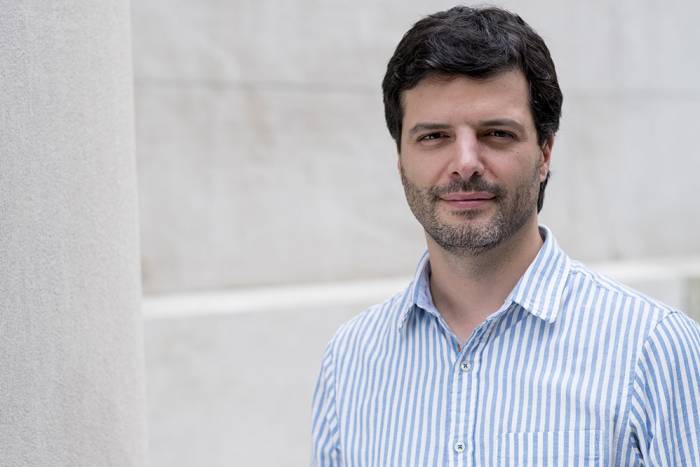
Kronauer has been promoted to associate professor. He has dedicated his laboratory to investigating the molecular basis underlying complex social behavior among insects.
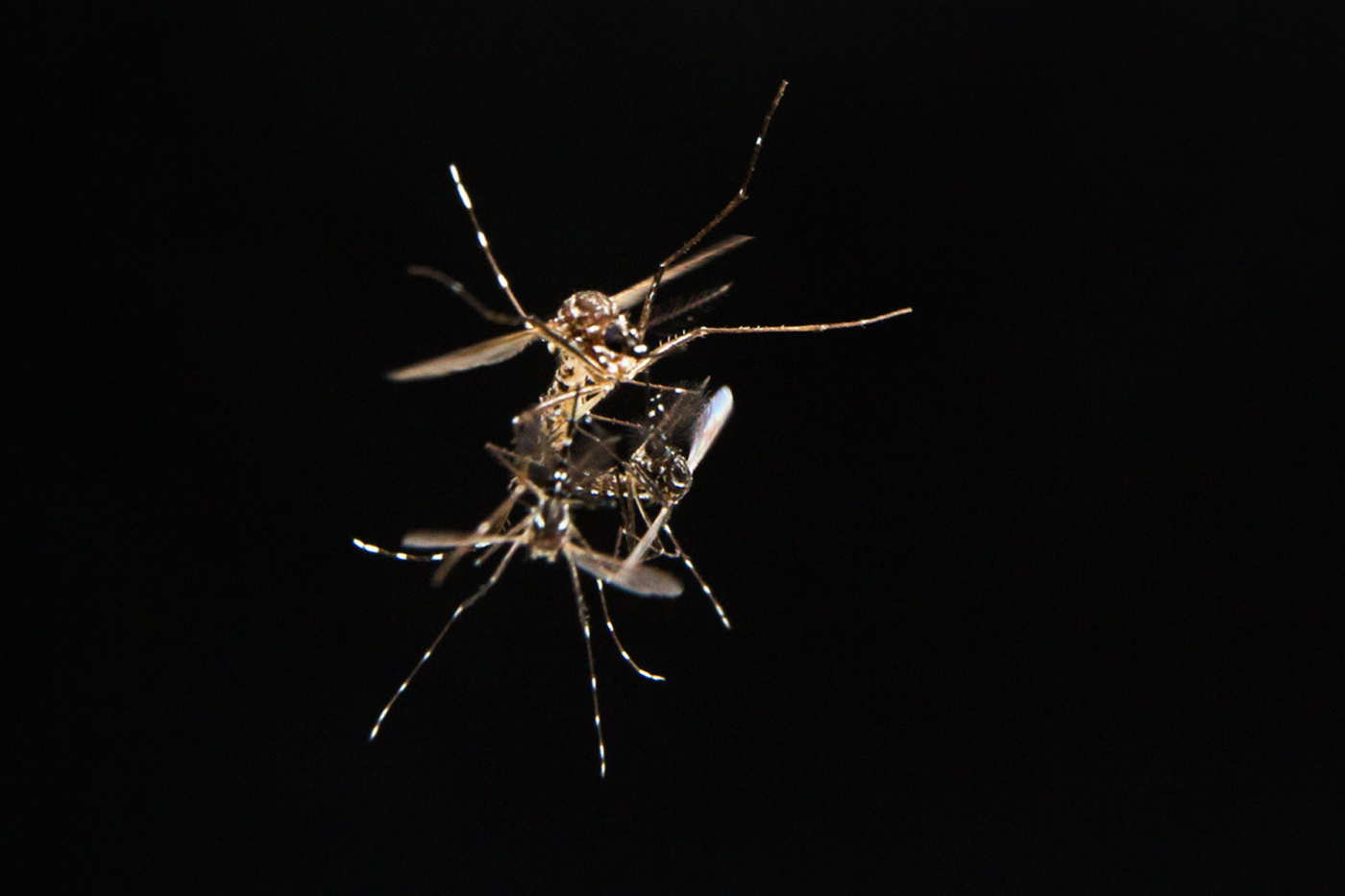
A protein transferred from male to female mosquitoes during sex influences female mating behavior—a phenomenon that could be exploited to limit the spread of mosquito-borne illnesses like Zika and dengue.
Young was honored for his discoveries of molecular mechanisms controlling the circadian rhythm. He accepted the Nobel medal and diploma from King Carl XVI Gustaf of Sweden.
Researchers have found that the cells directing the very first steps of brain formation are not other neurons, as scientists have long assumed. They've also uncovered previously hidden molecular pathways that attract neurons into the brain.
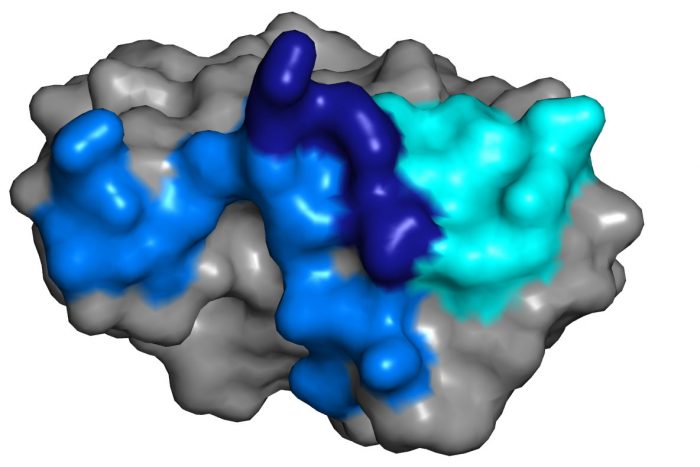
Scientists have identified a protein that many viruses require to spread within a host—a discovery that could lead to fighting diseases as varied as parainfluenza, West Nile, and Zika with a single drug. This finding could also lead to the development of treatments for emerging viruses.
Scientists found that inhibiting a regulatory protein alters the intricate signaling chemistry that is responsible for many of the disease’s symptoms. The findings provide a path to possible therapeutics for disorders associated with Fragile X.
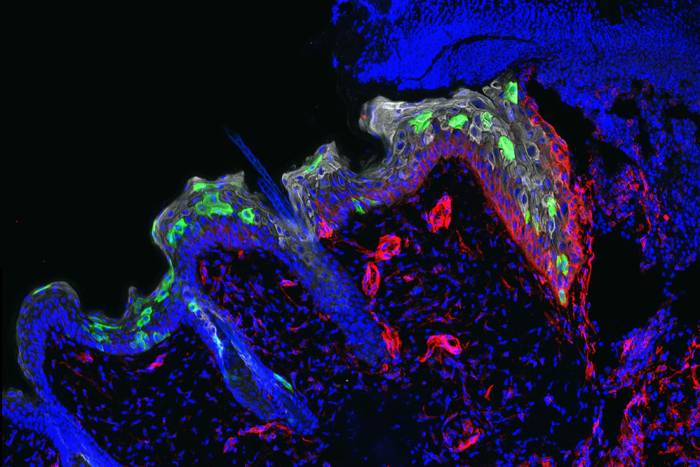
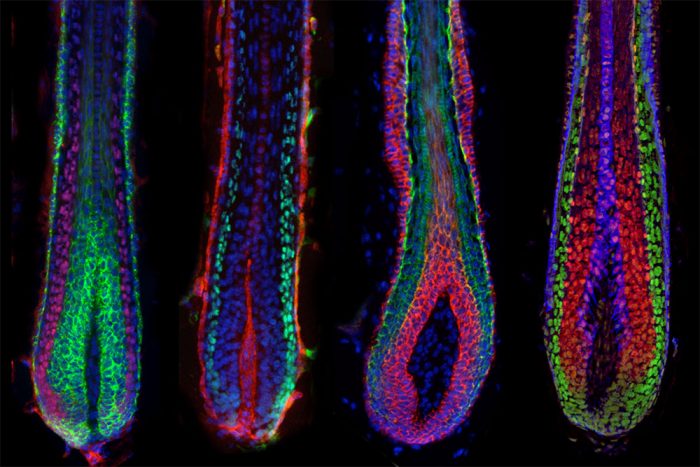
Scientists have found that stem cells in the skin remember an injury, helping them close recurring wounds faster. The discovery could advance research and treatment of psoriasis and other inflammatory diseases.
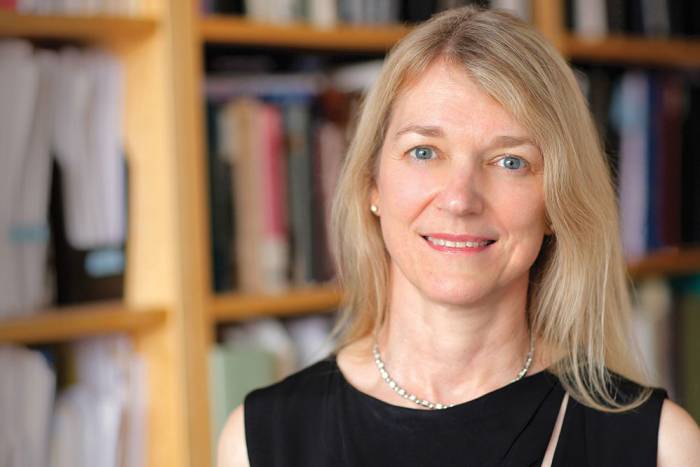
Bargmann is honored for her research exploring how genes and the environment interact to generate a variety of behaviors, and how behavioral decisions are modified by context and experience.
One of the most prestigious funding programs in the world, the MacArthur fellows program awards grants to exceptionally creative individuals as an investment in their potential.
Rockefeller University biologist Michael W. Young, who studies the biological clocks that regulate sleep, metabolism, and response to disease, is this year’s recipient of the Nobel Prize in Physiology or Medicine.
Scientists disrupted a gene essential for sensing pheromones, resulting in severe deficiencies in the ants’ social behaviors and their ability to survive within a colony.
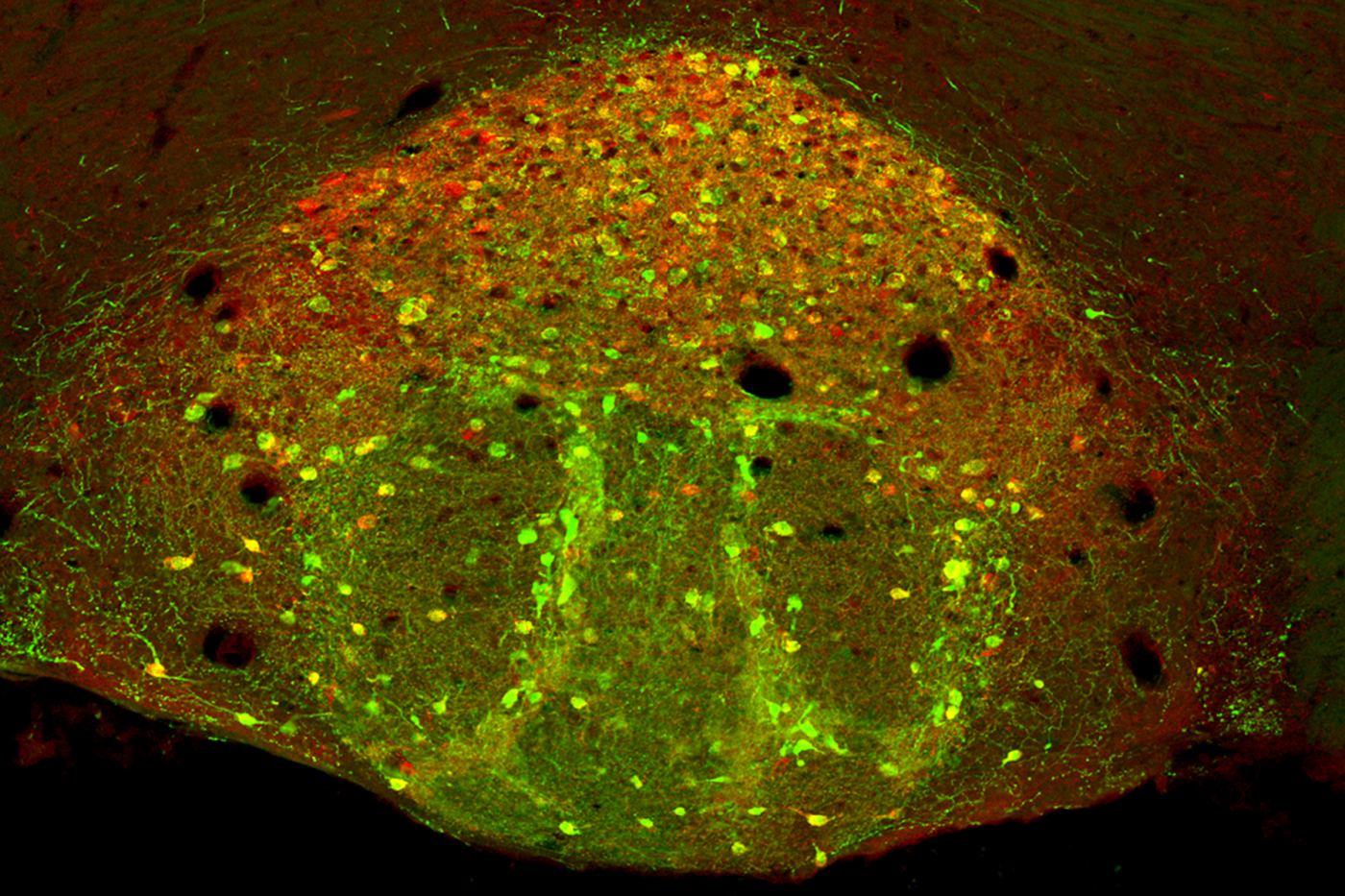
Within the oldest part of the brain, scientists have found cells in charge of controlling appetite and eating. The discovery could revitalize efforts to develop drugs for obesity that make us less hungry.
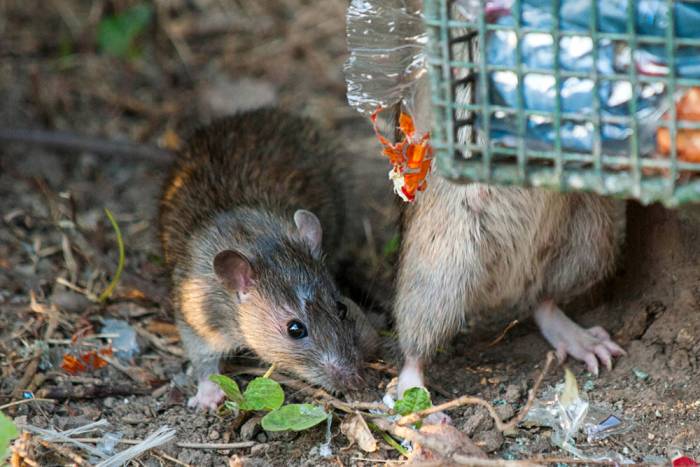
In the rats that roam New York City’s streets and tunnels, scientists have found a virus that resembles hepatitis C. They have used it to create the first animal model of the human disease, a breakthrough that potentially could yield a much-needed vaccine.
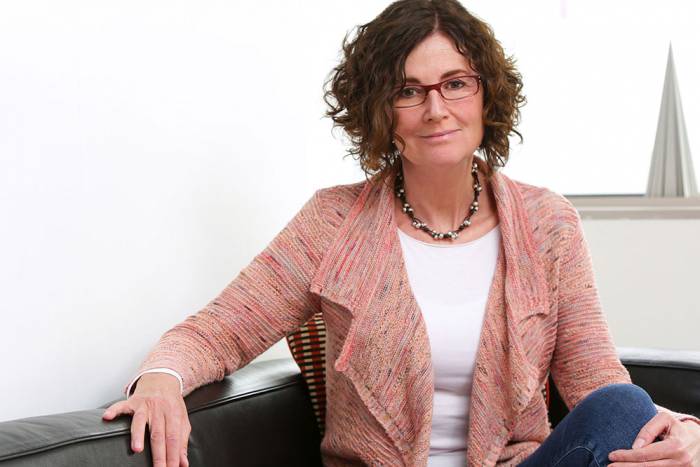
Allis has received the March of Dimes Prize in Developmental Biology. The award, given to investigators whose research offers hope for the prevention and treatment of birth defects and other infant diseases, honors Allis for his groundbreaking work on gene regulation.
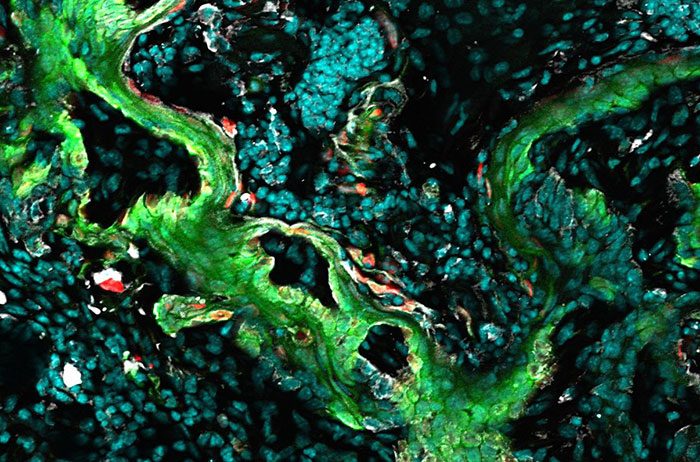
Scientists have long seen parallels between healing wounds and growing tumors. In studying the molecular changes that occur within both, a research team has discovered a new cancer-fuelling mechanism that potentially could inform drug development.
The centromere region of chromosomes retains the same DNA from one generation to the next. Scientists have gained new insights into how it avoids being scrambled in normal cells, and how it becomes unstable in cancer.
Scientists have discovered a common mutation that might explain why some people have trouble going to sleep at night and getting up early. The gene alteration slows the internal biological clock that regulates our sleeping patterns.