Memories are inherently shifty. A neuroscientist with a new lab of her own, Rajasethupathy likens the brain’s memory function to Wikipedia—always evolving, occasionally unreliable.
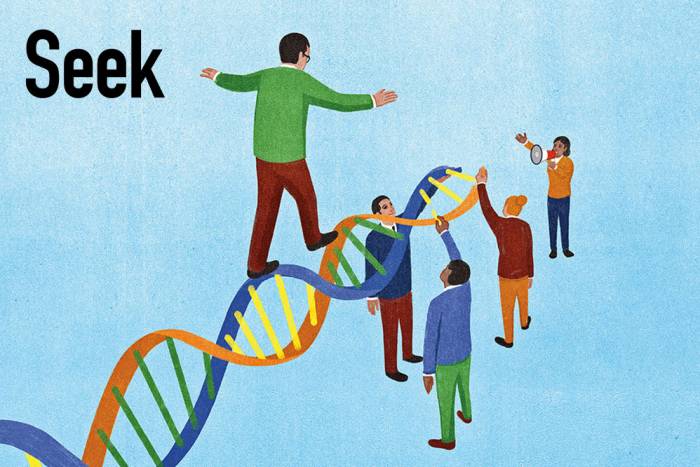
With science constantly advancing, ethical boundaries need regular recalibration. It’s a task scientists cannot do alone, says Brivanlou; all of society needs to engage.
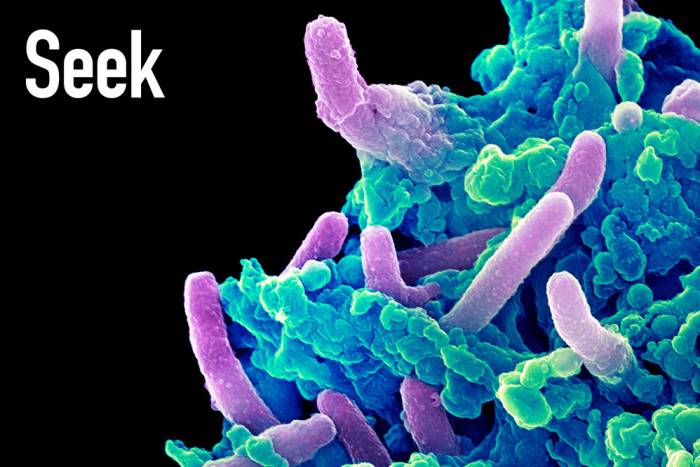
Deadly and elusive, M. tuberculosis has ravaged the world for centuries. Armed with new technologies to study the pathogen, scientists may finally be poised to intervene.
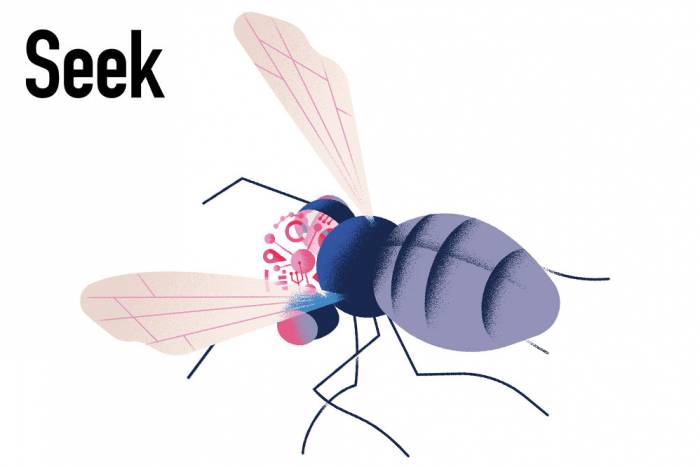
Life is full of binary choices, even for small animals like fruit flies. With new technologies, scientists can now dissect the mechanisms of decision making in the simplest of brains, at the levels of individual molecules, cells, and networks.
Therapeutics has gone underground. From one bag of soil, chemists can now procure millions of microbial molecules. Any one could be tomorrow’s lifesaving medicine.
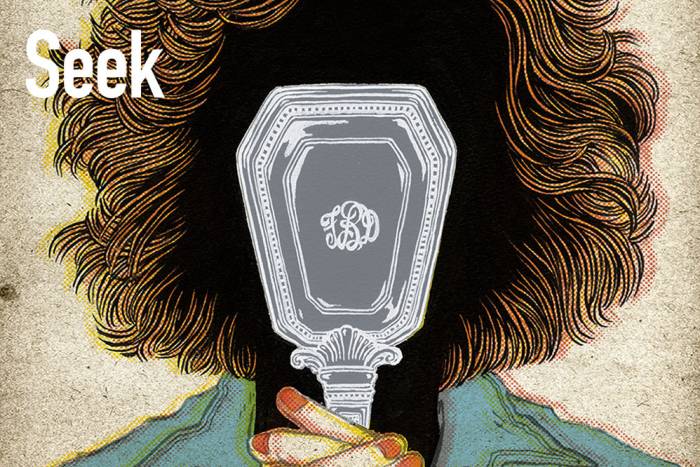
For the brain, seeing a face is very different from seeing a teacup. In studying a mysterious ailment, face blindness, scientists are getting a rare glimpse into the biology of the mind.
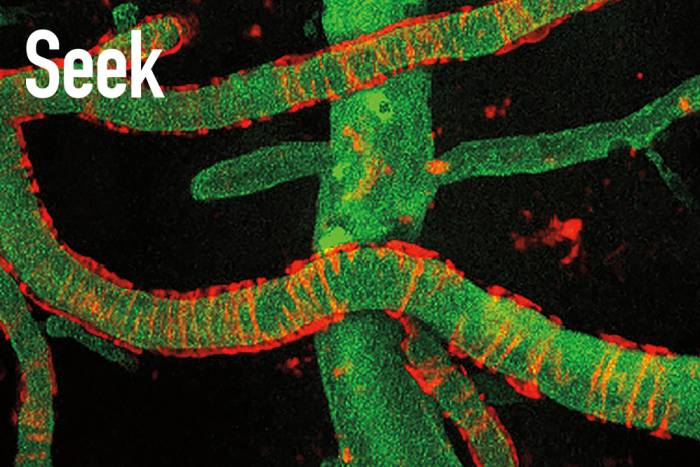
Despite decades of study, we know surprisingly little about why neurons fail and memories fade. One researcher is finding clues where few others have looked—in the brain’s blood chemistry.
Medical science is holding its breath. For decades, the most it could do for people with HIV was to prevent them from dying of AIDS. Now, new therapies are raising hopes for something more: a world in which the virus will no longer cause suffering or fear.