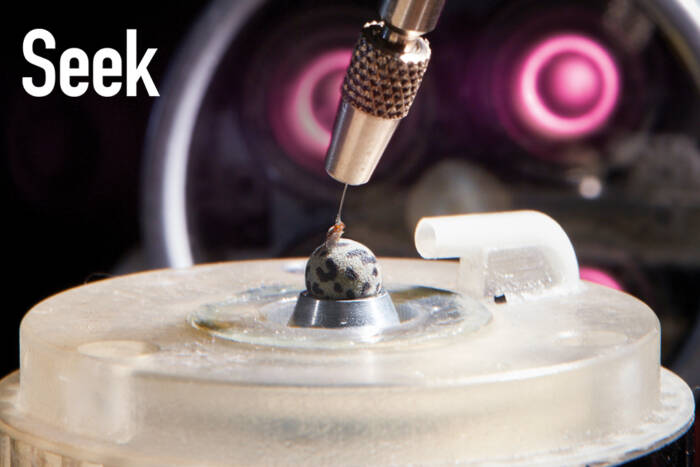
One clever way to observe the neural activity of Drosophilae: build them a custom fly treadmill and tempt them with the tangy perfume of apple cider vinegar.
Why do some with COVID end up on ventilators while others get a scratchy throat—and yet others seem to have dodged the virus entirely? Answers are emerging from scientists around the globe.
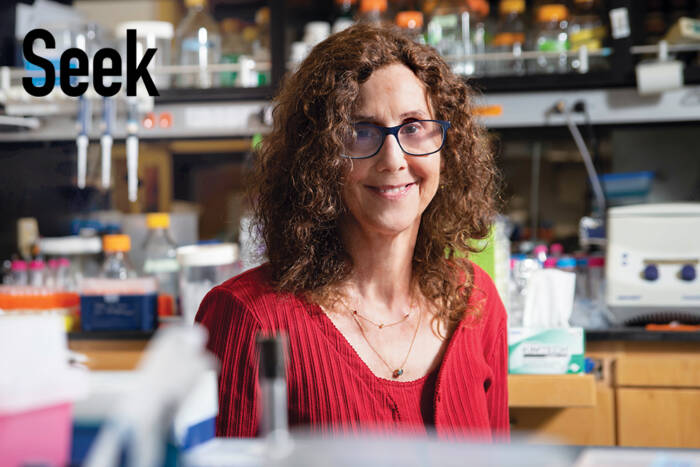
Universal vaccines can give years of protection against polio, measles, and smallpox, among other diseases. Pamela Bjorkman believes HIV, influenza, and COVID are next.
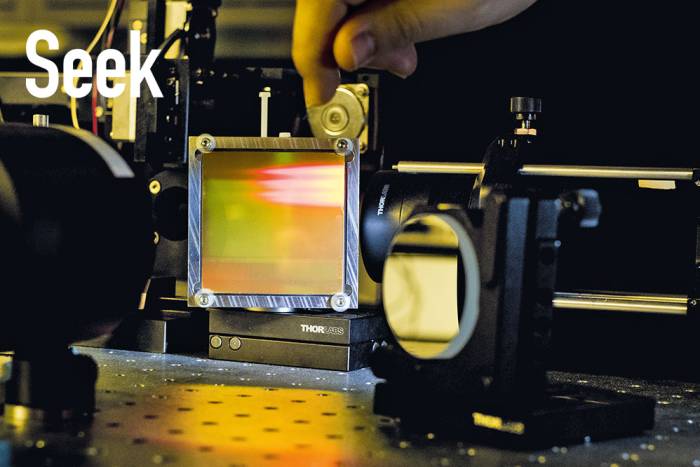
What if the tool needed to move science forward doesn’t yet exist? Here are gadgets and techniques born from improvisation that made impossible experiments possible.
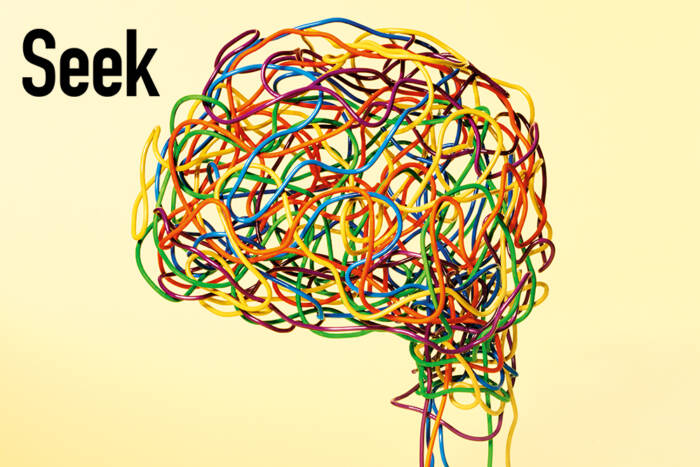
How did songbirds start singing? Neuroscientists are reshaping our understanding of speech—pinpointing the cells and molecules that built it and what happens in the brain when we learn a new word, chirp, or squeal.
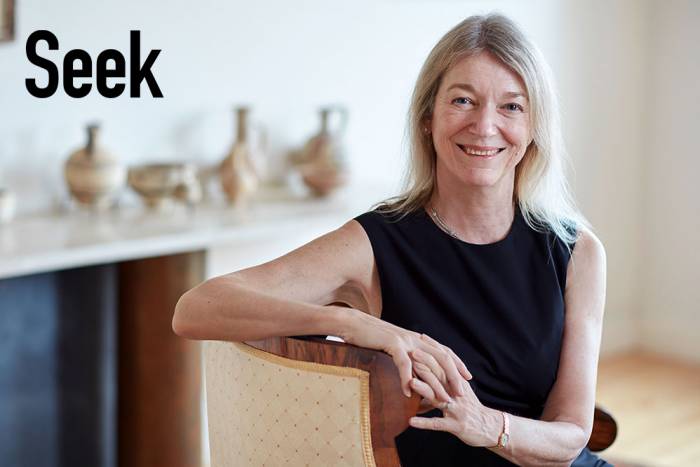
Private investments are making it possible to reimagine 21st-century bioscience. Cori Bargmann envisions a future with opportunity for researchers everywhere.