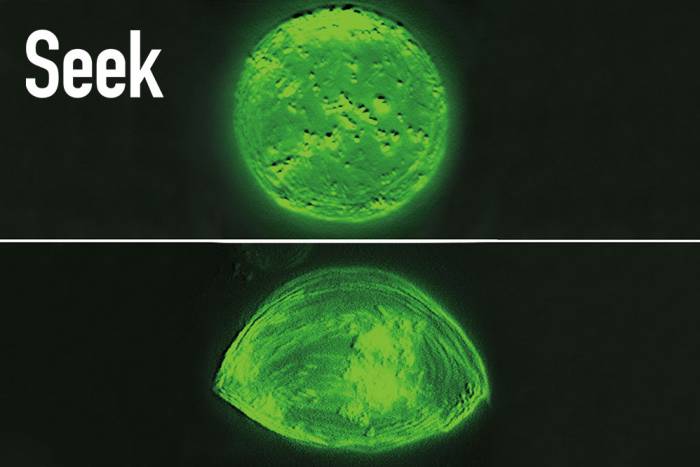
Only in sci-fi movies can a living cell be created from scratch. But a recent discovery suggests that this tantalizing feat might one day become possible in the real world.
Scientists long believed they knew precisely which nooks of the brain control our ability for selective attention. Now, new findings are redrawing the maps.
The lysosome is having a moment. More than 60 years after this bubble-shaped cell structure was first discovered, scientists have found that it is key to our ability to metabolize iron, and a potential target for new cancer drugs.
Cells—and the molecules inside them—are always on the move. They’re being tugged at, prodded, reshuffled. Behind these actions are tiny forces that, after decades of neglect, are emerging as the next big thing in biology.
The Aedes aegypti genome might hold clues for developing the most effective repellants yet—including ones that make the mosquito unable to smell us, or less motivated to seek us out.
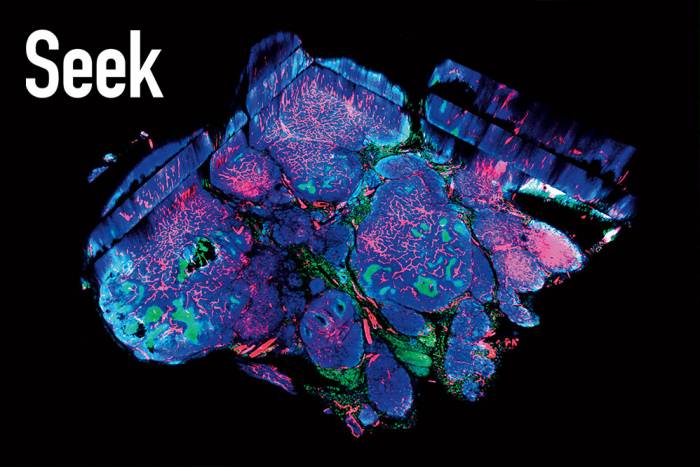
Research on Parkinson’s has taken a surprising twist. A group of neurons long assumed to expire in the disease were recently found to not be dead after all—providing a possible explanation for how the condition worsens.
Scientists are learning how tumor cells’ nutritional needs differ from those of normal cells. Will their work help
launch the next genre of cancer therapies?