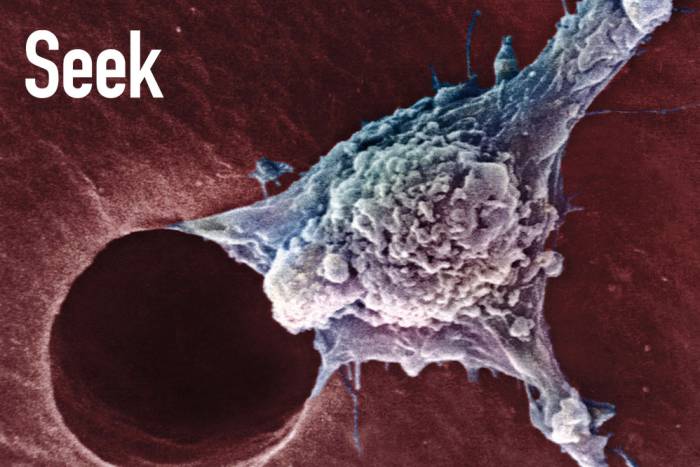
A single cell has no nerves, yet it can feel and respond to mechanical forces such as pressure. Armed with new technologies, scientists are making headway in understanding how this sensory system operates.

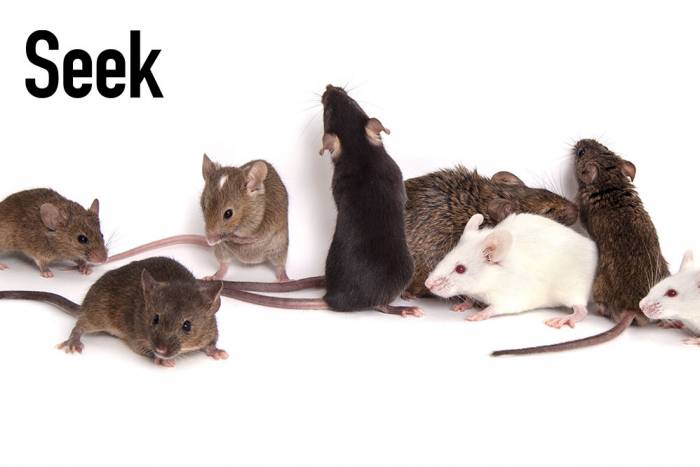
Thanks to the existence of forgetful mice, scientists have gained clues into the process by which the brain forms short-term memories. They were even able to restore a mouse’s memory by genetic manipulation.

Farmers have a new enemy, a species of fruit fly that lays eggs in ripe produce. To help curtail the problem, scientists are getting to the bottom of how this trait arose in the course of evolution.

Not all cancer cells are killers. One lab is focusing its energy on only those that enable tumors to spread—and it may have found their kryptonite.

We think of brains as computers—stimulus in, action out. But they’re far more finicky than any iMac. Easily swayed by underlying internal states such as hunger, aggression, or arousal, our neurons are capable of incredible flexibility. For neuroscientists, it’s yet another wrinkle in understandin...

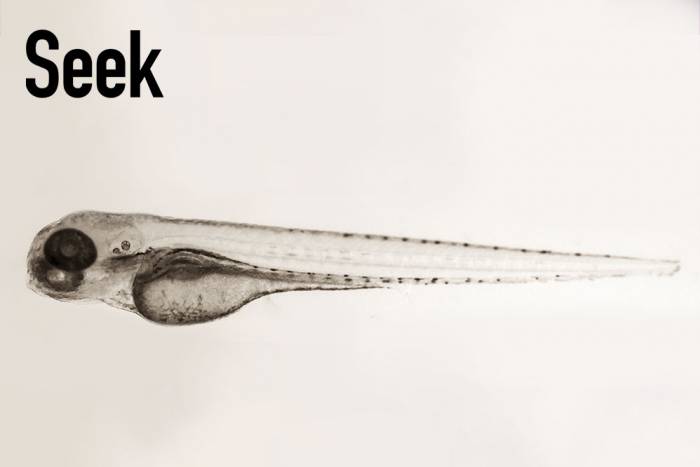
An elaborate set of zebrafish experiments is shining light on one of neuroscience’s greatest enigmas: How brains make decisions. By tracking neural activity, scientists can now predict a fish’s next move before it happens.

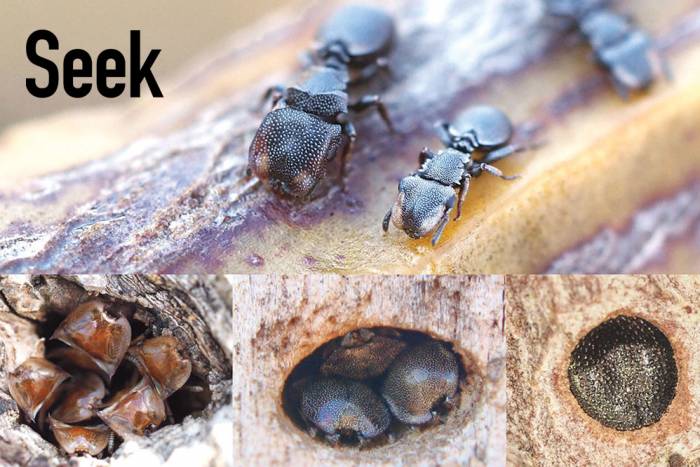
Scientists have found that evolution isn’t always a one-way street toward specialization.

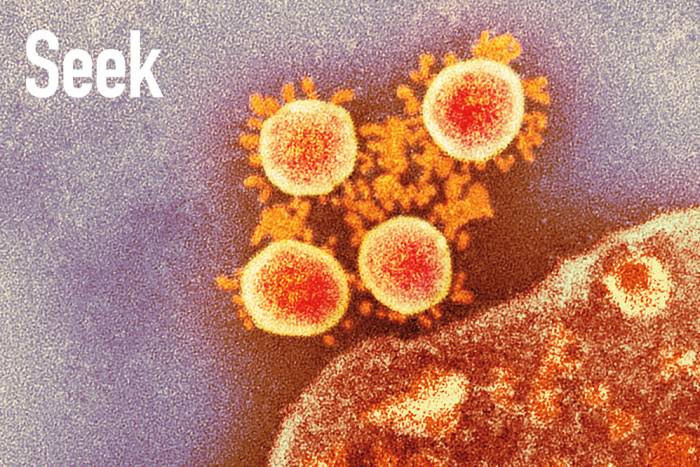
Scientists developed a method to safely examine the ability of SARS-CoV-2 to escape future drugs or vaccines by mutating. Their initial results are reassuring.

Experiments in zebrafish are shining light onto a poorly understood process in which cells communicate mechanically, by pushing and pulling on each other.

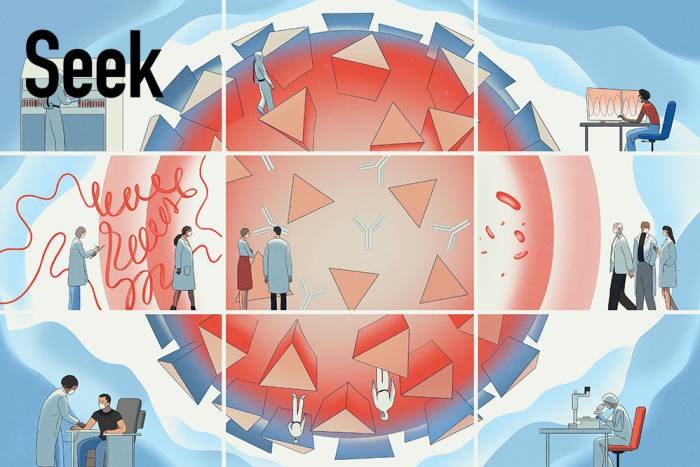
Researchers have launched a tremendous race to understand the new virus and attack it from every angle. How they work and collaborate might never again be the same.