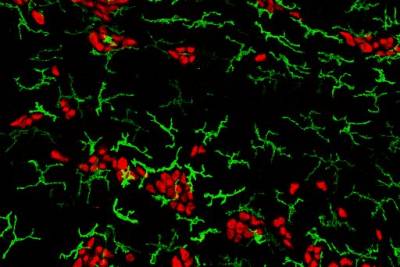
Prior infections appear to shield enteric neurons, preventing these key components of the body's "second brain" from dying off when future pathogens strike.
Human cells can be coaxed into preventing certain enveloped viruses (including HIV, Ebola, and parainfluenza) from escaping their membranes in the lab, a finding that could lead to novel treatments for many viral diseases.
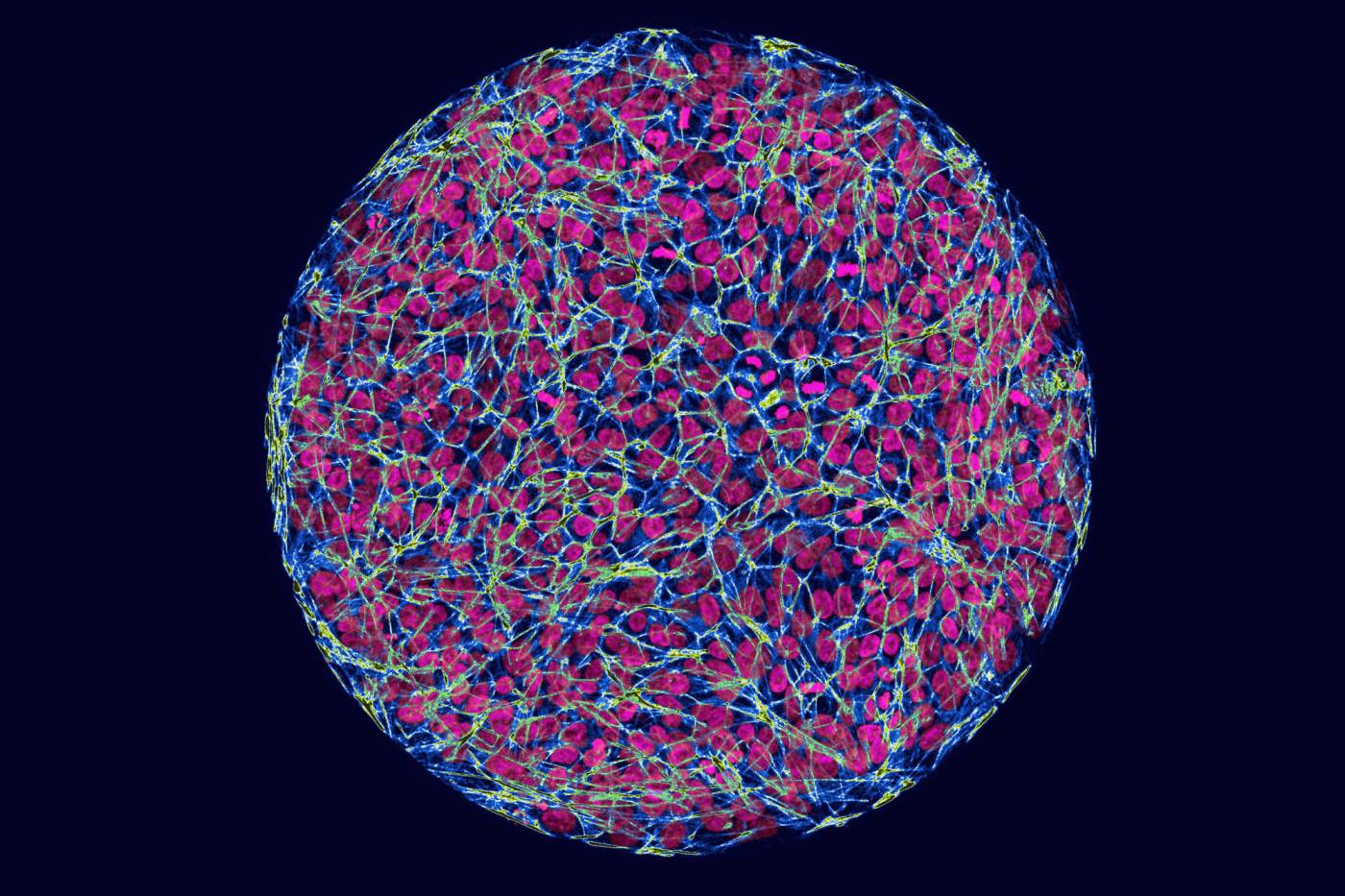
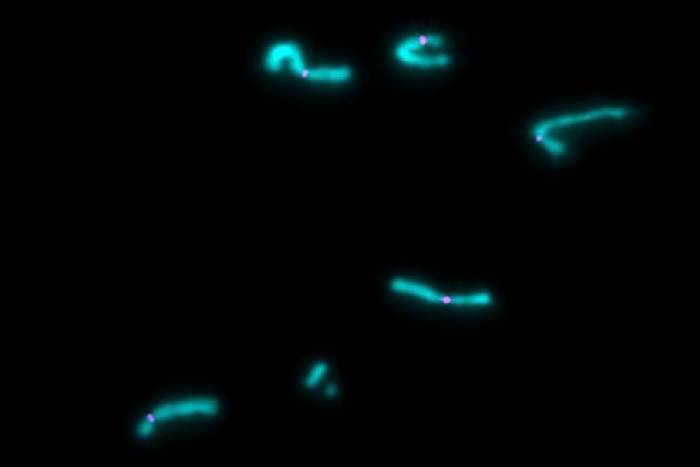
A new study finds that proteins known as linker histones control the complex coiling process that determines whether DNA will wind into long and thin chromosomes, made up of many small loops, or short and thick chromosomes with fewer large loops.
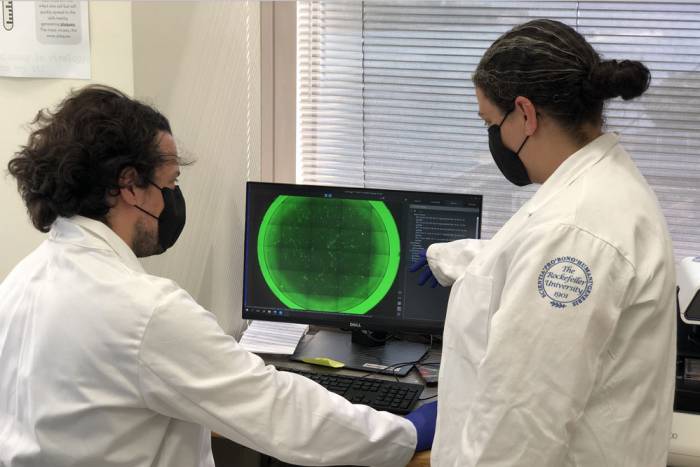
Studying dozens of naturally occurring and laboratory-selected mutations in SARS-CoV-2, researchers found that the virus will need to pull off a genetic feat to become fully resistant to antibodies.
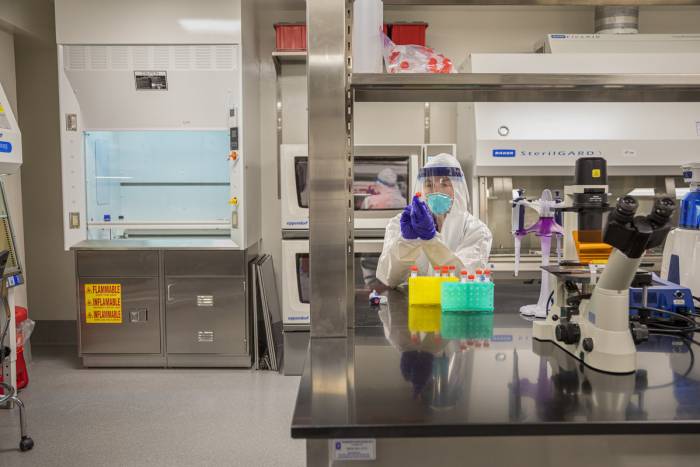
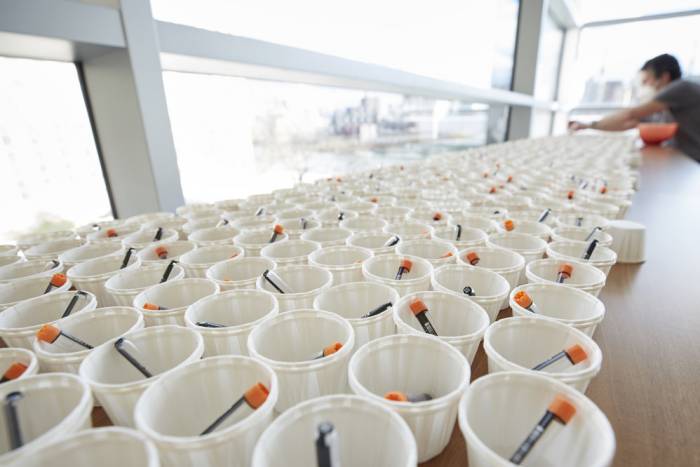
The DRUL saliva assay is safer, more comfortable, and less expensive than comparable COVID screening tools. Now a new study demonstrates that it is at least as sensitive as swab tests, too.
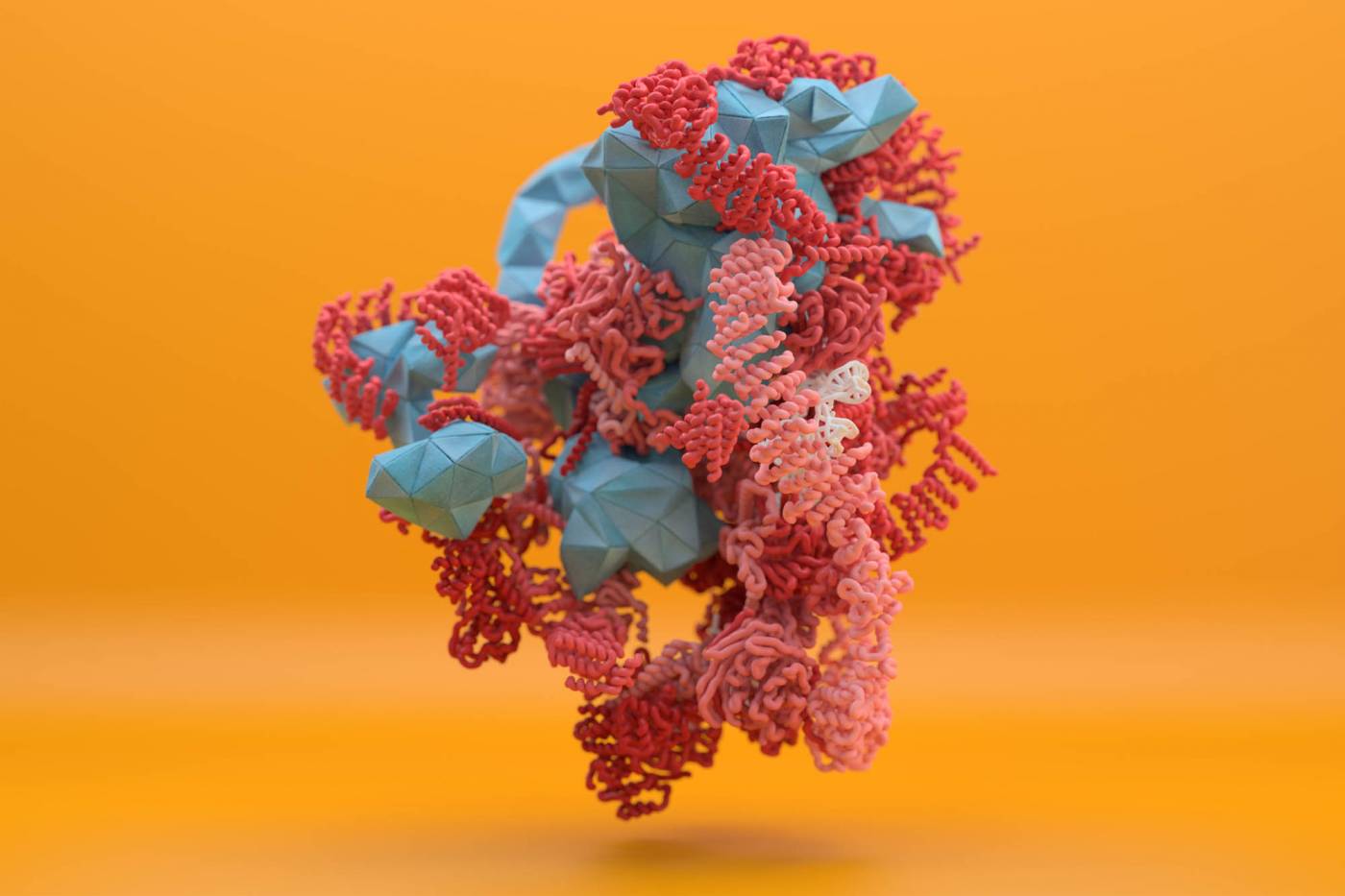
Three-dimensional images of human small ribosomal subunits offer the most detailed explanation for how the cell's protein-making machines are assembled.