Scientists have found that a hormone tells the brain to dramatically restructure neurons embedded in fat tissue. Their work widens our understanding of how the body regulates its energy consumption, and how obesity might be treated in the future.
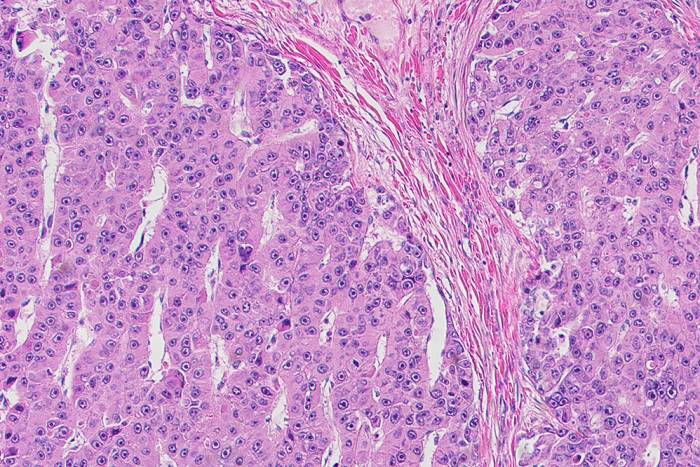
A genomics study has identified a previously unknown cell type whose blood levels tend to rise and fall in patients with rheumatoid arthritis. The findings could make it easier to manage the disease and help scientists understand its root causes.
Scientists have used advanced technology to “micro-dissect” the first brain cells to perish in Alzheimer’s disease. The result is a short list of genes that could represent new drug targets.
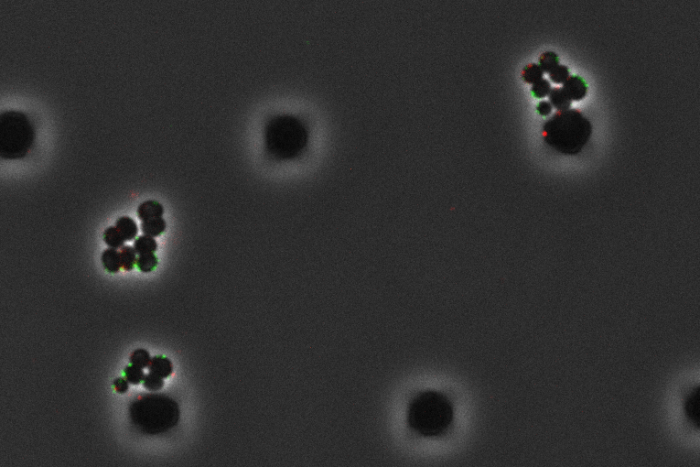
New findings characterize human antibody response to SARS-Cov-2, with implications for convalescent plasma therapy, vaccine design, and antibody-based drugs.
How do primitive cells “know” where to go during development? Scientists studying the fish equivalent of inner-ear hair cells have shown that biochemical and mechanical cues work together to orchestrate a highly complex arrangement.
Llamas make antibodies that are much smaller than their human counterparts, yet still potent. Scientists hope that future drugs based on these molecules could provide new weapons against SARS-CoV-2.
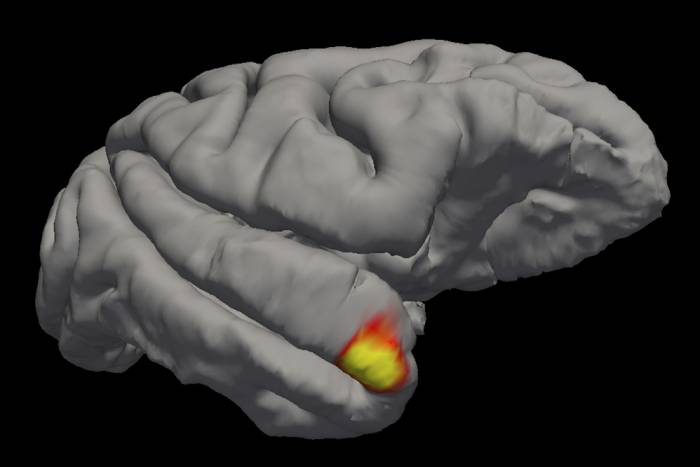
In findings that might lead to better smoking-cessation tools, scientists have shown that manipulating a specific brain receptor can alter a mouse’s nicotine sensitivity.
Scientists have long struggled to understand what drives a tumor to seed itself elsewhere in the body. New research implicates our own pre-existing genetics.
The condition resembles a rare childhood illness, Kawasaki disease. Researchers are analyzing blood samples to find genetic clues to what might be causing it.