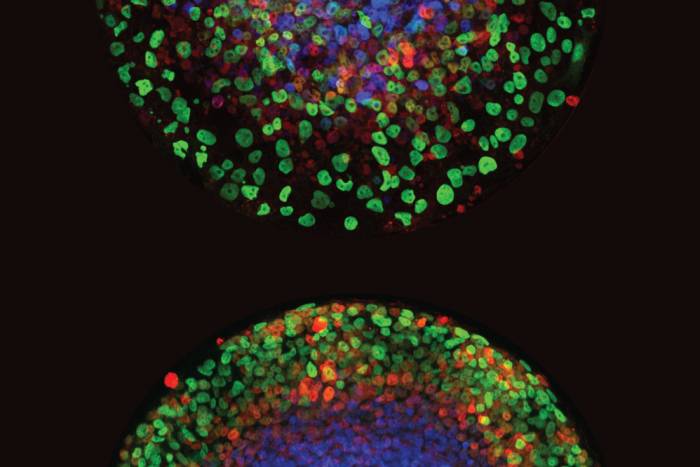
New research casts doubt on a genetic test used to screen would-be embryos for IVF implantation. The findings suggests that these embryos can develop into healthy babies regardless of whether or not they’ve been flagged as defective by the test.
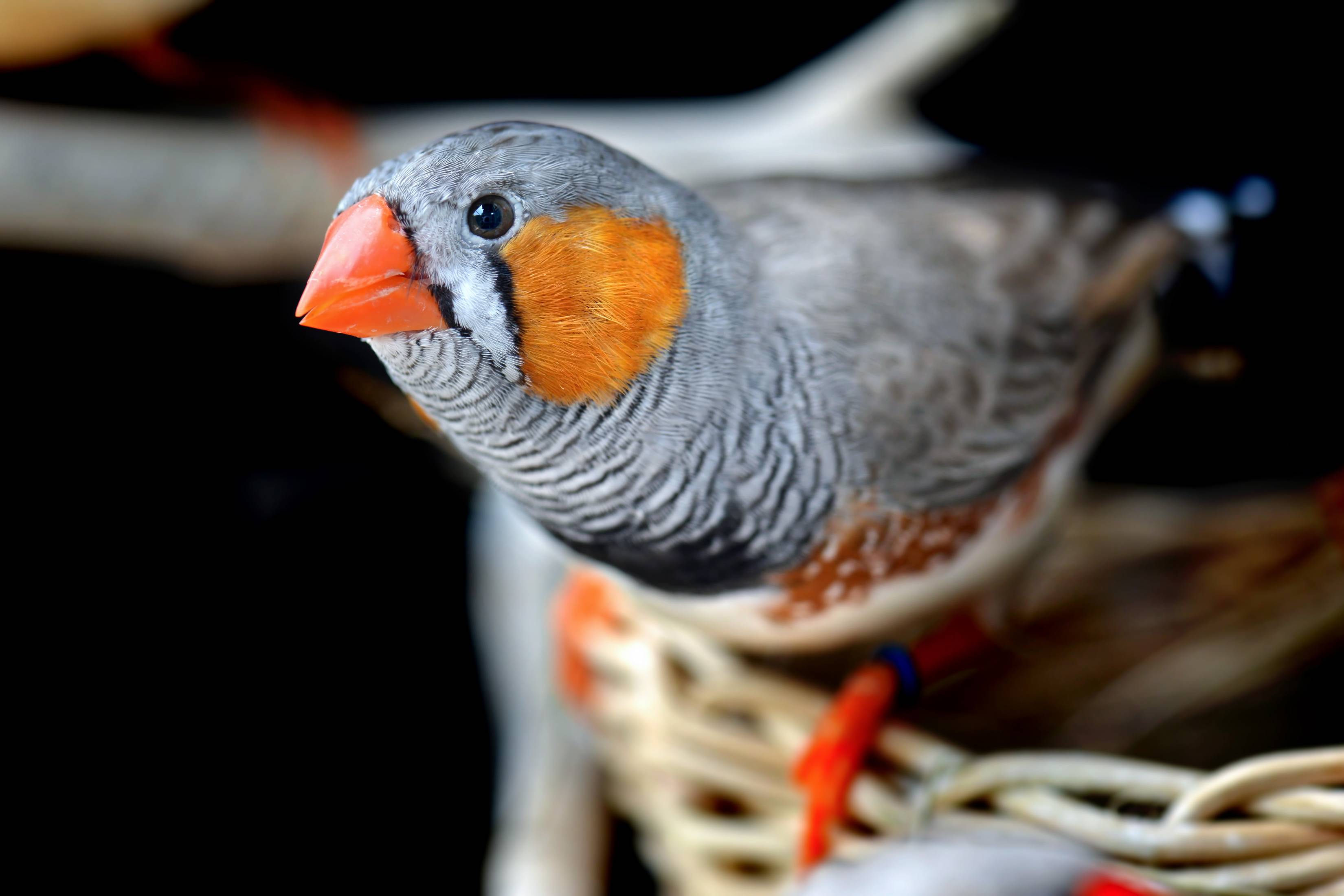
Scientists have launched an ambitious effort to produce high-quality reference genomes for all vertebrate species, from mammals to birds and reptiles. The result could be discoveries with implications for animal conservation as well as human health and disease.
Scientists call it oxytocin in humans, isotocin in fish, mesotocin in birds, and valitocin in sharks. But according to a new study, it’s all the same hormone—and high time we settled on just one name.
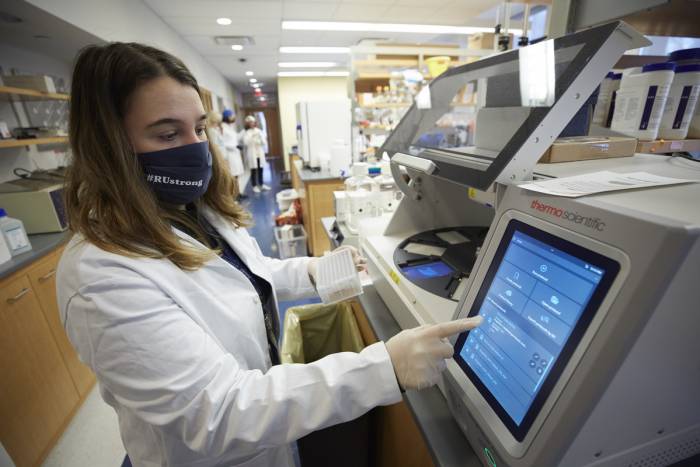
Two new cases helped scientists confirm what many have come to suspect: that people can get infected by SARS-CoV-2 variants even after successful vaccination. The findings suggest continued testing may be needed to prevent future outbreaks in a post-vaccine world. <...
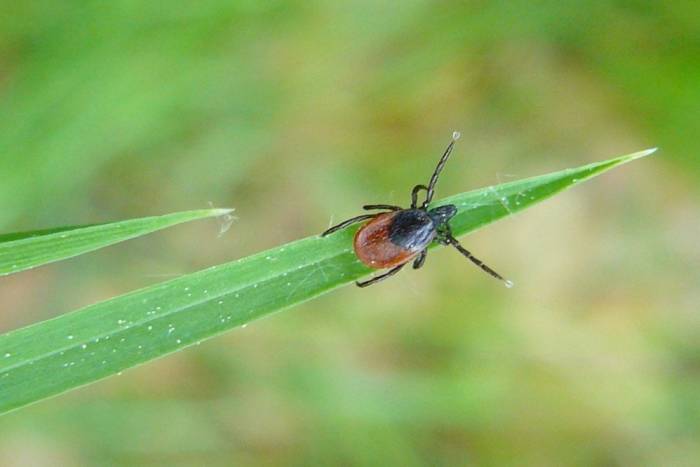
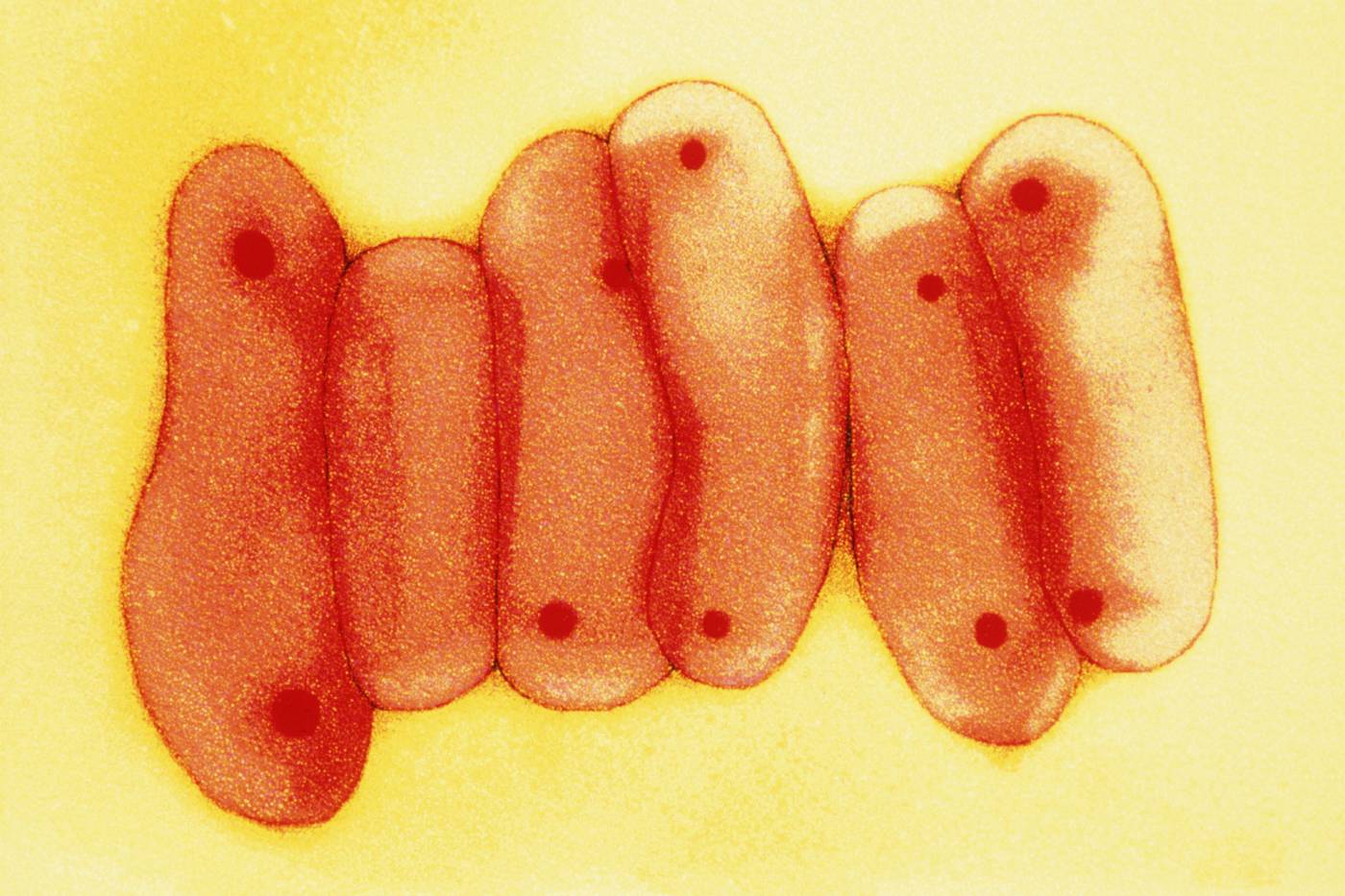
The virus that causes tick-borne encephalitis appears to trick the immune system, misdirecting it into producing inferior antibodies. But new research shows some people produce more potent antibodies, providing hope for treatment.
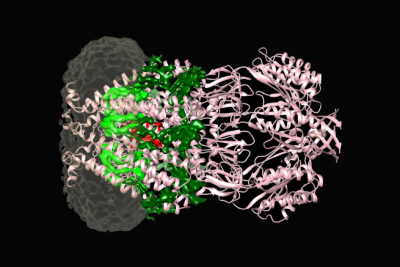
The discovery may explain why some patients suffer more severe reactions than others—putting us one step closer to understanding how our DNA influences our susceptibility to a wide range of infectious diseases.
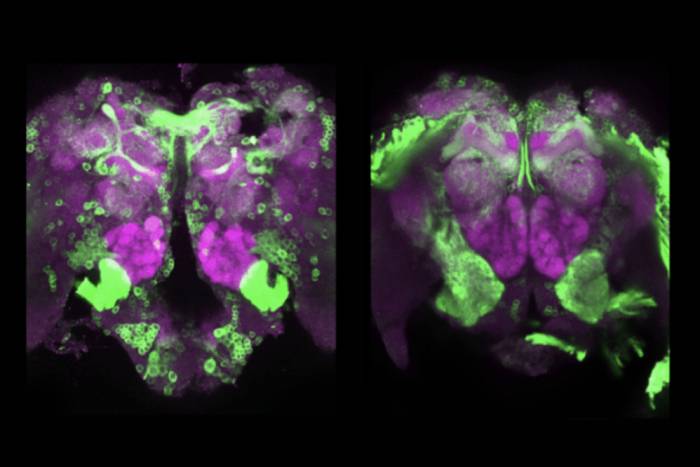
Unlike their female counterparts, male mosquitoes have no desire to bite us. But the hardware for host-seeking is hidden in the male mosquito brain, locked behind a simple genetic switch.