A rare genetic change may explain why some people die from cytomegalovirus, a stealth pathogen that is often asymptomatic.

For reasons that have long been unclear, cells stop dividing when the pH rises inside tiny cellular compartments called lysosomes. Now scientists have found an explanation for this phenomenon, with potential implications for drug development.

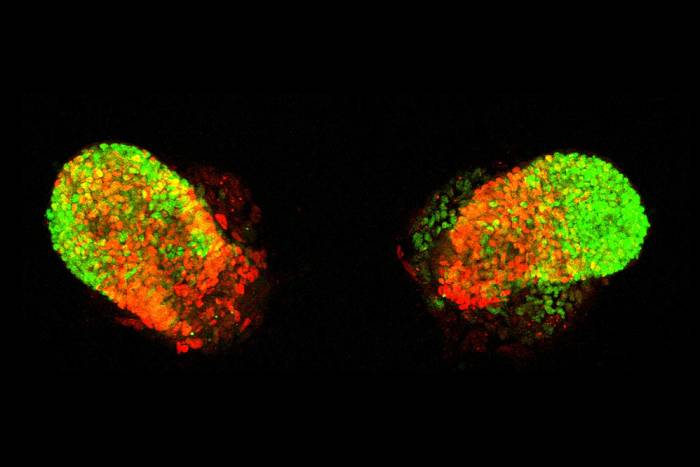
Tracking neuronal activity in a zebrafish brain, researchers can predict when the fish will flip its tail and to which direction, left or right.

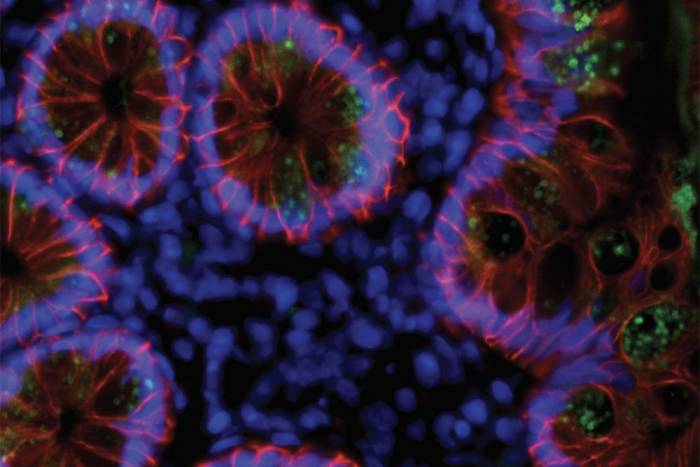
For some unlucky people, a bout of intestinal distress like traveler’s diarrhea leads to irritable bowel syndrome. Recent discoveries have given scientists a better idea of how this happens, and potential leads for new treatments.

Rockefeller researchers accomplished a lot this year. We look back at 12 of the most exciting science stories of 2019.

Scientists find a new brain area in control of our attention skills, raising new questions in what has long been considered a settled scientific field.

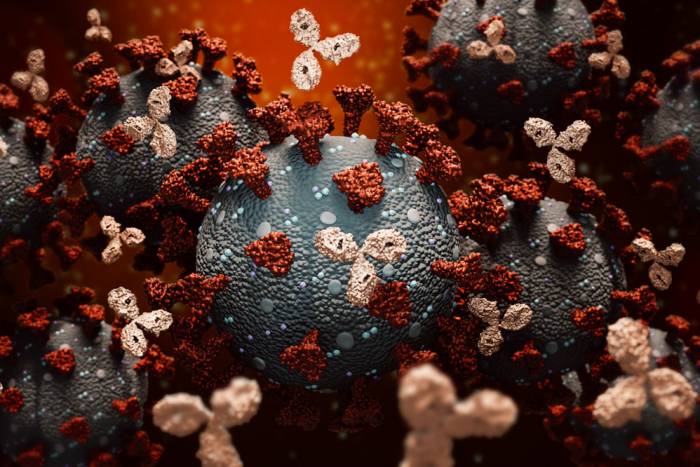
To scientists' surprise, the immune system develops its response to each virus variant mostly from scratch, instead of building on what it has already learned.

A problem in reader proteins that identify which gene is up for expression may cause normal cells to turn malignant during development.

Researchers have identified a set of biological factors in mice that seem to determine one's ability to bounce back from a traumatic event, and provide preliminary evidence that a naturally-occurring substance may help boost resiliency in the face of stressful situations.

Protein clumps are routinely found in the brains of patients with neurodegenerative diseases. Now researchers find a link between this buildup and the intracellular movement of proteasomes, molecular machines tasked with degrading protein waste inside cells.