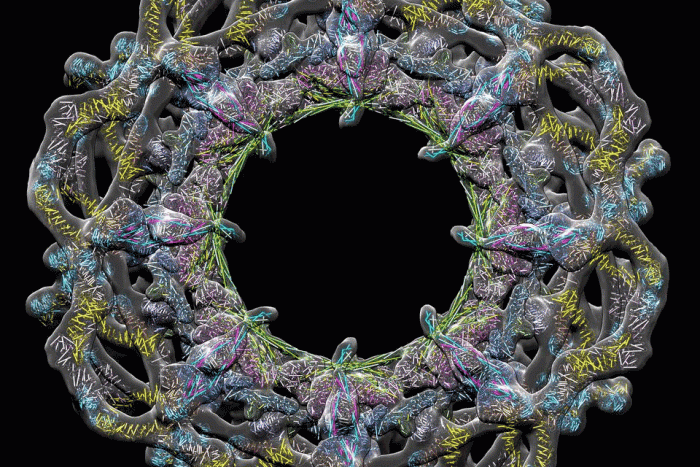
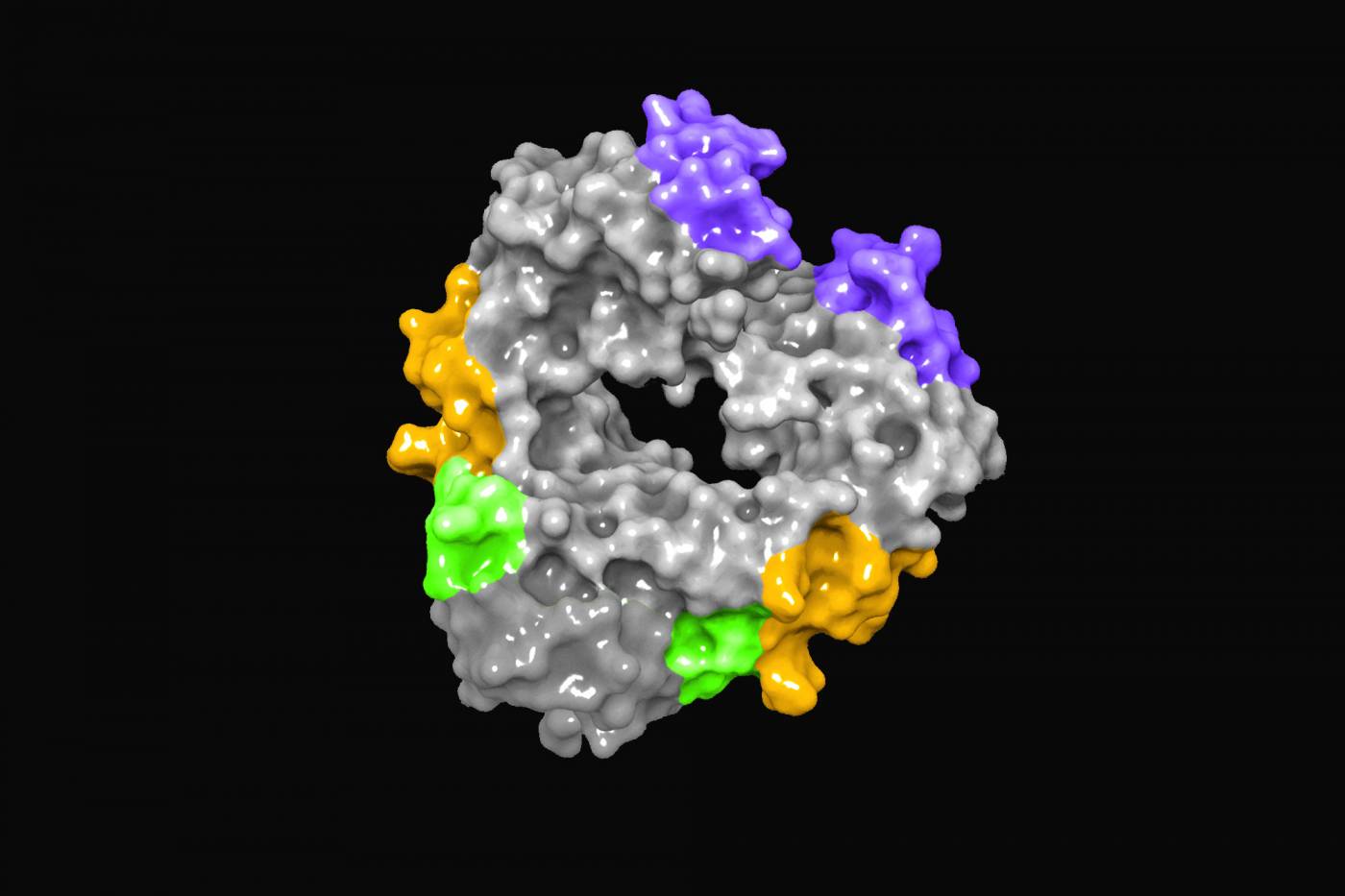
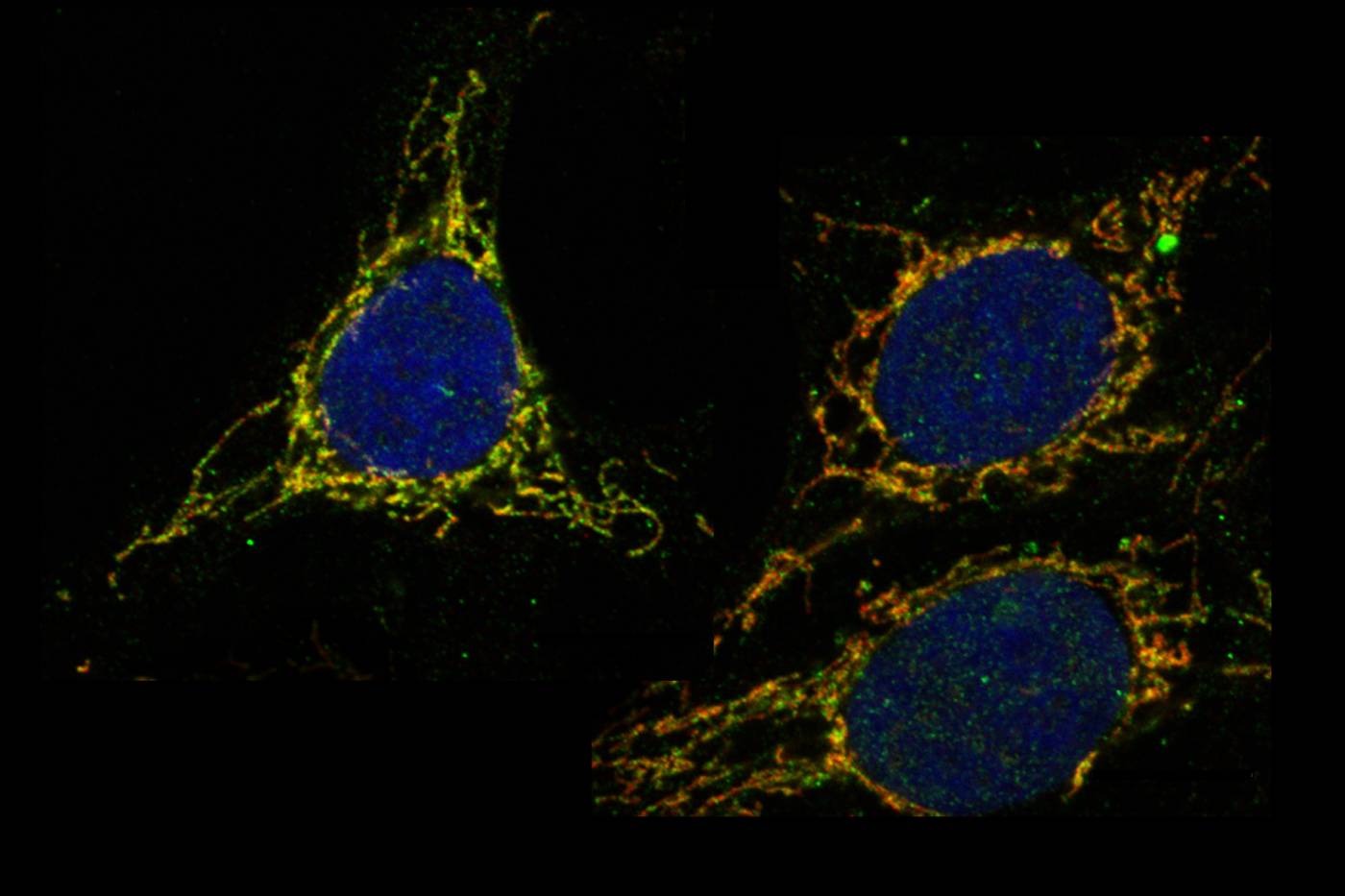
The findings, which may have implications for a wide range of human diseases, suggest that nuclear pore complexes vary in structure and function even within a single nucleus.
Increasingly, hospitalized patients contract infections that evade current antibiotics including colistin, long used as a last treatment option. The discovery of a new colistin variant might make it possible to outmaneuver these pathogens.
This year's scientific endeavors included multiple attacks on SARS-CoV-2—and a lot more. Here are the most memorable science stories to come out of Rockefeller labs in 2021, from the benefits of brown fat to the pitfalls of modern IVF screening techniques.
Researchers found that the antibodies present in people who have had COVID or taken two doses of mRNA vaccine are inadequate against Omicron. But their protective ability increases significantly after a booster dose.
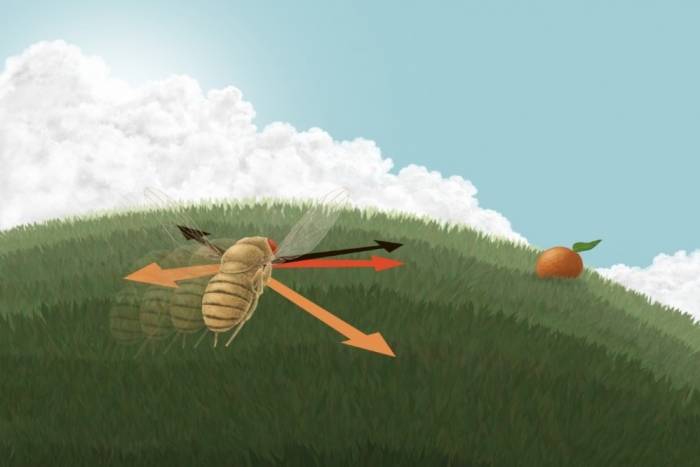
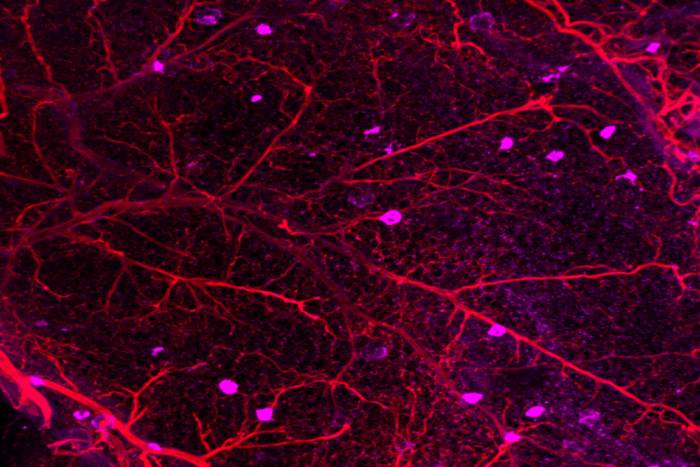
New research reveals how neurons in a fly's brain signal the direction in which the body is traveling. The cells appear to literally perform vector math in order to act as a biological compass.
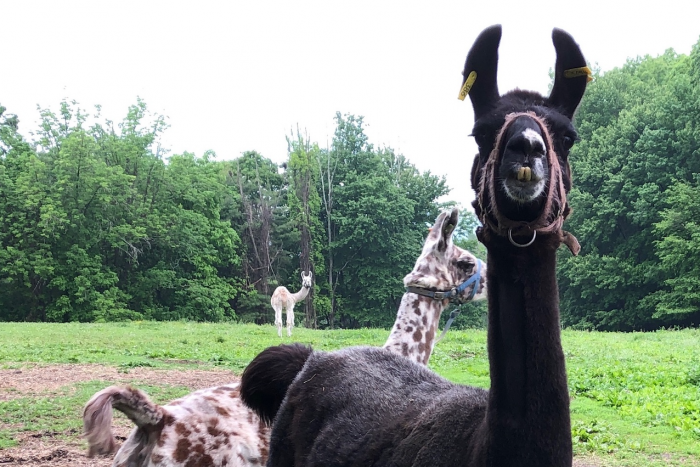
Scientists have identified hundreds of llama-derived antibodies that potentially could be developed into a COVID treatment. They hope such a drug would be potent against different variants of the coronavirus, including Omicron.
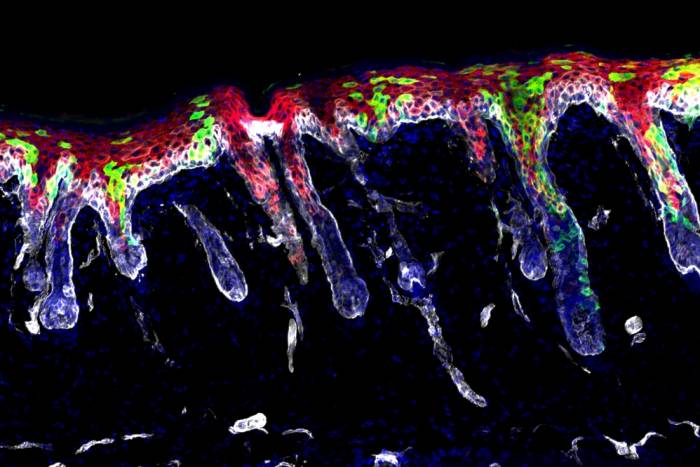
Epidermal stem cells that hail from the hair follicle retain memories of their journey to the skin's surface. Those memories are a boon for wound repair, but may also contribute to chronic diseases and cancer.
In animal experiments, the structurally altered antibodies activated the immune system more effectively than those currently used in the clinic. They also proved to be more protective against the virus.