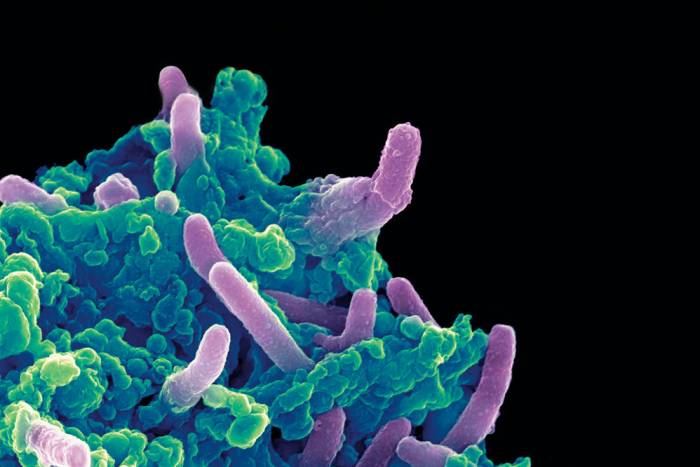
The study highlights genes that, when silenced, render Mycobacterium tuberculosis vulnerable to antibiotics, and identifies existing drugs that may be effective against one prominent strain.
Linker histone H1 appears capable of distinguishing between single-stranded and double-stranded DNA, suggesting that its role in maintaining our genomes extends far beyond that of keeping chromosomes compact.
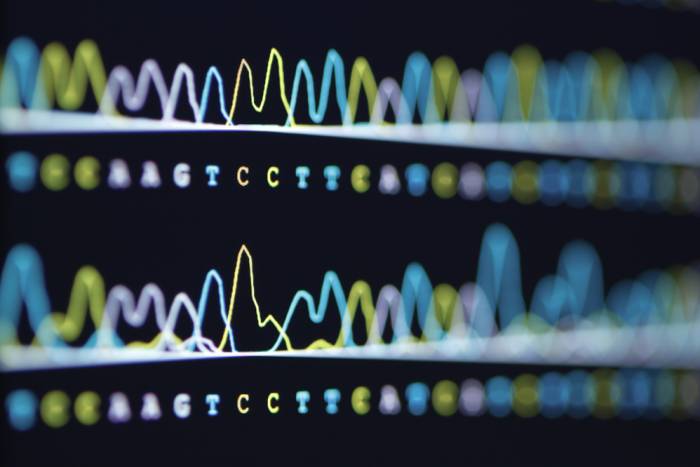
The compound attacks MRSA, C. diff, and several other deadly pathogens. Its discovery demonstrates the power of combining computational biology, genetic sequencing, and synthetic chemistry to study bacterial evolution.
A mutated gene may explain why some Staphylococcus aureus infections turn lethal, a finding with significant implications for people living with 5p- syndrome.
Unlike conventional antiretroviral drugs, treatment with broadly neutralizing antibodies does not rely on vigilant daily dosing and could potentially reduce the body’s reservoir of latent viruses.
A new study reveals how the drug fidaxomicin selectively targets a dangerous pathogen without causing harm to beneficial bacteria. The findings could inform the development of new narrow-spectrum antibiotics for treating other types of infection.
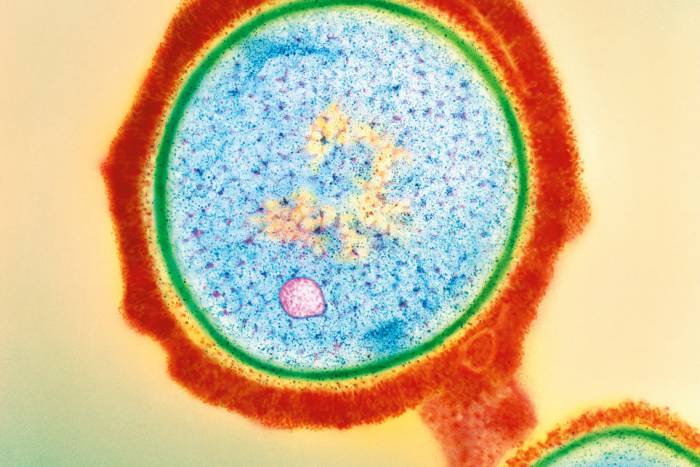
In studying how bacteria respond to viral infection, scientists are learning that their defense strategies cooperate in ways reminiscent of the elaborate immune systems of animals.
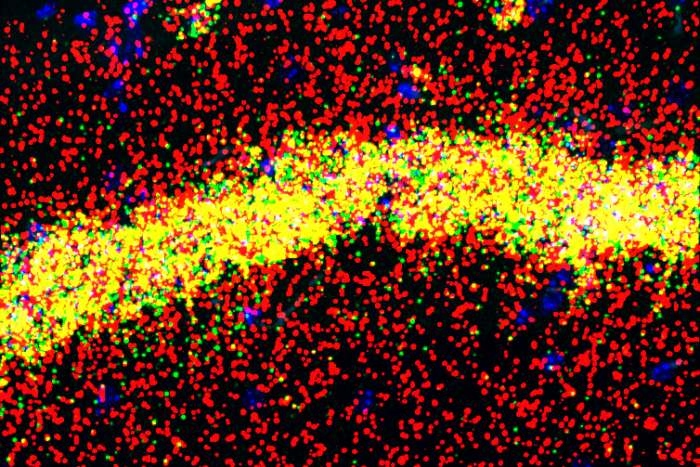
FMRP, a protein whose loss causes intellectual disability, may regulate a neuron's synaptic response by establishing a feedback loop between the cell's nucleus and its faraway dendrites.
Protein folding diseases, from Alzheimer's to Gaucher's, may one day be treated by a unique class of protein corrector molecules that are already helping manage cystic fibrosis.