Because three percent of the world population possesses these gene variants, the findings may have implications for hundreds of millions of individuals around the world.
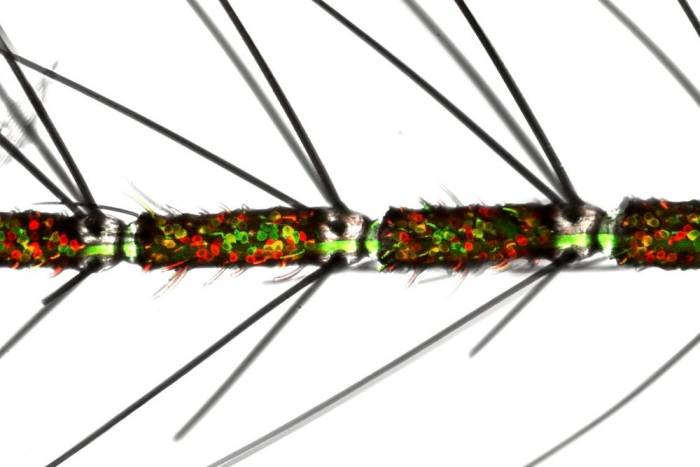
Through questioning their assumptions about how mosquitoes sense and interpret odors, scientists may have discovered why efforts to throw the vectors of dengue and Zika off the human scent have not succeeded.
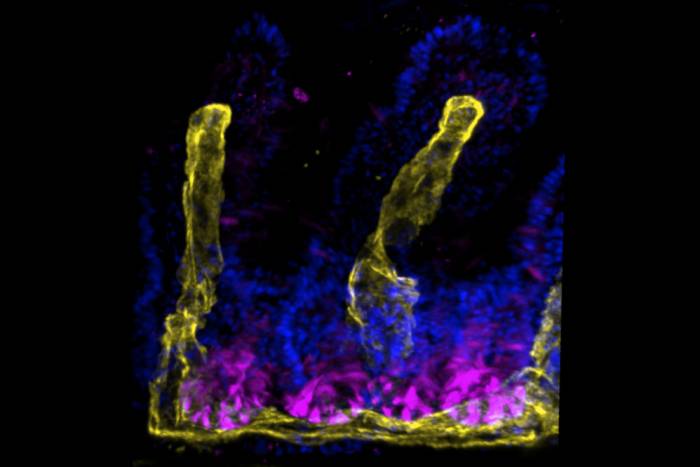
A new study suggests that stem cells are able to integrate cues from their surroundings and coordinate their behavior across tissue through networks of vasculature in their close vicinity.
Researchers have long disagreed over whether ??T cells in the gut promote or discourage tumor growth, but new evidence suggests they have the capacity to do both.
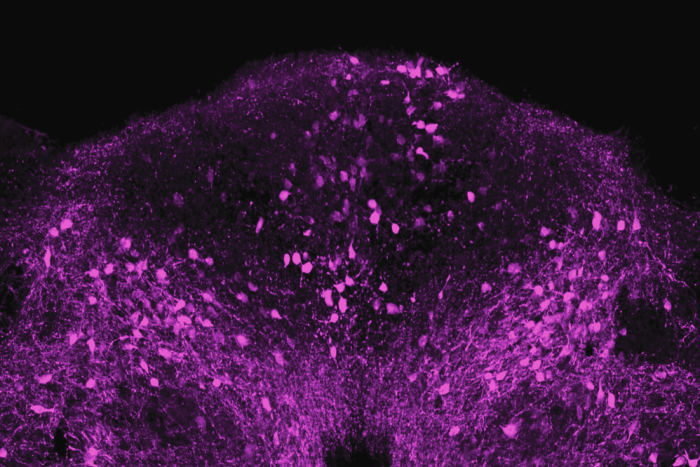
The research demonstrates the distributed nature of memory processing in the brain, and reveals a dedicated pathway for memory recall, which is less understood than memory formation.
The booster appears to galvanize memory B cells into producing potent and versatile antibodies that neutralize both the original virus and its many variants.
In developing bird skin, immature cells move around and form intricate patterns. Scientists are zeroing in on the mechanical forces guiding the process.