Helper T cells may play a dual role in the immune system, both encouraging and suppressing the process by which B cells mature.

In Drosophila’s neural circuitry for courtship, researchers discover a configuration that enables a male fruit fly to be persistent, yet flexible in his pursuit of a female.

Our brains have sensory cells, which process the faces that we see, and memory cells dedicated to storing data from person encounters. But until now, a hybrid neuron capable of linking vision to memory—and explaining how we recall familiar faces—remained elusive.

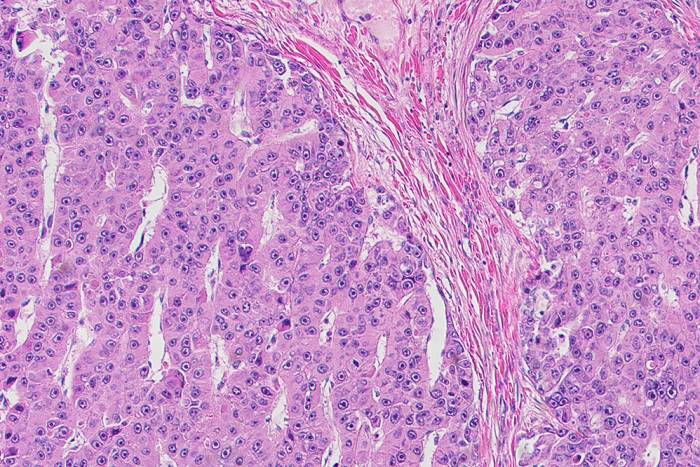
After scouring more than 5,000 compounds, scientists have identified several new classes of therapeutics that may help treat fibrolamellar carcinoma.

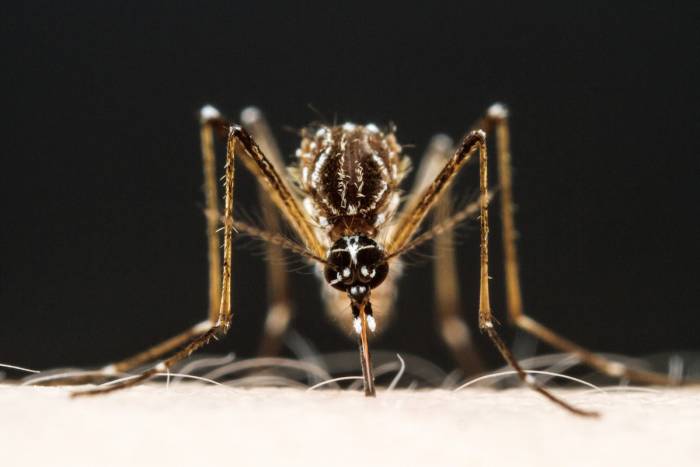
The antibody's altered structure helps explain an enduring mystery of dengue—why only a fraction of those infected will develop severe disease.

Whenever a cell uses CRISPR to defend itself, there's a chance of mutations creeping into its genetic code. Some of these mutations are harmless; others kill the cell. But fortuitous mutations can occasionally render major human pathogens, such as Staphylococcus aureus, antibiotic resistant.

Vaccination enhances antibodies in people who have had COVID, likely giving them protection even from the new variants.

New research casts doubt on a genetic test used to screen would-be embryos for IVF implantation. The findings suggests that these embryos can develop into healthy babies regardless of whether or not they’ve been flagged as defective by the test.

Scientists have launched an ambitious effort to produce high-quality reference genomes for all vertebrate species, from mammals to birds and reptiles. The result could be discoveries with implications for animal conservation as well as human health and disease.

Scientists call it oxytocin in humans, isotocin in fish, mesotocin in birds, and valitocin in sharks. But according to a new study, it’s all the same hormone—and high time we settled on just one name.