Scientists identified a mutation that affects one’s reaction to HPV by decreasing the production of CD28, a vital molecule within the immune system.

Using light beads microscopy, researchers can now capture images of a vast number of cells across different depths in the brain at high speed, with unprecedented clarity.

Animals as small and soft as tardigrades seldom have legs and almost never bother walking. But a new study finds that water bears propel themselves through sediment and soil on eight stubby legs, in a manner resembling that of insects 500,000 times their size.

People who recover from COVID-19 may have better protection than those who received a vaccine, but the benefits of natural immunity do not outweigh the very real risk of disability and death from contracting the disease.

New studies point to a single molecular explanation for 20 percent of critical COVID-19 cases: insufficient or defective type I interferons.

If COVID-19 lockdowns scrambled your sleep schedule and stretched your waistline, you're not alone. Fruit flies quarantined in test tubes sleep too little and eat too much after only one week of social isolation.

The first-ever molecular images of an olfactory receptor at work answer decades-old questions about odor recognition.

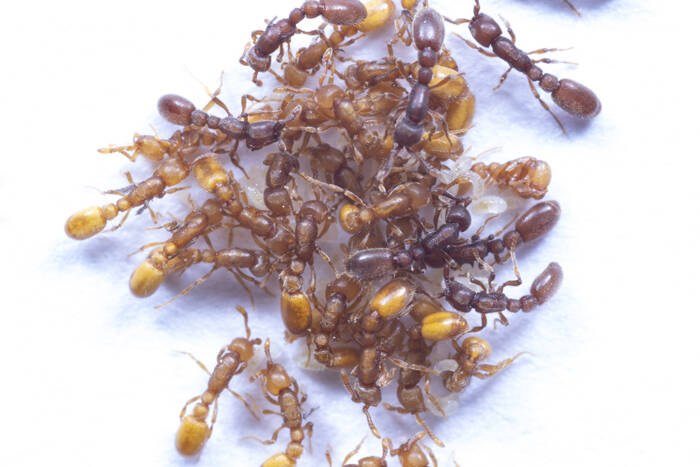
By increasing the size of ant colonies bit by bit, scientists identified the mechanism responsible for the evolution of mass raiding behavior.

A new study uncovers a near-universal mechanism behind this phenomenon, known as inflammatory memory.

Not every gene that's essential in tuberculosis is also vulnerable to attack. A new study ranks essential genes by vulnerability, allowing researchers to better prioritize future drug targets.