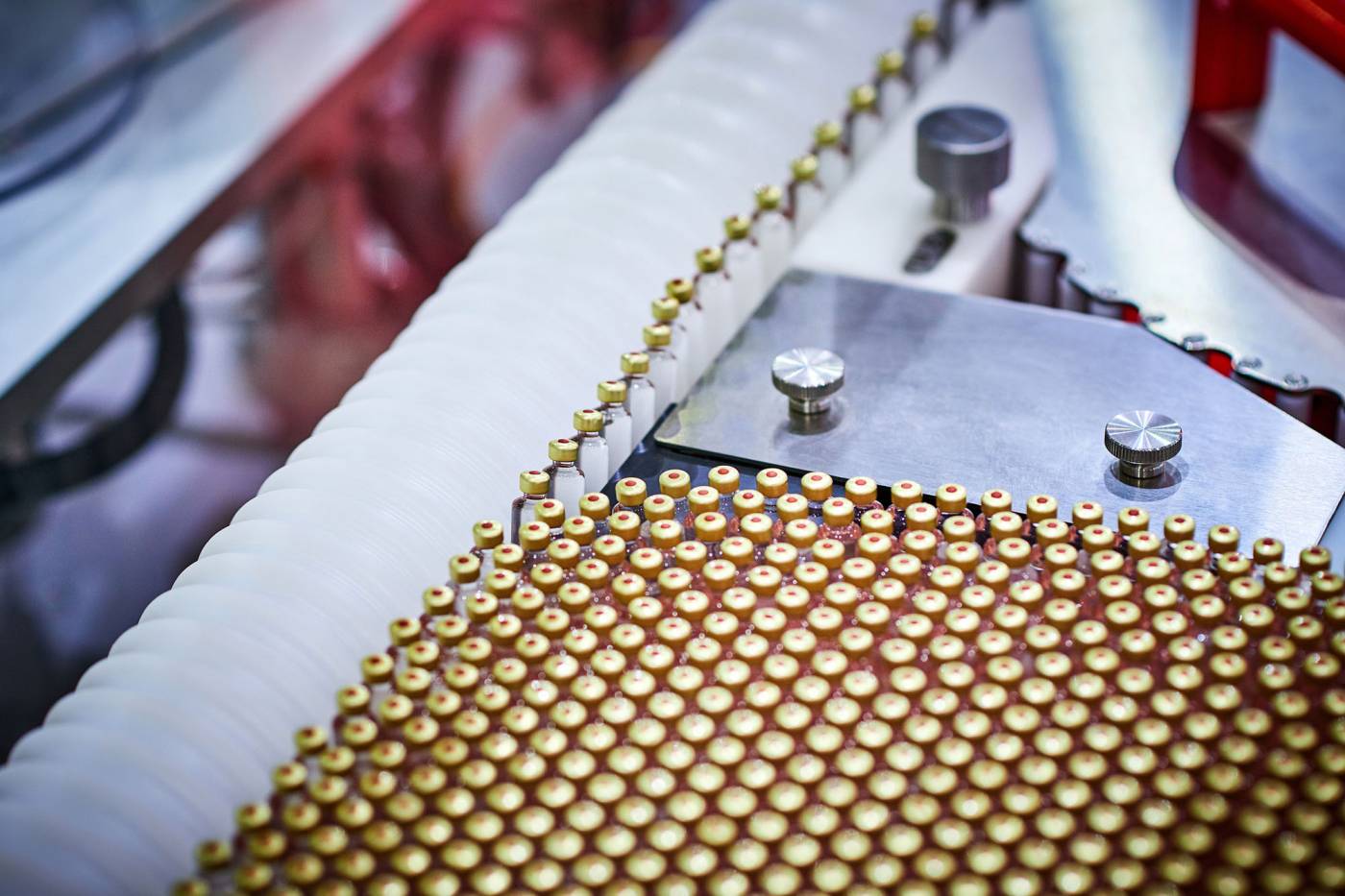
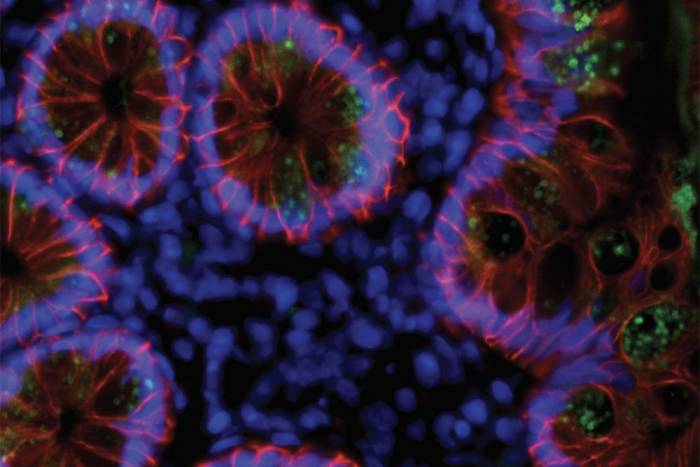
The treatment, a combination of two antibodies, has been shown highly capable of neutralizing SARS-CoV-2 in preclinical studies. Researchers hope it will give countries around the world, including developing countries, a way to control the rampant disease.
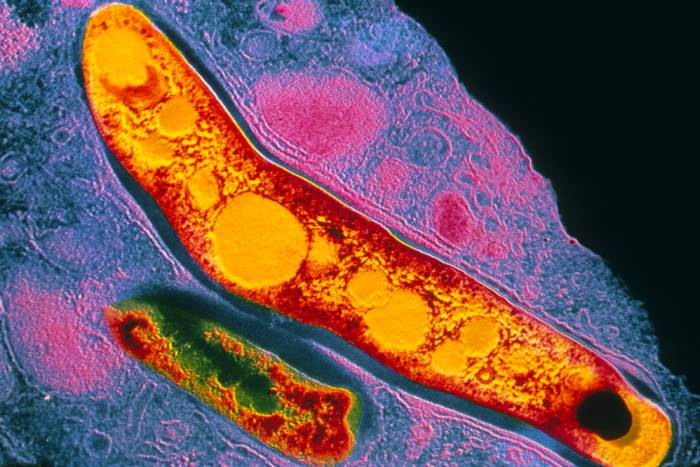
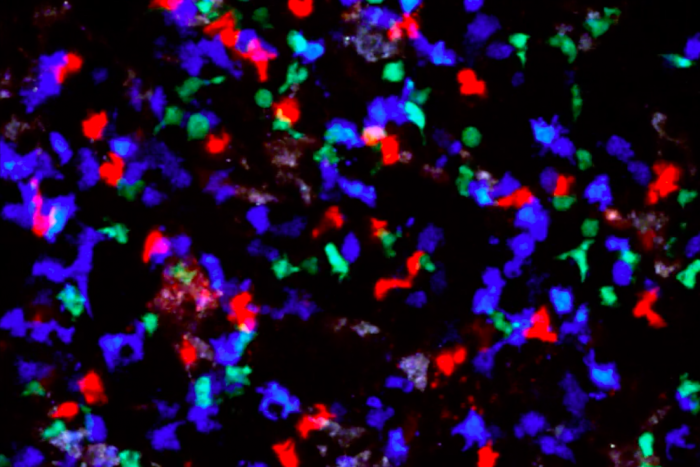
Lab experiments suggest that the new strains reported in Britain, South Africa, and Brazil may blunt the potency of the Pfizer and Moderna COVID-19 vaccines. This could mean that the vaccines will need updates as the virus mutates.

The study participants continued to improve their antibodies months after initial infection, potentially due to exposure to remnants of the virus hidden in the gut.

Patients in the clinical trial will receive two highly potent antibodies against SARS-CoV-2 discovered at the university. Designed to prevent people with early COVID-19 from developing severe disease, the treatment is urgently needed as hospitals continue to be inundated by repeated surges of inf...

The virus must hijack a more than a hundred human proteins to replicate inside a cell. One of them stands out because it is an absolute requirement for infection by four different coronaviruses as well as by viruses that cause Zika, yellow fever, and other diseases.

New research suggests that our immune system may play an active role in shaping the digestive-tract flora, which is tightly linked to health and disease.

Rice will receive the 2020 Nobel Prize in Physiology or Medicine for research that led to a cure for hepatitis C, a viral disease affecting 170 million people worldwide. His lab worked on the virus for three decades and became the first to produce a version of it that could be grown and studied i...

The findings explain why some people are so vulnerable to the infection, and suggest new avenues for treatment.

A growing number of studies find that microbes in the gut directly influence biological processes from bowel movements to behavior. New research reveals how they impact levels of glucose in the blood.

New research identifies a protein that blocks infection by SARS-CoV-2, the coronavirus that causes COVID-19, along with several other types. The findings could inform treatment strategies and help us better prepare for future outbreaks.