Using gene editing technology, researchers have developed a new way to study B cell activation in mice. This technique makes research more efficient, and has the potential to improve our understanding of immune responses in humans.
Researchers have uncovered the genetic factors that make some people susceptible to Whipple's disease, an intestinal inflammatory disorder that causes diarrhea, pain, and weight loss.
Maimon, who studies cognition and decision-making, and Marraffini, who studies the bacterial defense system CRISPR-Cas, are among 19 scientists nationwide to receive this designation.
Ravetch receives the award for his groundbreaking work analyzing the immune system’s antibody response. He has worked for decades on the Fc fragment of the antibody molecule and its binding partners, known as Fc receptors.
Scientists have developed a new strategy to study the cells that host hidden reserves of dormant HIV, a step that may lead to new treatments that go beyond controlling the infection and instead aim to eradicate the virus entirely.
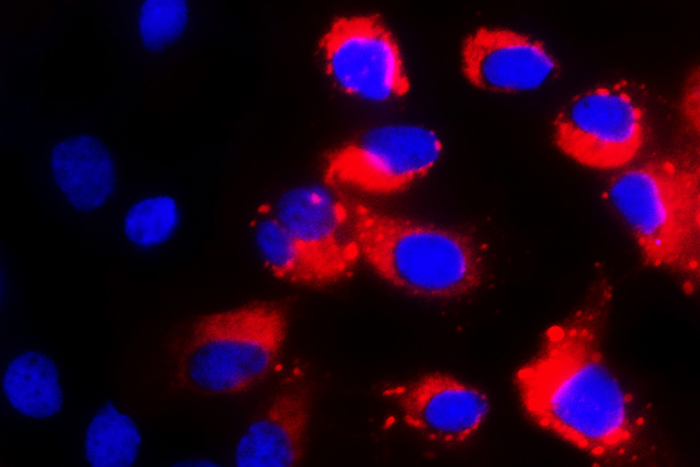
Among other superpowers, stem cells have a knack for fending off viruses like dengue and zika. Scientists have gained new insight into these curious defense strategies—knowledge they say could fuel the development of drugs against a range of diseases.
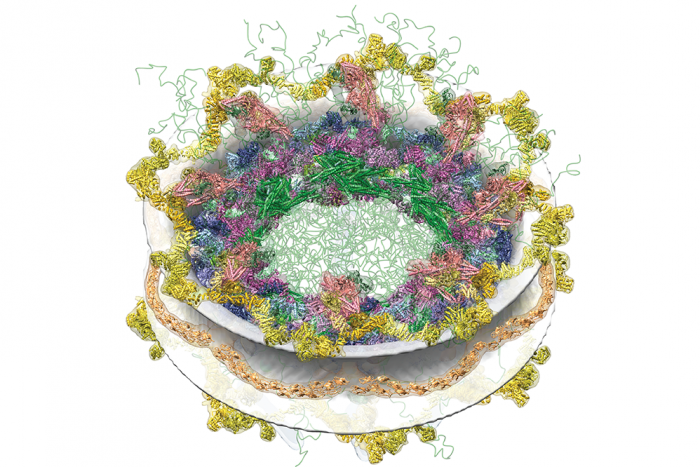
The gateway to cellular headquarters has 552 components. A new map that shows how all these pieces fit together could help scientists study numerous diseases.
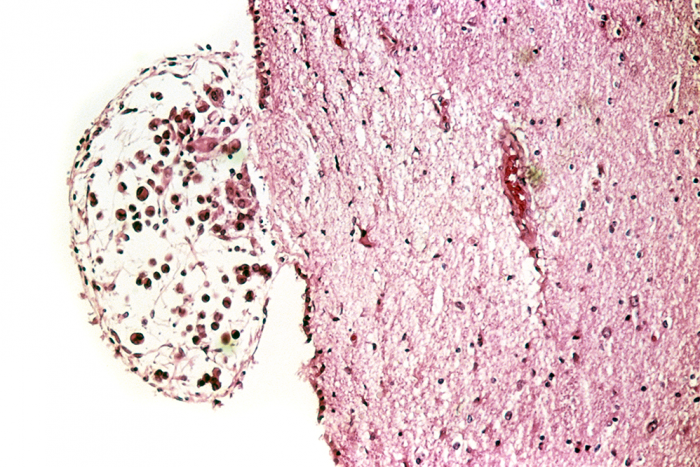
A new report details three cases of secondary brain tumors in people with fibrolamellar hepatocellular carcinoma. The researchers say imaging tests could improve treatment for patients whose cancer spreads to the brain from the liver.
In mining soil for natural drugs, scientists have discovered a brand-new antibiotic potent against many bacteria. They hope it could be used to treat infections that cannot be stopped with existing drugs.
New research has helped explain what goes wrong in Aicardi-Goutières syndrome, a rare brain disorder. Patients with the disease have genetic abnormalities that may put their cells at risk of accidentally triggering an antiviral response.