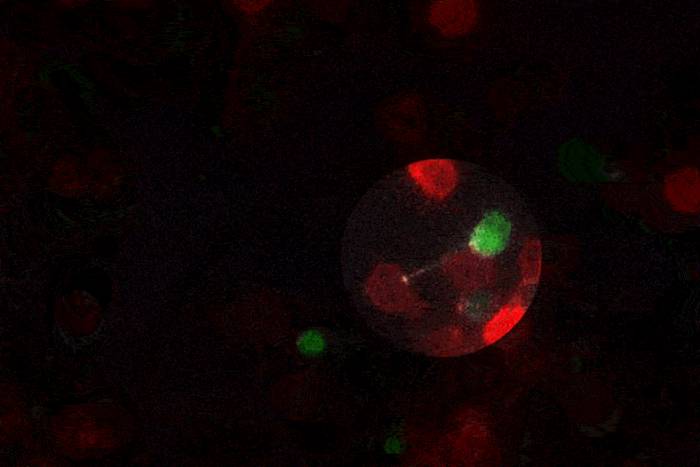
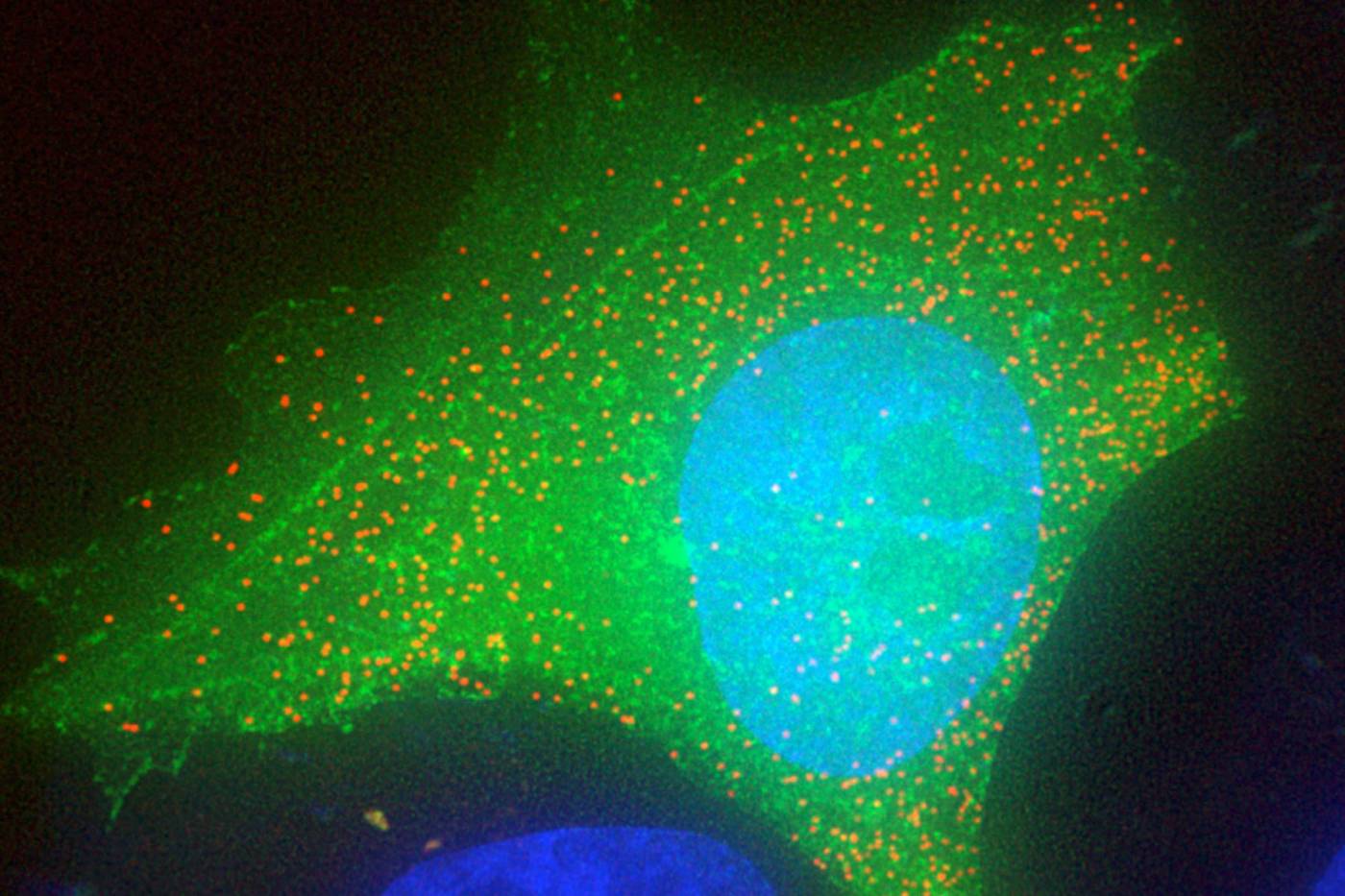
Virtually all aspects of life and disease depend of brief exchanges between cells. A new technique to study cell-to-cell contacts lets interacting cells “smear” one another with the biological equivalent of lipstick.
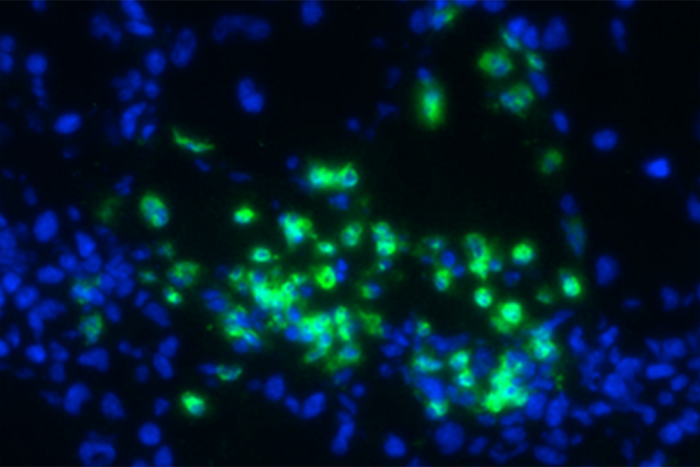
A new treatment may help cancer patients who don't respond to traditional immunotherapy. Findings from the first-ever clinical trial reveal that it is effective in activating immune cells that kill cancer cells.
New research shows that subtle differences between bacterial strains may cause dramatic differences in outcome between people infected with the same microbe.
Scientists found that immune cells called intraepithelial lymphocytes act as a surveillance force at the intestine, helping to generate an appropriate immune response to both friendly bacteria and dangerous pathogens.
Nussenzweig was honored at a ceremony today at the Institut Pasteur in Paris.The award recognizes investigators for past or ongoing work demonstrating real scientific progress in the life sciences.
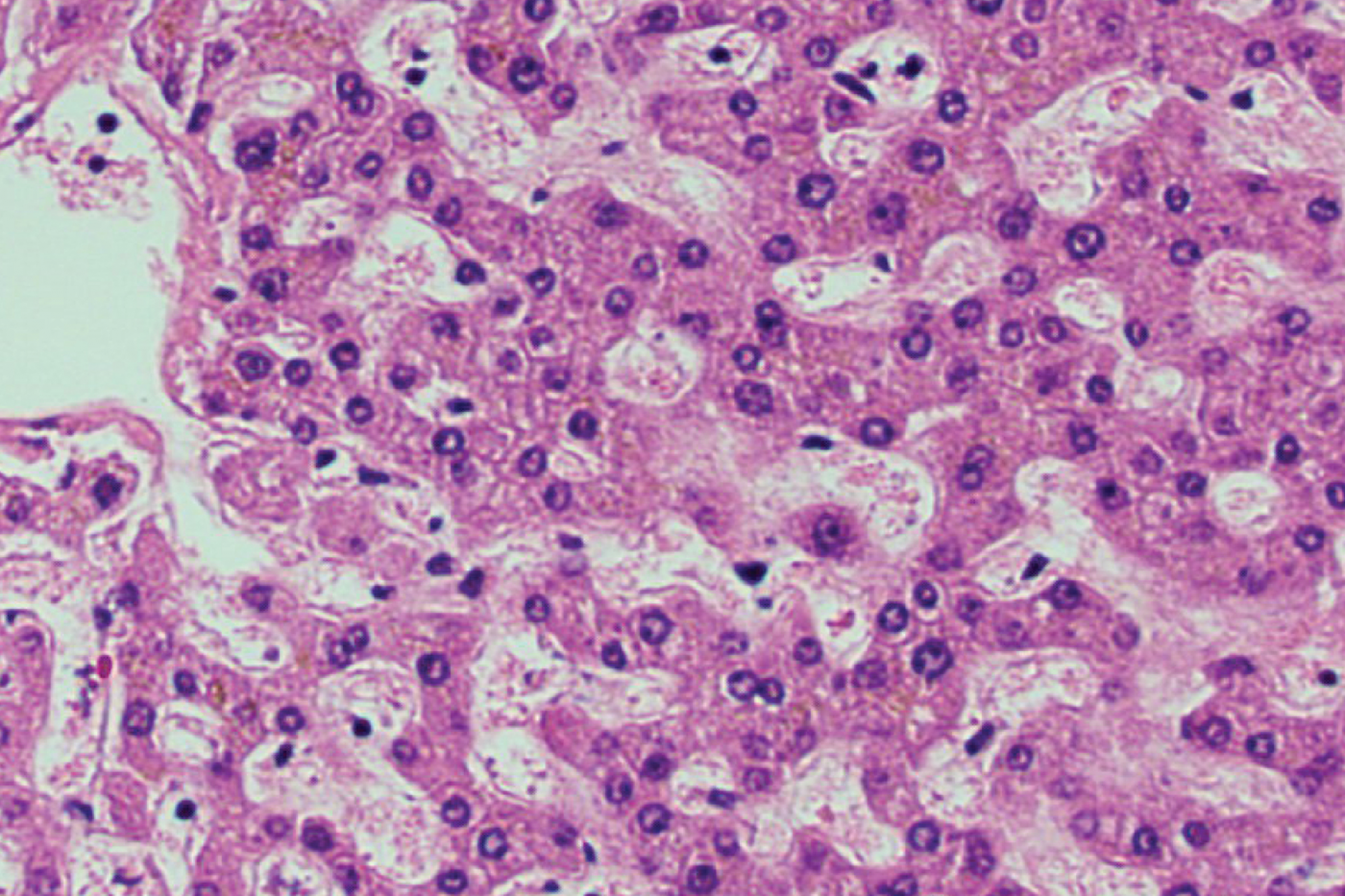
Scientists have engineered a mouse model to study a rare and often-fatal form of liver cancer. They’ve used it to clarify what drives these tumors at the molecular level, and discover new drug concepts.
Scientists have discovered a peculiarity in the genetic code of HIV that might explain how this and other viruses evolved ways to dodge our immune system. The findings could make it possible to develop safer vaccines.