Researchers found that the antibodies present in people who have had COVID or taken two doses of mRNA vaccine are inadequate against Omicron. But their protective ability increases significantly after a booster dose.
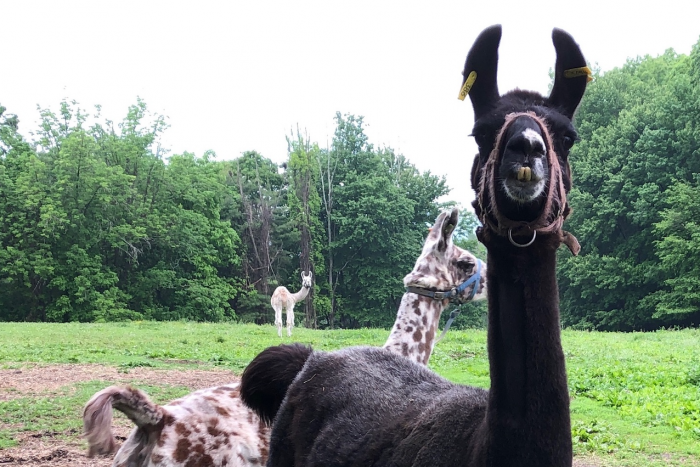
Scientists have identified hundreds of llama-derived antibodies that potentially could be developed into a COVID treatment. They hope such a drug would be potent against different variants of the coronavirus, including Omicron.
Prior infections appear to shield enteric neurons, preventing these key components of the body's "second brain" from dying off when future pathogens strike.
Human cells can be coaxed into preventing certain enveloped viruses (including HIV, Ebola, and parainfluenza) from escaping their membranes in the lab, a finding that could lead to novel treatments for many viral diseases.
Studying dozens of naturally occurring and laboratory-selected mutations in SARS-CoV-2, researchers found that the virus will need to pull off a genetic feat to become fully resistant to antibodies.
People who recover from COVID-19 may have better protection than those who received a vaccine, but the benefits of natural immunity do not outweigh the very real risk of disability and death from contracting the disease.