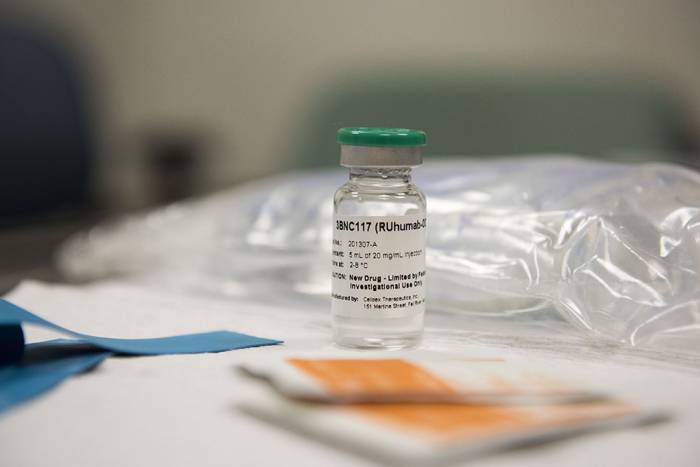
The novel compounds are based on so-called broadly neutralizing antibodies, molecules that make rare people's immune systems capable of fighting HIV. They could potentially yield new treatment and prevention approaches benefitting people around the world, including in developing countries.
For reasons that have long been unclear, cells stop dividing when the pH rises inside tiny cellular compartments called lysosomes. Now scientists have found an explanation for this phenomenon, with potential implications for drug development.
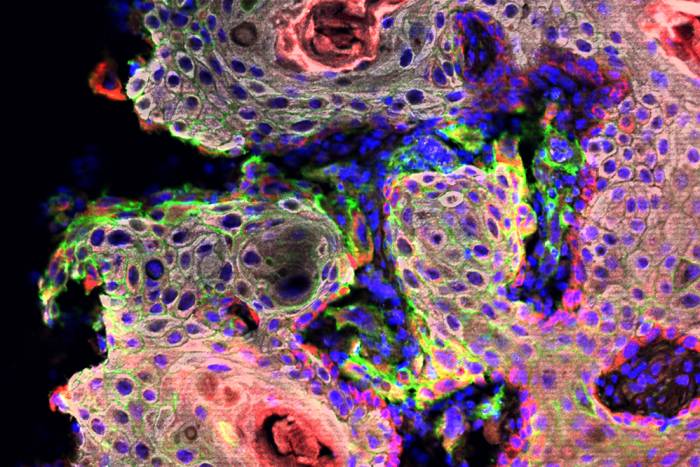
Research that began with the analysis of two developmental syndromes ultimately helped scientists understand how diverse epigenetic mechanisms can combine to drive tissue overgrowth in cancer.
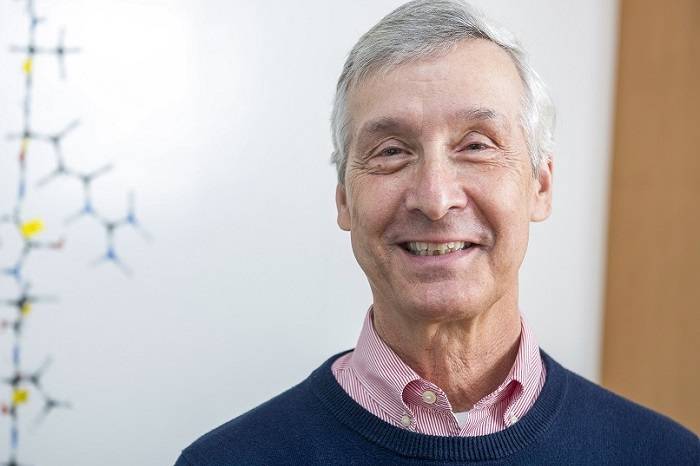
Allis, whose pioneering research established that enzymes that modify histone proteins, which package DNA in the nucleus, regulate gene expression, has been elected to the National Academy of Medicine.
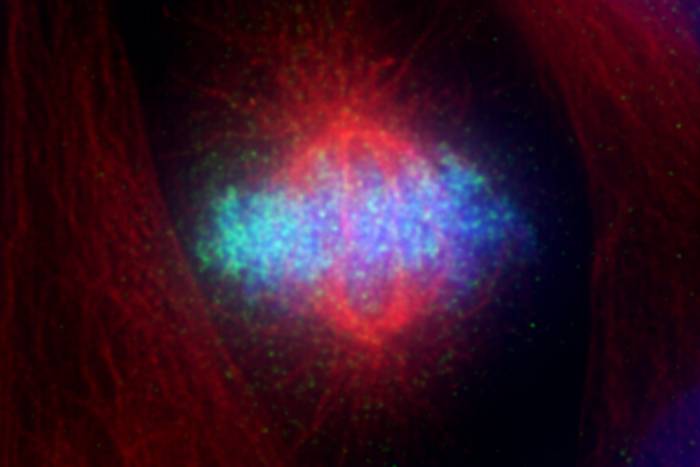
In studying cell division, scientists happened upon a new way of understanding how a chemotherapy compound works. The findings could make it possible to predict which patients are most likely to benefit from the drug.
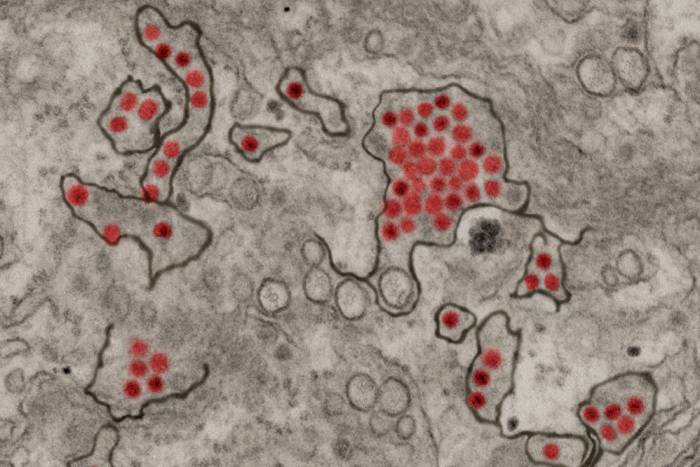
Researchers have shown that antibodies against Zika might be involved in causing birth defects in babies born to infected women. The findings might provide important caveats for the development of a vaccine.
In many cancer patients who have been treated with immunotherapy, the tumor comes back. New research identifies the cells responsible for thwarting the treatment and offers new insights into how they do it.
Researchers successfully modified immune cells to produce antibodies that fight HIV. This strategy could eventually be used to develop a vaccine against the virus, among other conditions.
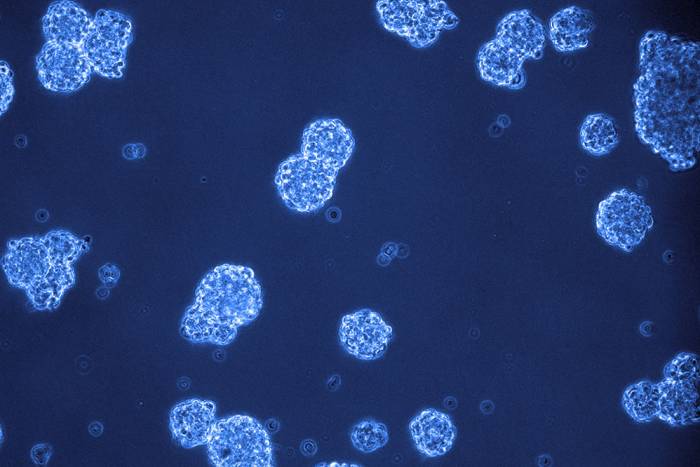
Recent research has shown that a drug known as MI-2 can kill cells that cause a fatal brain cancer. But only now have scientists been able to explain how the compound works: by targeting cholesterol production in tumors.