|
(DWB 201)
|
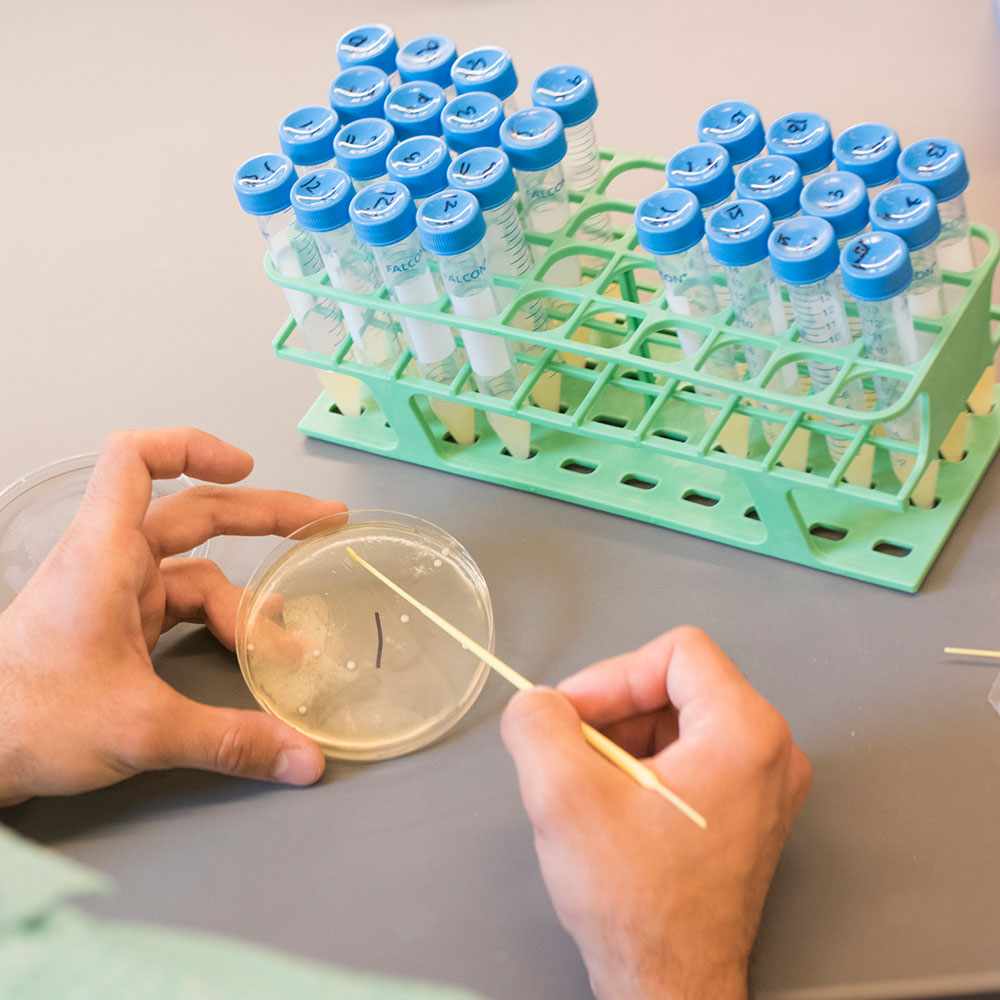
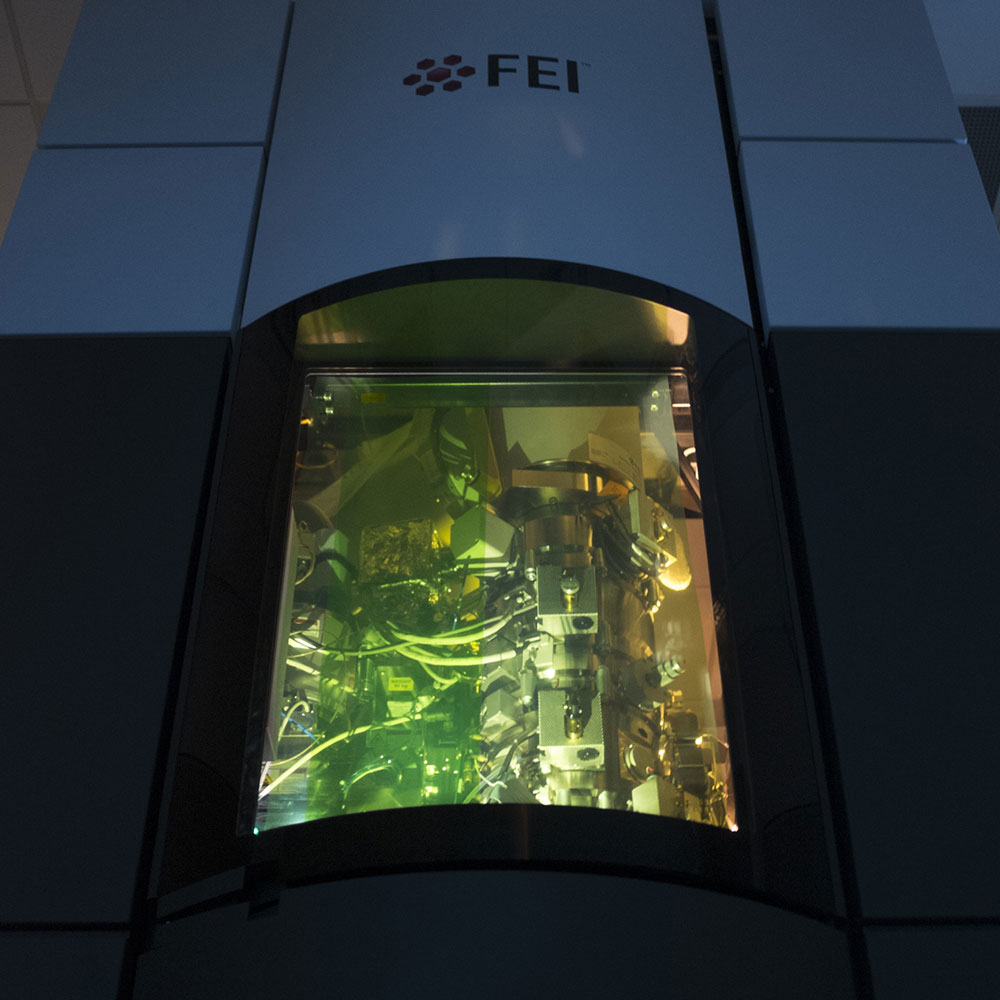
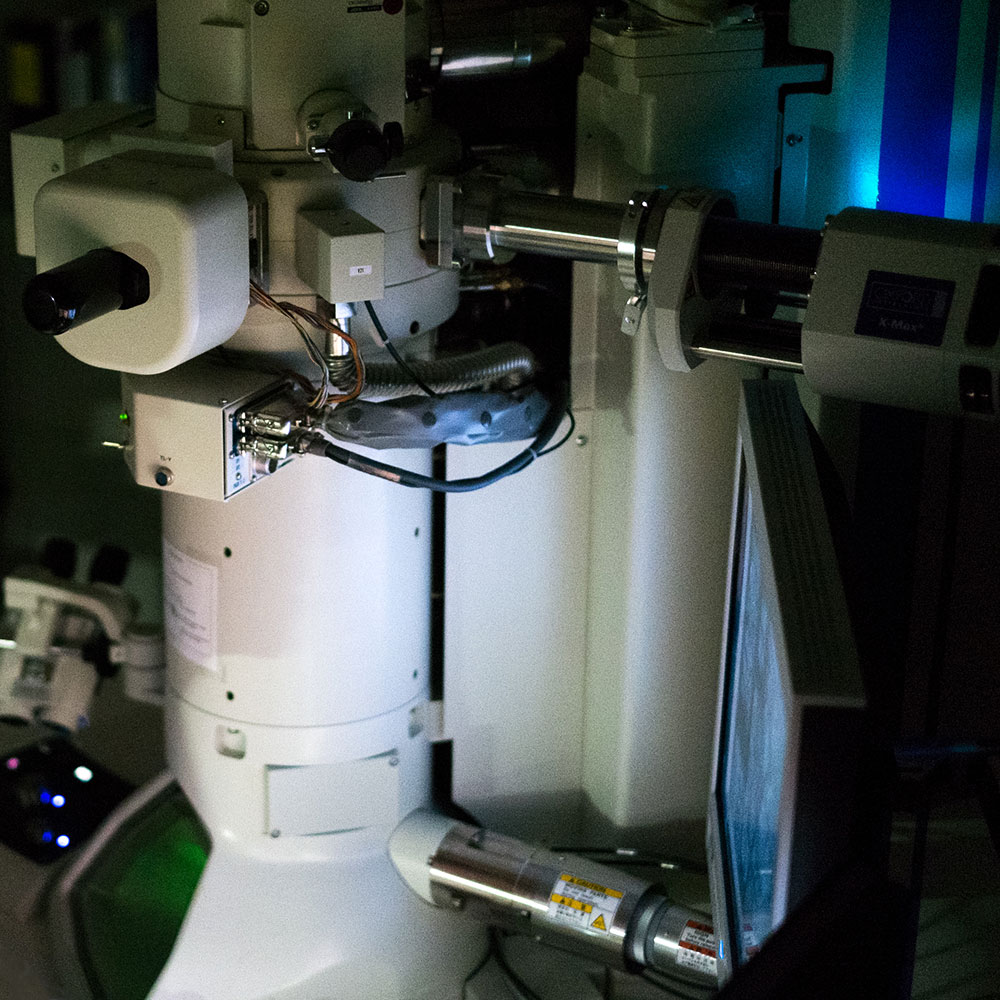
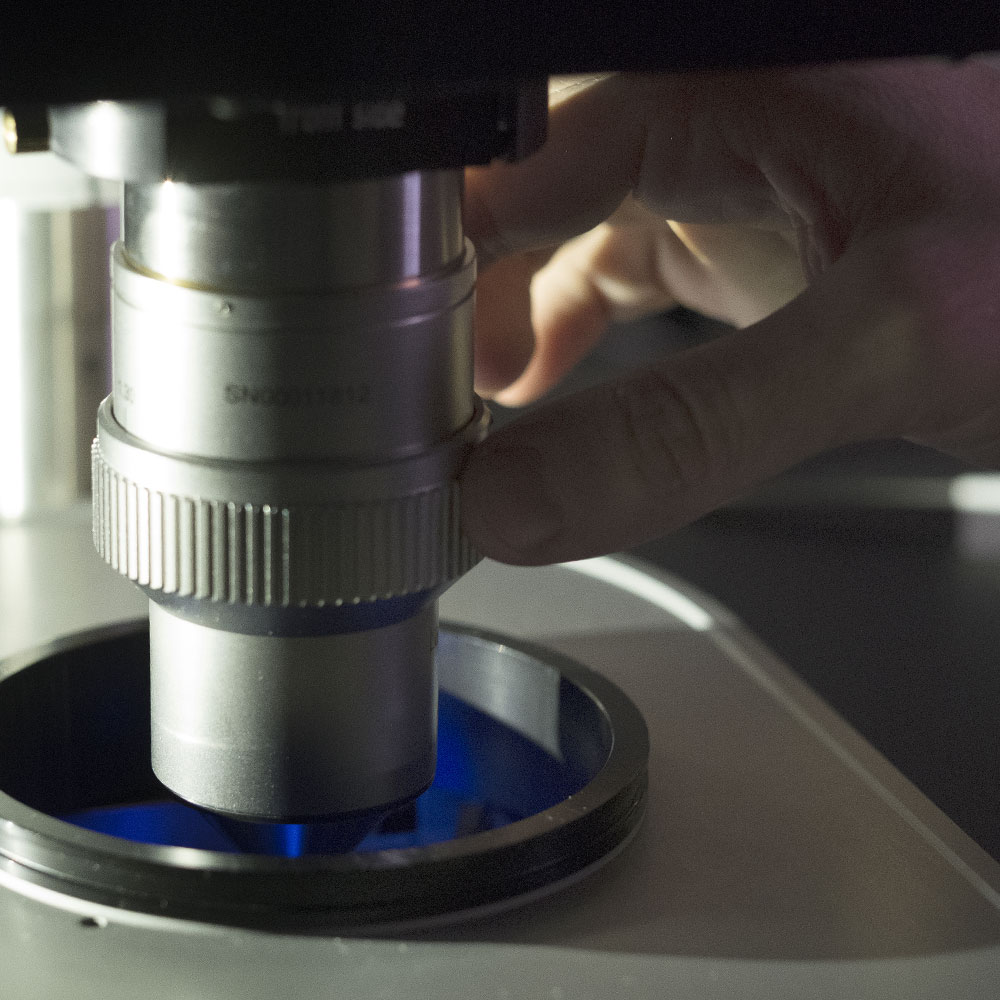
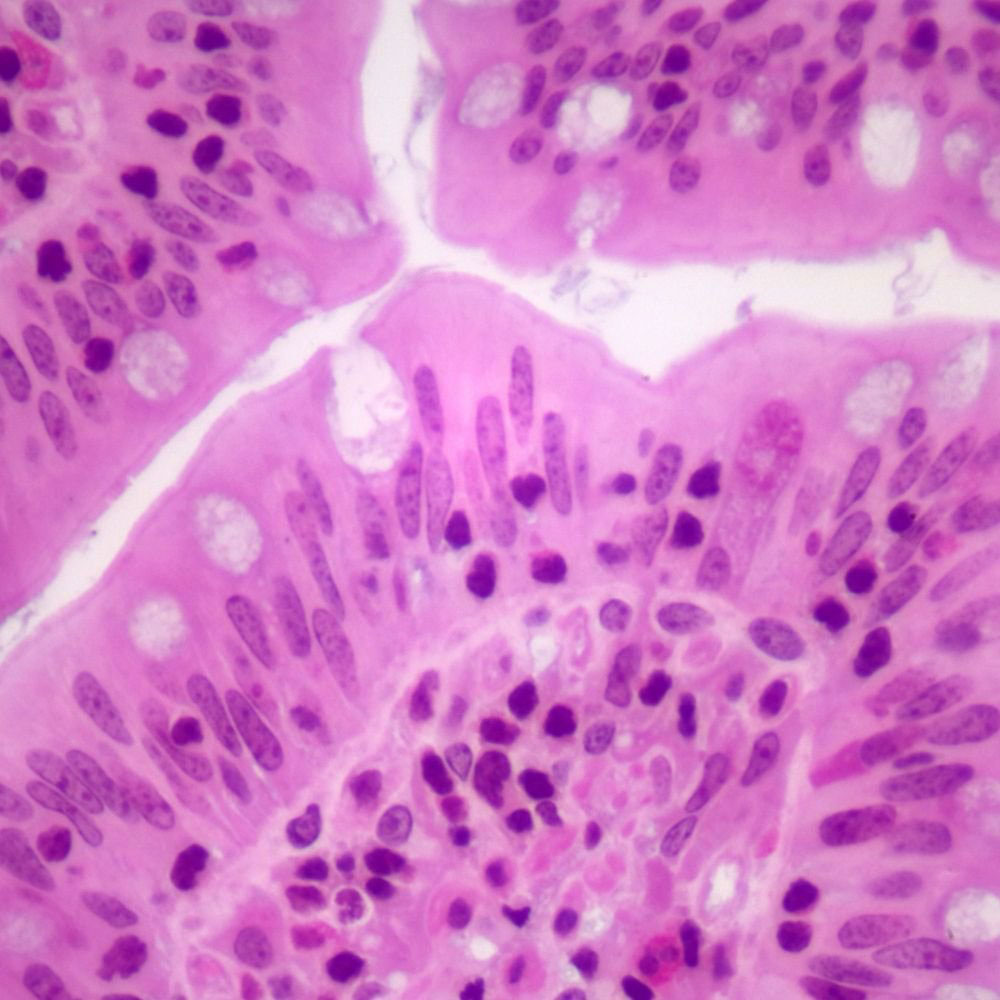
| The Center provides a wide spectrum of optical microscopy equipment (confocal, DIC, DeltaVision) and extensive training in its use in the DWB 201 facility. The electron microscopy unit has traditional transmission units housed in RRB 120 and a new scanning EM in TSH C. |
 |
 |
 |
(DWB 202)
|
| The FCRC provides multicolor flow cytometric analysis and sorts of single cell suspensions for many different applications. The Center offers individualized training sessions for users. |
 |
 |
 |
(M.B. Zuckerman Research Center, Room 931)
|
|
The Genetically Engineered Mouse Phenotyping Core, located at Weill Medical College of Cornell University, serves investigators at Memorial Sloan-Kettering Cancer Center, The Rockefeller University and Weill Medical College, providing comprehensive baseline phenotypic profiles of genetically engineered mice, to be used by investigators unfamiliar with normal mouse anatomy, histology, physiology and age- or strain-related background lesions.
The center also aids in evaluating the entire mouse, as opposed to a specific tissue or organ system, for the purpose of identifying unanticipated phenotypic changes. A standard phenotypic profile at the center includes a complete hematology, clinical chemistry, urinalysis, survey radiographs, gross necropsy, extensive microscopic evaluation, digital images of macroscopic and microscopic lesions and an electronic report.
The facility offers the use of a cabinet x-ray for high-resolution radiographs of small laboratory animals, excised tissue and paraffin blocks. Specimens can be placed on adjustable shelves within a shielded and interlocked enclosure to obtain images magnified up to five times. Other services at the center include postmortem investigation of specimens from genetically engineered mice and pathological evaluation of other experimental animals, tissues or histology slides.
|
 |
 |
 |
 |
 |
 |
 |
(WRB 721)
|
|
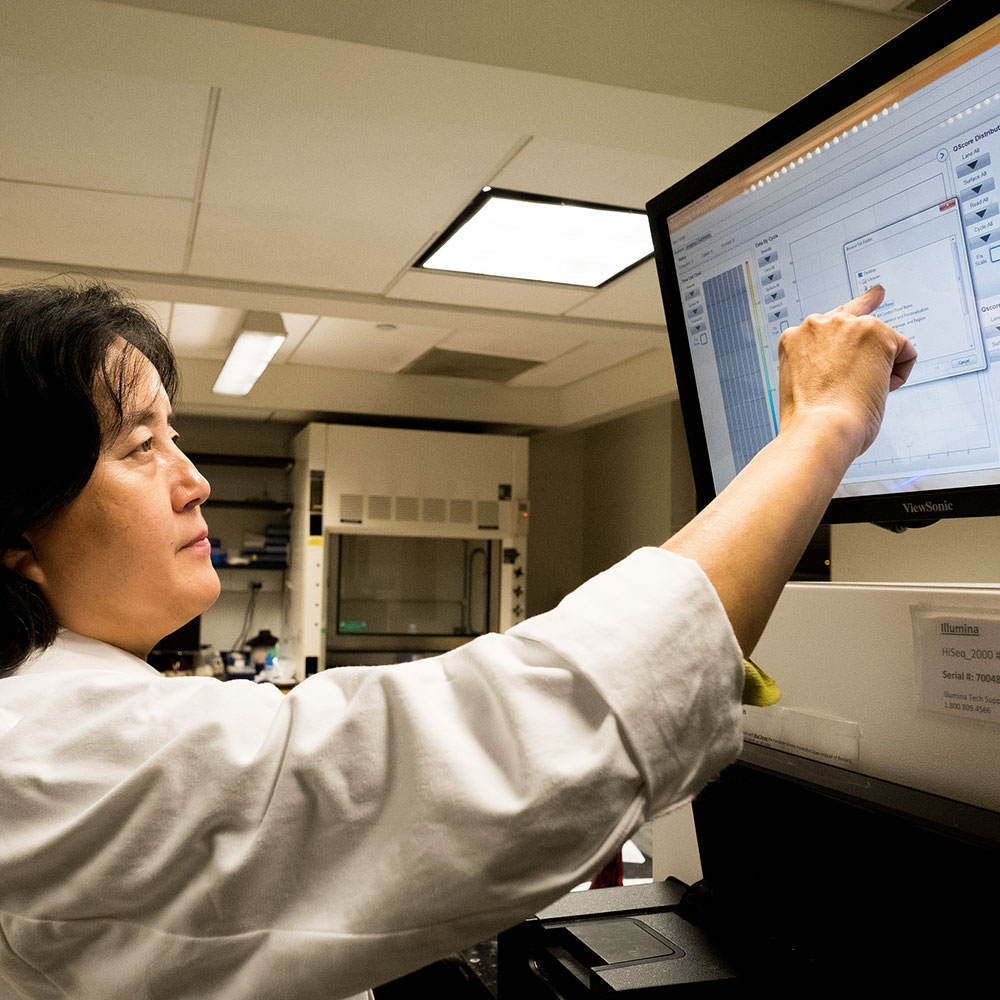
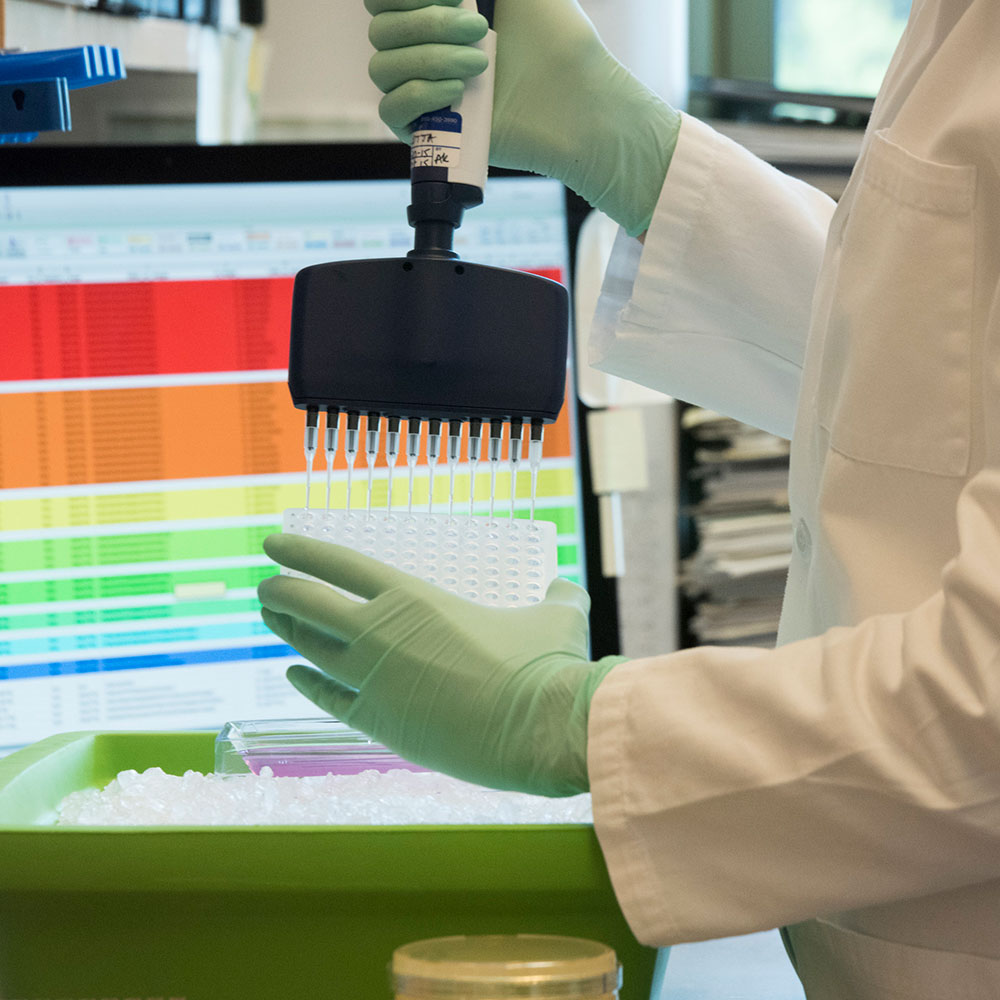
The Genomics Resource Center offers comprehensive services for gene expression analysis on several major platforms, including Affymetrix and Illumina, for global gene expression profiling, custom cDNA/oligonucleotide microarray printing and data validation using high throughput real-time polymerase chain reaction detection.
Several genotyping platforms for single nucleotide polymorphisms (SNPs) are also available, including those for whole genome association studies, whole genome and custom SNP analysis, small-scale SNP genotyping and individual SNP analysis.
The center also provides microsatellite genotyping for linkage analysis in human and animal models. The center's genome scan includes over 400 human microsatellite markers or over 100 mouse markers; marker-assisted mouse congenic strain construction; mouse genetic background checkup; and identity testing with a panel of 15 highly polymorphic markers.
|
 |
 |
 |
 |
|
(FHE A6) |
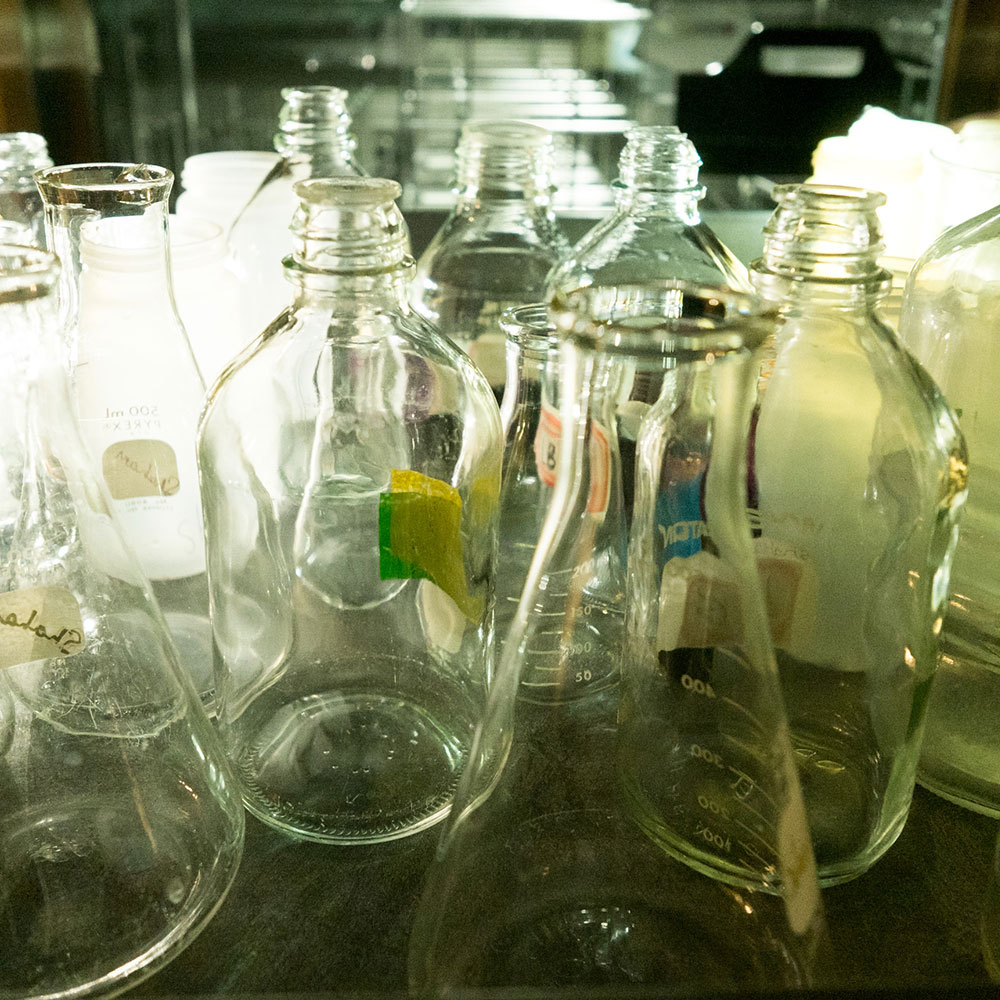
This facility provides labware washing, drying, baking and autoclaving free of charge to the laboratories and assists in maintenance and use of autoclaves. Pickup and delivery of glassware is generally the same day. |
 |
 |
 |
(WRB 12)
|
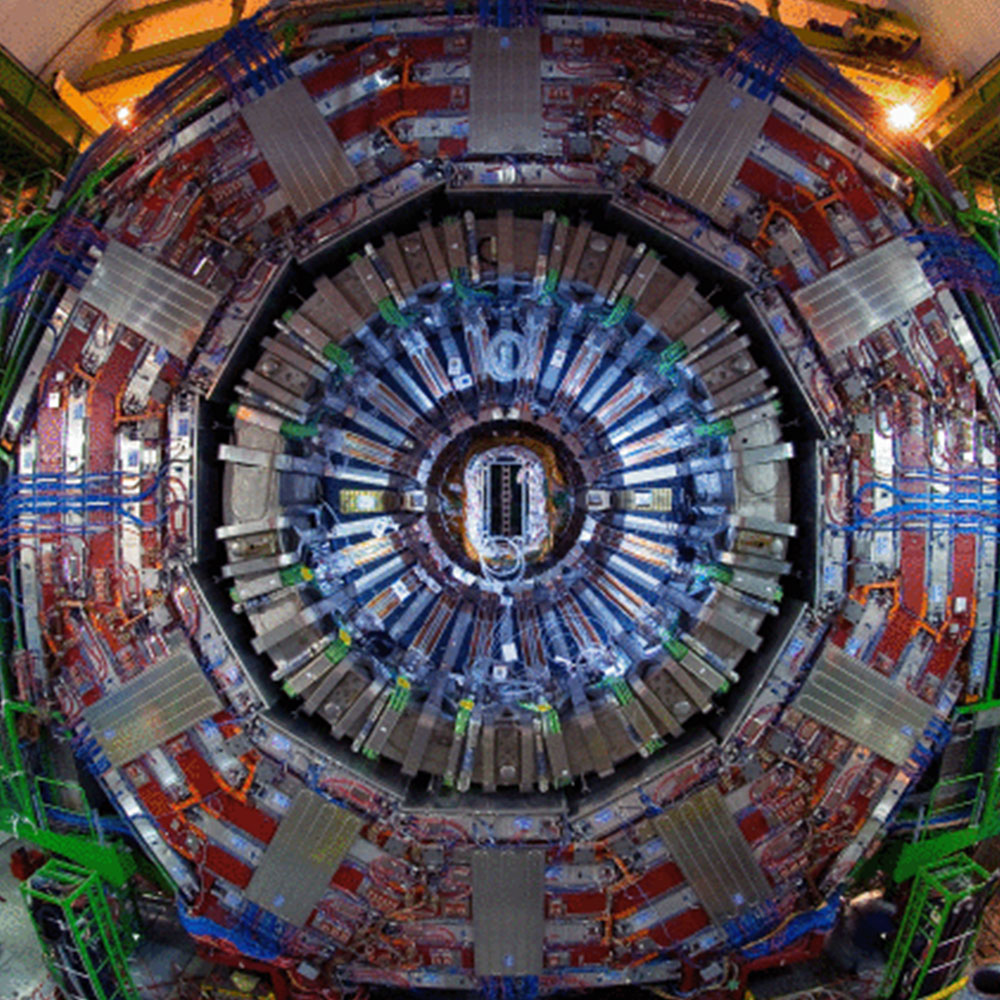
| Staffed by master machinists, the High Energy Physics Instrument Shop fabricates precise and unique instruments in support of the University's research needs. The staff is also available to assist in instrument design. |
 |
 |
 |
(TSH 302)
|
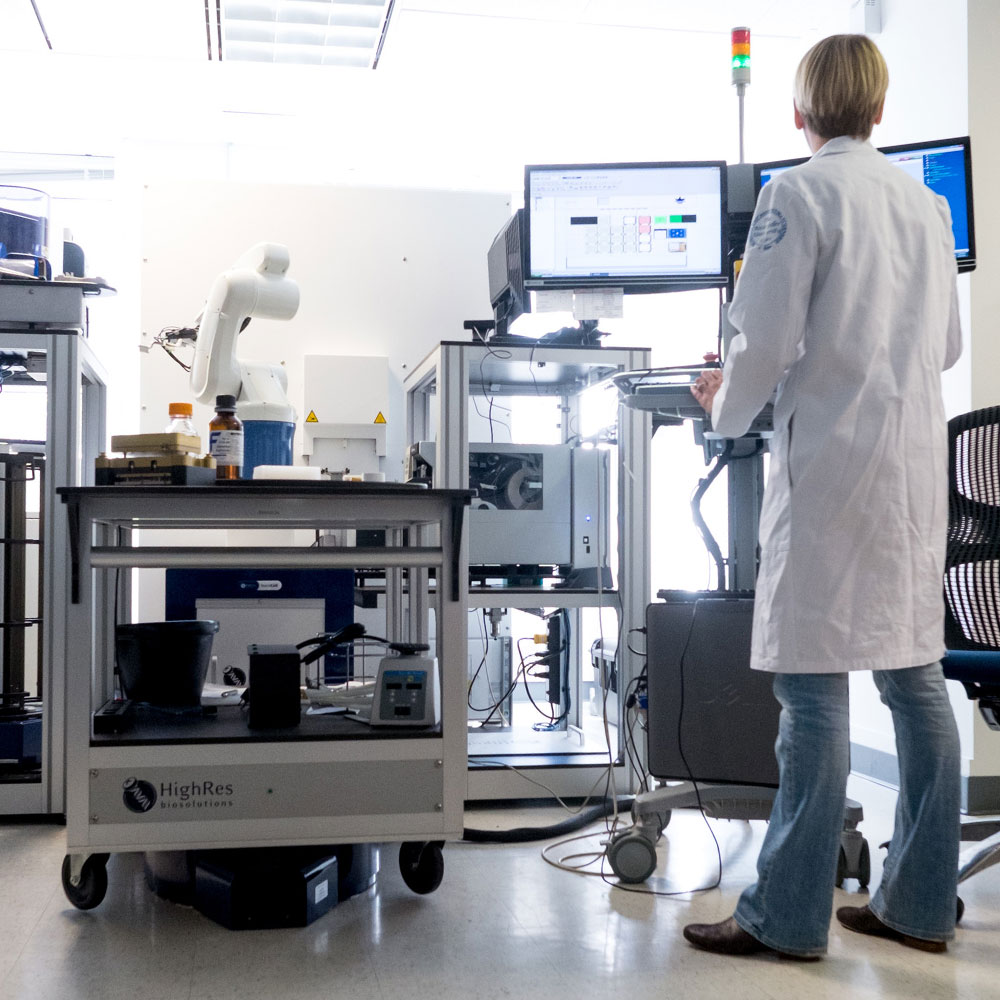
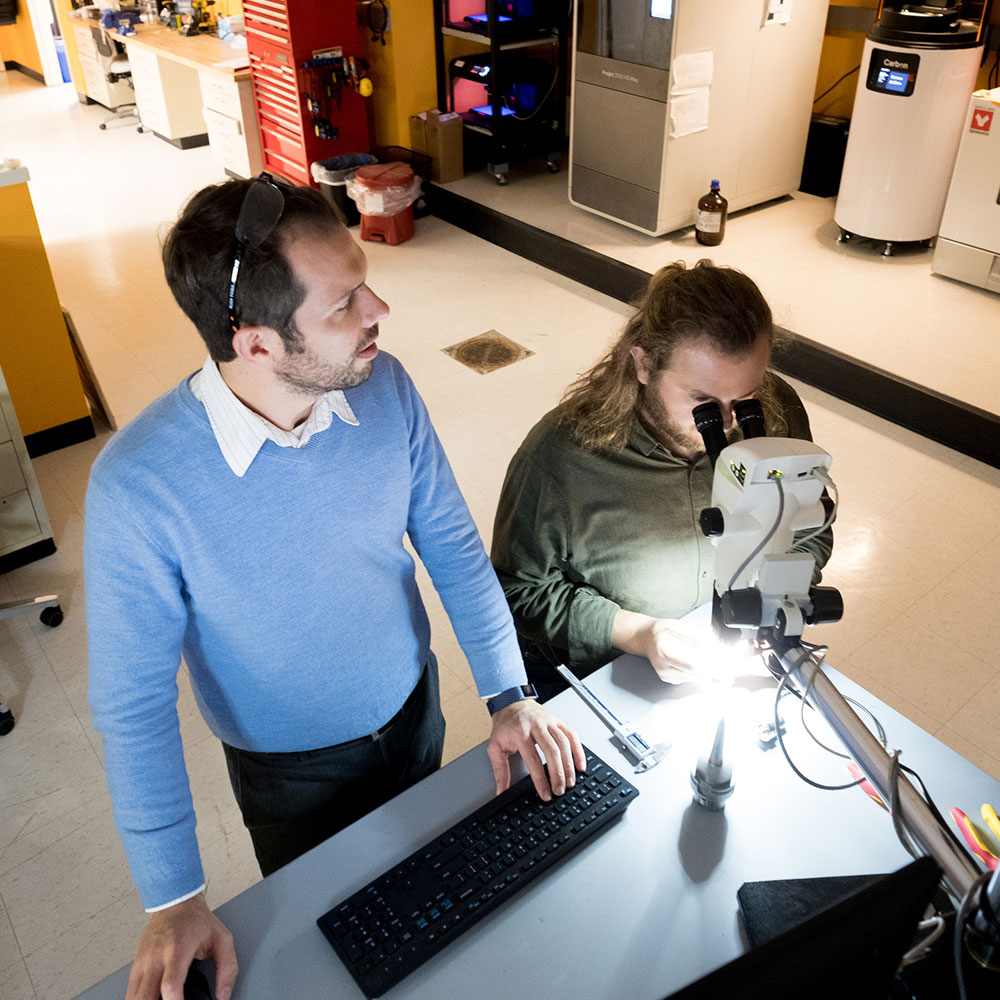
| This new facility enables researchers to screen for small molecule modulators, protein function and cellular processes. The facility has a large collection of small molecules, liquid-handling robots and spectrophotometers for high-throughput assays, a trans-illuminating/fluorescence automated microscopy system (Universal Imaging Corporation Discovery-1), cherry picker robot (Multiprobe HT), and roto-vac concentrator (Christ Beta). |
 |
 |
 |
 |
|
The mission of the Rita and Frits Markus Library is to support and enhance the mission of The Rockefeller University by supplying information resources to researchers and administrative offices. Drawing on its own extensive collection in the life sciences, which is maintained according to the research interests of the university, and a wide array of information resources beyond the university, the library is able to link faculty, students and staff with the information needed to advance research goals. A $10 million gift from longtime university benefactor Rita Markus in 2006 is enabling physical and technological modernizations of the facility. |
 |
 |
|
(RRB 153A)
|
| The Protein Resource Center offers mass spectrometry (LC MS/MS and MALDI-TOF), amino acid analysis, Edman sequencing and peptide synthesis. Basic research within the center is performed to further the development of methodologies for microanalytical techniques and biopolymer synthesis. |
 |
 |
 |
|
(FLX 406)
|
|
The university maintains facilities for both nuclear magnetic resonance spectroscopy and optical spectroscopy. The Spectroscopy Center provides access to optical spectroscopic equipment for use in studies of the structure, function and dynamics of biological macromolecules.
The center has different types of spectroscopic instrumentation: stopped-flow
fluorescence, Fourier transform infrared (FTIR), circular dichroism (CD) and surface
plasmon resonance (SPR). Educational efforts are devoted both to training frequent users and providing general background in applications of spectroscopy to structural biology
and chemistry. Occasional users of the facilities may have spectra produced for them. More frequent users are encouraged and trained to operate the instruments themselves.
The center also provides access to nuclear magnetic resonance spectrometers (one 400 mHz and one 600 mHz equipped with a cryoprobe) for use in studies of the structure, function
and dynamics of macromolecules, as well as spectroscopic fingerprint of peptides and small organic molecules. The center offers extensive training in basic and advanced NMR experiments and also provides access to high field spectrometers at the New York Structural Biology Center.
|
 |
 |
 |
 |
|
|
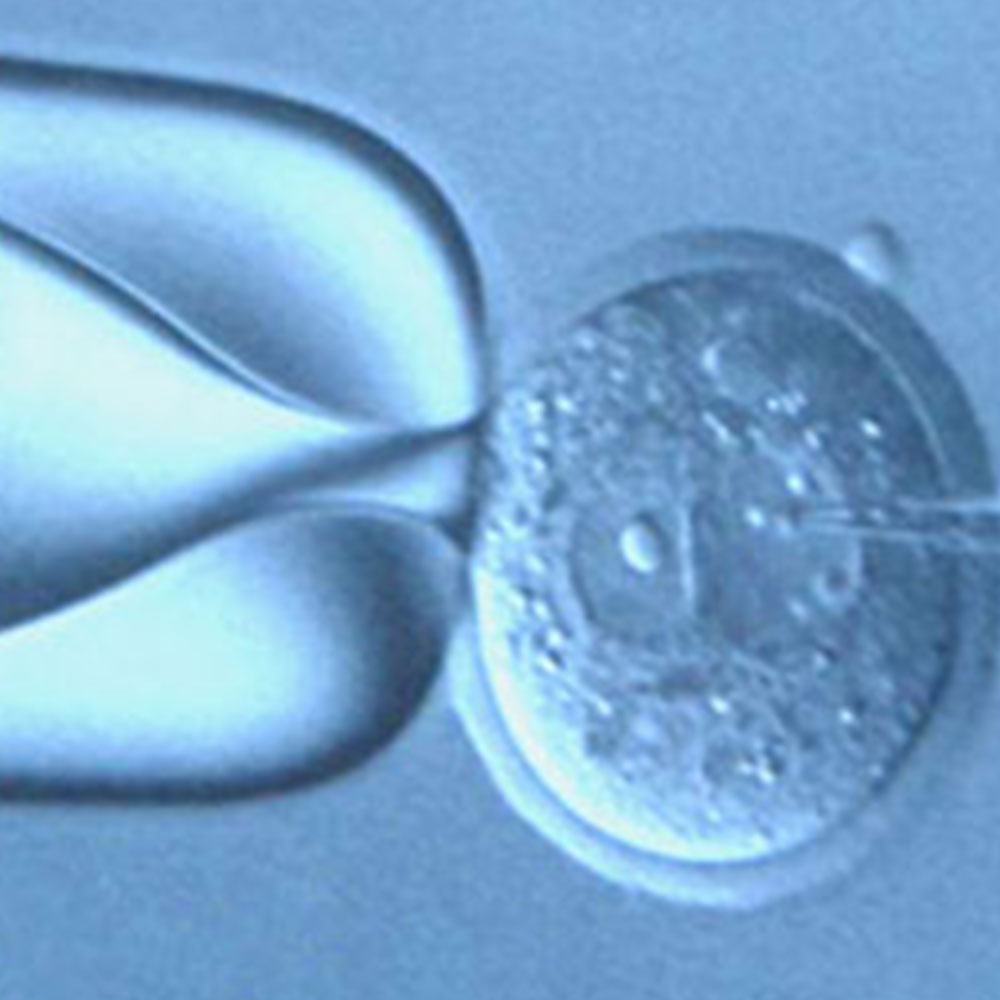
The goal of the university’s derivation unit is to derive human embryonic stem cell (hESC) lines from normal as well as diseased embryos to serve the needs of the Tri-Institutional community. The unit isolates, characterizes and maintains new hESC lines. It uses classical methods and also works to develop new derivation methods that bypass the requirements of feeder influence and improve the condition of maintenance of hESC pluripotency. The facility also works to improve the ability of the newly derived lines to generate embryoid bodies and teratomas for germ layer specification assays and to develop new in vivo and in vitro assays to test the totipotency of individual lines. The stem cell derivation core, launched in 2006, is operated with private funds, allowing for derivation of and work with non-Registry hESCs.
|
 |
 |
 |
 |
|
|
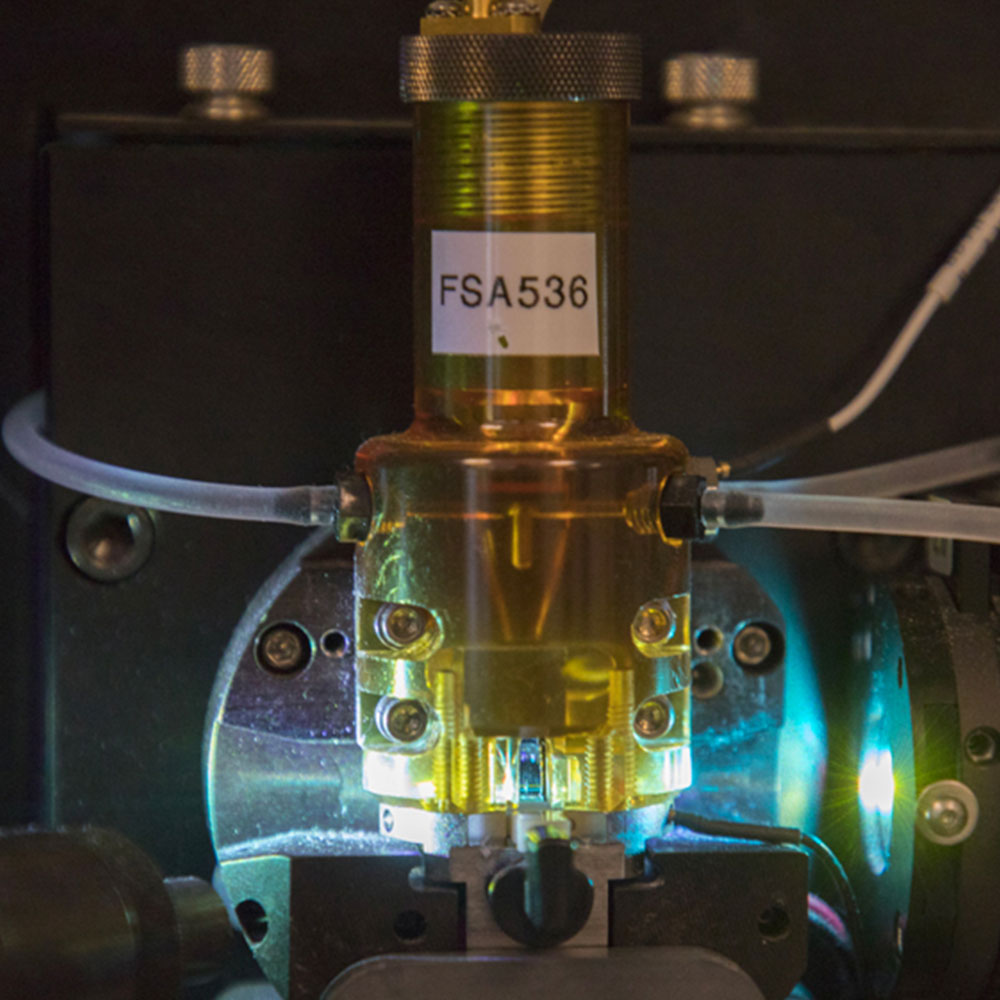
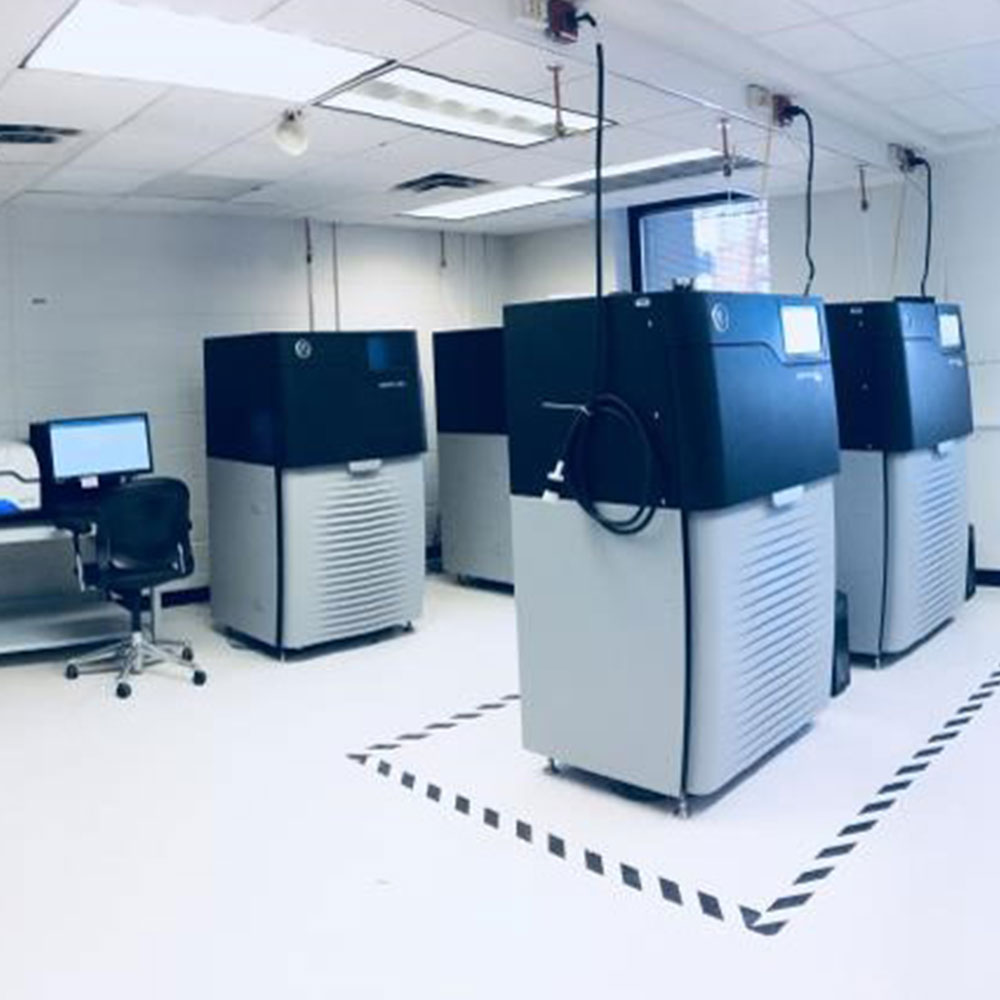
The SBRC is home to state-of-the-art X-ray equipment for the
determination of the three-dimensional structures of biological
macromolecules. The Center houses two generators equipped with
sub-freezing sample apparatus and four detectors in rooms RRB130 and
RRB327. A recently acquired HighFlux HomeLab is exceptional for small
samples and complex structures, providing the highest quality in-house
data.
|
 |
|