Neuroscientists have long posited that memory functions like an on/off switch—either your brain remembers something or it doesn’t. Priya Rajasethupathy’s team discovered why the truth is more complicated.
New research reveals a cascade of molecular timers unfolding across the hippocampus, thalamus, and cortex determine whether short-term impressions consolidate into long-term memory, with implications for memory-related diseases.
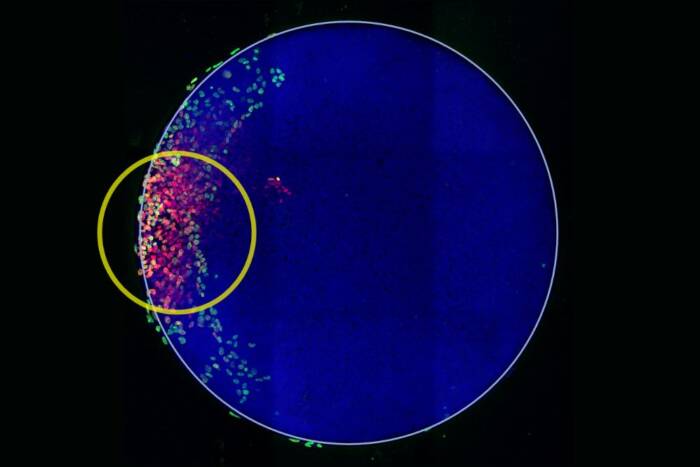
Scientists used light-inducible gene expression to demonstrate that formation of the body axes in human embryo models requires an interplay between chemical cues and mechanical forces.
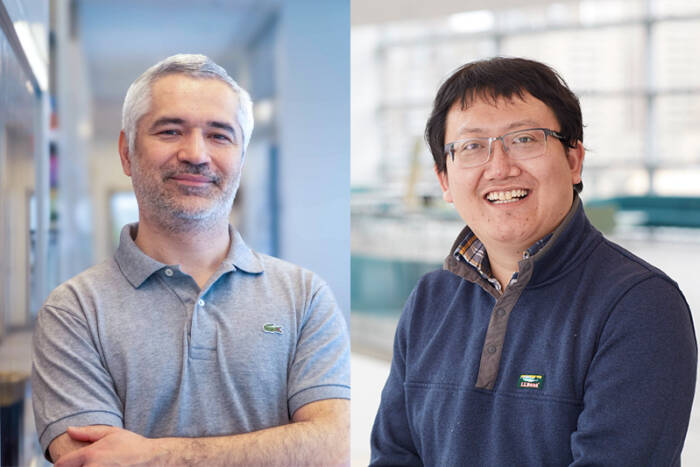
Birsoy has been promoted to professor with tenure and Junyue Cao has been promoted to associate professor. In addition, Birsoy has been named the Joseph L. Goldstein Professor.
According to the 2025 CWTS Leiden Ranking Open edition of over 2,800 universities from 120 countries, Rockefeller has the highest percentage of most frequently cited scientific publications.
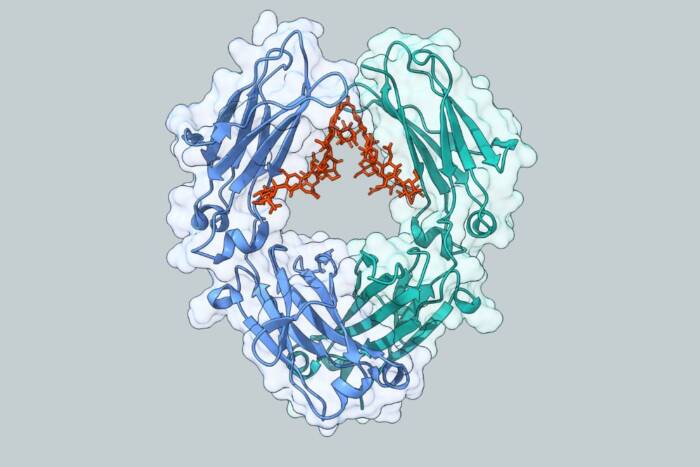
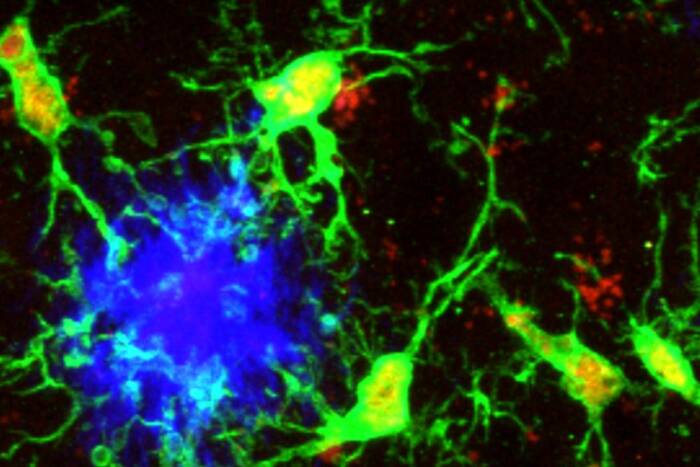
A newly identified molecular pathway shifts microglia into a protective state, and may lead to Alzheimer's therapies that can reprogram the brain’s own immune defenses.