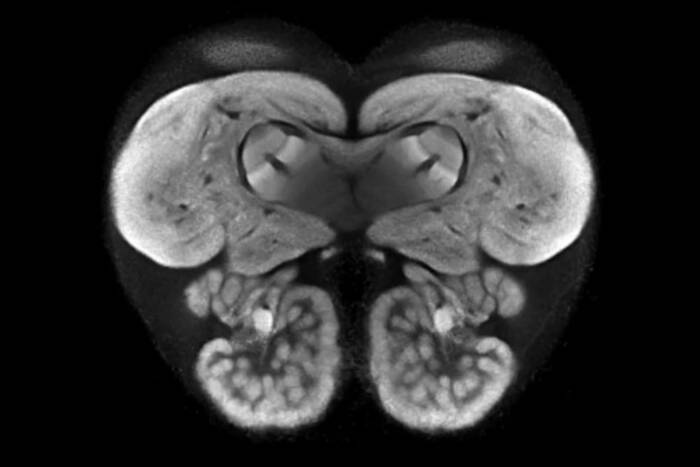
New study reveals the molecular brake that lets embryonic stem cells enter suspended animation, while retaining the ability to develop normally—which could shed light on abnormal cell growth in humans.
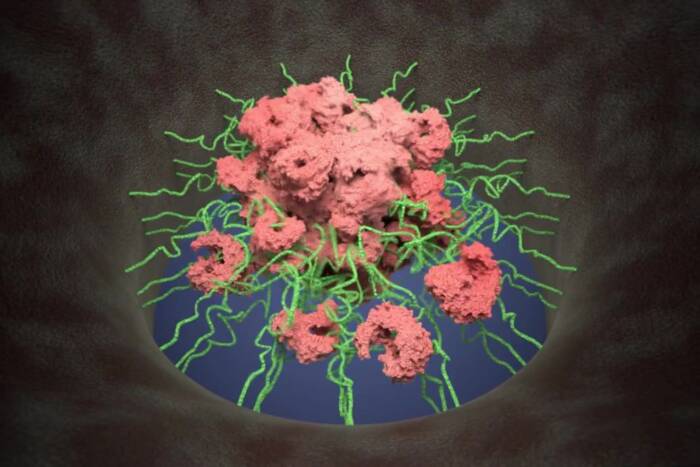
Researchers discovered that a crucial first step in the signaling system operates differently than previously thought, an insight that could lead to the next generation of treatments.
Across fields as diverse as evolution, mechanobiology, and antibiotic discovery, here are some of the intriguing discoveries that came out of Rockefeller in 2025.
Researchers found that pairing the antibiotic rifampicin with a second compound turned multidrug resistance into a weakness—providing proof of concept for using basic science to design life-saving dual-drug strategies.
Covering topics from osteoarthritis to neurodevelopment, the inaugural symposium of the Marlene Hess Center showcased research that illuminates how biological sex shapes health and disease.
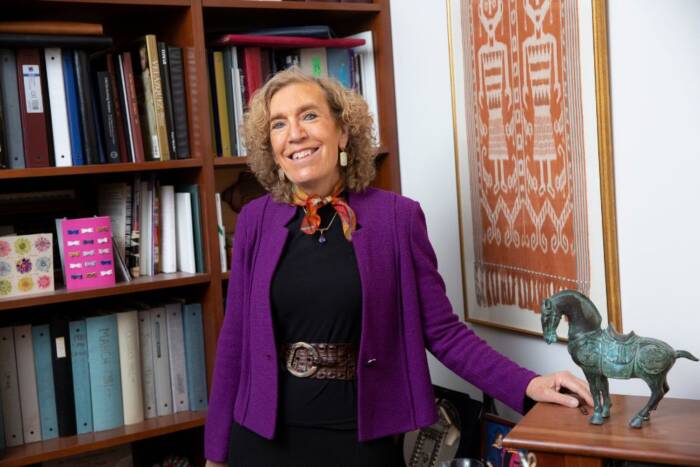
Elaine Fuchs has spent decades uncovering why our bodies are so good at regenerating skin—and how we might harness that understanding to combat illness, hair loss, and possibly the aging process itself.