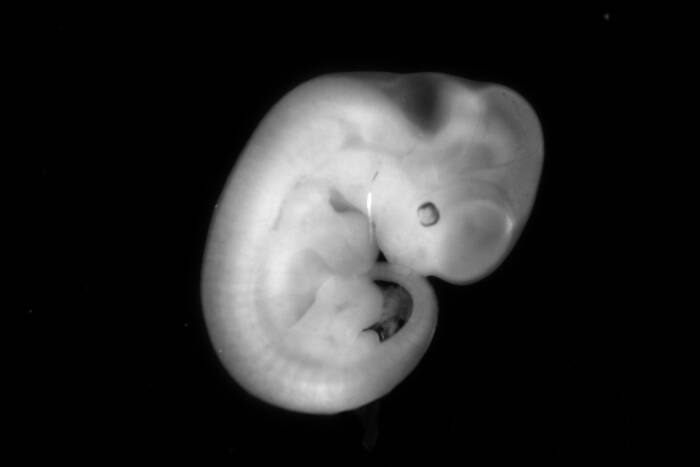
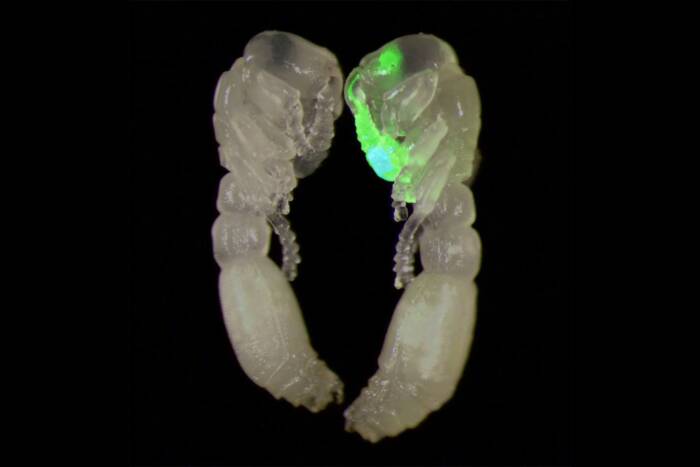
The findings raise tantalizing possibilities for revealing what hundreds of ant odorant receptors are up to.

The algorithm, dubbed SCRuB, can distinguish native bacteria and viruses from contaminants—a powerful tool for researchers working with the microbiome.

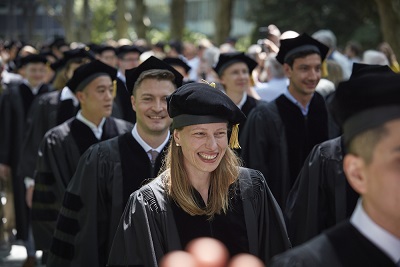
With this week’s ceremony, Rockefeller has granted Ph.D.s in bioscience to 1,431 students. In addition, Ingrid Daubechies, Marc W. Kirschner, and Evelyn G. Lipper received honorary doctor of science degrees.

Agata Smogorzewska investigates the handful of DNA repair mechanisms that attempt to correct problems, errors, and breakdowns.

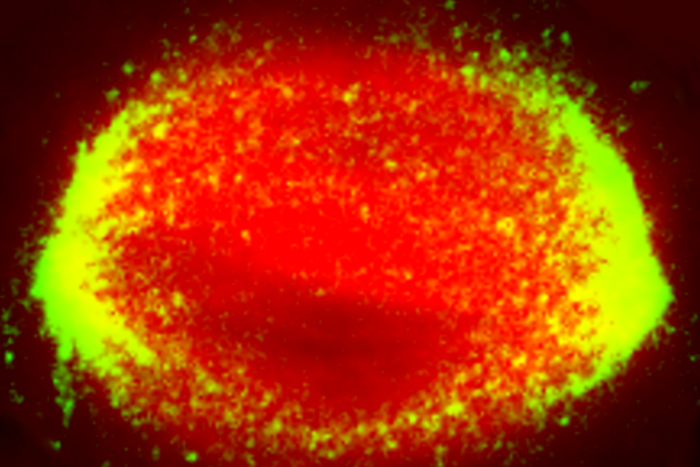
The labs of Ali Brivanlou and Charles M. Rice collaborated to refine a cell culture technology platform that grows genetically identical lung buds from human embryonic stem cells.

Despite decades of scientific struggle, progress been excruciatingly slow. But the tide is turning.

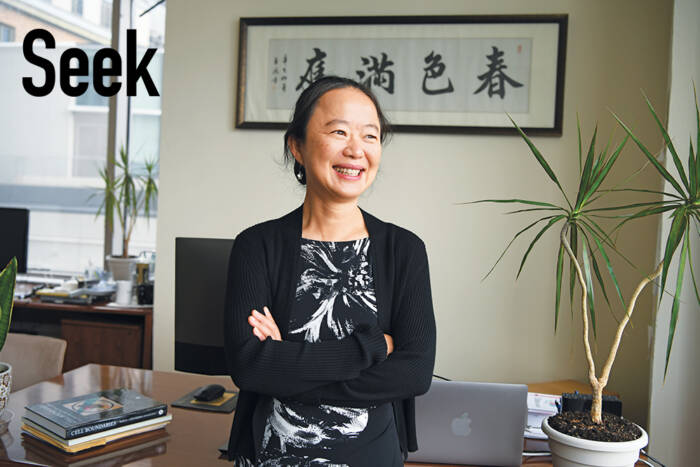
Thanks to cryo-em, the breakthroughs are coming faster than ever for Jue Chen. She explains the exciting applications for medicine and science.

The human reference genome has always been a remarkable but flawed tool. A new "pangenome" aims to correct its oversights and omissions.

Research shed light on the process by which the γ-Tubulin Ring Complex stabilizes microtubules, which may inform the study of developmental diseases and cancers.
A new paper describes how choline is transported into the cell, with potentially sweeping implications for the study of rare diseases.