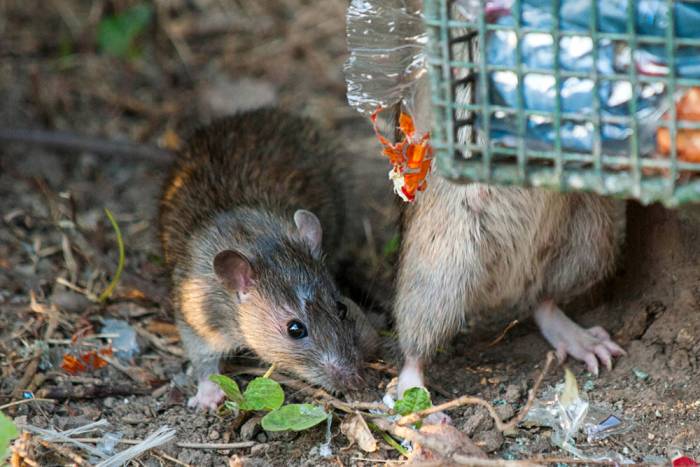
In the rats that roam New York City’s streets and tunnels, scientists have found a virus that resembles hepatitis C. They have used it to create the first animal model of the human disease, a breakthrough that potentially could yield a much-needed vaccine.

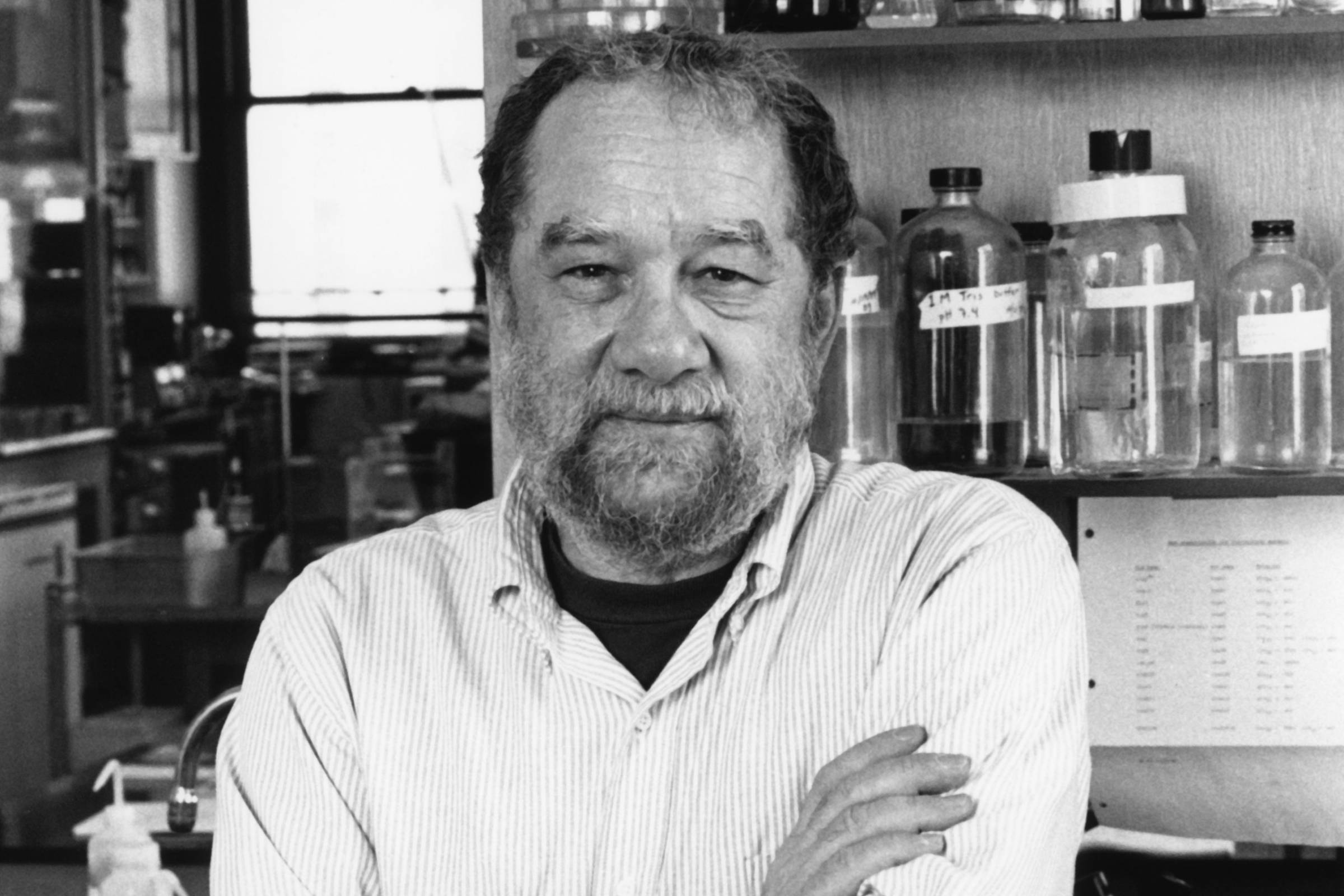
Model's research on bacterial viruses provided valuable details about the way genes are expressed and control one another. He died on June 9.

Scientists have identified several genetic mechanisms by which antibiotic resistance may have arisen in a bacterium that causes deadly infections.

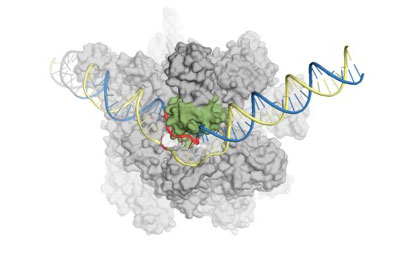
Researchers have uncovered new details about the molecular machine that separates DNA strands before copying a gene's sequence into RNA.

By determining the structure of a protein linked to a deadly form of arrhythmia, scientists have gained new insights about the condition.

A new algorithm allows scientists to record the activity of individual neurons within a volume of brain tissue.

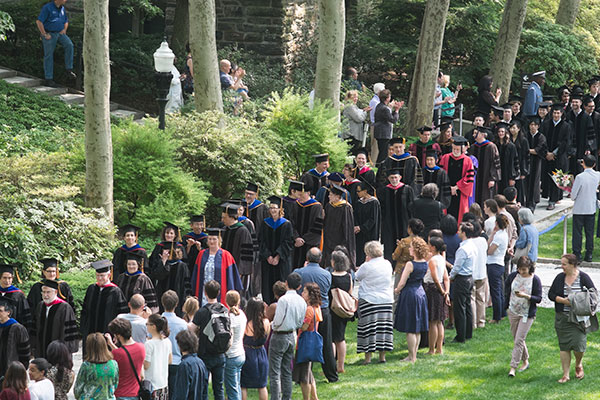
The Rockefeller University today awards doctoral degrees to 23 students who have completed their studies in bioscience. In addition, four distinguished scientists—Anthony B. Evnin, Mary-Claire King, Matthew Meselson, and Steven Weinberg—will receive honorary doctor of science degrees.
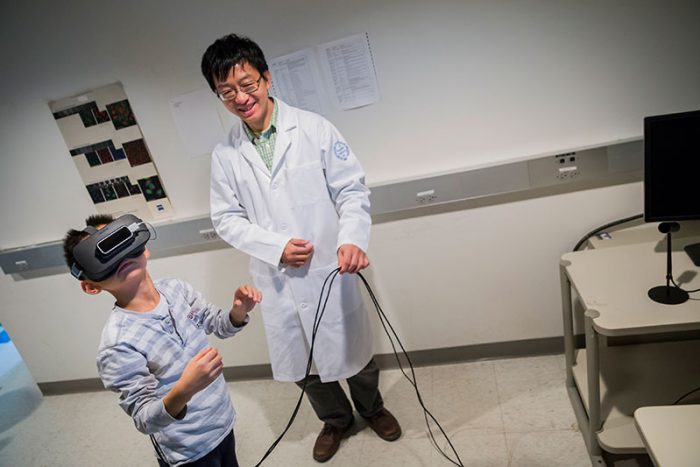
The fourth annual science festival drew more than 1,000 school-age children and their families to campus. The young explorers participated in hands-on experiments and interactive demonstrations led by scientists.

Scientists have identified the features that render a potassium channel in the heart vulnerable to interference by a range of drugs.

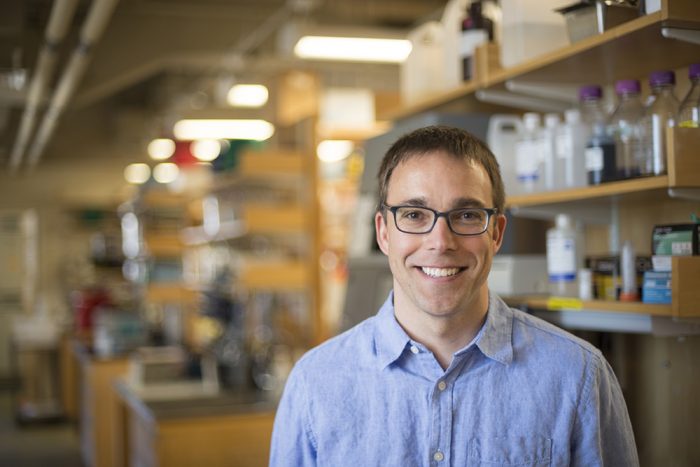
Jeremy M. Rock uses genetics to investigate how the microbe causes disease. He will join Rockefeller’s faculty on January 1, 2018.