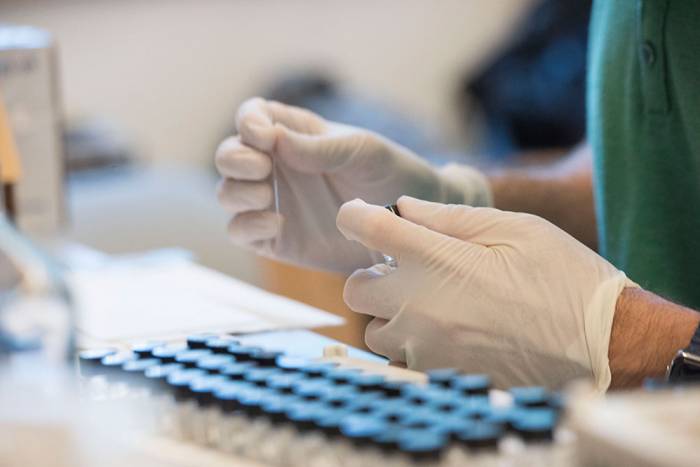
Scientists developed a method to genetically engineer gut bacteria to produce molecules that have the potential to treat certain disorders by altering human metabolism.
Scientists have located two areas in the brain that help us recognize familiar faces. The discovery will help them delve deeper into the relationship between face recognition, memory, and social knowledge.
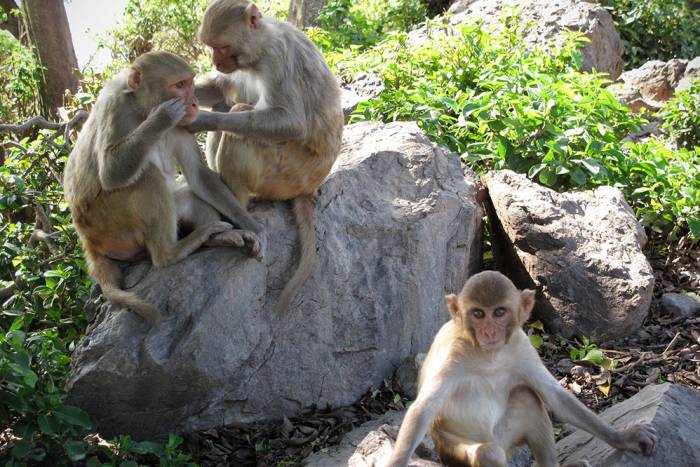
Scientists disrupted a gene essential for sensing pheromones, resulting in severe deficiencies in the ants’ social behaviors and their ability to survive within a colony.
Within the oldest part of the brain, scientists have found cells in charge of controlling appetite and eating. The discovery could revitalize efforts to develop drugs for obesity that make us less hungry.
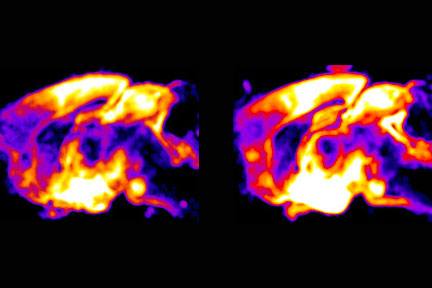
Neuroscientists have taken a major step toward answering longstanding questions about how Prozac and similar drugs act in the brain. Their findings could lead to better antidepressants that don't take weeks to kick in.