By determining the structure of a protein linked to a deadly form of arrhythmia, scientists have gained new insights about the condition.

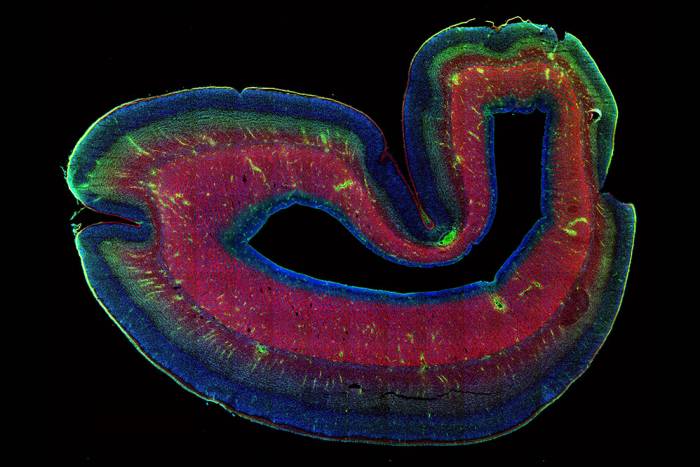
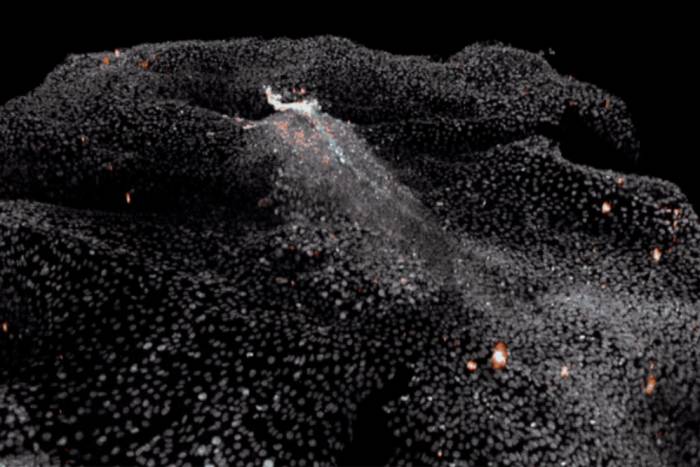
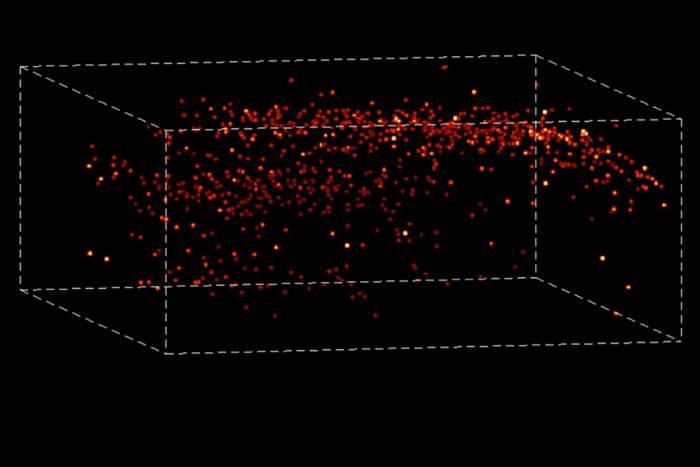
A new algorithm allows scientists to record the activity of individual neurons within a volume of brain tissue.

Scientists have identified the features that render a potassium channel in the heart vulnerable to interference by a range of drugs.

Jeremy M. Rock uses genetics to investigate how the microbe causes disease. He will join Rockefeller’s faculty on January 1, 2018.

To learn more about dolphin cognition and communication, researchers have developed an underwater touchscreen using optical technology, the first of its kind.

Researchers have uncovered the neurons that spin a fly’s internal compass when the insect turns—the first such mechanism identified in any animal.

By studying rhesus monkeys, researchers have identified a brain network dedicated to processing social interactions—a discovery that offers tantalizing clues to the origins of our ability to understand what other people are thinking.

When bacteria swim at just the right speed, swirling vortices emerge. As those patterns disintegrate into chaos, physicists detect a telling mathematical signature.

Stem cells in the hair follicle are organized by the cell type they will eventually become in unique compartments, at the ready to regenerate tissue.

Searching for a way to thwart Zika, scientists have discovered an antibody with a potent ability to neutralize the virus.