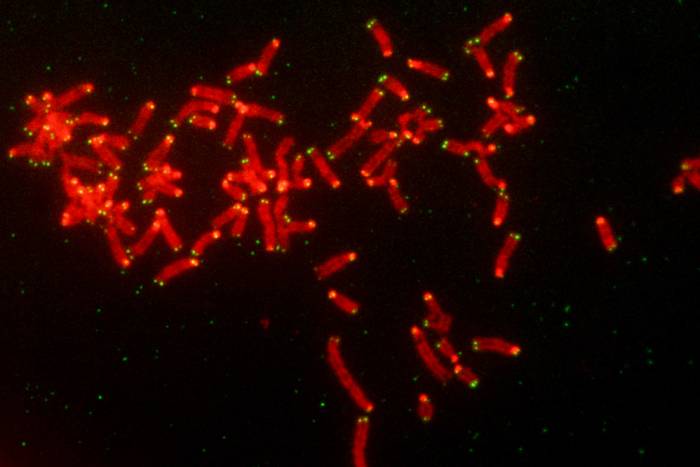
Using gene editing technology, researchers have developed a new way to study B cell activation in mice. This technique makes research more efficient, and has the potential to improve our understanding of immune responses in humans.
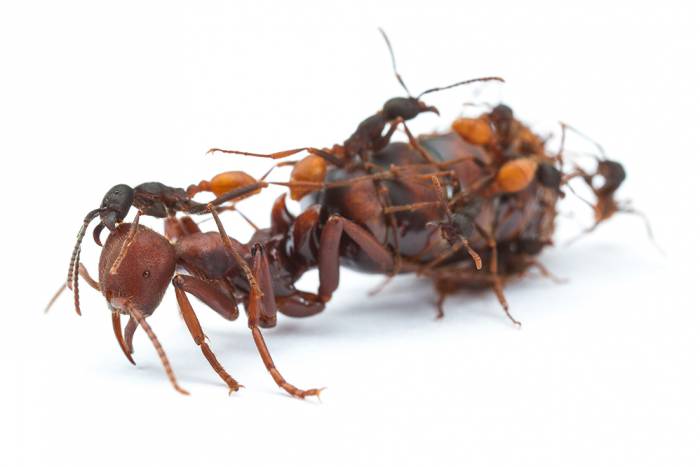
A new study in ants demonstrates that living in groups leads to improved fitness. The researchers show that, in larger groups, ants take on specialized roles and colony stability increases.
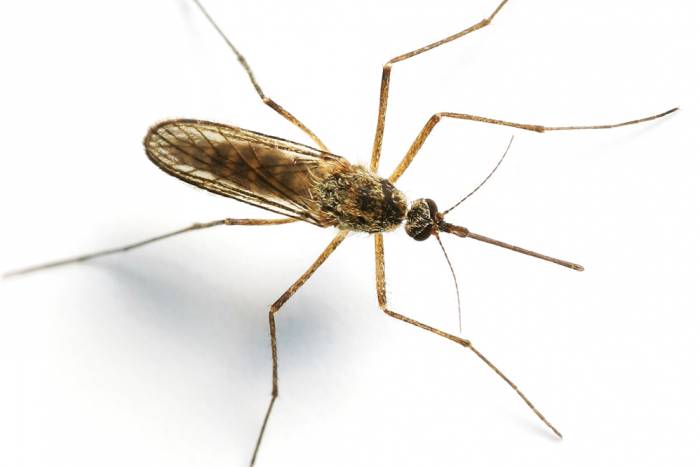
Researchers describe, for the first time, the structure of a smell-receptor protein common among insects. Its inner architecture illuminates how insects evolved to detect an amazing diversity of odors.
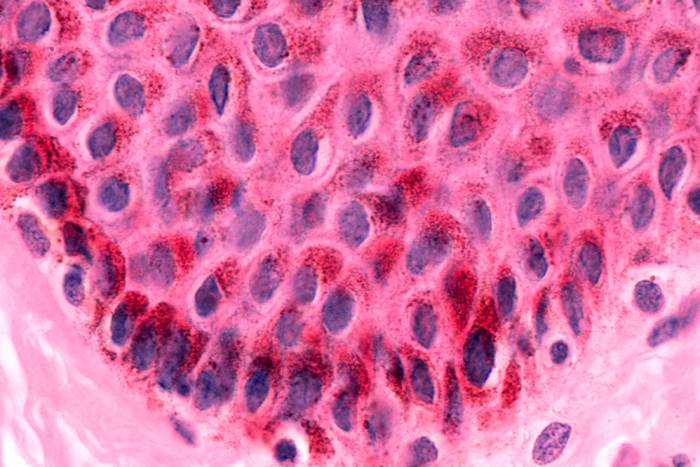
Scientists describe a group of proteins that protect cells from a subtype of human papilloma virus. They also outline genetic mutations that make this virus unusually harmful in people with epidermodysplasia verruciformis, a rare skin condition.
Researchers find that a deficiency of acetyl-L-carnitine is associated with a particular subtype of depression. Individuals with very low levels of this molecule often have highly severe symptoms and don’t respond to traditional antidepressants.
A new study in ants identifies a peptide that plays an important role in regulating reproduction. This research illuminates a potential trajectory for the evolution of distinct social castes—workers and queens.
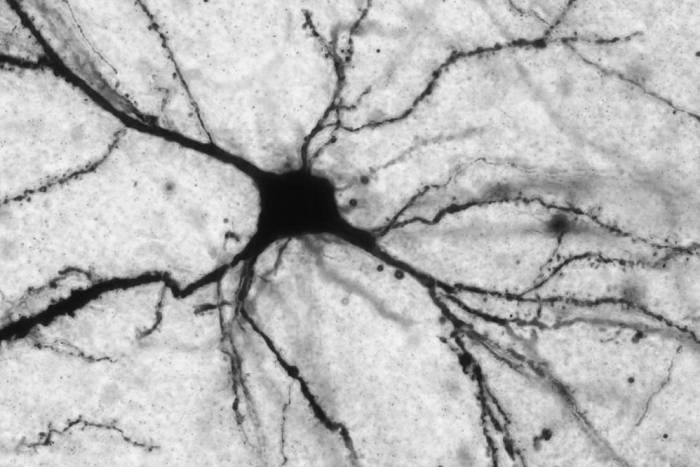
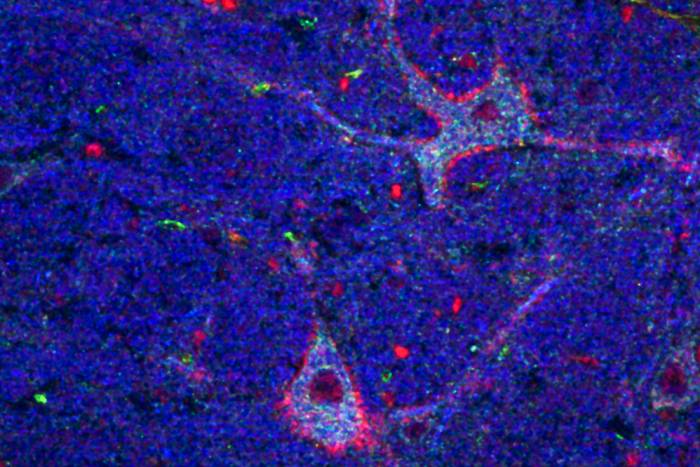
Scientists find that certain neurons release nitric oxide onto nearby blood vessels, and potentially use this mechanism to control awareness in the brain.
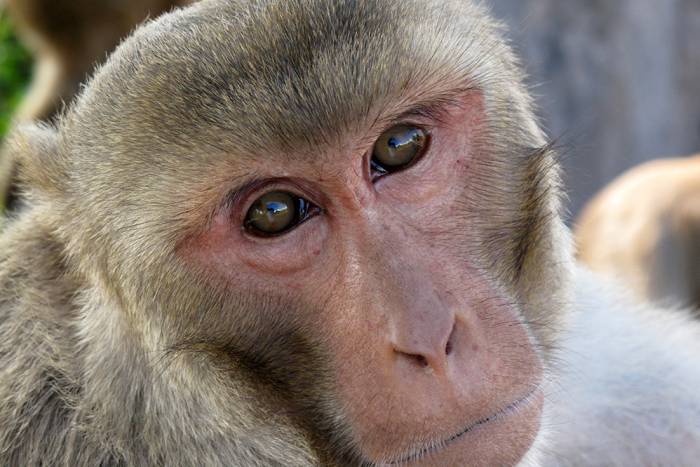
Scientists have long debated the evolutionary origins of human speech. New research reveals neural circuits in the brains of monkeys that may represent the source of our unique speech capabilities.
A new study sheds light on the mysterious ways in which evolution may tweak the brain to shape behavior. It started with a close look at two Drosophila species and their mating maneuvers.