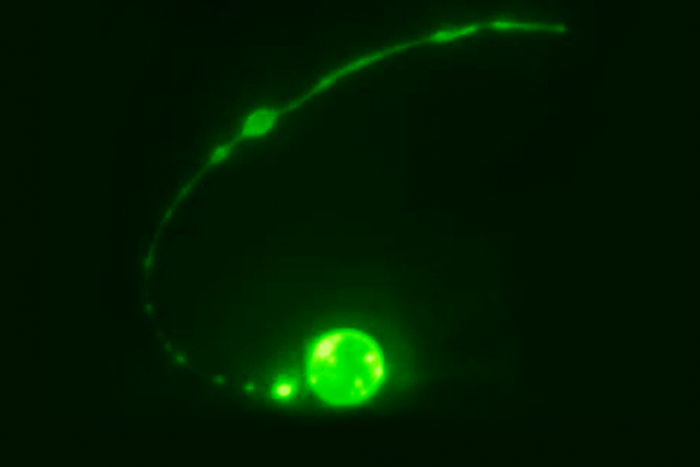
Scientists have discovered a curious way for cells to die. In studying it, they are learning about how remnants of diseased cells are normally chewed up and removed.
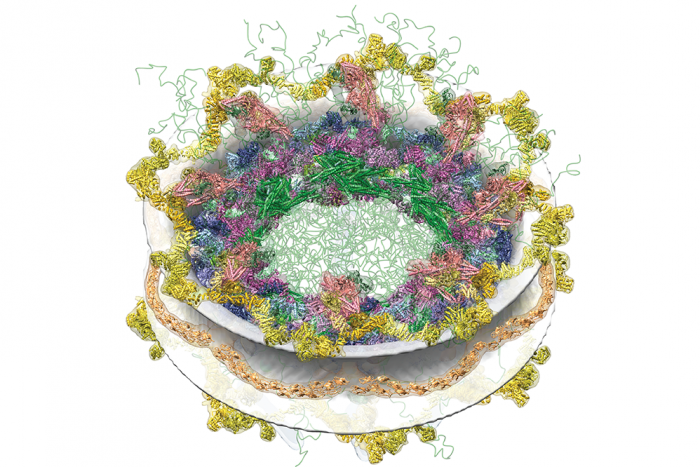
The gateway to cellular headquarters has 552 components. A new map that shows how all these pieces fit together could help scientists study numerous diseases.
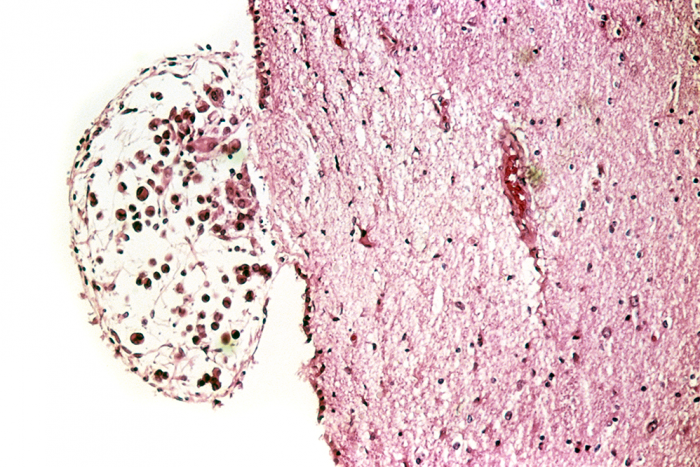
A new report details three cases of secondary brain tumors in people with fibrolamellar hepatocellular carcinoma. The researchers say imaging tests could improve treatment for patients whose cancer spreads to the brain from the liver.
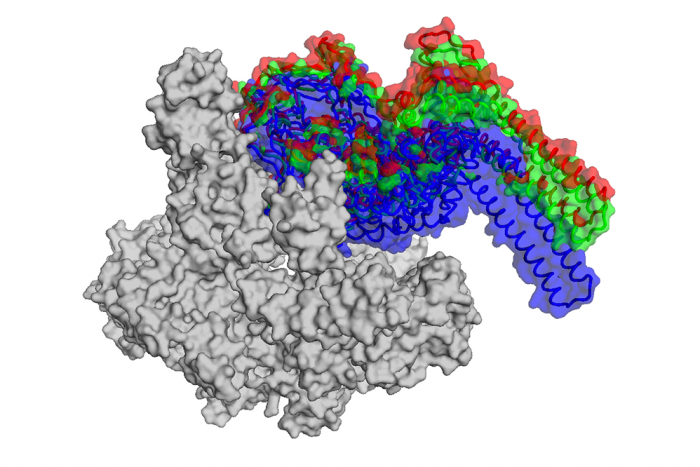
In discovering how an antibiotic kills the bacteria that cause tuberculosis, scientists open the door to new treatments for the disease—and possibly others, as well.
Scientists have used cryo-electron microscopy to capture the very first snapshots of the large ribosomal subunit—part of the ribosome responsible for forging bonds between amino acids, the building blocks of proteins—coming together.
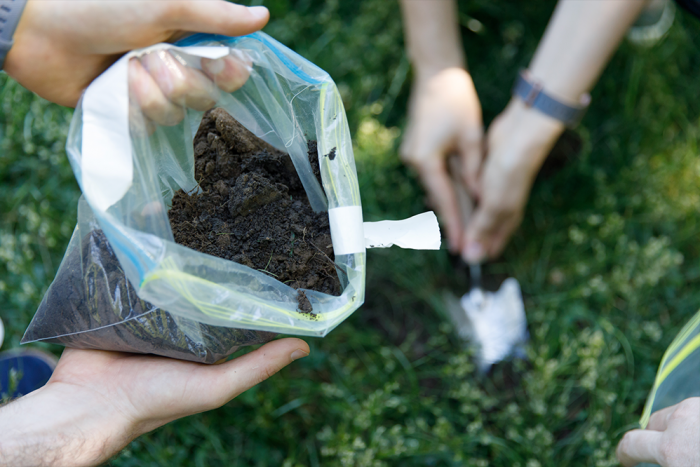
In mining soil for natural drugs, scientists have discovered a brand-new antibiotic potent against many bacteria. They hope it could be used to treat infections that cannot be stopped with existing drugs.
New research has helped explain what goes wrong in Aicardi-Goutières syndrome, a rare brain disorder. Patients with the disease have genetic abnormalities that may put their cells at risk of accidentally triggering an antiviral response.
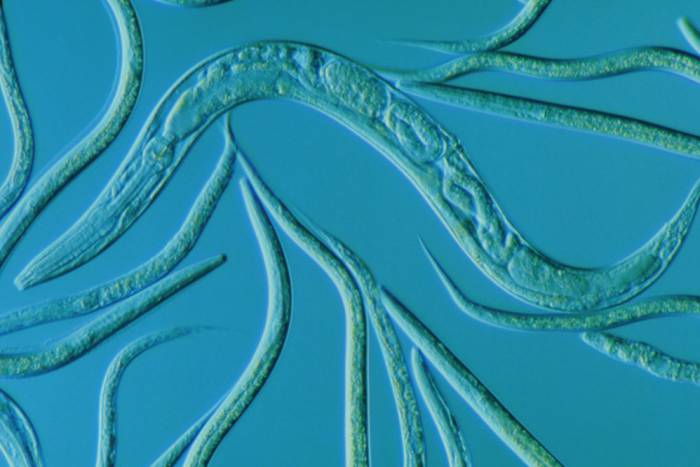
A new study illuminates the biology that guides behavior across different stages of life in worms, and suggests how variations in specific neuromodulators in the developing nervous system may lead to occasional variations.