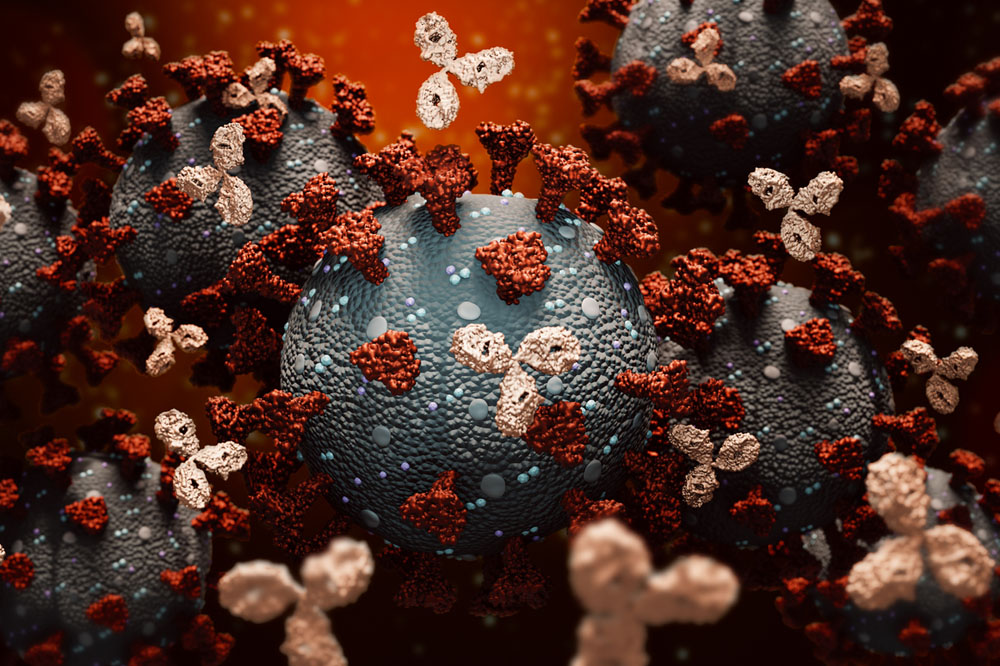
Amid the growing threat of a new and potentially more dangerous SARS-CoV-2 variant, scientists are ramping up the quest for COVID treatments. A recent study demonstrates the therapeutic potential of an unusual class of immune proteins: miniature antibodies called nanobodies, derived from l...

COVID-19 lockdowns scrambled sleep schedules and stretched waistlines. One culprit may be social isolation itself. Scientists have found that lone fruit flies quarantined in test tubes sleep too little and eat too much after only about one week of social isolation, according to a new study...

In rare cases, people who have been fully vaccinated against COVID and are immune to the virus can nevertheless develop the disease. New findings from The Rockefeller University now suggest that these so-called breakthrough cases may be driven by rapid evolution of the virus, and that ongo...

With green light from the FDA, Rockefeller scientists started human trials this week for a new monoclonal antibody drug as a potential treatment for COVID-19. Monoclonal antibodies are mass-produced replicas of natural antibodies made by the immune system to fight viruses. Designed to prev...

...As part of an international study of genetic causes behind severe COVID-19 in young people, Casanova and collaborators have been enrolling these unusual cases since early March, when they were first reported by European doctors. Collaborating with the New York Genome Center and the stat...

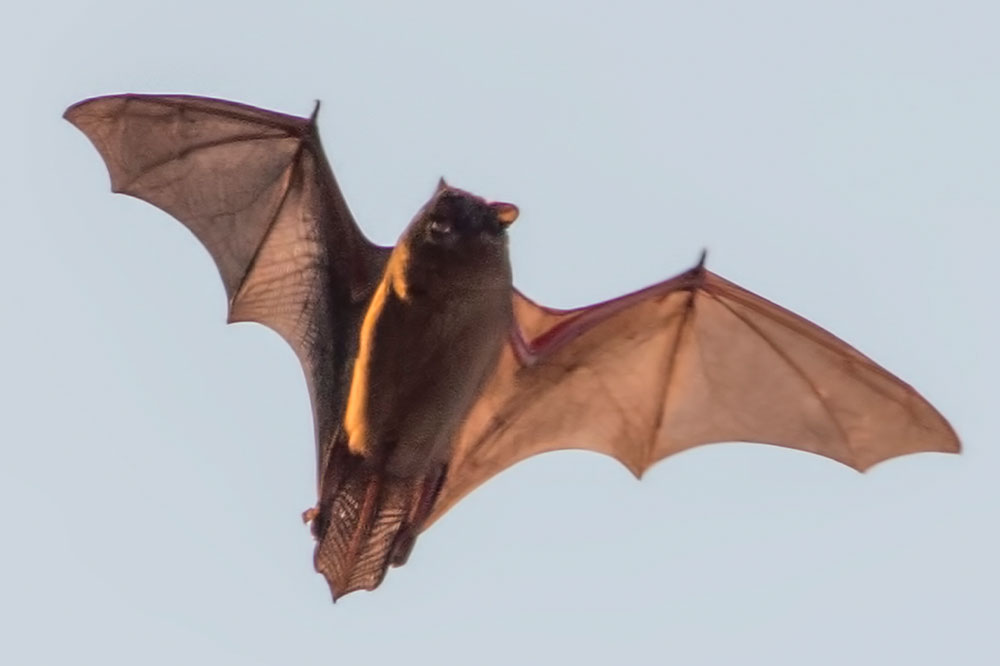
...But at the outset of the COVID-19 pandemic, he diverted his expertise and applied the same methods to instead to see if they could crack the mystery of bats’ exceptional immunity to coronavirus. His group began by sequencing the genome of the horseshoe bat, thought to be the initial hos...

As the number of people who have fought off SARS-CoV-2 climbs ever higher, a critical question has grown in importance: How long will their immunity to the novel coronavirus last? A new Rockefeller study offers an encouraging answer, suggesting that those who recover from COVID-19 are prot...

With promising results from preclinical studies and with human trials now underway, Rockefeller has taken the next step with its novel COVID-19 treatment. The university has entered a licensing agreement with a global pharmaceutical company to advance development of a drug based on two mon...

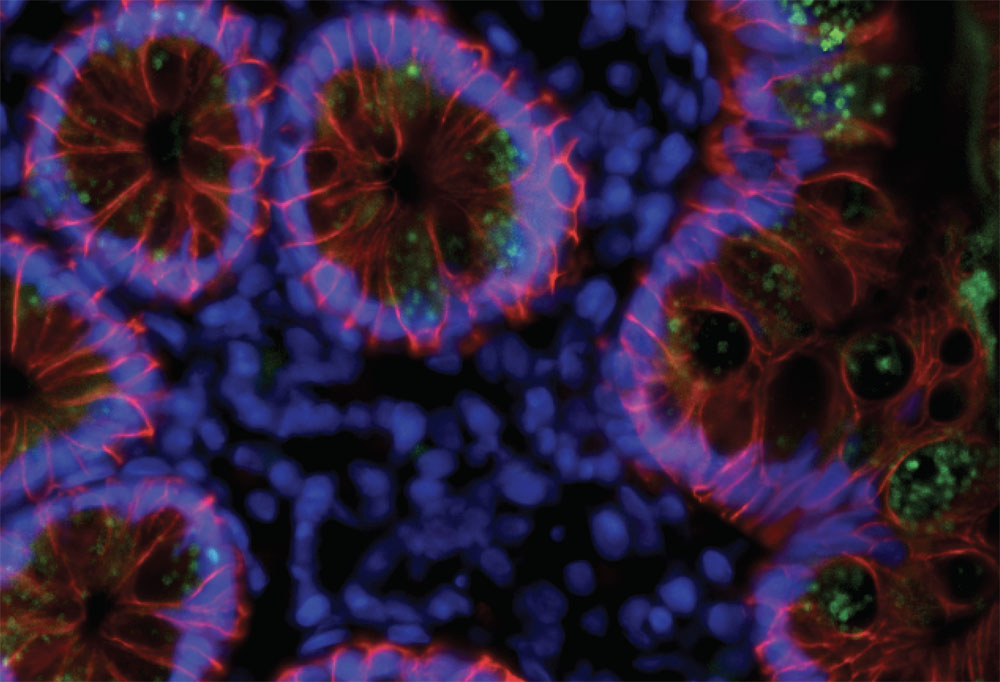
...Our understanding of how infectious diseases like COVID affect human lungs has been similarly confounded by noise. Data from patient lung tissues greatly varies from person to person, obscuring the basic mechanisms of how, exactly, SARS-Co-V2 first infects lung cells. It’s also an after...

More than 10 percent of people who develop severe COVID-19 have misguided antibodies that attack not the virus, but the immune system itself, new research shows. Another 3.5 percent, at least, carry a specific kind of genetic mutation. In both groups, the upshot is basically the same: The ...