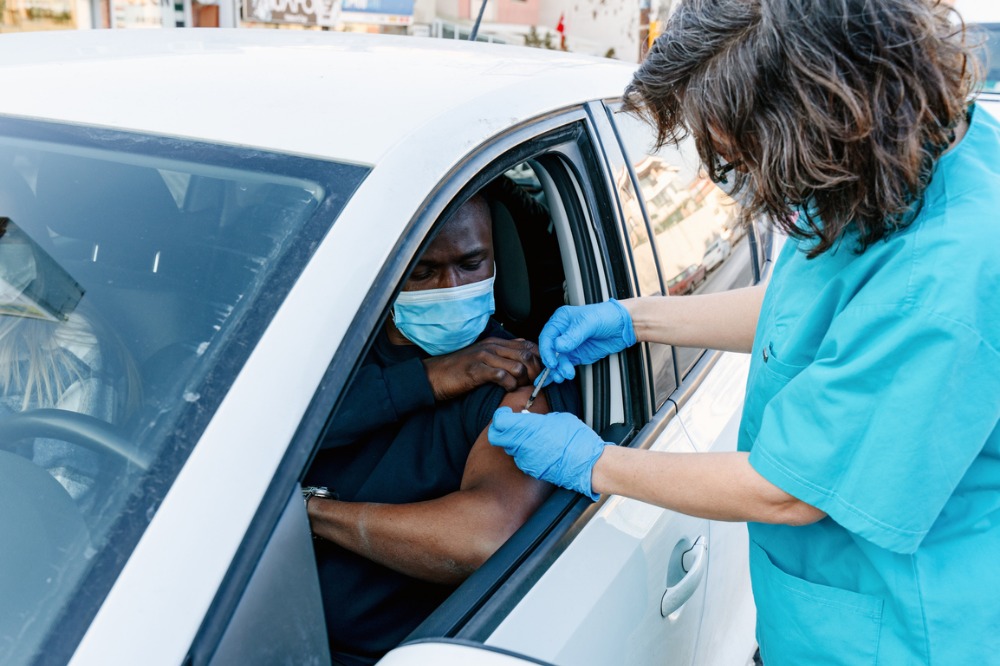
Highly promising vaccines have recently emerged for COVID-19, but this doesn’t mean research into other treatments can slow down. There is still no cure for the disease, and people will likely continue to get sick even after vaccines become widely available—by not getting their COVID

One of the most terrifying aspects of the COVID pandemic has been its unpredictably severe impact on some children. While most infected kids have few or no symptoms, one in 10,000 fall suddenly and dramatically ill about a month after a mild infection, landing in the hospital with inflamed...

...The findings suggest that feedback inhibition increases the coverage provided by COVID vaccines in people who previously received monoclonal antibodies. "Depending on the virus, feedback inhibition can either enhance immunity or inhibit it," says Michel C. Nussenzweig, who co-led the st...

It may be the most baffling quirk of COVID: What manifests as minor, flu-like symptoms in some individuals spirals into severe disease, disability, or even death in others. New research published in Nature may explain the genetic underpinnings of this dichotomy.  The researchers demonstrat...

Patients who suffer from severe COVID-19 tend to have one thing in common: insufficient or defective proteins that help regulate the immune system, known as type I interferons (IFNs).   Two papers from the laboratory of Jean-Laurent Casanova previously demonstrated that at least 10 percent...

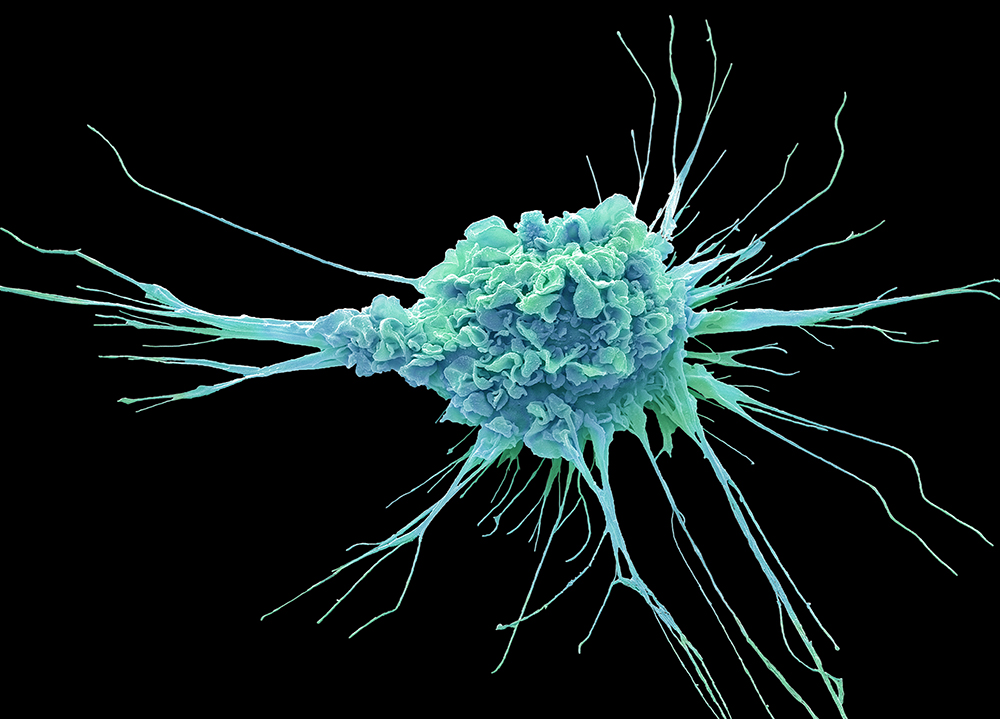
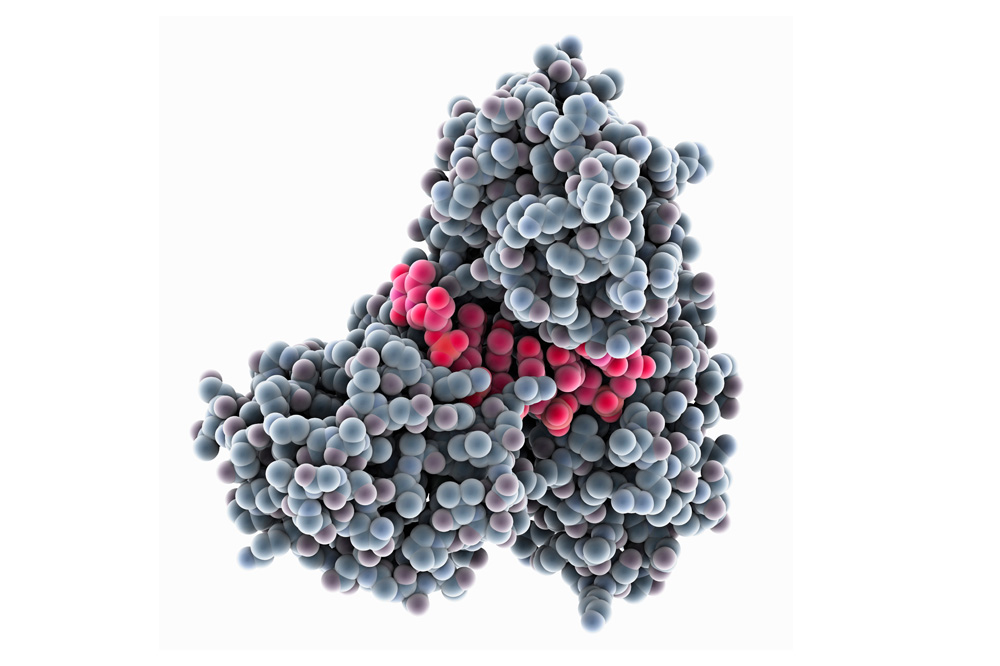
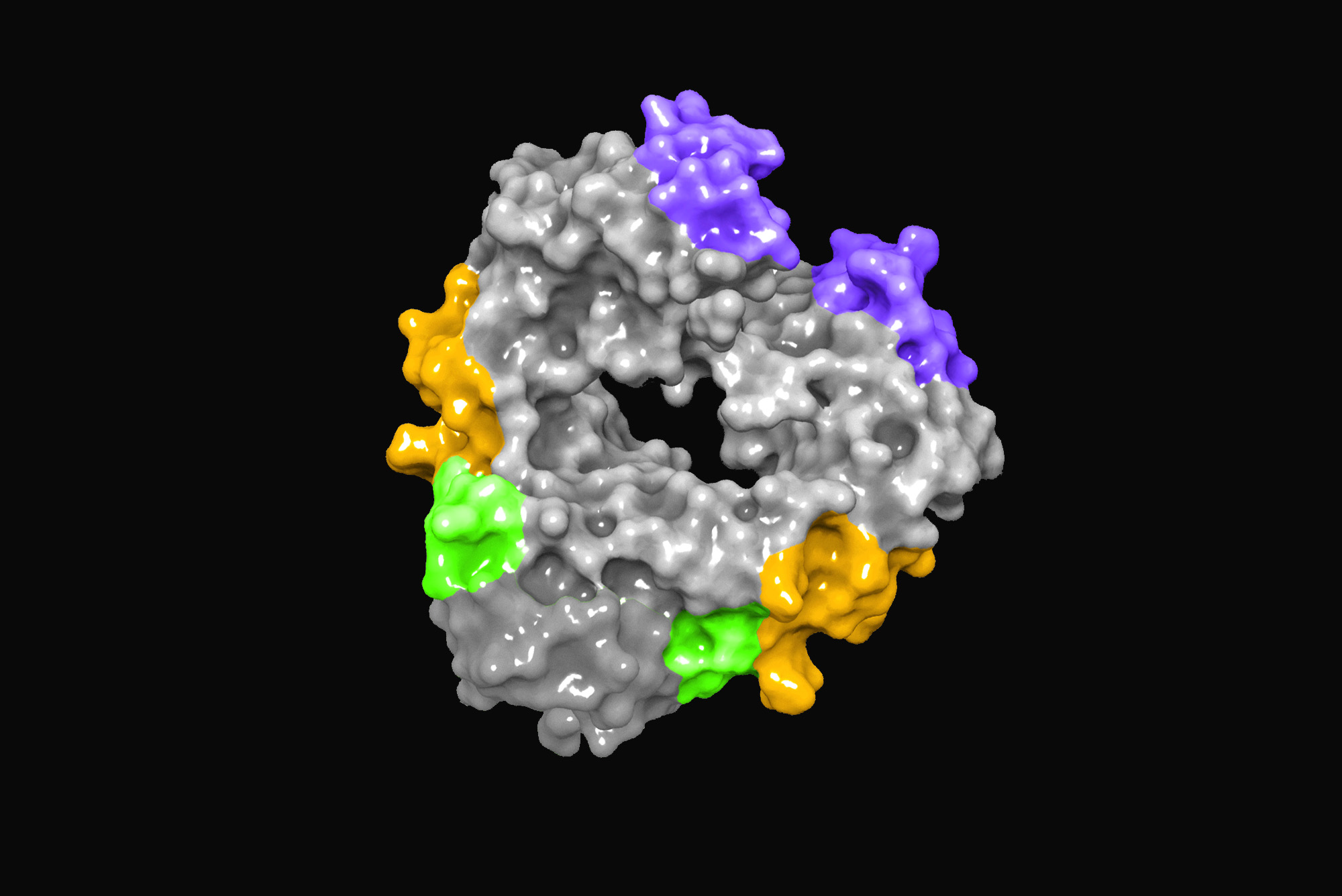
...Around the world, researchers working on developing treatments for COVID-19 are intensively examining each step of this process. Among them is Rockefeller’s Pels Family Professor Tarun Kapoor, whose lab has turned its expertise on stopping propagation of cancer cells to the virus, focus...

Monoclonal antibody drugs are among the few treatments available for COVID, providing a lifeline for those at high risk of severe illness and hospitalization. However, the usefulness of these drugs is limited because they are effective only when they can be administered early in the diseas...

...A new paper in PNAS suggests there may have been a mathematical method, of sorts, to the madness of those early COVID days. The study tests a model that closely matches the patterns of case counts and deaths reported, county by county, across the United States between April 2020 and Jun...

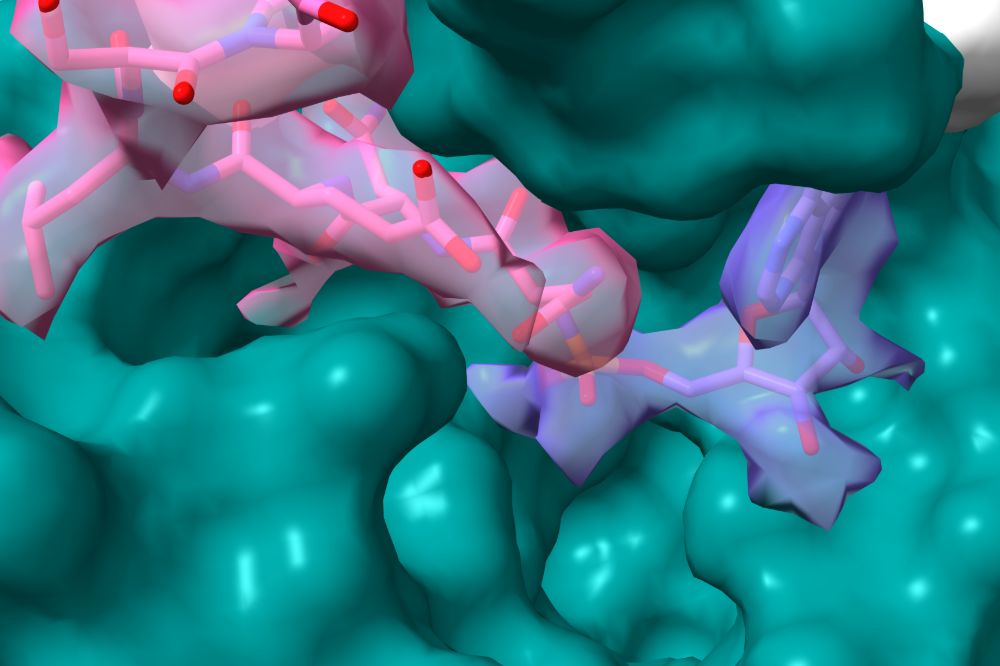
The arrival of Paxlovid in December 2021 marked another turning point in the COVID-19 pandemic—an effective antiviral that has since successfully treated millions. But like many antivirals before it, scientists know that at some point, Paxlovid is likely to lose some efficacy due to drug r...

The most severe cases of COVID-19 begin with leaky blood vessels. Breaches in the vascular system cause inflammation and coagulation, as fluid floods the lungs. Meanwhile, a host of seemingly unrelated symptoms set in. Blood pressure drops, arrhythmias test the heart, and the central nervo...